Date: 16. January 2026
Time to read: 1 min
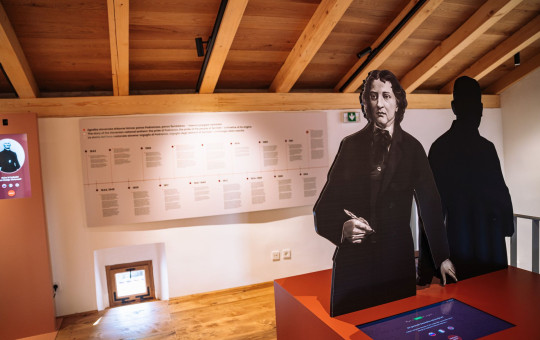
Lublanske novice is considered to be the first Slovenian newspaper and an important milestone in the history of Slovenian language and culture. It was first published at the end of the 18th century. At the time, the idea of a constant periodical was already taking shape in Slovenia – one that would share news, entertainment and educational content as well as information on politics, the economy and culture.
The initiative to establish the newspaper came from the renowned Žiga Zois, a patron and Enlightenment enthusiast who recognised the importance of the Slovenian language in a broader social and cultural context. The idea was realised by Valentin Vodnik, who then became the editor of Lublanske novice. Vodnik did not only function as editor, but also as the writer, translator and technical designer for the paper, which ensured that each issue stood out thanks to its clear and well-considered structure.
-
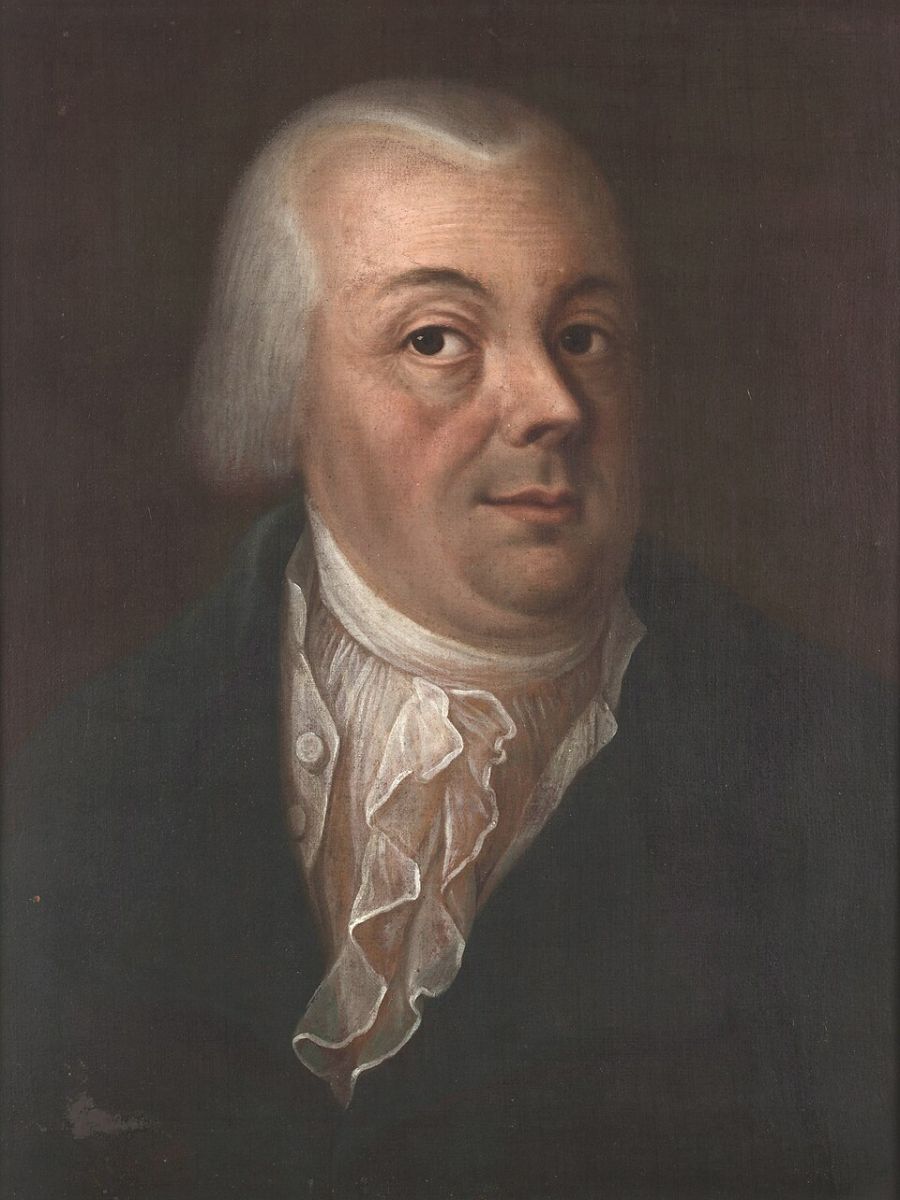
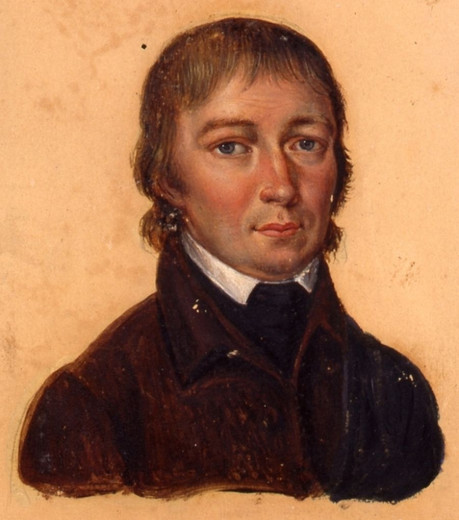 Valentin Vodnik (1758 - 1819) was not only the editor of Lublanske novice, but also a poet and translator who helped shape the Slovenian literary language. Photo: wikipedia

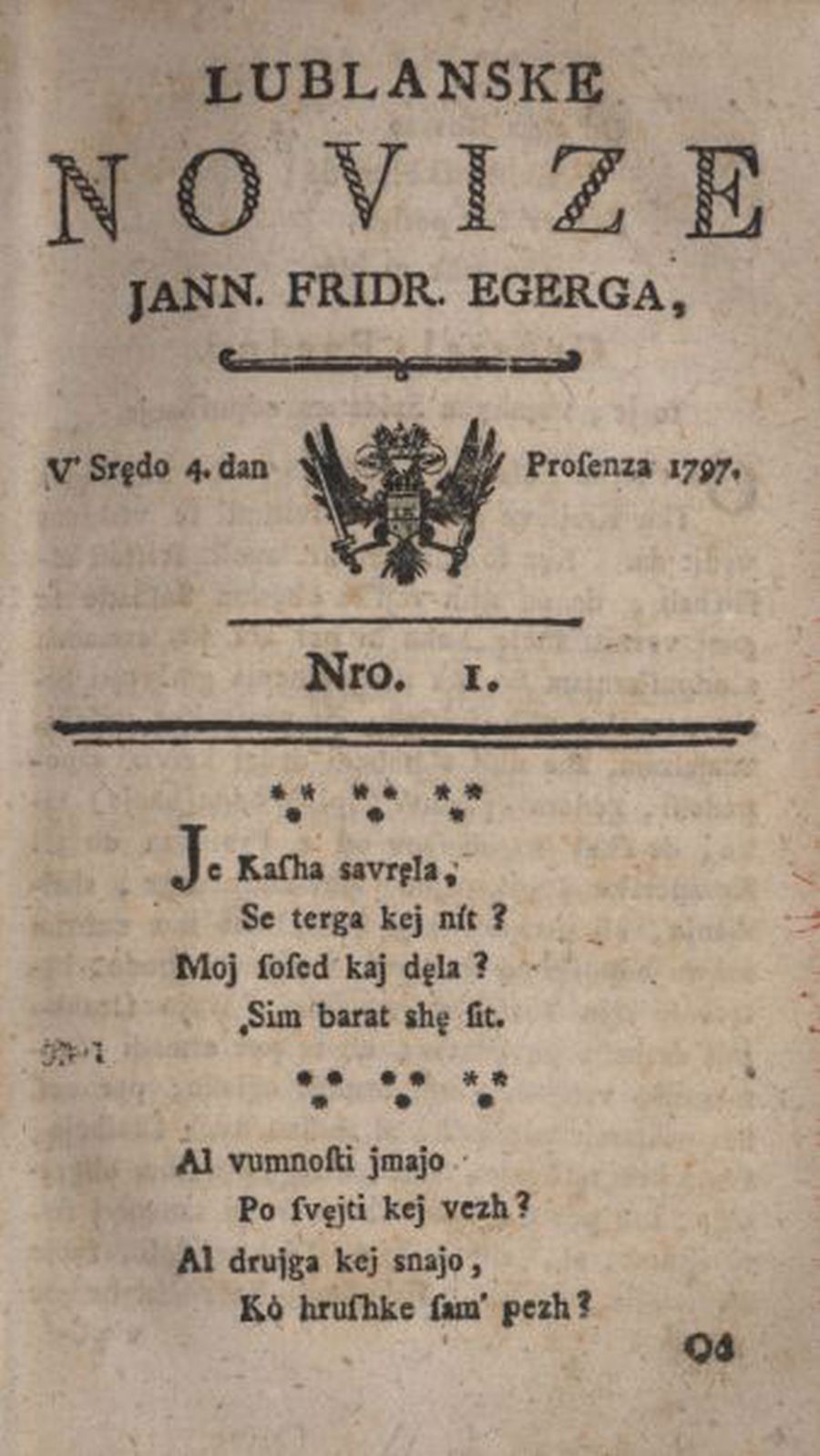
The first issues of Lublanske novice were released twice a week. As of 4 January 1797, it became a weekly publication and continued to be published until 27 December 1800.
Over these three years, the newspaper experienced remarkable growth. Approximately 100 copies of each issue were printed, with 33 regular subscribers.
In total, around 12,000 copies were published over three years, comprising approximately 78,000 pages – an exceptional achievement for the time.
-
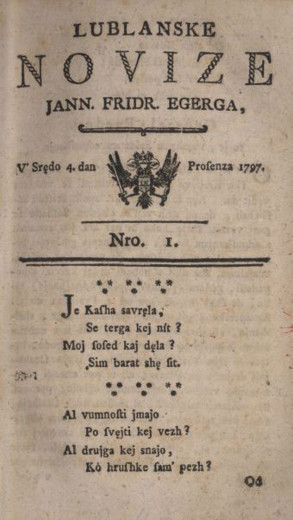 Lublanske novice laid the foundations of Slovenian journalism, upon which many other Slovenian media later developed. Photo: wikipedia
Content, influence and heritage
The content of Lublanske novice was diverse. In addition to political and economic news, the paper published cultural contributions, entertaining stories, educational articles and other engaging content that brought readers closer to events at home and abroad. Ideologically, it was grounded in Enlightenment values. At that time, the news published in Lublanske novice was considered relatively up to date, as – despite a delay of around four days – information circulated quickly among readers.
One distinctive feature of Lublanske novice was its connection to a tradition of practice.
The development of the newspaper was not accidental; it emerged from long-standing practices of documenting, translating and disseminating information through manuscripts and shorter publications. Vodnik combined these practices with new ideas and the technological potential of print, enabling Lublanske novice to achieve a high standard in both quality and content.
-
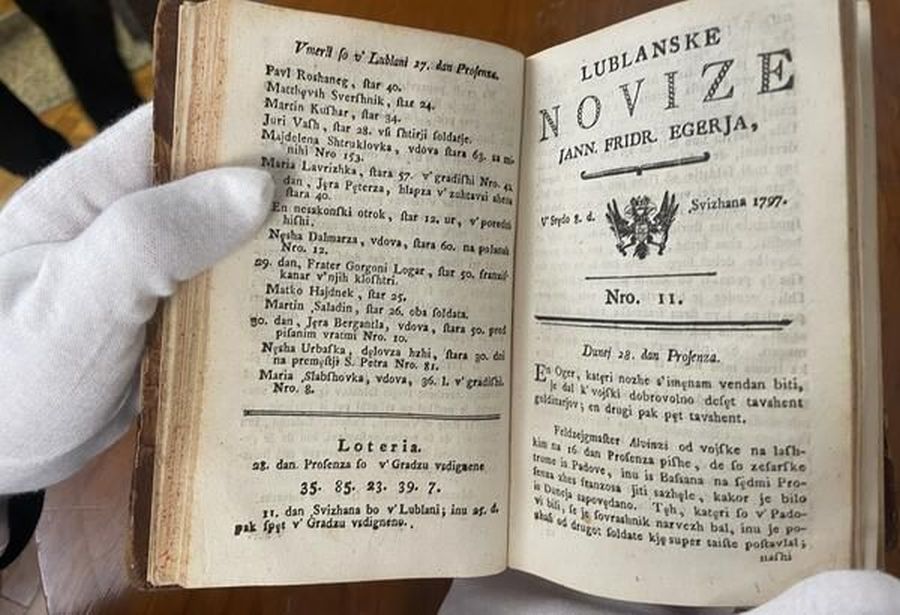
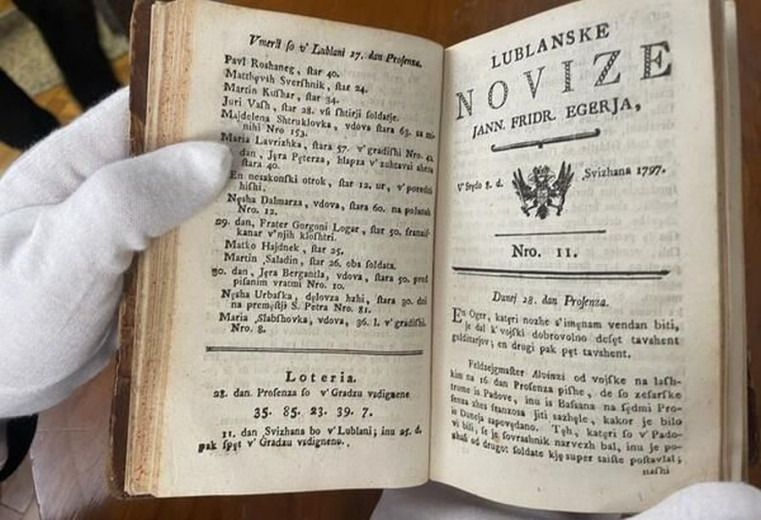 Lublanske novice followed the model of Vienna's Wiener Zeitung while promoting both Enlightenment and patriotic ideas. Photo: wikipedia
The newspaper had a significant impact on Slovenian society and culture.
Beyond spreading news and information, it contributed to strengthening the Slovenian language as a medium for education, culture and politics.
It offered readers insight into events in both domestic and international circles, while also encouraging reflection on contemporary social and political issues.
-
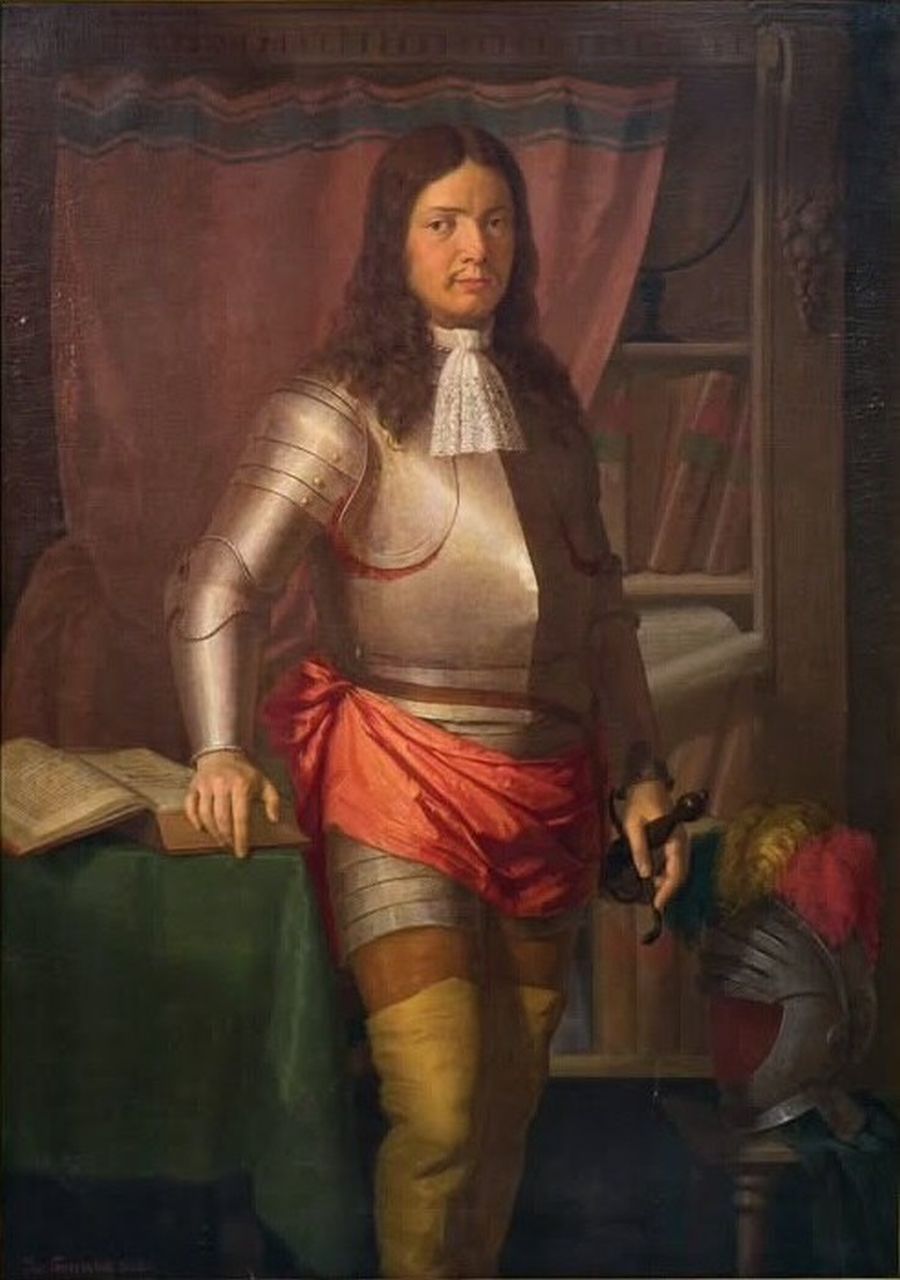
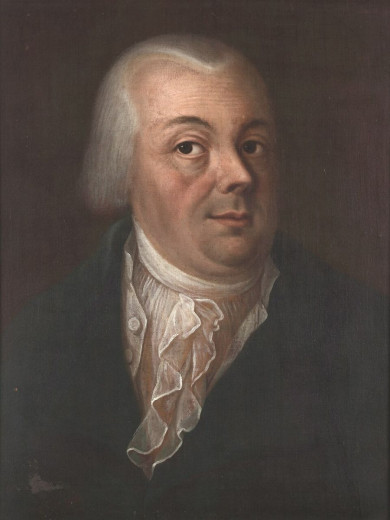 Žiga Zois (1747 - 1819), a patron of science and the arts, supported the development of Slovenian journalism as early as the 18th century. Photo: wikipedia
-
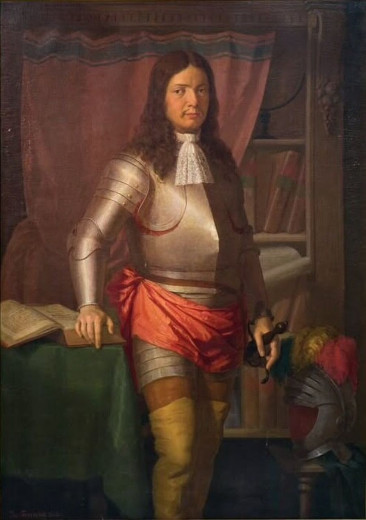 The first Slovenian newspaper was edited by Valentin Vodnik, with contributions also provided by other thinkers of the Enlightenment such as Žiga Zois, Johann Weikhard von Valvasor, Marko Pohlin and Anton Tomaž Linhart. Photo: wikipedia