Date: 23. January 2026
Time to read: 2 min
Masquerading is part of everyday life, festivals, customs and the circle of life. Its long history connects our past with the future. The exhibition, Masks: From Ritual to Carnival, hosted by the Slovene Ethnographic Museum, presents both the Slovenian and international carnival heritage.
Slovenia is one of the few European countries where masquerading has such a diverse, vibrant and regionally distinctive character. Carnival figures are not merely a folkloric remnant but also an important part of the Slovenian identity, continuing to be passed down from generation to generation.
Across the country, masked figures are known by many different names: maškare, maškaroni, šeme, šjme, pusti, pustovi, pustarji, pustnaki, fašenki, škoromati, kurenti or koranti.
These varied names reflect diversity of landscapes, dialects and local traditions, while, at the same time, illustrating a shared symbolic meaning in terms of a rite of passage, play and community bonding.
-
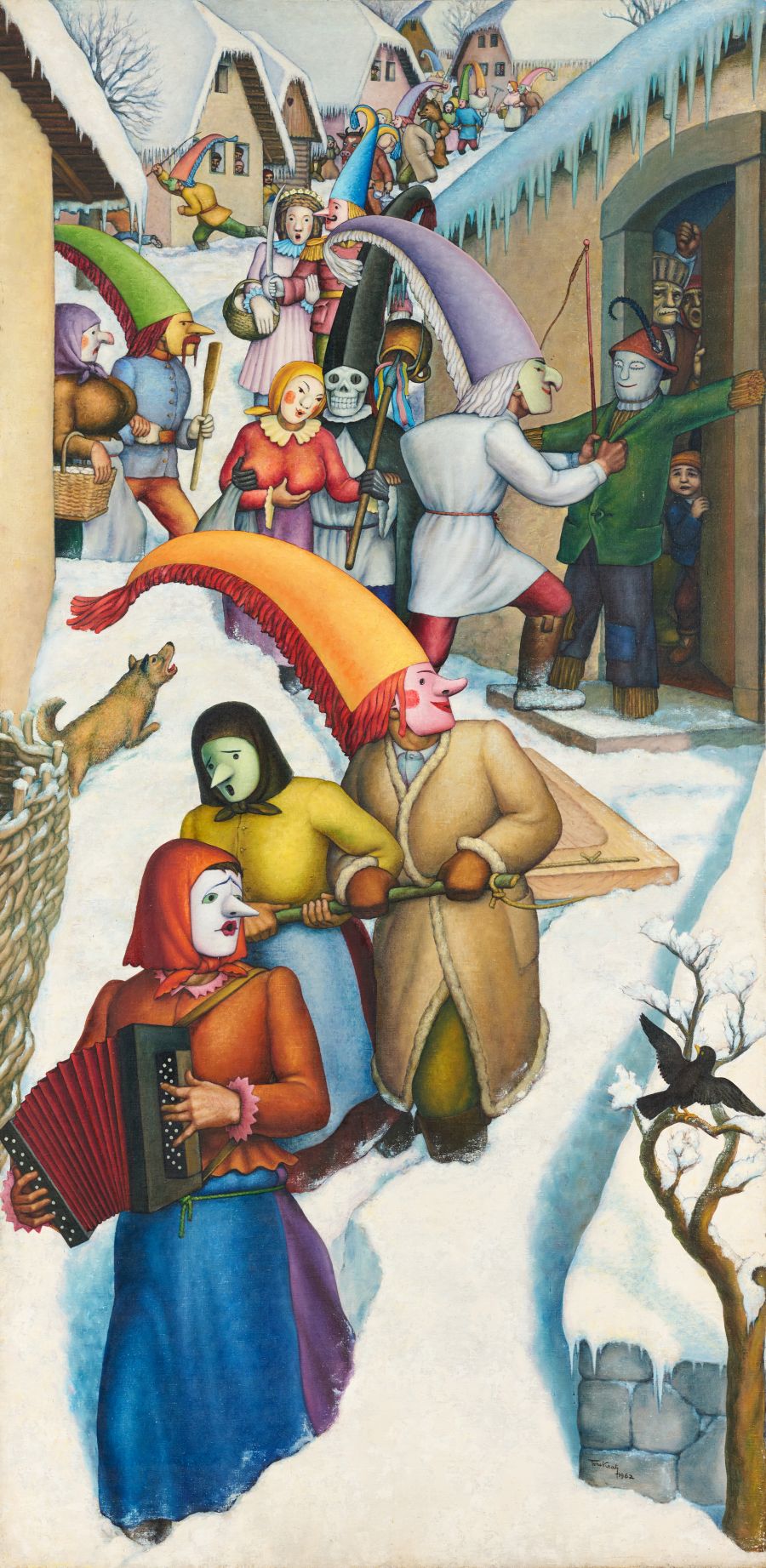
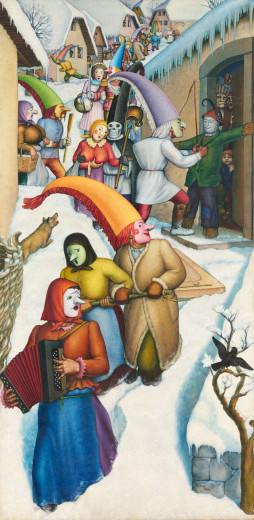 Painting Carnival in Zagorica, oil on canvas, wood panel, 290 × 141cm, artist: Tone Kralj, Zagorica, 1962, from the SEM collections. Photo: Tomo Jeseničnik
Masks in ritual, play and social significance
Masks have appeared in various environments throughout human history, which is why we can speak of them being universally widespread. In the Stone Age, masks provided hunters with camouflage and later became an essential magical tool in ritual practices. They played a particularly significant role in rites of passage, when a person's status or natural state changed – during the transition to adulthood, the change of the seasons, or the desire for fertility of the earth.
With the decline of the ancient world and the rise of Christianity, the original magical significance of masks gradually declined during the Middle Ages.
Over time, they instead became a means of entertainment, satire and the relaxation of social tensions.
Nevertheless, many elements of ancient symbolism survived, especially in terms of carnival customs, where they remain associated with the invisible forces of nature, vegetation, fertility and the well-being of humans and animals.
-
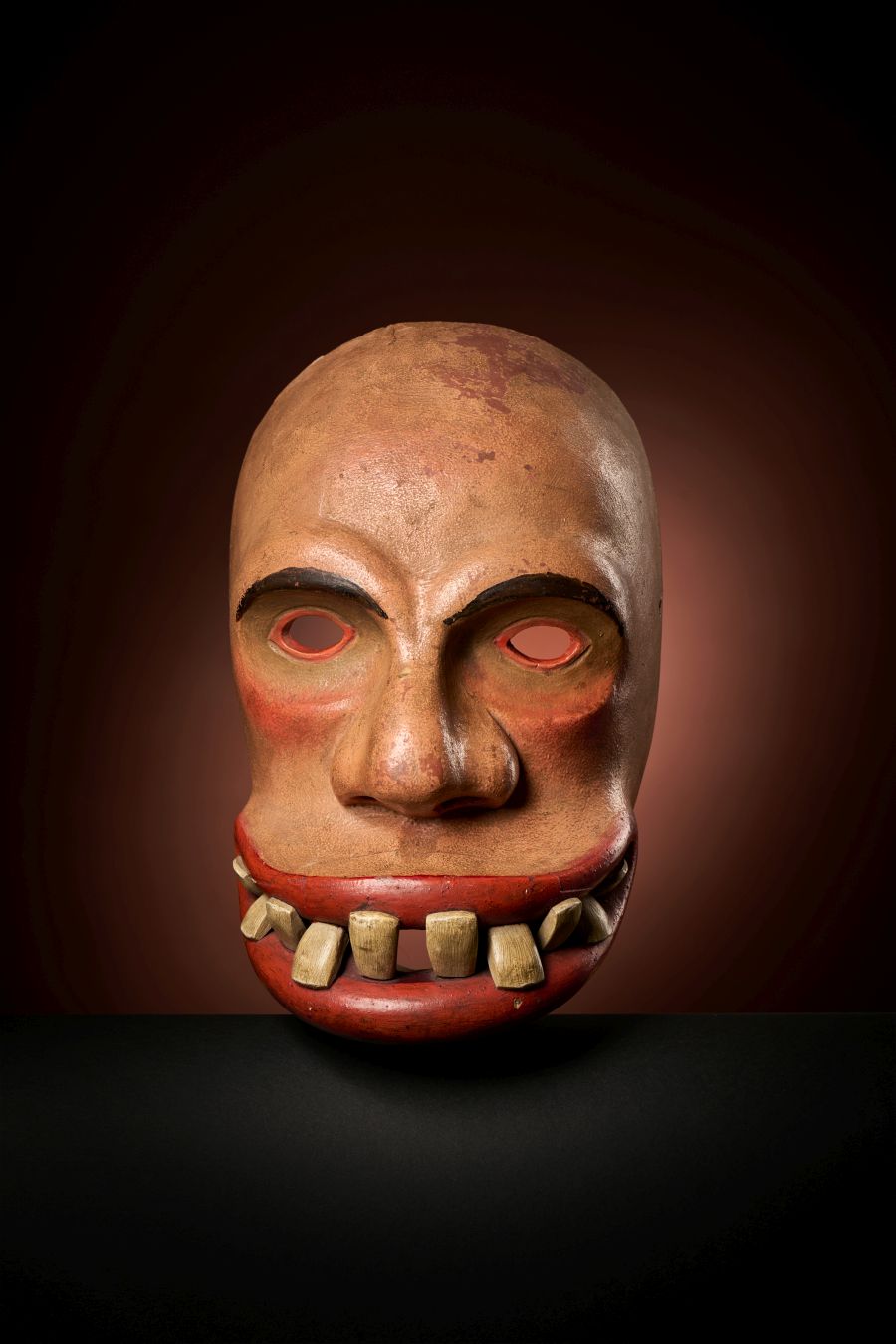
 Ta terjast (the Warp Man) mask, Cerkljanski laufarji (the Cerkno Runners), Cerkno, 1938, from the SEM collections. Photo: Tomo Jeseničnik
-
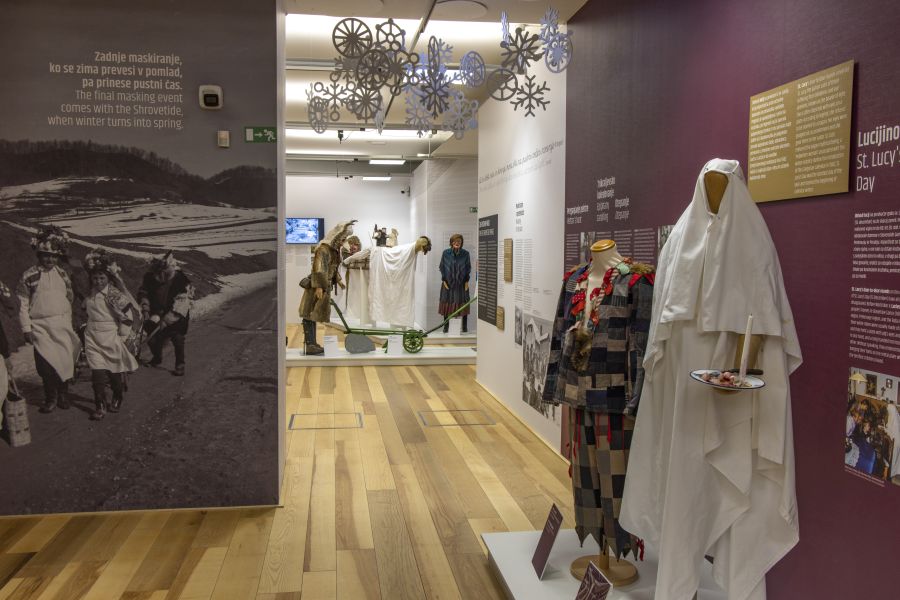
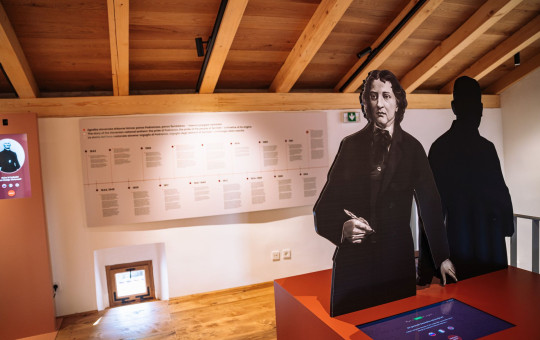
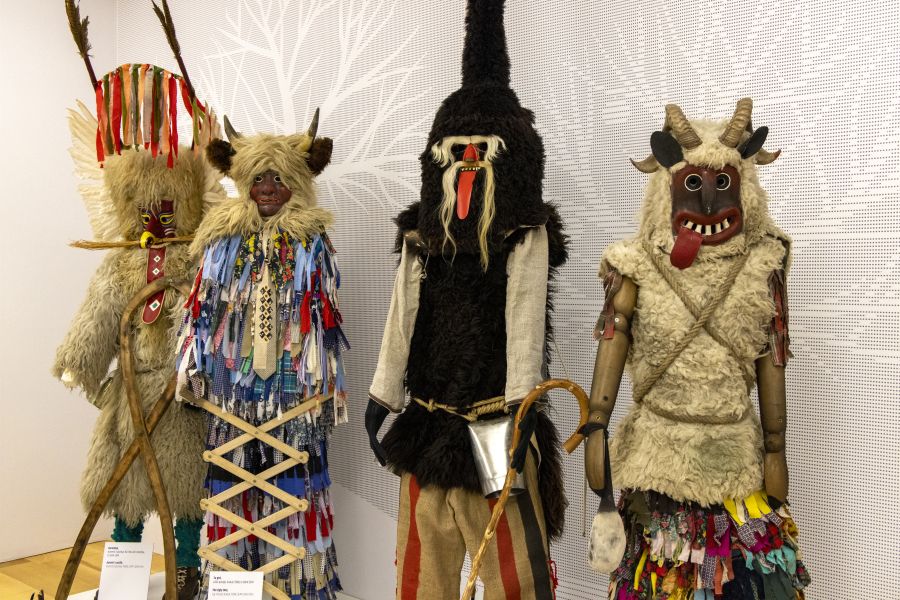
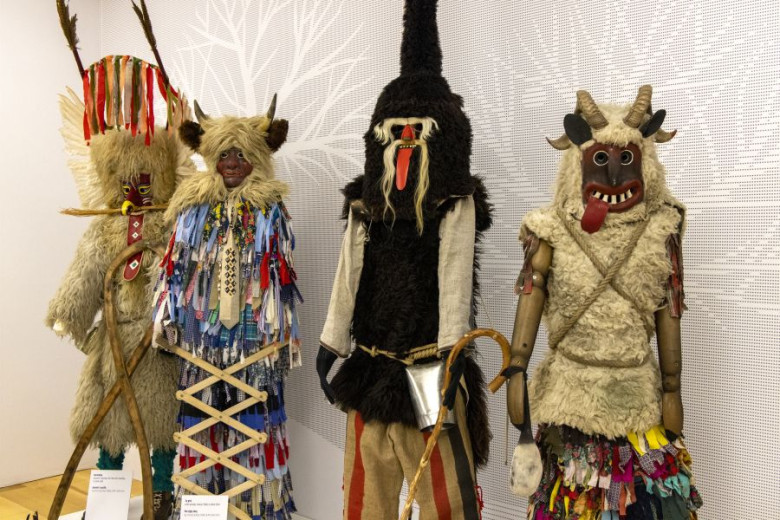 A snapshot from the exhibition, Masks: From Ritual to Carnival. Photo: Jan Simončič
Slovenia's carnival heritage and its thriving centres
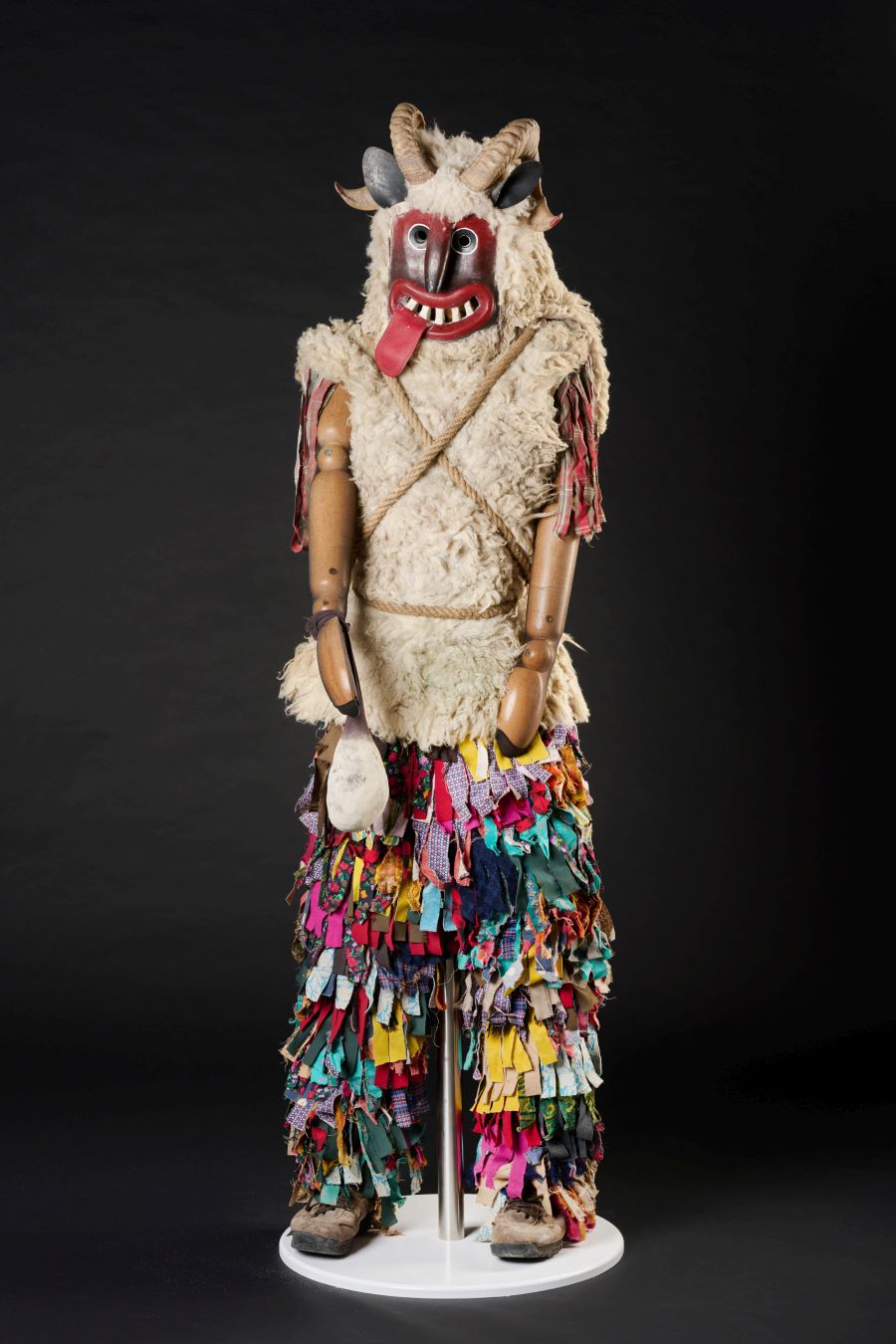
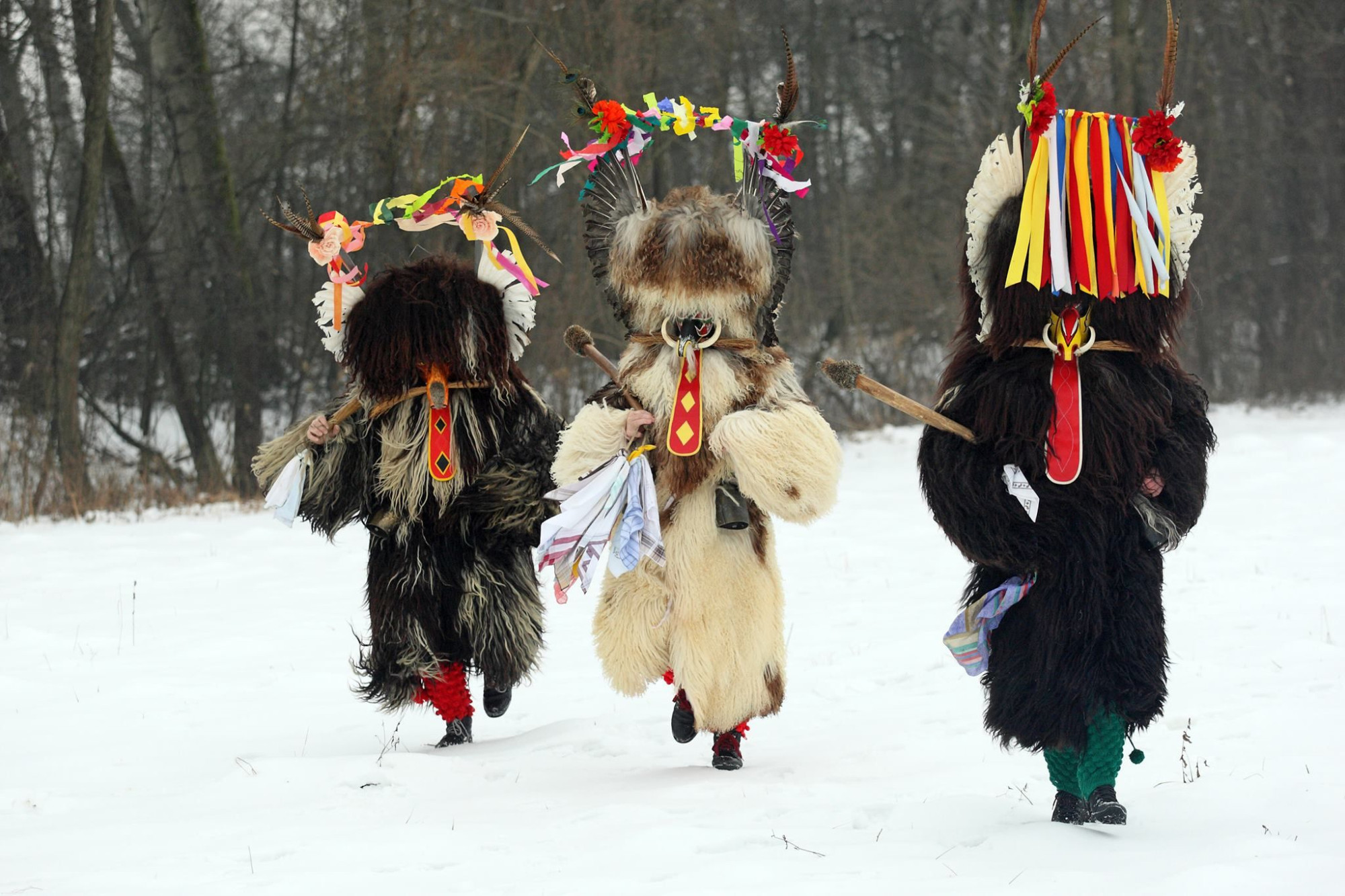
Slovenian carnival figures are among the most diverse in Europe. The best known are the kurenti or koranti from Ptuj and the Drava Plain, who chase away winter with loud bells, energetic jumping and imposing masks. In Cerkno, the laufarji with wooden masks representing human characters and social roles have been performing for centuries, while in Brkini and Istria, the škoromati bring their wishes for a good harvest with their colourful headgear. Each carnival figure has a precisely defined role, costume and manner of behaviour.
-
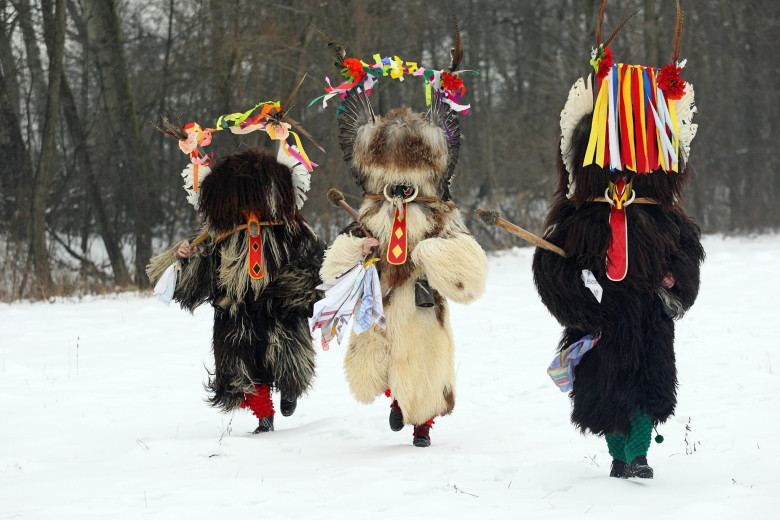 The kurent is the most recognisable Slovenian carnival figure, typical of Ptuj and the Drava Plain. In 2017, international organisation UNESCO inscribed the kurent processions on the Representative List of the Intangible Cultural Heritage of Humanity. Photo: A. Berce
-
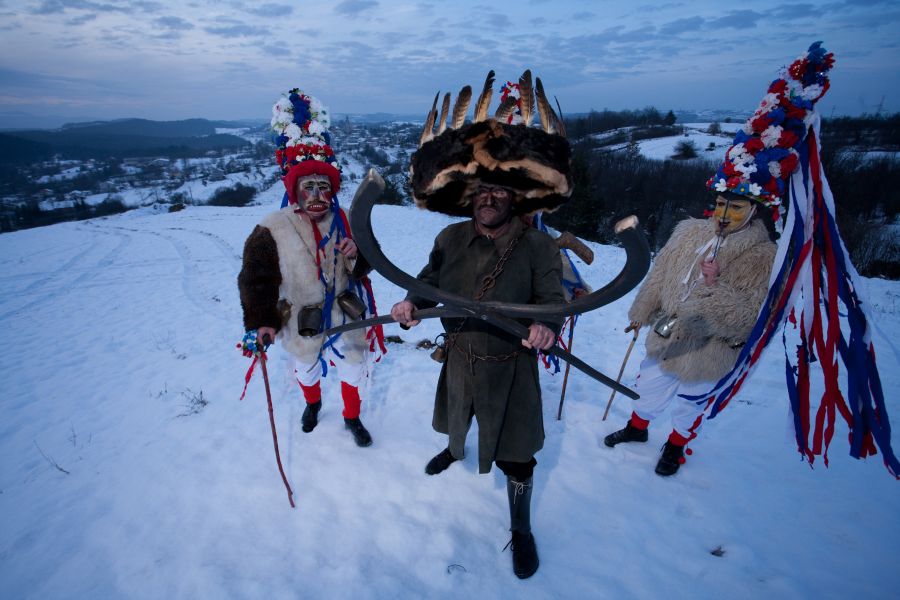
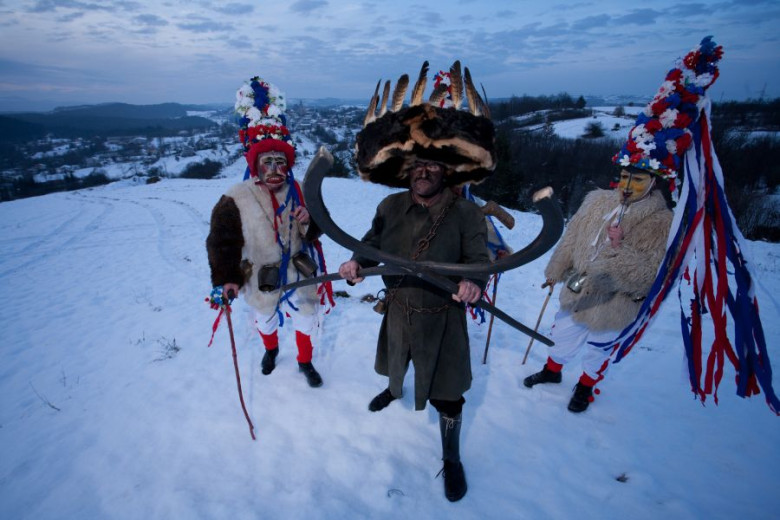 The škoromati from Brkini wear tall, ornate headpieces decorated with ribbons, paper flowers and small mirrors. Through dance, sound and the visiting of houses, they bring wishes for a good harvest, with their performances closely linked to the desire for abundance and good fortune. Photo: UKOM
In addition to carnival, masked characters also appear in daily customs. Masquerading is particularly characteristic of pre-wedding and wedding customs including hen and stag parties, wedding invitations, the custom of the false bride, as well as during initiation rituals and celebrations of milestone birthdays. In these cases, the mask functions as a form of protection, a source of laughter or a permitted departure from the rules of everyday life.
Church and secular holidays throughout the calendar year also play an important role. Some old customs involving masks have died out or have only been partially preserved.
However, some continue to thrive in Slovenia today: on St Martin's Day, St Nicholas' Day, Christmas, New Year's Day, Epiphany and, above all, during Carnival.
The liveliest centres of carnival activity in Slovenia include Ptuj with its Kurentovanje festival, Cerkno with the laufarji, the Ilirska Bistrica area with the škoromati, Mozirje with its carnival parades, and Ljubljana, where traditional elements are intertwined with contemporary forms of masquerading. Smaller towns and villages are equally important, where carnival retains a distinctly local character.
-
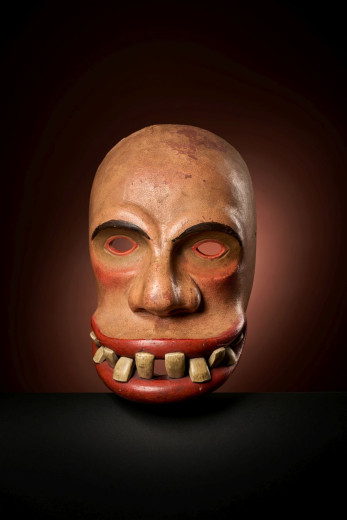
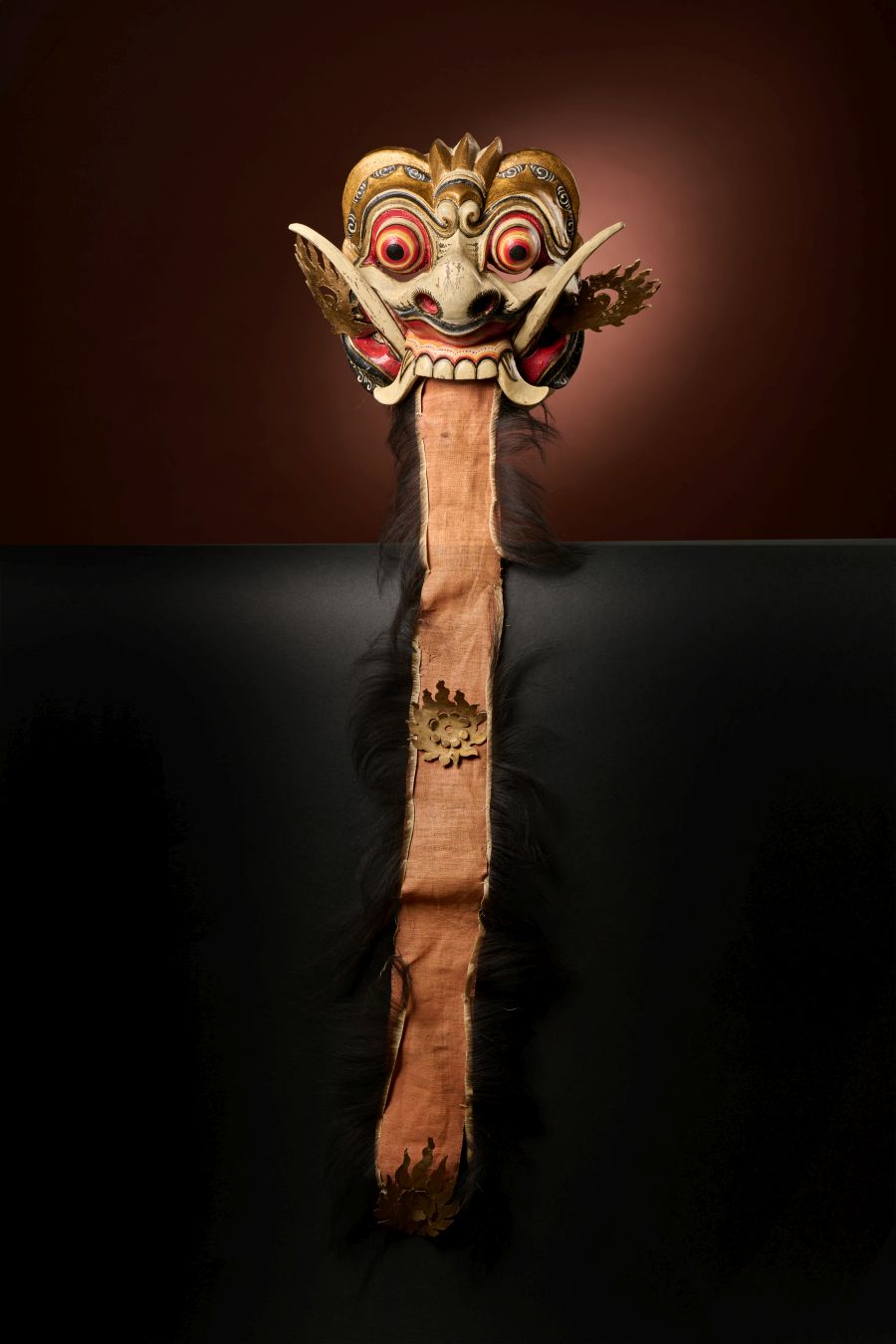
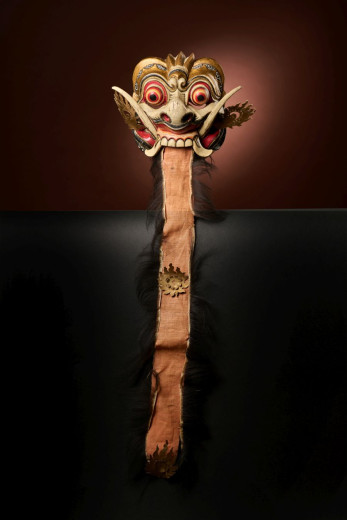 Mask of the Rangda creature, Indonesia, Bali, 20th century, from the SEM collections. Photo: Tomo Jeseničnik
Carnival customs are a living heritage
Carnival heritage in Slovenia serves as a unifying element at the local, regional and national levels. Its greatest significance lies within local communities, where knowledge, roles and the significance of carnival customs are passed down from generation to generation. As carnival customs are a living and evolving component of cultural heritage, they remain an important factor in shaping both identity and community life.
As ethnologist Niko Kuret wrote: "People wish, now and then, to be someone else."
This desire lies at the heart of the Slovenian carnival, once rooted in ritual, today a playful event.
-
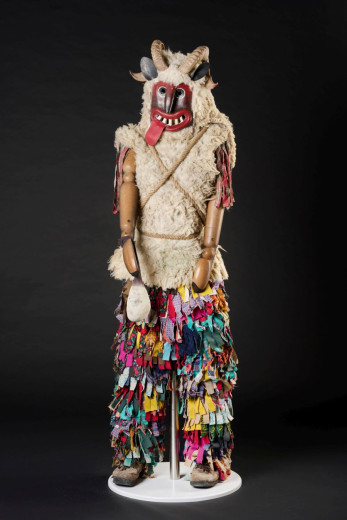 Ta grd (the Ugly Man) mask, Ravenski pustovi (characters from Ravne), Drežniške Ravne, 1985, from the SEM collections. Photo: Tomo Jeseničnik
-
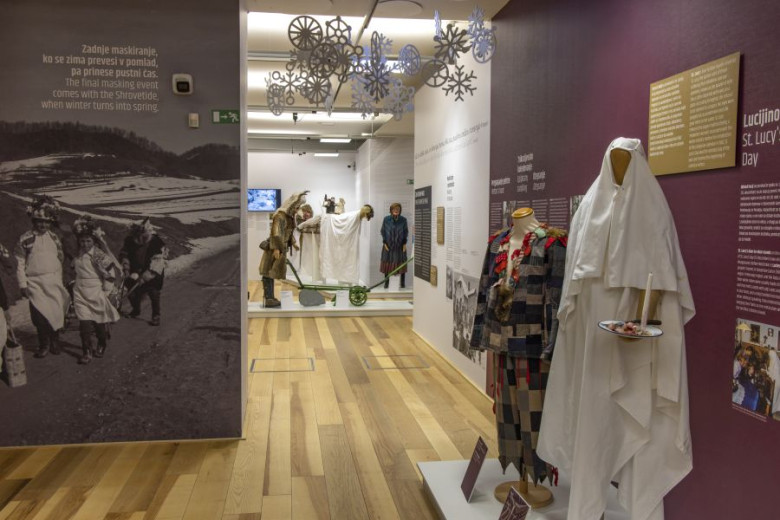 A snapshot from the exhibition, Masks: From Ritual to Carnival. Photo: Jan Simončič
-
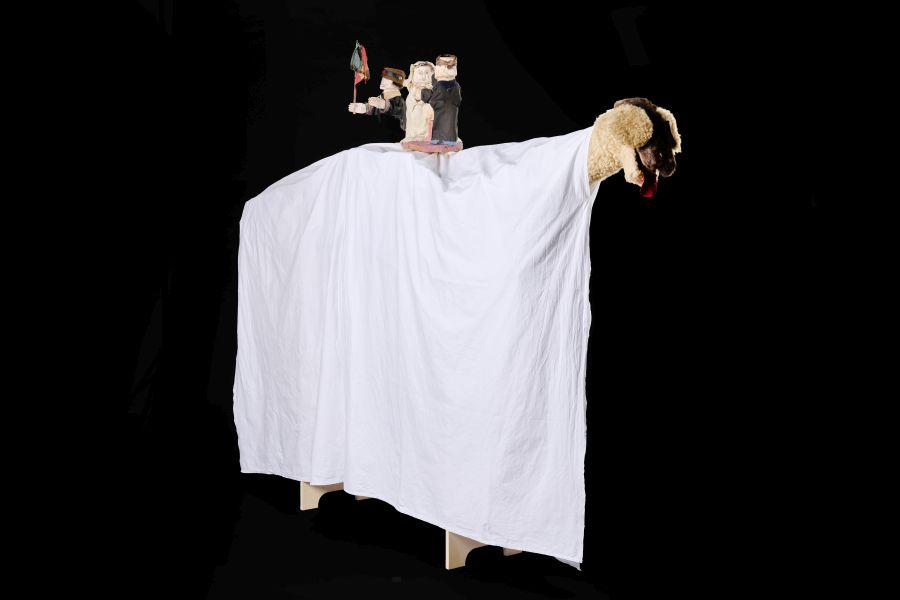
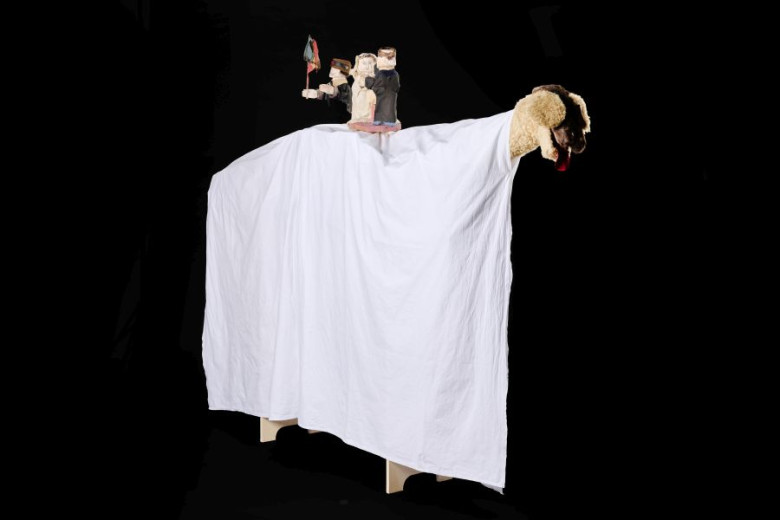 The Rusa mask, Markovci, 1940s, from the SEM collections. Photo: Tomo Jeseničnik