Date: 4. March 2026
Time to read: 5 min
Slovenia is committed to enhancing reading literacy and strengthening the nation’s reading culture. By proclaiming National Reading Day, which is being marked for the first time this year, the state encourages people of all generations to rediscover the joy of reading and to recognise the many benefits of regular engagement with books.
National Reading Day
On 5 March, the Government of the Republic of Slovenia proclaimed National Reading Day. The initiative recognises reading as a fundamental value of Slovenian society and as a fundamental human right.
The inaugural National Reading Day is being held under the slogan Reading is a Joy. On this day, everyone is invited to spend one hour reading.
Reading has been shown to improve memory and concentration, reduce stress and positively affect mental health. Through reading, we nurture many aspects of our well-being and enhance our quality of life.
Manca Košir: a great ambassador of reading
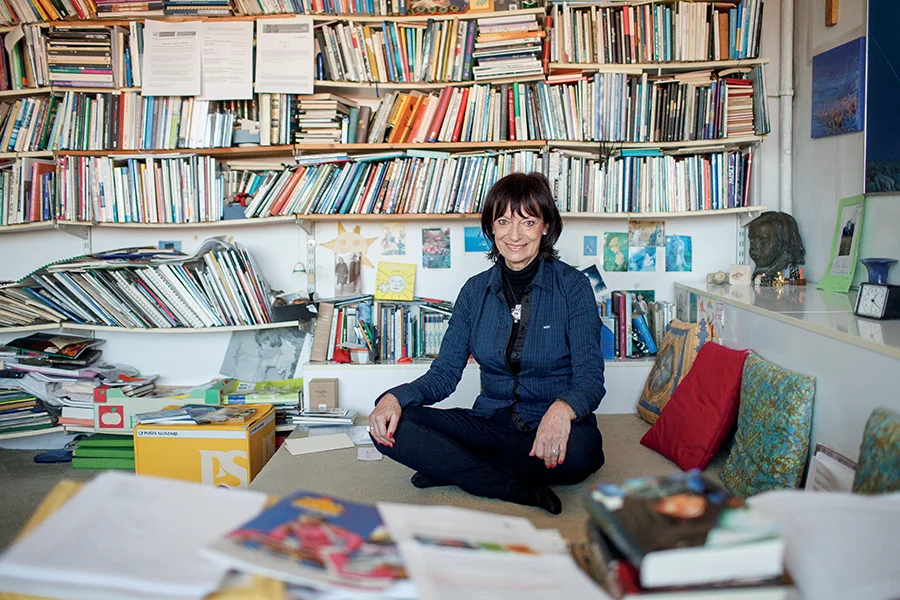
The date was not chosen at random. The date of 5 March marks the birthday of Dr Manca Košir (1948–2024), a Slovenian intellectual, publicist, literary author, professor of journalism and ambassador of reading, who through her life and work embodied the importance of reading in contemporary society.
She was a passionate and widely recognised reader, a facilitator of reading circles and a unifying presence who brought people together around books.
In her writings, she reflected on the meaning of life, the wisdom of ageing, and the significance and power of reading.
"I have always maintained that literature changes the world. I believe that we are all connected and intertwined, that we are all one, and that if words tremble within me, that tremor will also be felt by those around me. It will spread like a quiet fire, one we recognise only once it has burned through the dry grass. After such a fire, the earth is fertile and ready for growth."
-
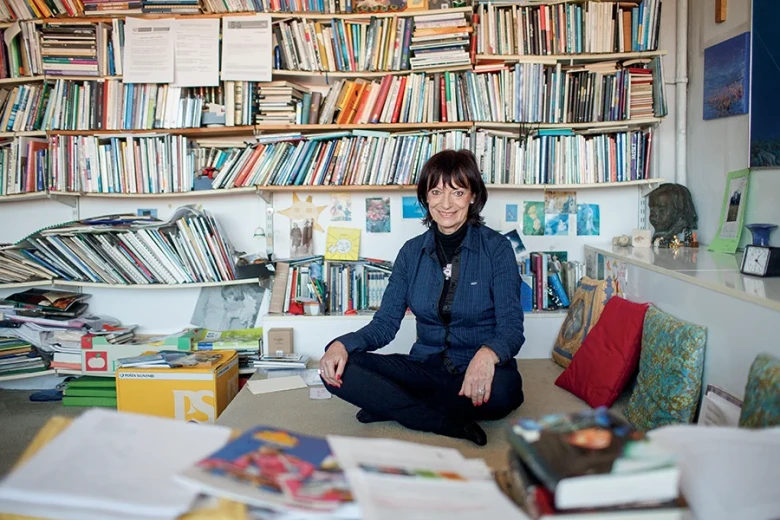 Manca’s love of reading was inspired by her father, a passionate reader and subscriber to numerous book series. As a teenager, she was already reading demanding works such as the novels of Dostoevsky. Later, she found in reading her own space and inner refuge. Photo: Matjaž Rušt
Reading habits in Slovenia
In terms of the proportion of readers, Slovenia ranks around the European average and among the leading countries in southern and eastern Europe. The survey Knjiga in bralci VII (Book and Readers VII, 2024) shows that 58% of the population read at least one book in Slovenian during the year that was not related to their work or studies. Trends indicate a rise in reading in English, particularly among young people.
Key facts
- The average reader reads eight books per year; on a per capita basis, this amounts to approximately five books.
- Libraries remain popular: almost 20% of the population are members of public libraries.
- Members borrow an average of 50 books annually.
- The average Slovenian purchases 2.4 books per year.
- The average home library in Slovenia contains 92 books.
Adult fiction predominates among genres, followed by manuals, non-fiction and specialist literature.
The photographs below present some of the books that were particularly popular among Slovenian readers in the past year.
-
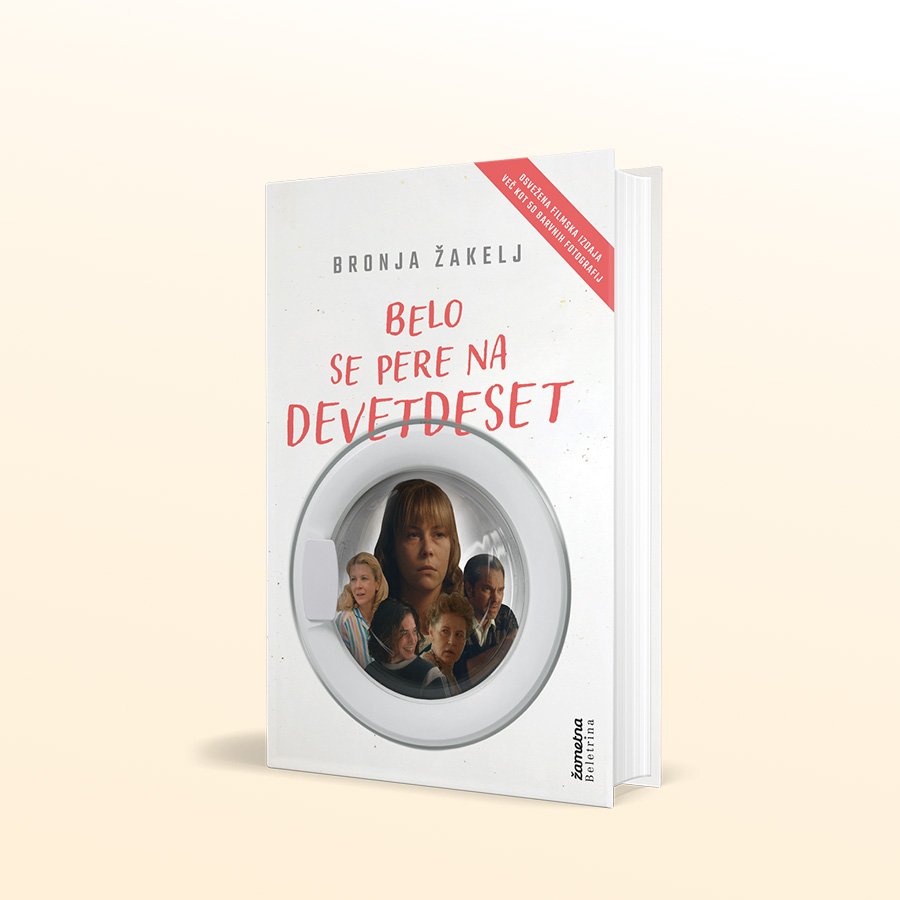
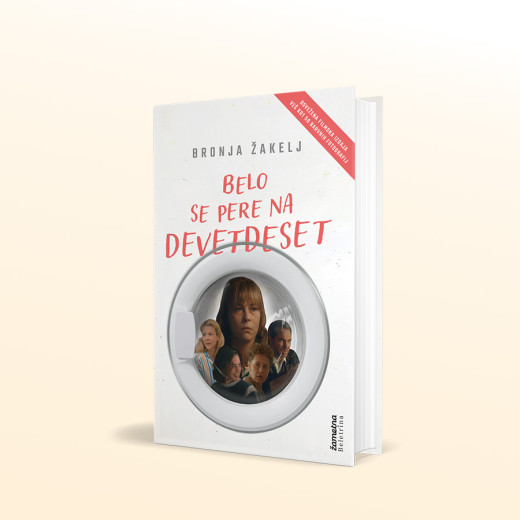 The autobiographical novel Belo se pere na devetdeset (White Wash at Ninety) by Bronja Žakelj tells the story of growing up and confronting loss and illness during the period of former Yugoslavia. The bestselling book in Slovenia has also been adapted into a feature film.
-
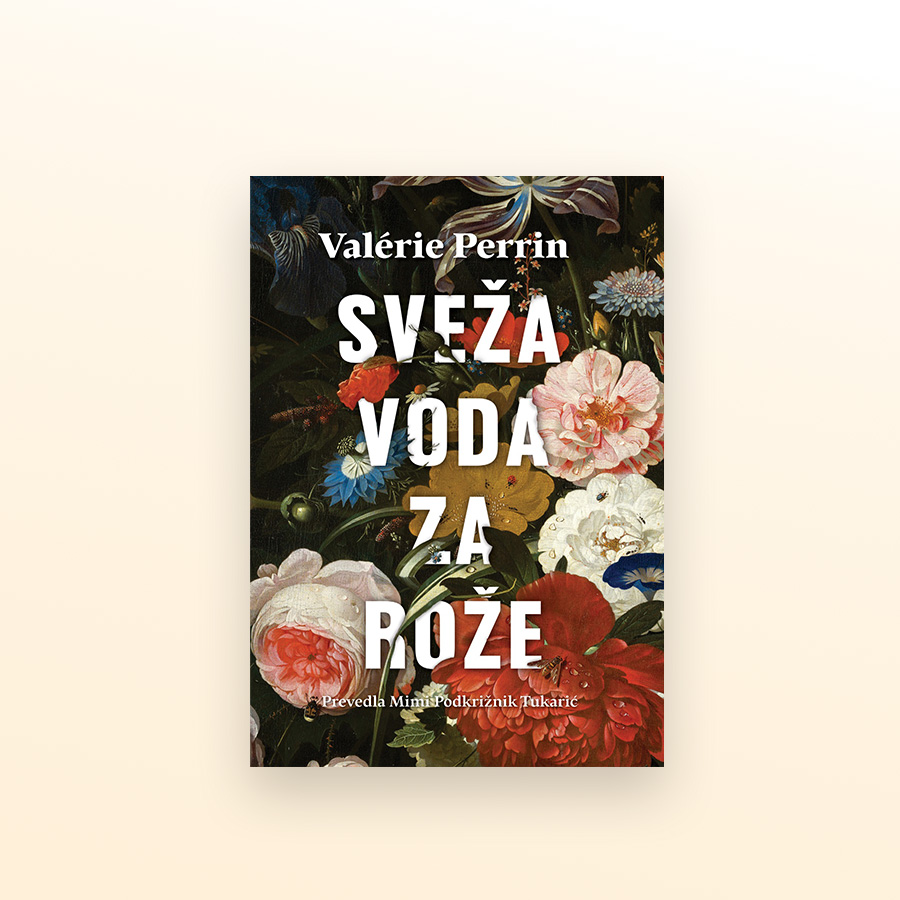
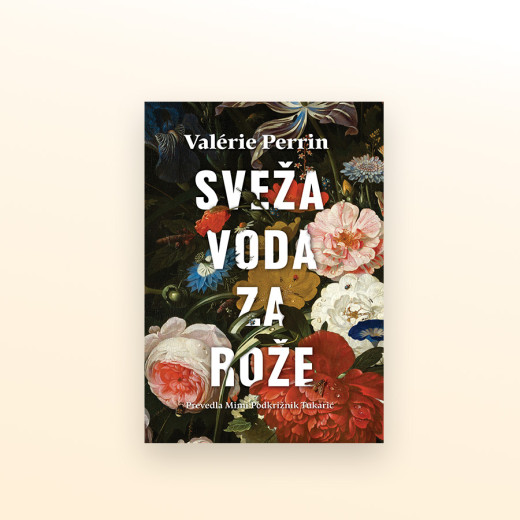 The French novel Fresh Water for Flowers by Valérie Perrin was the most borrowed book among adult readers in Slovenian libraries in 2025. It tells the story of a cemetery caretaker and her quiet search for meaning in life.
-
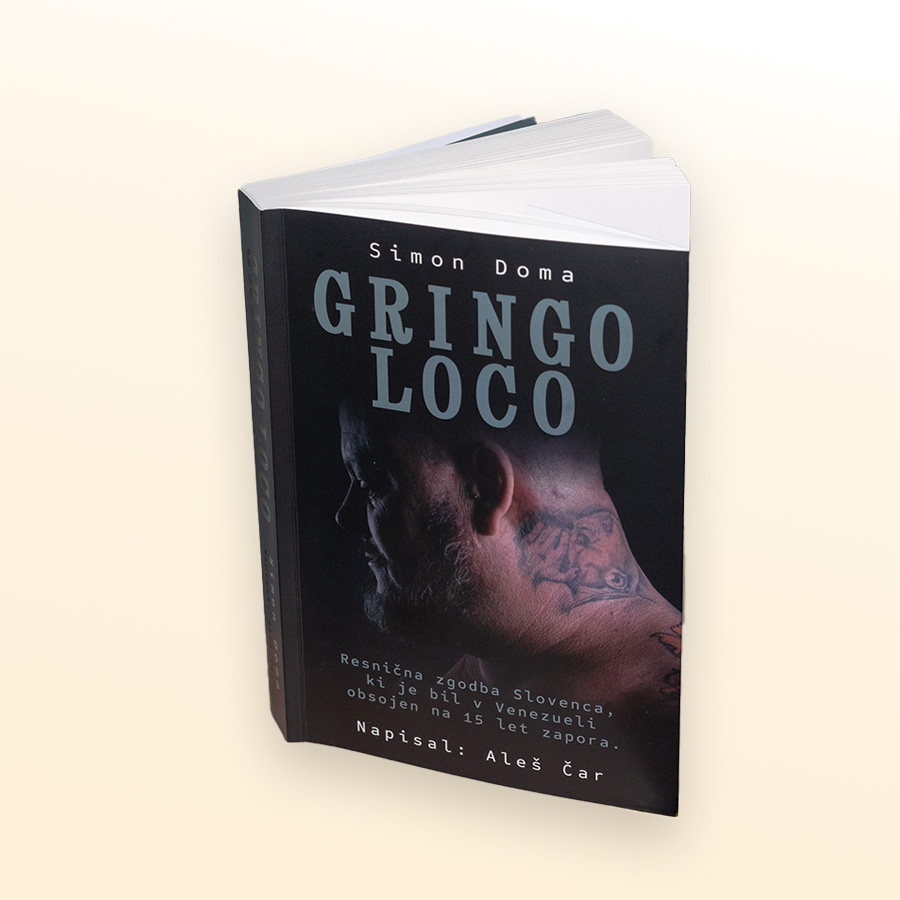
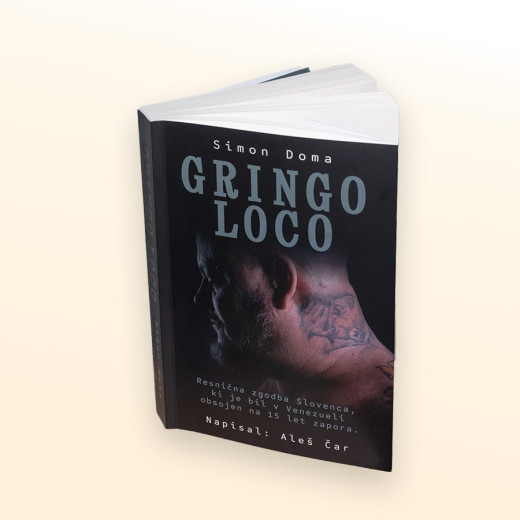 Gringo Loco recounts the true story of Simon Doma, a Slovenian who was sentenced to 15 years’ imprisonment in Venezuela for cocaine smuggling. It is a reflection on how many wrong decisions are made for what seem, at the time, to be the right reasons.
-
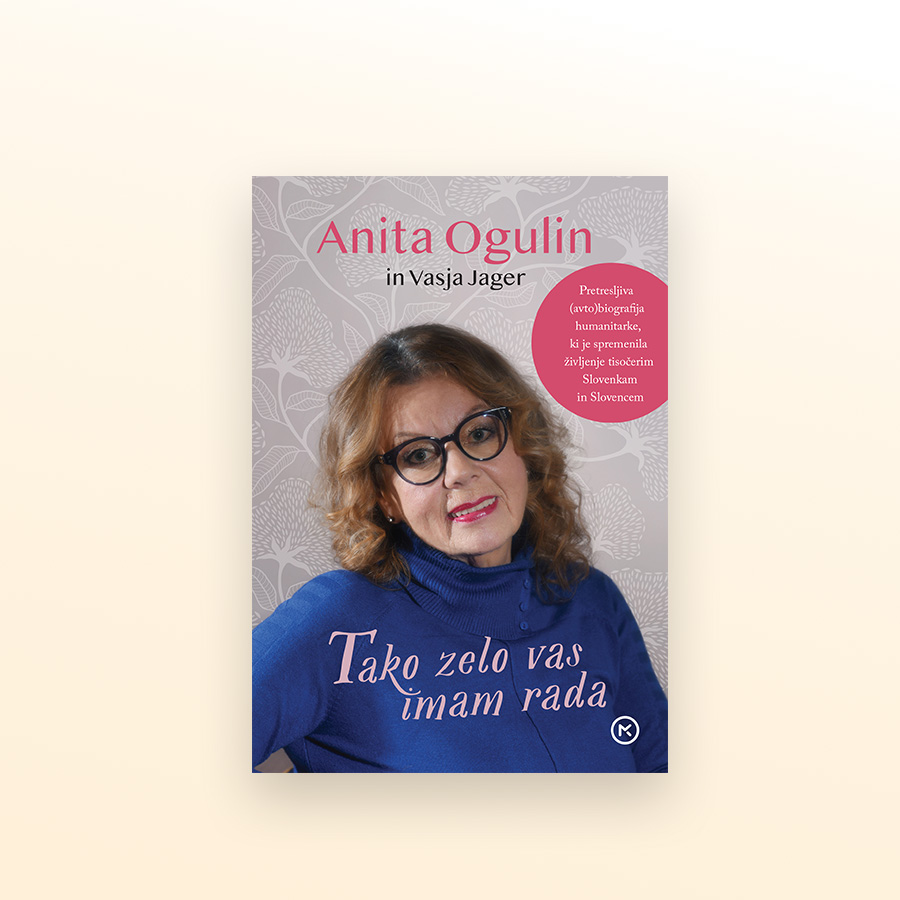
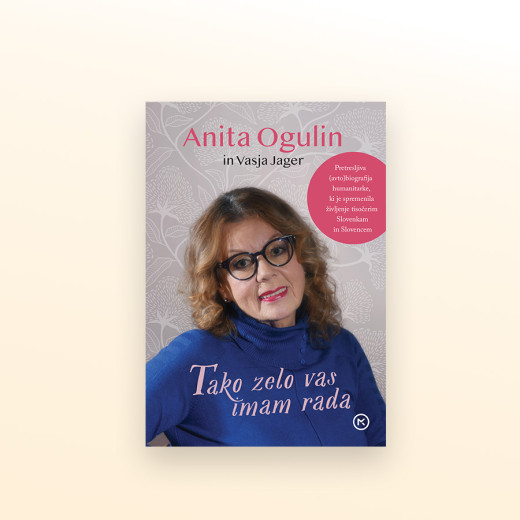 Tako zelo vas imam rada (I Love You So Much) is the autobiography of the humanitarian Anita Ogulin, who changed the lives of thousands of people in Slovenia. The book reminds us what it truly means to be human.
-
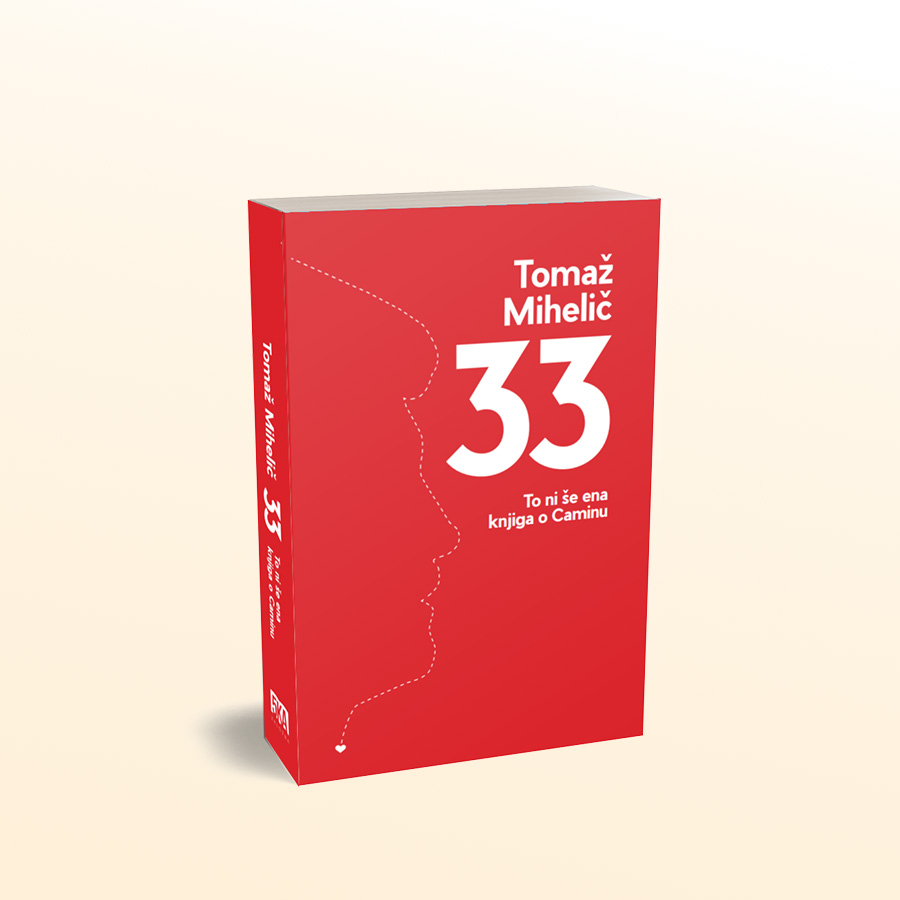
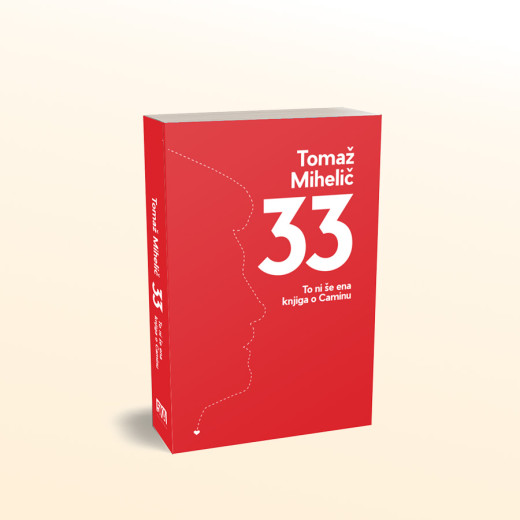 The book 33 dni: To ni še ena knjiga o Caminu (33 Days: This Is Not Another Book About the Camino) by Tomaž Mihelič presents personal reflections from his journey on the Camino. The author challenges the widespread belief that one finds oneself on the Camino, suggesting instead that one may, at most, lose oneself there.
-
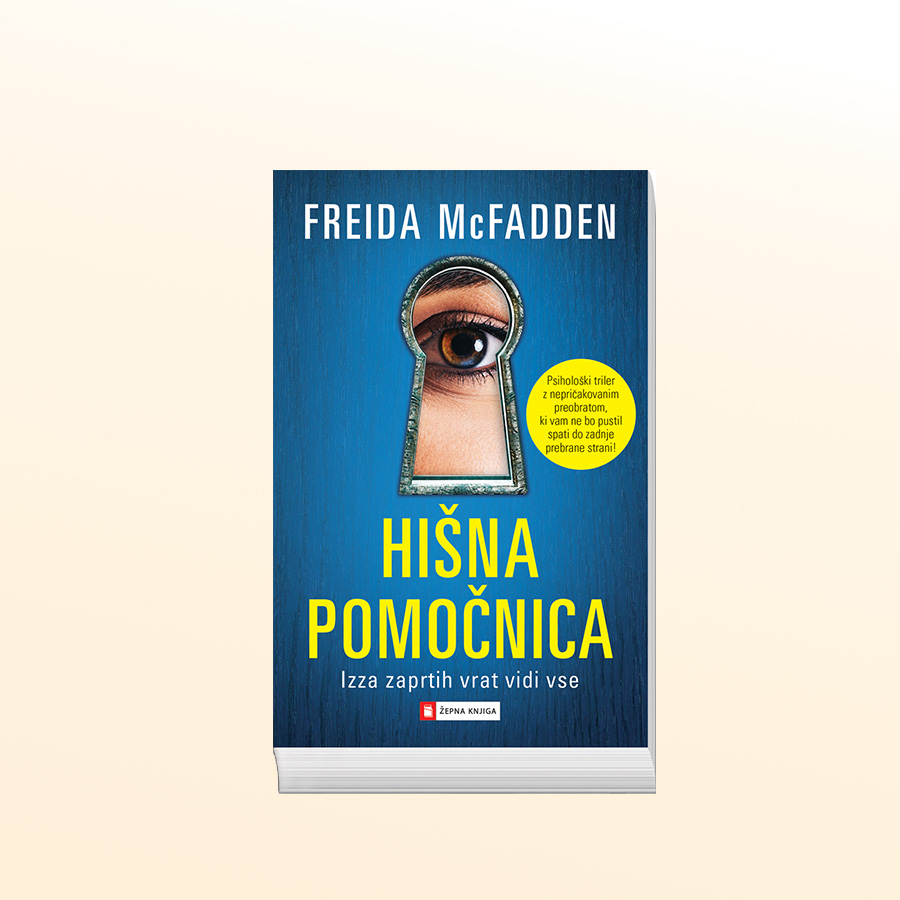
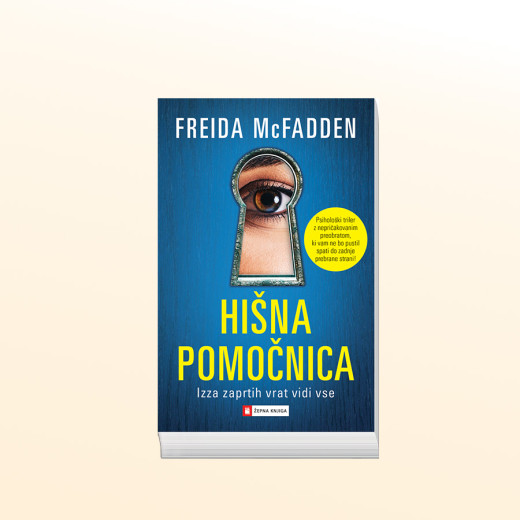 Readers also turned to the gripping psychological thriller The Housemaid by internationally acclaimed author Freida McFadden.
-
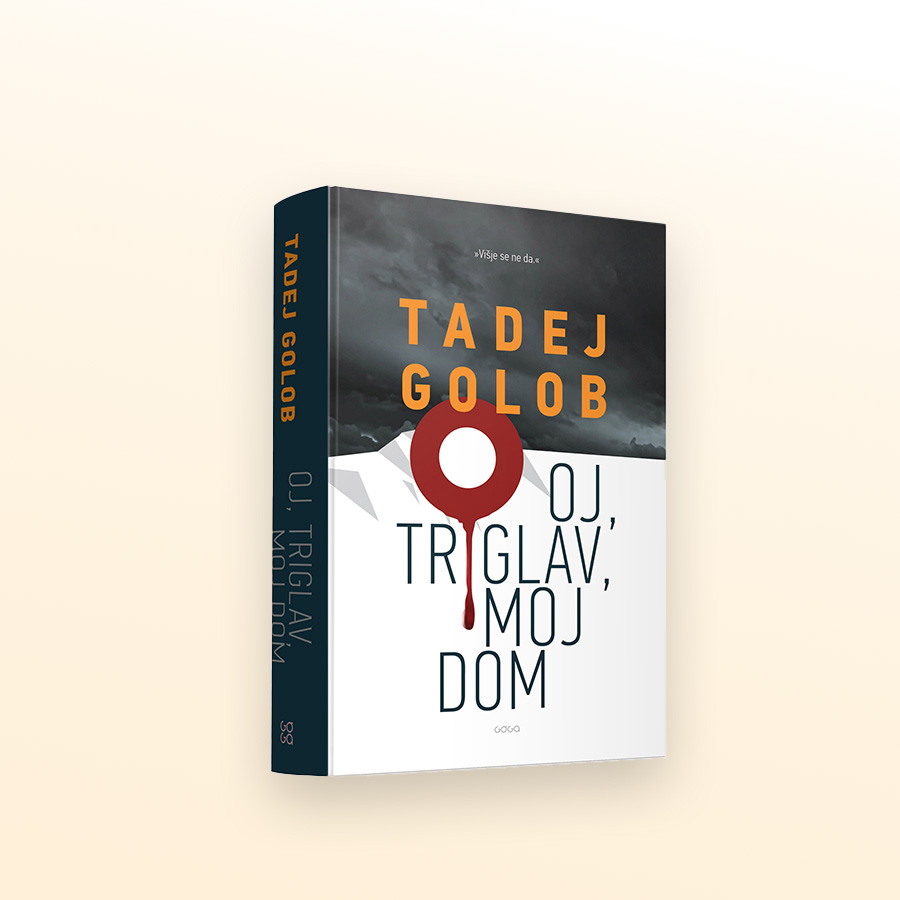
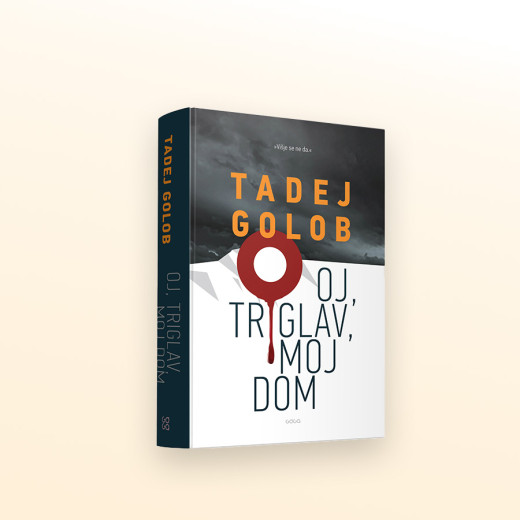 Oj, Triglav, moj dom (Oh, Triglav, My Home) is a crime novel by Tadej Golob. The book forms part of the series featuring Taras Birsa, an experienced inspector at the Ljubljana Police Directorate and a former mountaineer.
-
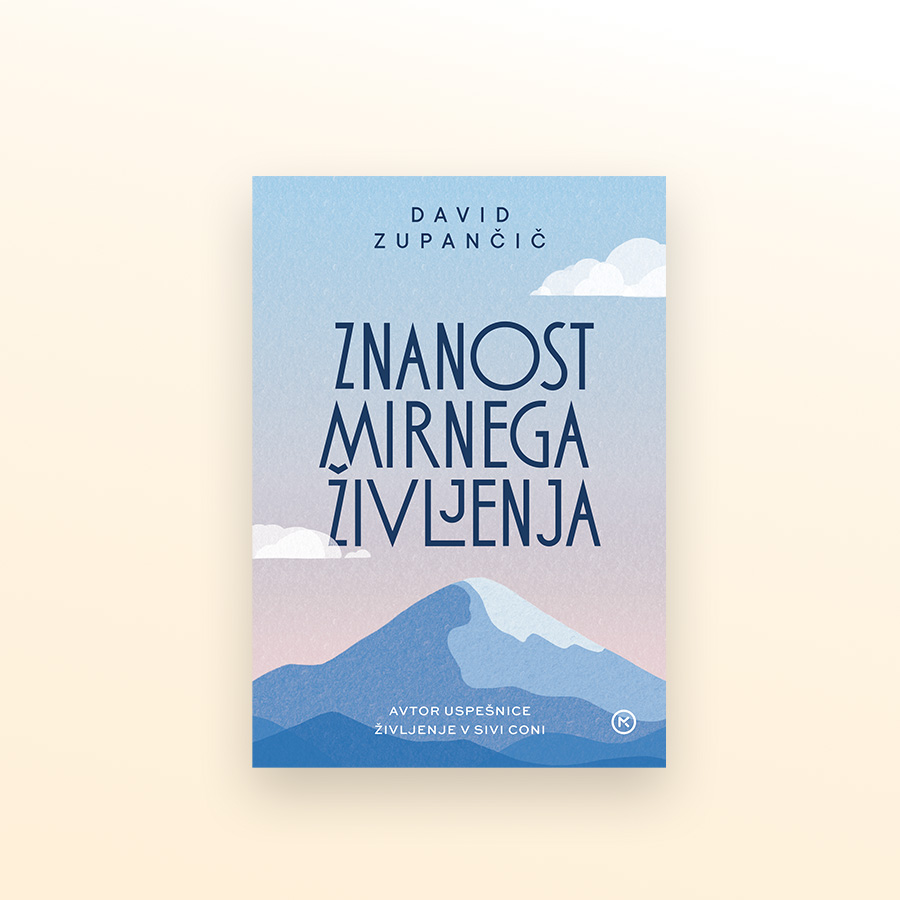
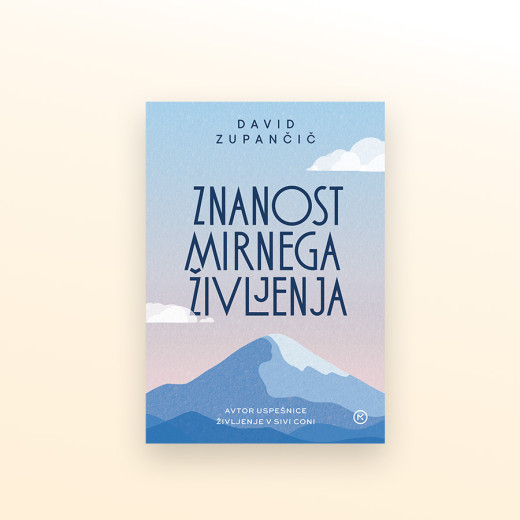 Znanost mirnega življenja (The Science of Peaceful Living) by David Zupančič, a doctor of the younger generation, explores the search for inner peace in a hectic daily life, drawing on the author’s own experience and scientific research.
How to read more
"I don’t have time" is often simply a convenient excuse that reflects our priorities. Fortunately, these priorities can gradually be reshaped through the conscious development of new habits.
Even ten to fifteen minutes of reading per day can amount to dozens of books over the course of a year.
In cooperation with the Slovene Reading Association, a partner of National Reading Day, several practical tips have been prepared:
- Incorporate reading into your daily routine, for example before going to bed or with your morning coffee.
- Always carry a book with you and open it whenever the opportunity arises. In this way, you can make good use of time spent waiting or travelling.
- Choose a book whose subject genuinely interests you — motivation is key.
- From time to time, consider replacing or complementing a printed book with an e-book or audiobook, which may be more convenient while driving, walking or travelling.
- Good examples tend to be followed — surround yourself with people who enjoy reading. You may wish to find a reading companion to encourage one another, exchange views and share recommendations.
- Consider joining a reading group at your local library. Shared reading strengthens a sense of belonging, fosters dialogue and enhances individual reading skills.