Date: 18. February 2026
Time to read: 2 min
At the Slovenia House in Cortina d’Ampezzo, leading representatives of the Olympic Movement, international skiing, and regional communities gathered to address a crucial question: can winter sports survive in the decades ahead without a fundamental structural transformation towards sustainability?
Sports as universal language and a driver of change
The high level discussion on the future challenges facing winter sports and the Winter Olympic Games, opened with introductory remarks by Franjo Bobinac, President of the Slovenian Olympic Committee. He emphasized the importance of engaging younger generations and highlighted sport as a universal language of friendship, excellence, and respect. He also underlined that athletes enjoy a high level of public trust and can therefore be the most effective ambassadors of sustainability, noting that “athletes should be the ones to carry the message of sustainability to the world.”
Participants were also welcomed by Giuliano Vantaggi, representative of the Veneto Region, who explained that sustainability in Cortina d’Ampezzo is already part of everyday life and a core element of the region’s long-term development vision.
-
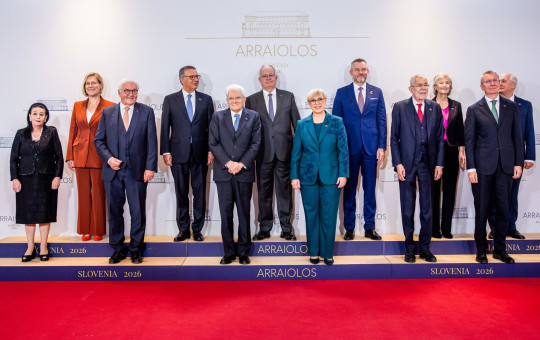
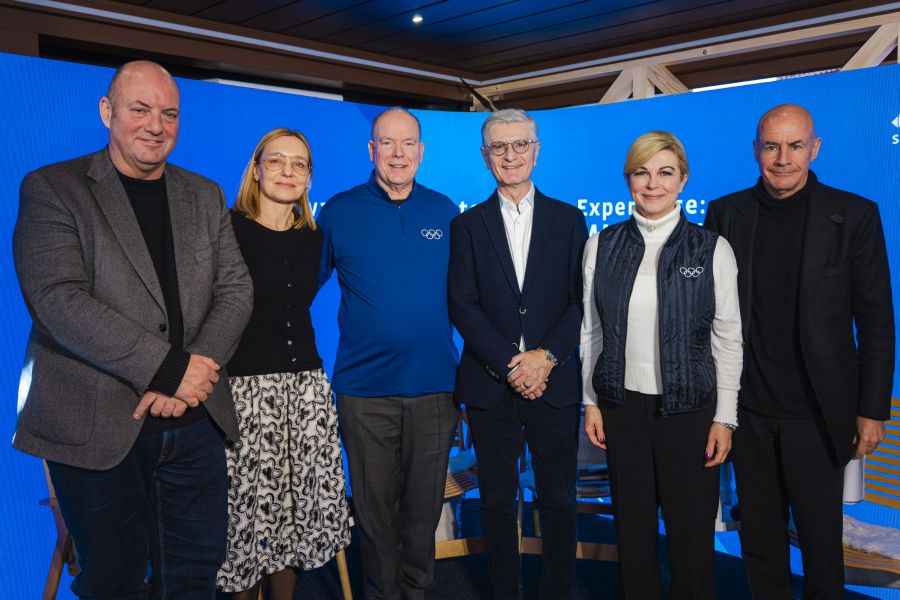
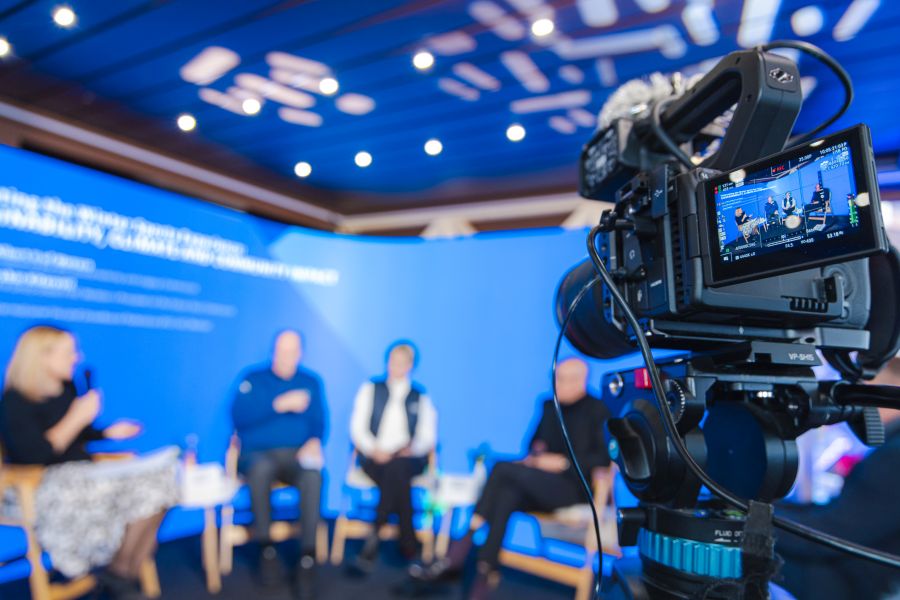
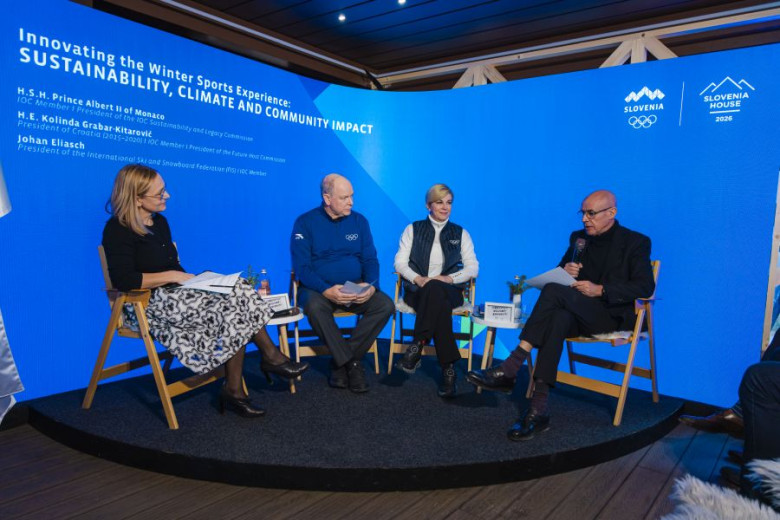 The discussion explored the institutional responsibility of the Olympic Movement and FIS, the climate pressures facing winter sports, the environmental footprint of competition calendars and mobility, and the role and expectations of local communities in shaping sustainable legacy. Photo: Anže Furlan/Olympic Committee of Slovenia
-
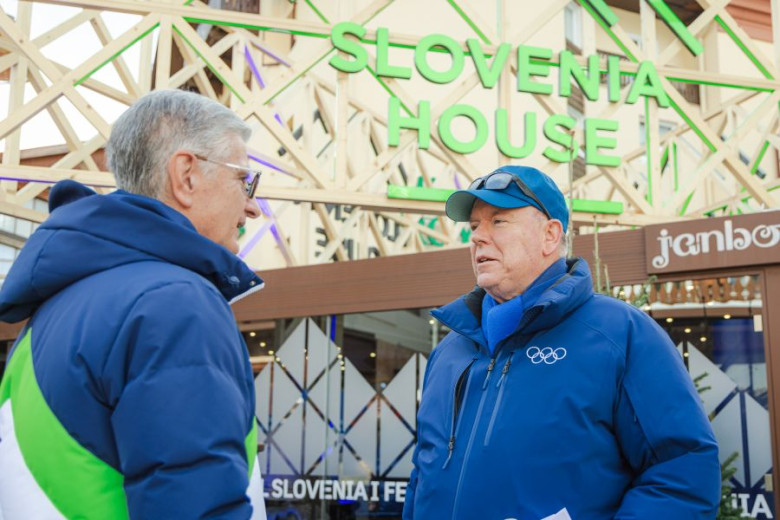 The future of winter sports depends on credible, measurable and community-centred sustainability. Photo: Anže Furlan/Olympic Committee of Slovenia
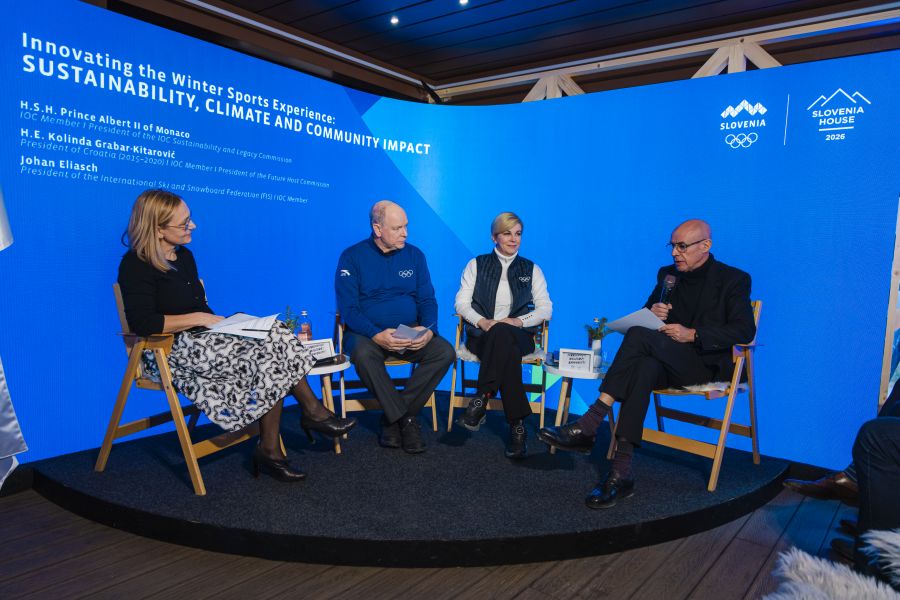
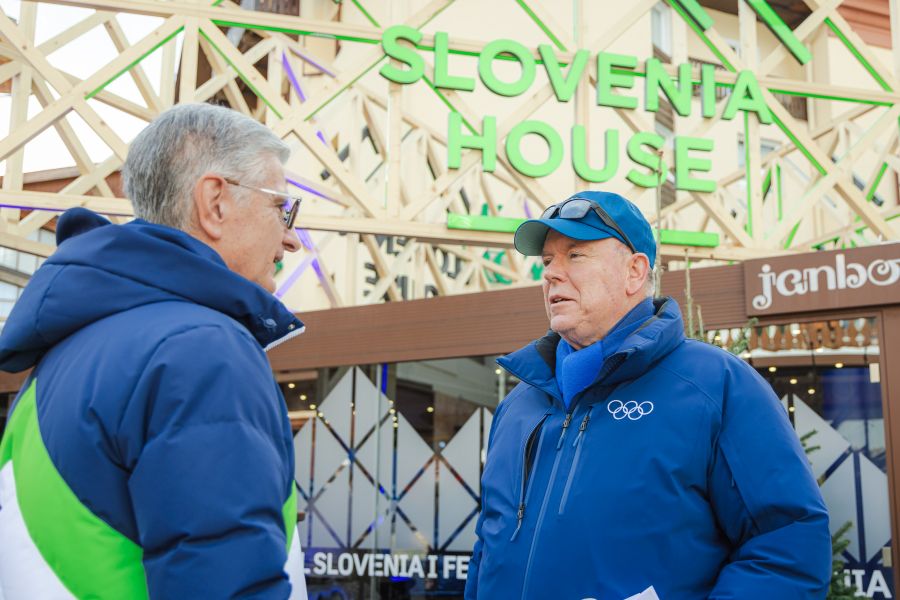
Milano - Cortina as a turning point for the Olympic movement
As a moderator od discussion Dr Alja Brglez, President of the Commission for Sustainability in Sport at the Slovenian Olympic Committee, framed the Winter Olympic Games in Milan and Cortina d’Ampezzo as a potential turning point for the Olympic Movement. She described them as a decisive shift from expansion to adaptation, and from cenztralized hosting to regional cooperation.
Looking ahead to the next decades, Johan Eliasch, President of the International Ski and Snowboard Federation (FIS) and IOC Member, reflected on how winter sports and the Winter Olympic Games might evolve over the next 20 or 30 years. He emphasized the urgent need to protect the planet and highlighted the idea of rotating Olympic venues.
“If we are smart, we can make it work. We will select six to ten venues between which the Olympic Games will rotate. This will eliminate the need to build new venues every time and allow us to use existing infrastructure. The experience of these Games already shows that this is a step in the right direction.”
Prince Albert II of Monaco, IOC Member and President of the IOC Commission on Sustainability and Legacy, reaffurmed that the International Olympic Committee is committed to building a better world through sport. He stressed the organization's responsibility in supporting global sustainability efforts.
“A major success of these Games is that we have already been able to use existing venues and temporary facilities. This is the direction we must continue to pursue in the future,” he said.
Former President of the Republic of Croatia and IOC Member who also serves as President of the IOC Commission for Future Hosts, Kolinda Grabar-Kitarović, emphasized that sustainability is now central to all decisions within Olympic Movement. She highlighted that it has become a key criterion in the selection of host cities.
“Our guiding principle is clear: the Olympic Games must adapt to the hosts, not the other way around. Winter Olympic Games must be organized where conditions are suitable, while protecting the environment and local communities,” she stated.
-
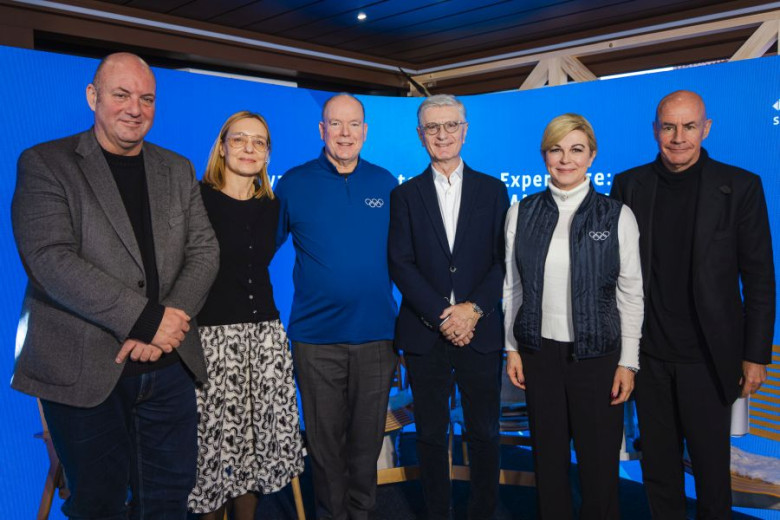 A central theme of the discussion was the dispersed regional hosting model adopted by Milano–Cortina 2026. Photo: Anže Furlan/Olympic Committee of Slovenia
-
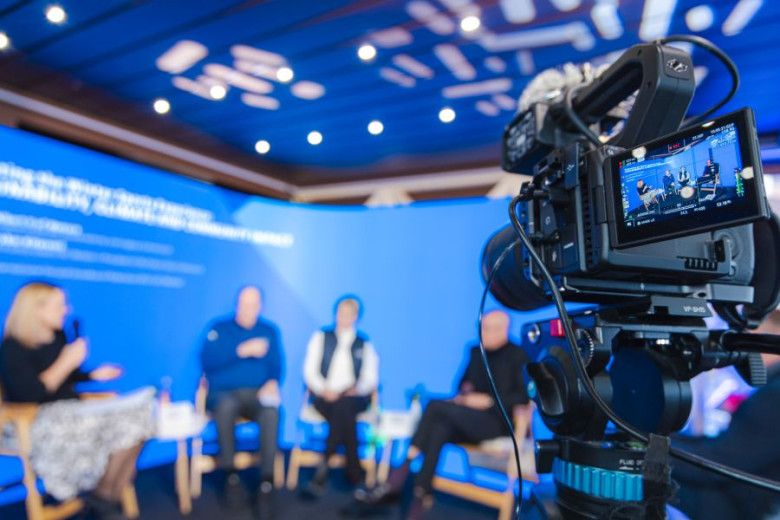 A high-level discussion on the future of winter sports highlighted sustainability, regional cooperation, and the smart use of existing venues. Photo: Anže Furlan/Olympic Committee of Slovenia
The roundtable concluded with a shared view that the future of winter sports will be shaped by smart, long-term, and responsible decision-making. Milano–Cortina 2026 now stands as a genuine test of whether regional cooperation, reduced new construction, the renewal of existing infrastructure, and responsible governance can form a sustainable model for future Winter Olympic Games and help preserve a high quality of life in Alpine regions.