Date: 10. March 2026
Time to read: 2 min
Spring is a time of awakening. As the earth warms, birds begin to sing and flowers gently emerge from the ground, bringing with them a sense of hope, new beginnings and joy. Over the centuries, this season has given rise to many customs connected both with nature and with folk wisdom and creativity.
In Slovenia, these traditions reach deep into the past and reflect the intertwining of pagan beliefs, Christian holidays and local folk practices that have, over generations, changed, disappeared or been reshaped into new forms
Spring customs that are still alive
Even today, the spring season inspires people to celebrate and reconnect with nature. One of the most vibrant traditions is the celebration of St Gregory’s Day, marked in mid-March. This custom symbolises the end of winter and the anticipation of warmer days.
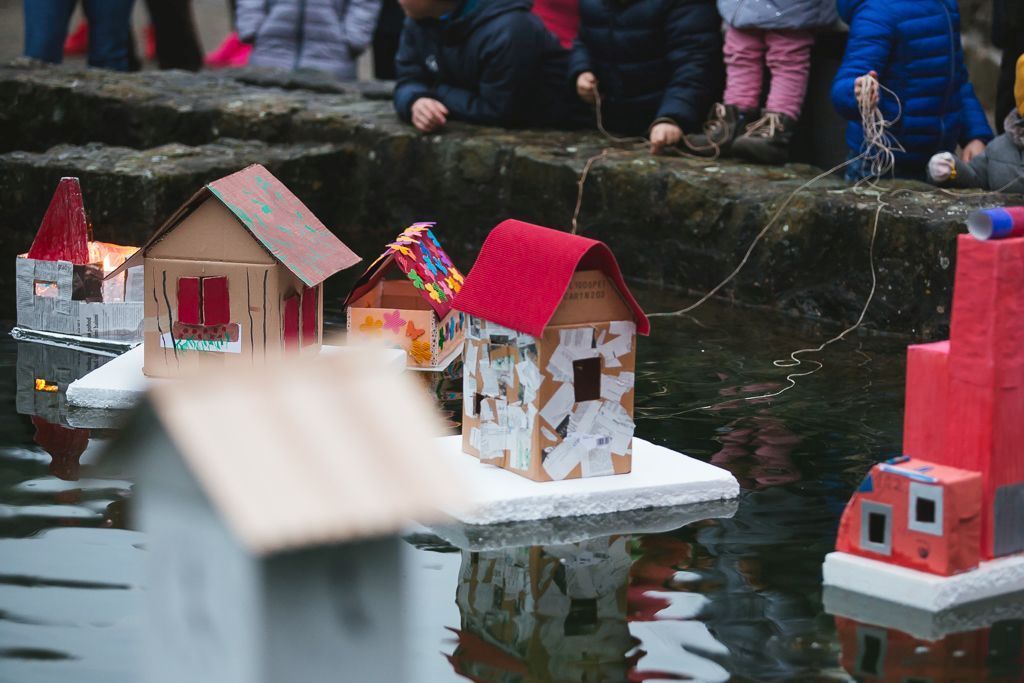
Children and families release small wooden boats with gentle lights into streams, where they drift along the water as a greeting to the returning light and new growth.
On this occasion, people also recall traditional weather sayings associated with this period. It is believed that if peach trees bloom before St Gregory’s Day there will be little fruit, and that after St Gregory’s Day the snow soon disappears, symbolising nature’s transformation from the long winter into the fresh green of early spring.
-
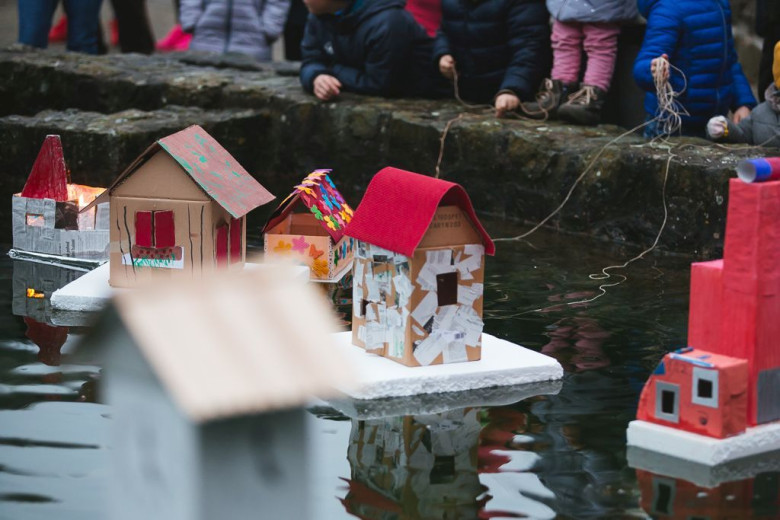 Gregorjevo is a Slavic version of the Valentine's Day, which is linked to an old folk custom announcing that birds are getting married and spring is coming. Photo: Boris Pretnar
The Easter holidays, which follow soon after St Gregory’s Day, also remain strongly present and are perhaps the most widespread of spring customs. Decorating eggs, baking potica and other pastries, and the preparation of special festive dishes remain part of the beliefs and celebrations of many families. Eggs, as a symbol of new life, carry a profound meaning of transition and fertility connected with the spring cycle of nature. The holiday brings together both religious and non-religious elements and, accordingly, holds an important place in the cultural calendar. In spring, attention also often turns to St George’s Day, which is marked at the end of April.
In the past, people decorated their homes with young branches and greenery, believing that this would bring good fortune, health and a plentiful harvest.
Today, these customs are preserved in more symbolic forms, such as walks in nature, flower fairs and various events celebrating the awakening of flora and fauna. Singing and music during spring festivities can still be heard in villages and towns, where young and old alike maintain this connection with nature, which is essential to a sense of community and shared joy.
-
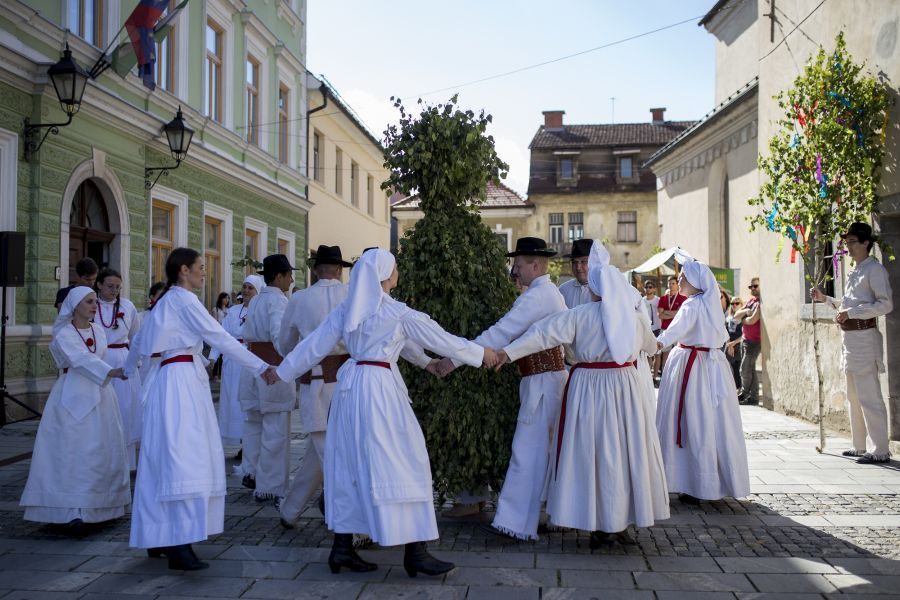
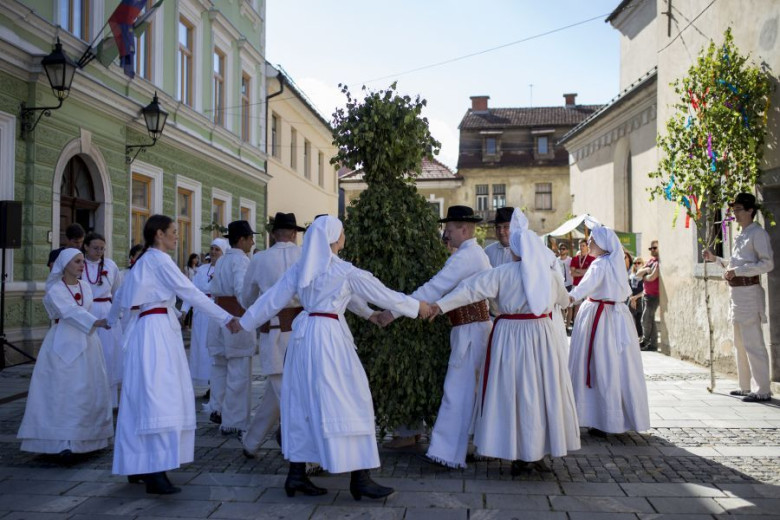 Bela Krajina is known in Slovenia for Green George, the shepherd dressed in birch branches who brings spring every year on 24 April (the feast of St George). The mythical figure of Green George, derived from Slavic beliefs of the pre-Christian era and showing the cyclical nature of life and the year, is still alive and well in Bela Krajina thanks to an ancient ritual. Photo: TIC Novo mesto
Contemporary events, such as flower fairs and nature festivals, offer opportunities for socialising and learning about plants, planting and ecology.
These events, which often include workshops for children and adults, represent a modern interpretation of the long-standing sense of wonder inspired by nature’s awakening.
Many people look forward to the free time they can spend outdoors, observing flowering plants and talking about spring, giving this season a distinctly social and educational dimension.
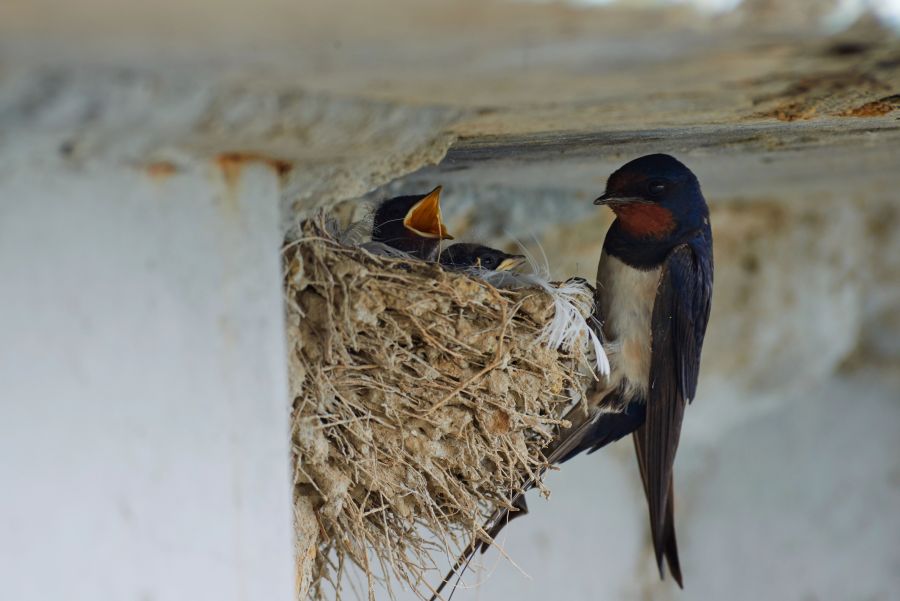
Birds returning from warmer regions become symbols of spring. People have long observed their behaviour, from which folk wisdom has emerged.
As the saying goes, "One swallow does not make a spring".
This reminds us that nature follows its own rhythm and that several signs must be observed before it can truly be said that spring has arrived. Another proverb says: "If March turns green, it soon turns dry". It connects signs in nature with expectations for the summer and reflects a deep understanding of natural cycles shaped by the wisdom of generations.
-
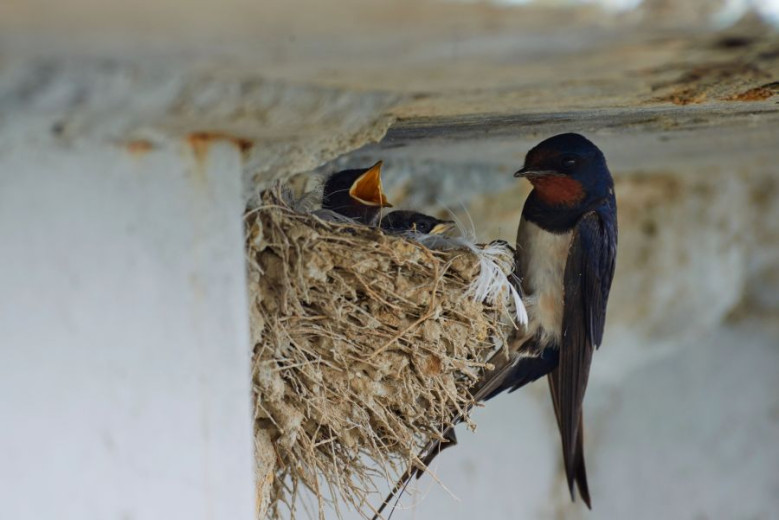 Swallows bring luck and herald the arrival of spring. Photo: Yerbolat/ Depositphotos.com
Extinct and almost forgotten spring rituals
Although many customs continue to live on or have been reshaped over time, some have disappeared or remain only in historical records and in the memories of older generations. One such example is the ritual lighting of large bonfires, which in the past symbolised purification and the banishing of winter. These great fiery symbols of transition were associated with pagan beliefs. Today, however, such customs have almost completely disappeared in most parts of Slovenia and survive mainly as part of folklore performances or organised events.
Another nearly forgotten custom is the special attention once devoted to the fertility of the land.
People performed rituals in which they danced around fields, scattered flowers or recited specific prayers and songs in order to ask for a rich harvest and good health. These rituals, rarely observed today, were once part of the lives of communities that depended directly on natural cycles and the harvest.
Rituals such as sacred sowing and special spring ploughing have likewise disappeared. In the past, farmers would perform various prayers and songs at the beginning of work in the fields, expressing respect for the land and asking for a good harvest. These rituals were often deeply personal and heartfelt, whereas today they have largely been replaced by modern agricultural practices without particular symbolism.
-
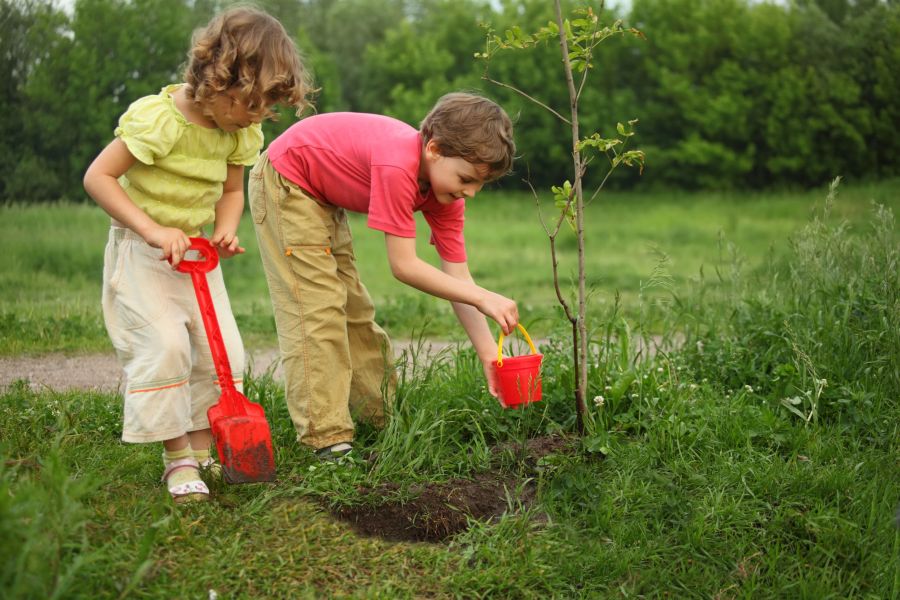
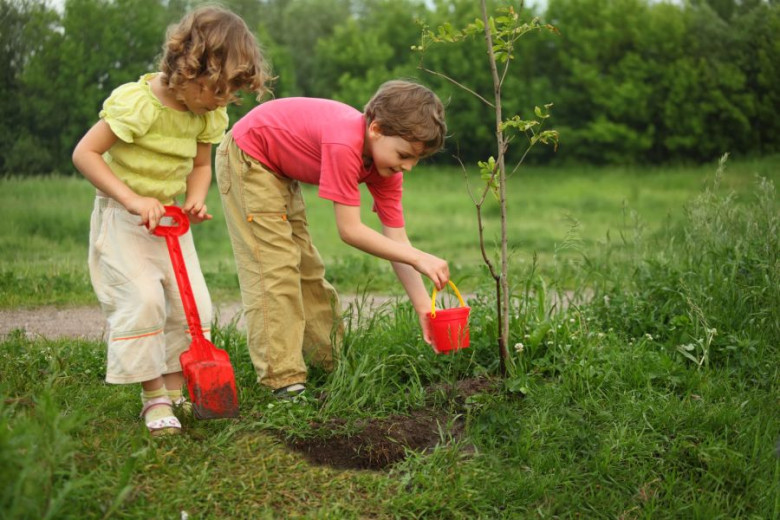 Spring is the perfect season to start a new tradition that’s as enriching as it is fun. Whether you’re sprouting sunflowers on your patio or harvesting salad greens from a garden bed, spring gardening offers a joyful, screen-free activity your child will love. Photo: PahaL/Depositphotos.com
The beauty of the seasonal transition
A journey through spring customs thus reveals the richness of cultural heritage that connects people with nature, the seasons and the community. Customs that are still observed today, such as the celebration of St Gregory’s Day, Easter preparations and flower festivals, remind us of the beauty of the seasonal transition, while almost forgotten rituals preserve stories of how our ancestors once viewed the world.
Spring is not merely a season; it is a symbol of new growth, hope and a shared sense of connectedness across the centuries.
Remembering these customs and proverbs offers a path to understanding our roots and to a deeper awareness of how people, over time, have shaped their relationships with nature and with one another.
-
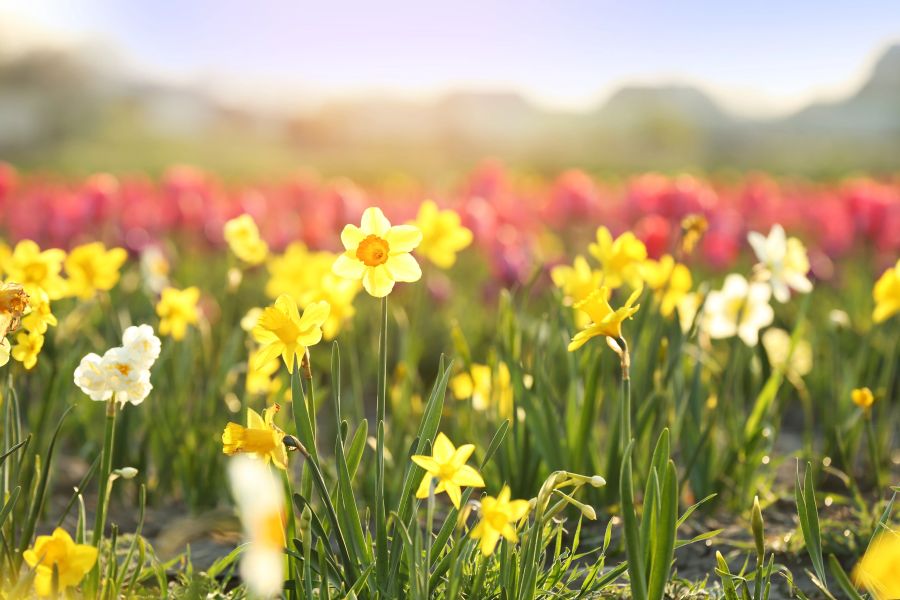
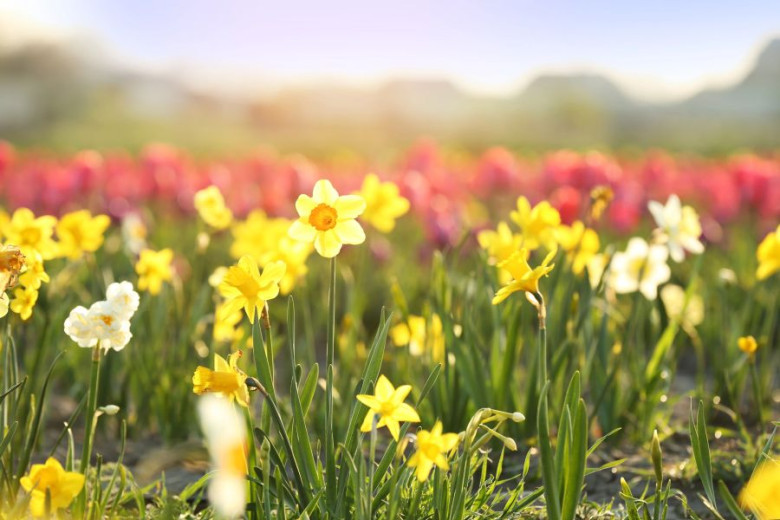 Spring in Slovenia brings a vibrant, sweeping bloom starting with early narciss flowers, hellebores, snowdrops, and purple crocuses. Photo: Depositphotos.com
-
 Spring season in Slovenia is a time of joy. Photo: Konstantin/Depositphotos.com