Date: 21. April 2026
Time to read: 2 min
The Pleterje Charterhouse is, currently, the only functioning charterhouse in Slovenia as well as one of the most recognisable monuments of Slovenia's sacral heritage. It lies in the peaceful surroundings of the Dolenjska region, sheltered by the Gorjanci hills, where, for centuries, it has been known as a place of silence, retreat and spiritual contemplation. Its recent designation as a cultural monument of national importance further confirms its exceptional historical, cultural and spiritual significance.
-
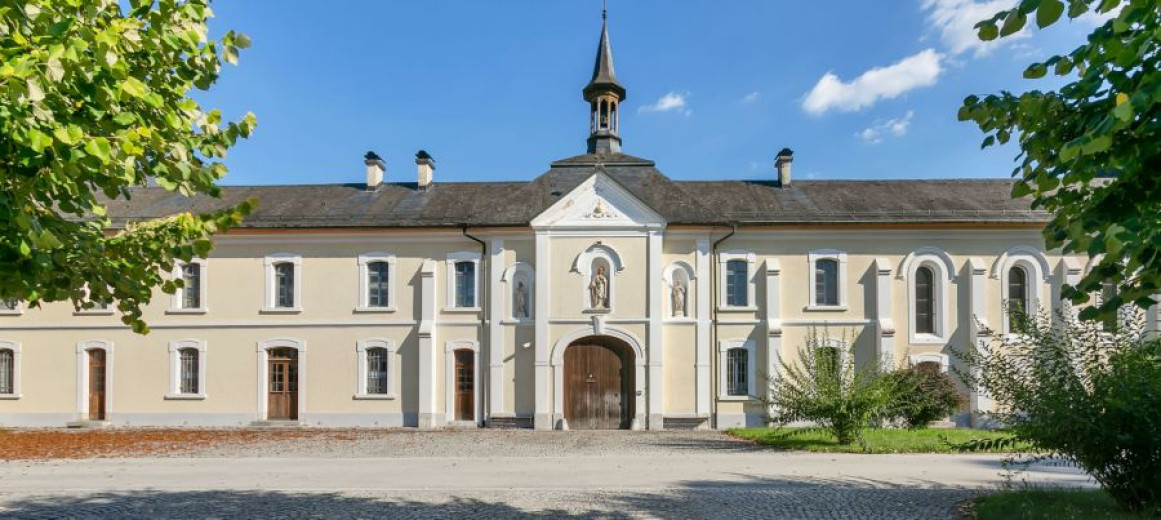 A monastic order with a very strict way of life. The order was founded by Saint Bruno in 1084 in the Chartreuse valley near Grenoble. Photo: Katarina Kovačič/ Municipality of Šentjernej
-
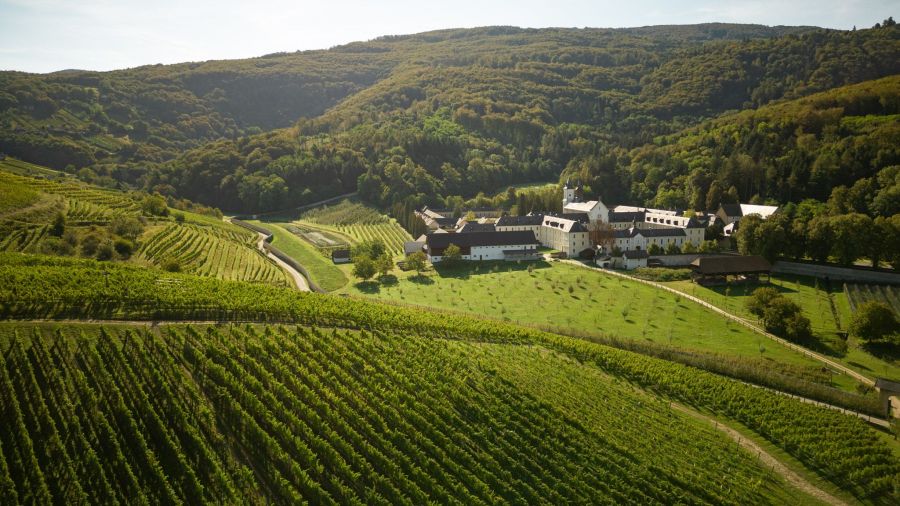
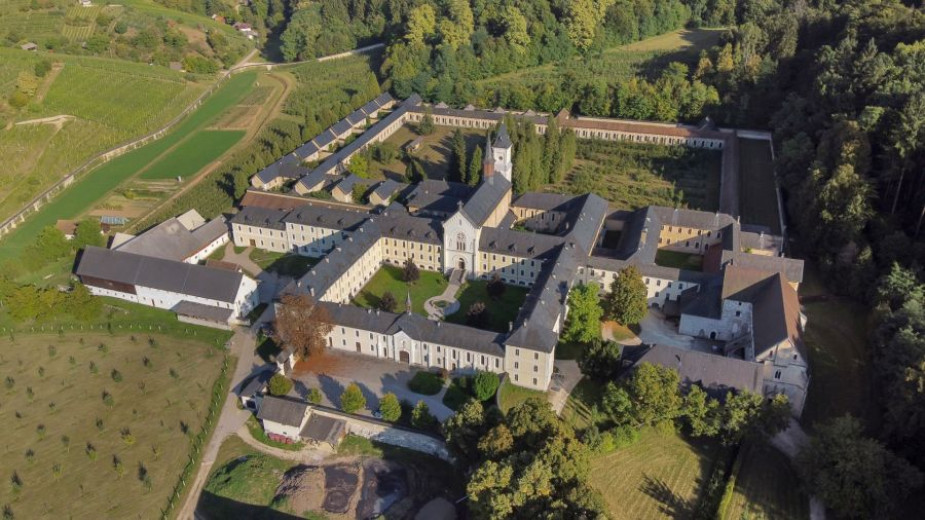 The youngest of the Slovene Carthusian monasteries, that at Pleterje, which was first mentioned as a village in the former manor of Sicherstein in 1368, is located in a quiet valley along the flanks of the Gorjanci hills. Photo: Katarina Kovačič/ Municipality of Šentjernej
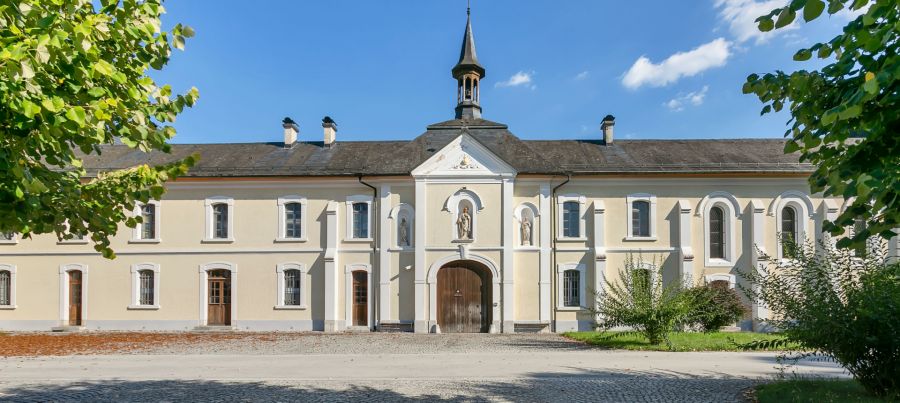
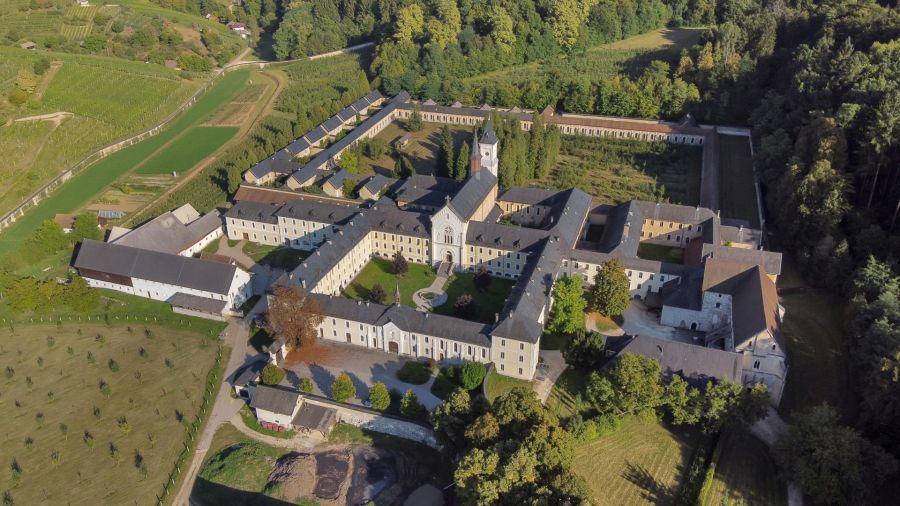
The Carthusians belong to of one of the strictest Catholic orders founded by Bruno of Cologne in 1084. Their way of life combines monastic community with hermit-like solitude. Each monk lives in his own cell, where he prays, works and reflects, while communal gatherings are largely limited to liturgy. Over the centuries, the Carthusian order has preserved its strict rules, which is why, though small, it remains highly respected.
Four charterhouses were established in the area of present-day Slovenia in the Middle Ages: Žiče, Jurklošter, Bistra and Pleterje.
These institutions had a significant influence on the spiritual, cultural and economic life of the region, but only Pleterje has survived to the present day.
-
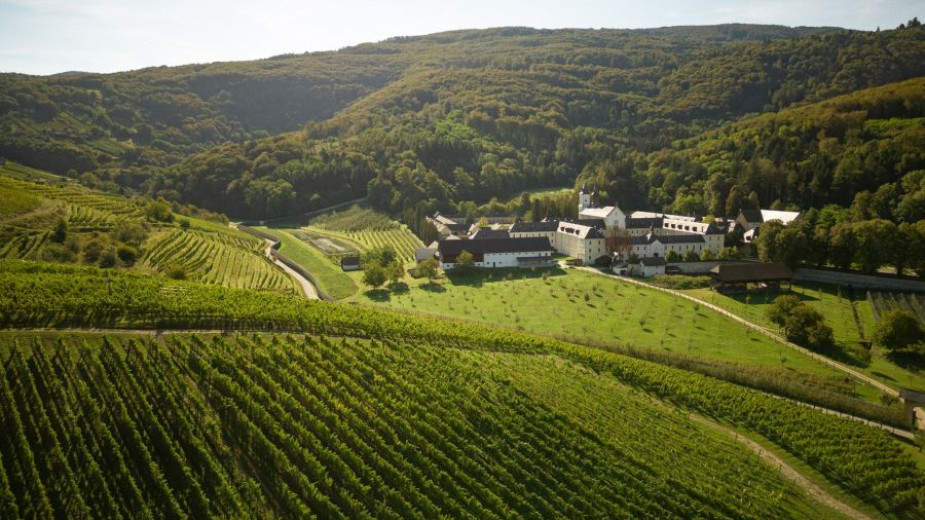 The history of the Charterhouse, and thus its appearance today, is marked by two periods; the Mid dle Ages, when the Carthusian monastery was founded, but was then dissolved in the 16th century; and the period of the new Carthu sian monastery, when in 1899 the Carthusian order repurchased their former Pleterje estates and built a new monastery. Photo: Katarina Kovačič/ Municipality of Šentjernej
The history of the charterhouse
The Pleterje Charterhouse was founded by Herman II of Celje, one of the most influential nobles of his time. The foundation charter of 1407 marks the beginning of organised life in the monastery, which was completed in the following years, while the monastic church was completed around 1420.
The monastery reached the height of its prosperity during the reign of the Counts of Celje. After the death of Ulrich II of Celje in 1456, however, a period of decline began.
Pleterje was affected by Ottoman incursions, and in 1471, the monastery was burned to the ground. It was later rebuilt and fortified, but the situation left its mark.
In the 16th century, Carthusian life came to an end as the monastery was taken over by the Jesuits. For almost two centuries, the monastery stood without Carthusians, until they returned from France at the end of the 19th century and began its restoration. By 1904, the monastery had been revived, with the Gothic church remaining as the principal remnant of the old charterhouse.
The monastery was also damaged during the Second World War, but afterwards, it flourished again, retaining its role as a spiritual centre.
-
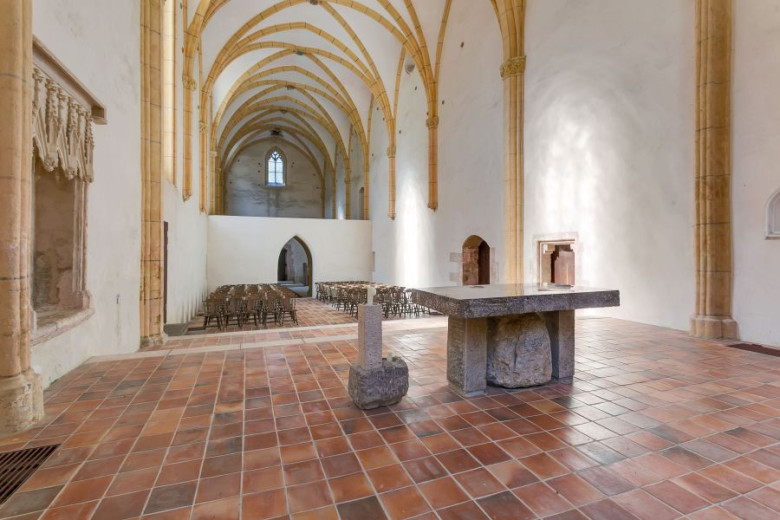 In 1413, two altars in the brothers' choir were conse crated, which shows that the church was already standing, and the high altar was consecrated by Herman's illegitimate son, Her man, the Bishop of Freising, in 1420. It is clear from the sources that the building of some of the monastery buildings was stili con tinuing in 1427 and 1433. Photo: Katarina Kovačič/ Municipality of Šentjernej
-
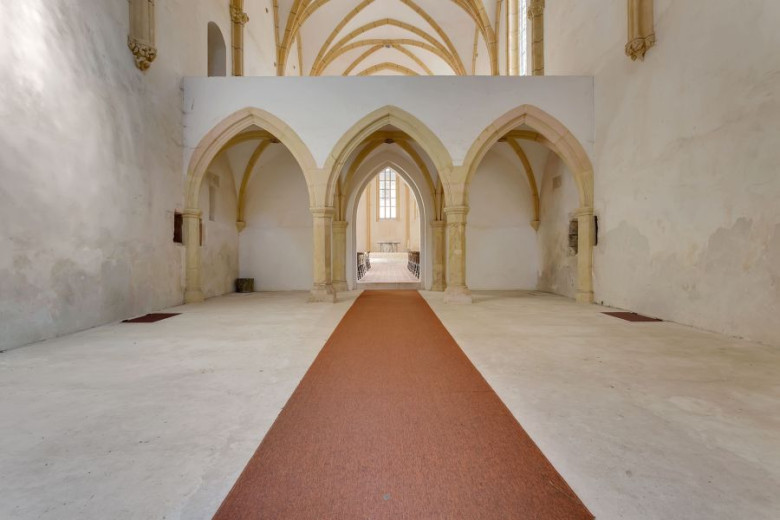 Of the original monastic complex, the church, the two-storey sacristy, and the remains of the cloisters with part of the chapter house and refectory, have been preserved. Photo: Katarina Kovačič/ Municipality of Šentjernej
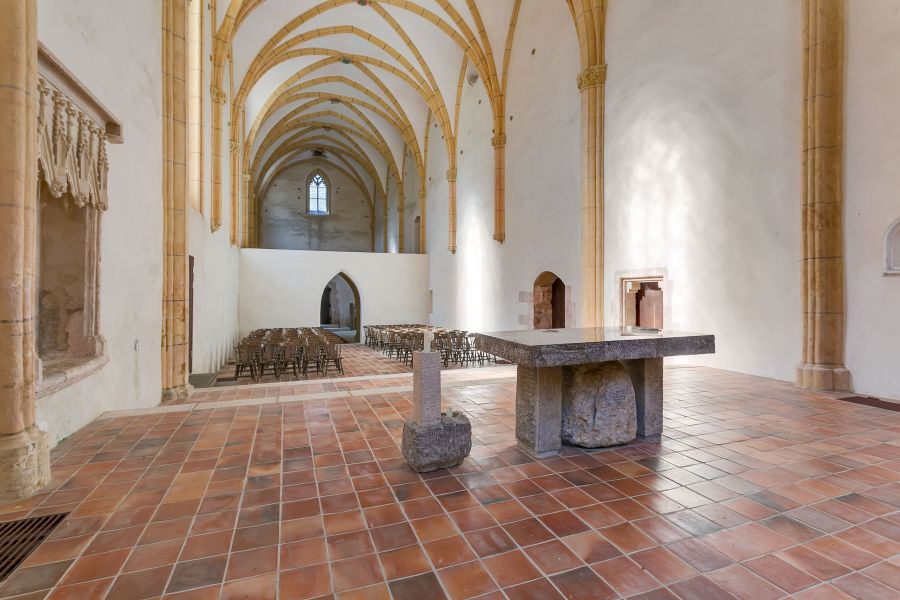
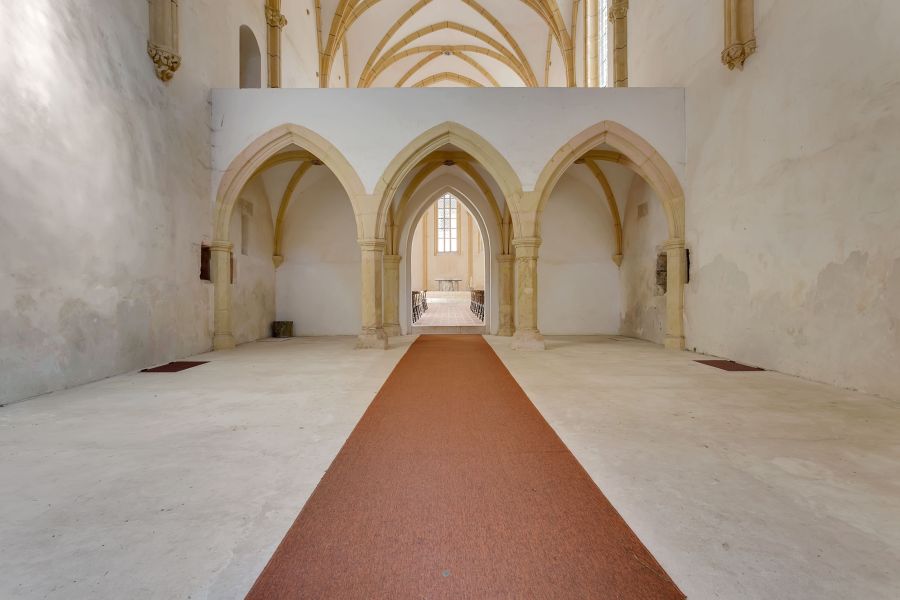
One of the few in the world
Today, there are only about 21 charterhouses in operation worldwide, home to approximately 350 monks and nuns. In Pleterje, there are about 15 Carthusians still following the strict rules of the order. The monastery remains closed to the public, but its surroundings offer visitors a sense of peace and tranquillity. Regardless, it is possible to view the old Gothic church and open-air museum that depicts life in this area in the past.
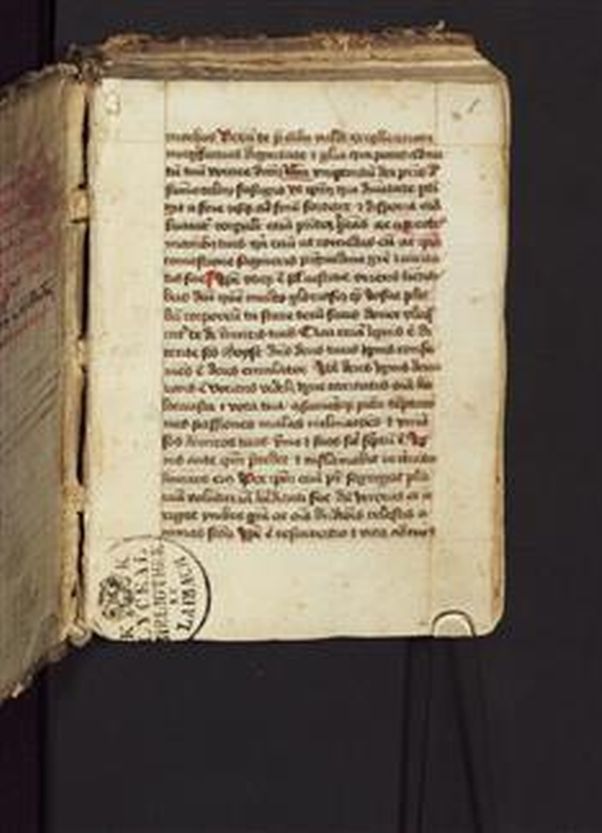
The monastery preserves certain rare books published before 1800, while the National and University Library also holds several manuscripts from the 15th century.
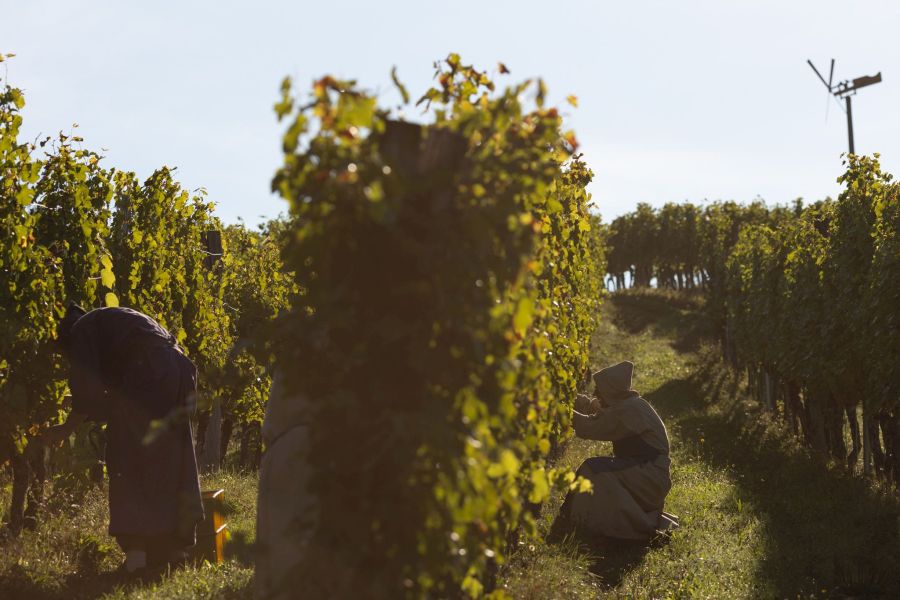
The Carthusians also continue to be engaged in economic activities. As such, they cultivate vineyards and orchards and practise beekeeping. They are particularly well known for Pleterje pears, which ripen in the bottle as well as for a herbal liqueur made from a variety of plants.
-
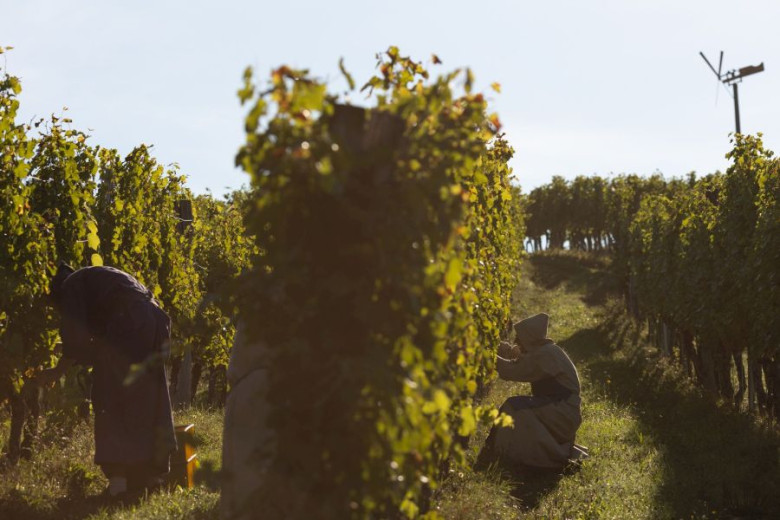 The Carthusians cultivate vineyards and orchards and practise beekeeping. Photo: Katarina Kovačič/ Municipality of Šentjernej
Silence is also a virtue
The Pleterje Charterhouse thus remains not only an important cultural monument, but also a vibrant centre of spirituality. Considering the fast pace of our lives, it serves as a valuable reminder of the importance of silence, inner peace and a profound approach to life.
-
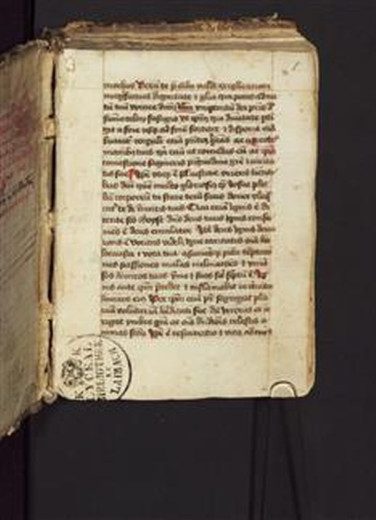 When the monastery was dissolved in 1595, the Carthusians handed over the library to the Jesuits in Ljubljana. It was destroyed in a great fire in 1774. Only two 15th-century codices were saved. Today, the monastery houses approximately 5,000 items published before 1800. Photo: wikipedia