Date: 23. March 2026
Time to read: 2 min
The Škofja Loka Passion Play is based on the original work of Father Romuald, Lovrenc Marušič, dating from the early 18th century, and is regarded as the oldest preserved dramatic text in the Slovene language. The text of the Škofja Loka Passion Play was developed on the basis of the tradition of Slovene penitential processions. It comprises 865 verses and 13 scenes: Paradise; Death; the Last Supper; Samson; the Agony in the Garden; the Scourging; the Crowning with Thorns; Saint Jerome; Ecce Homo; Christ on the Cross; the Mother of Seven Sorrows; the Ark of the Covenant; and the Holy Sepulchre. This year, it will be staged for the first time since its inscription in 2016 on UNESCO’s Representative List of the Intangible Cultural Heritage of Humanity.
-
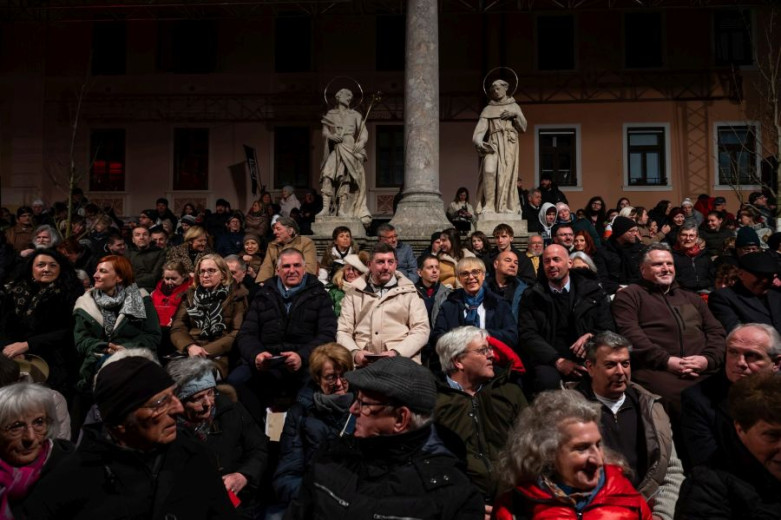 Slovenian President Nataša Pirc Musar attended the premiere of the Škofja Loka Passion Play 2026, highlighting it as a cultural treasure and a symbol of community, collaboration, and generational dedication. She thanked volunteers and locals for preserving and proudly sharing this heritage. Photo: Rok Rakun
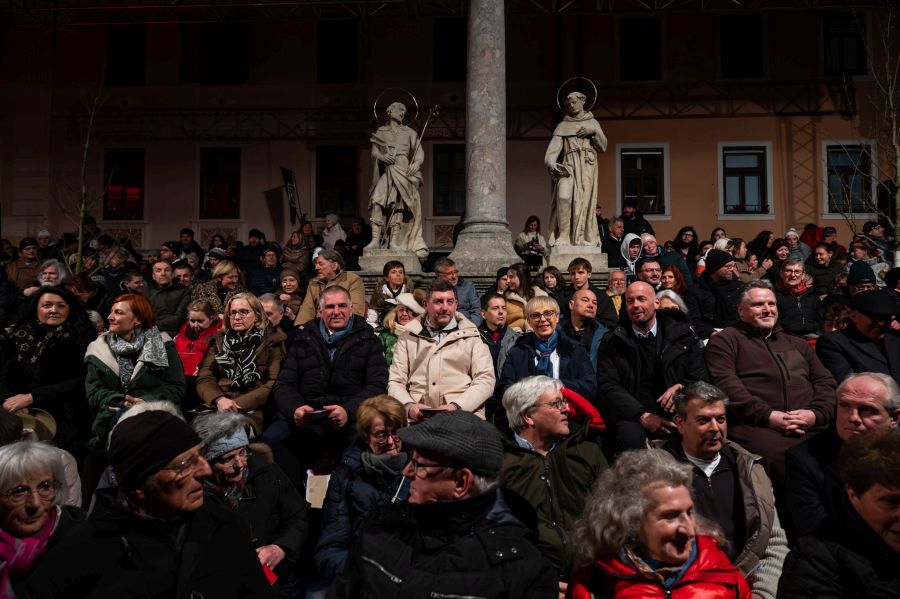
The performance is also the first since the 300th anniversary of the Passion Play, which was due to be celebrated in 2021 but was cancelled due to the circumstances at the time.
This makes this year’s staging a special moment - a link between the past and the future, between respect for tradition and the living pulse of the present day.
The Škofja Loka Passion Play is an exceptional part of Slovenian and global cultural heritage; its continuity over the centuries is its greatest value, which is carefully preserved and passed on to new generations.
-
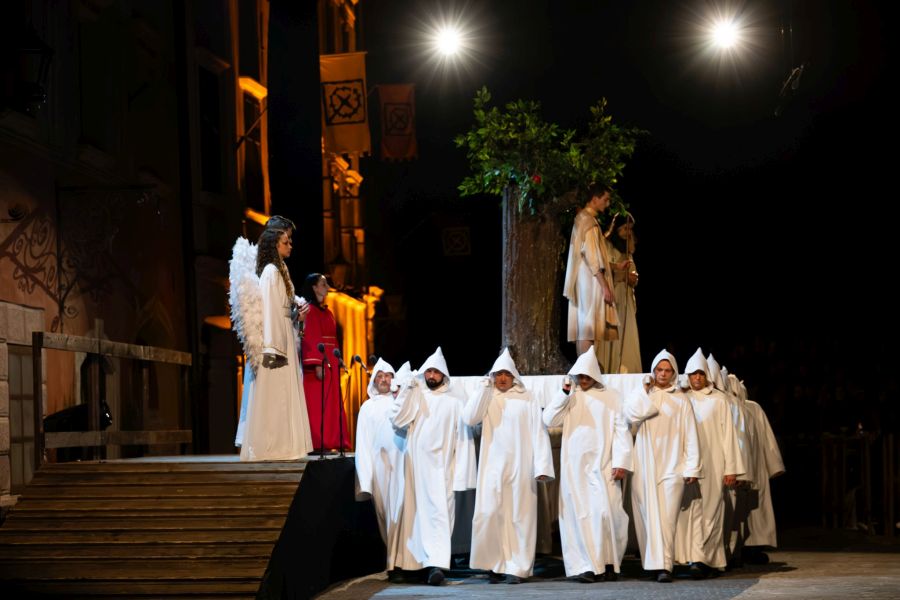
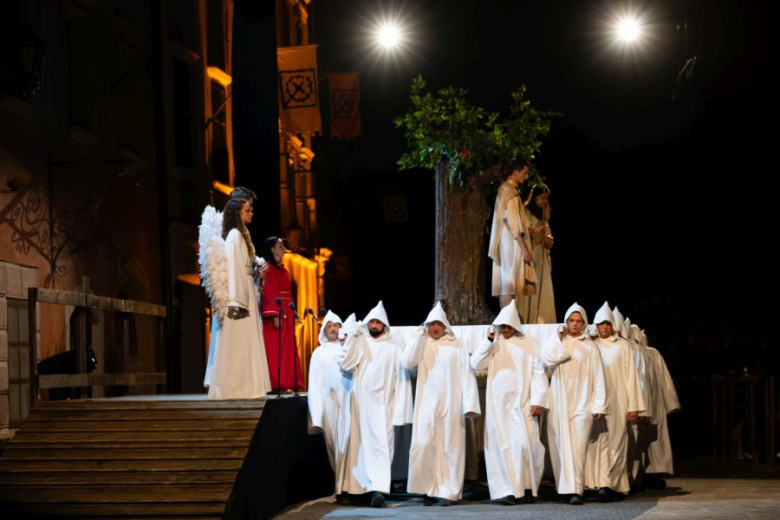 The scene with Adam and Eve shows Paradise, the Tree of Knowledge, and the start of human sin. It symbolizes vulnerability, temptation, and the choice between good and evil, introducing the story of redemption in the Škofja Loka Passion Play. Photo: Rok Rakun
-
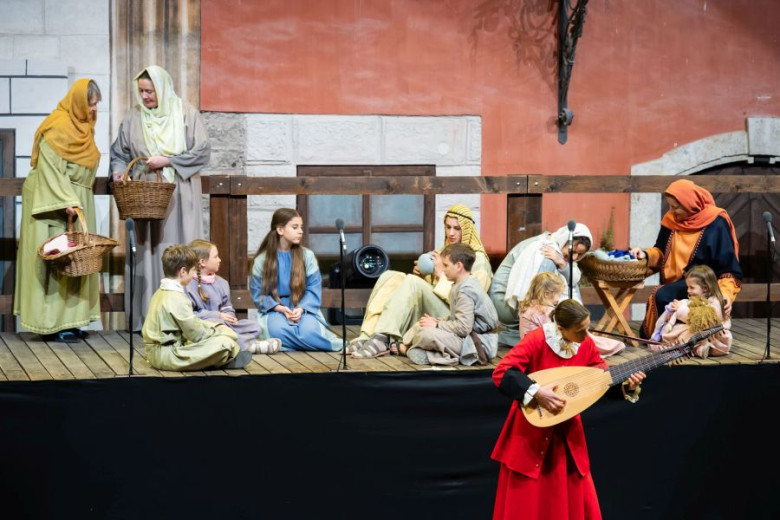 In the Škofja Loka Passion Play, many children also take part. Photo: Rok Rakun
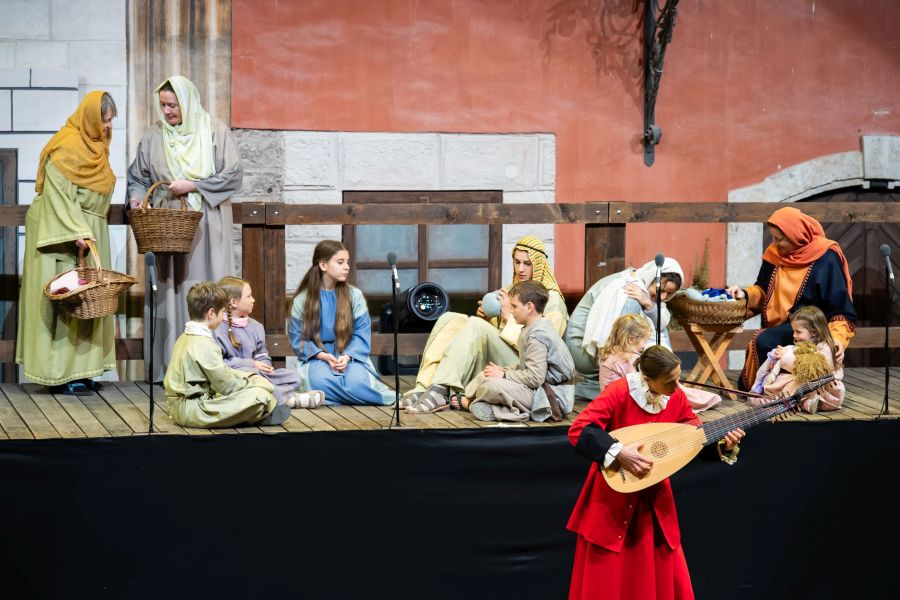
More than 1,000 volunteers take part in the staging of the Škofja Loka Passion Play, including over 800 performers, among them more than 60 horse riders. The roles include speaking roles for men and women, major silent roles, riders, horse handlers, Adam’s children, hermits, penitents, grenadiers, dragoons, members of guilds and confraternities, choristers, soloists, musicians and carriers of props.
A distinctive feature of the Škofja Loka Passion Play is the Passion equestrian procession. The roles of the horse riders vary in complexity. These include individual roles, riders in formation and horse handlers.
The procession features three teams: one draws a cart carrying thirteen performers; another pulls a cart bearing a cross with Jesus; and the third draws two crosses. For horses arriving at the Passion Camp on the day of the performance, two stables, tethering points and enclosures are provided for their care and accommodation.
-
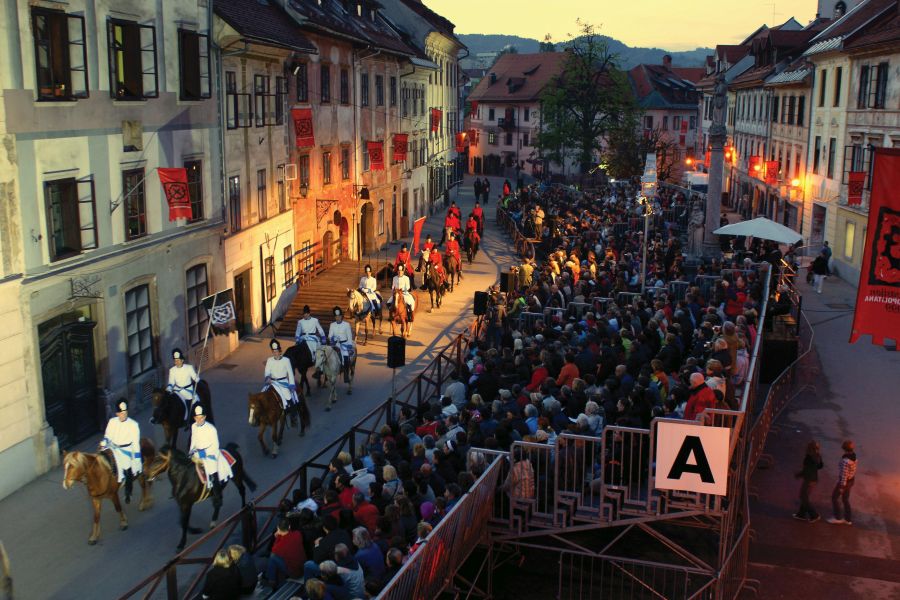
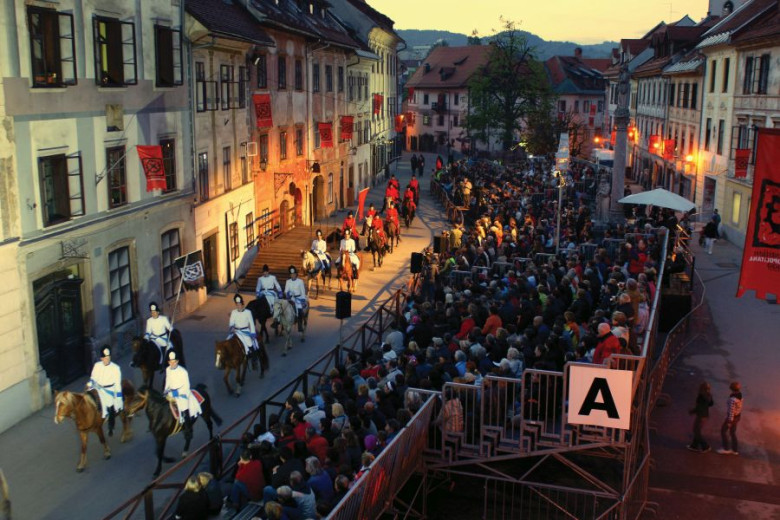 View of location A in Mestni trg and thase scene Paradise during an evening performance of the Škofja Loka Passion Play 2009. Photo: Jure Nastran
In 1999, music and other sound elements were incorporated into the performance and have since become an important part of it. The music is rooted in chorale and folk traditions. The soundscape is also created using everyday objects such as wooden sticks, cooking spoons, a grinding stone and pebbles, as well as clay bass instruments and church bells.
The performances feature instrumentalists, soloists and choral singers, while an important role is also played by the Honourable United Passion Wind Orchestra.
In 1999, the costume designer Nada Slatnar developed an extensive costume design for approximately 600 performers. The costumes are rooted in research into early eighteenth-century dress culture and seek to evoke Škofja Loka as it was at that time. Elements of the costume design also draw on folk tradition in their representation of biblical figures.
-
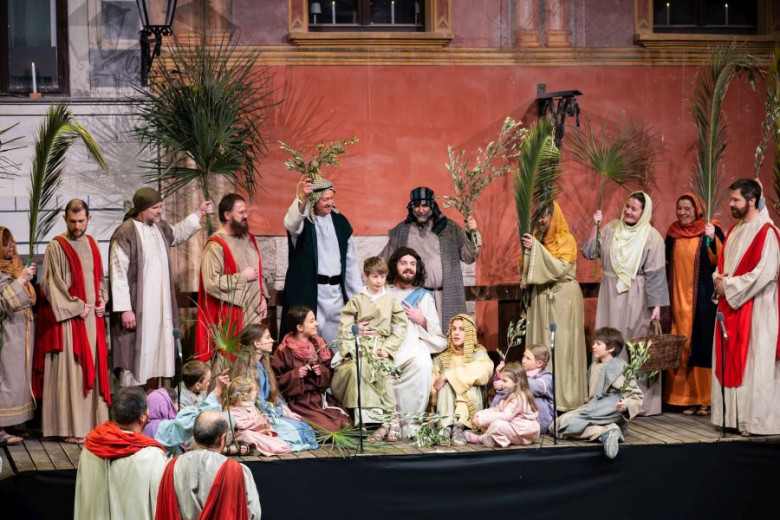 The scene is Palm Sunday, showing Christ’s entry into Jerusalem. People greet him with palm branches, symbolizing hope and recognition, while foreshadowing his coming suffering and sacrifice. Photo: Rok Rakun
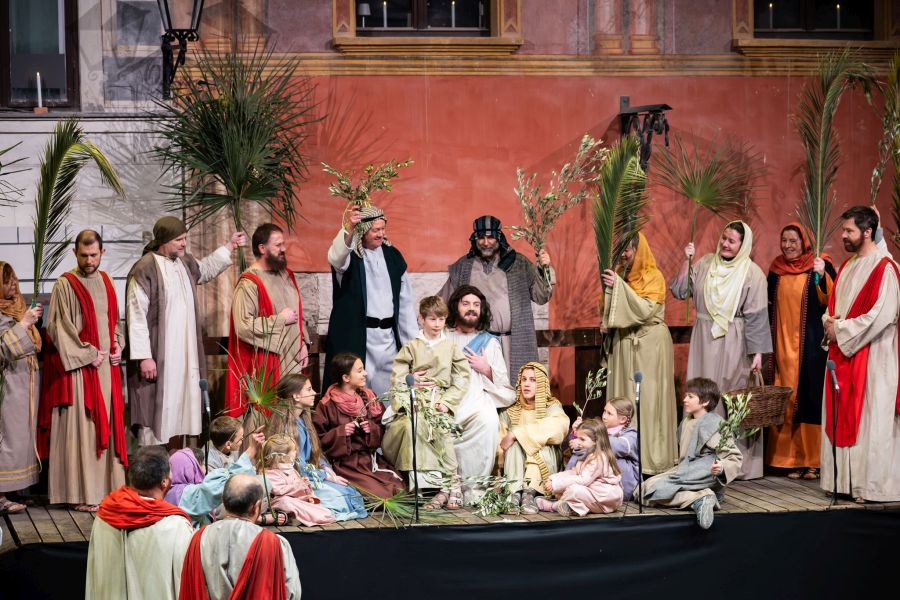
Some costumes are simpler and more stylised, following the symbolism of the three colours of the Škofja Loka Passion Play: red (love, suffering, martyrdom, blood), black (penitence, mourning, hell and a symbol of status) and white (purity, innocence, vulnerability).
The costumes were made by numerous local seamstresses under the close supervision of a professional tailor.
More elaborate Baroque costumes and garments were produced at the Slovene National Theatre Maribor. The costume design has largely remained unchanged; however, with each new staging, individual new costumes are created and existing ones repaired. Costumes and props at the Passion Camp are additionally managed by wardrobe attendants and props handlers.
-
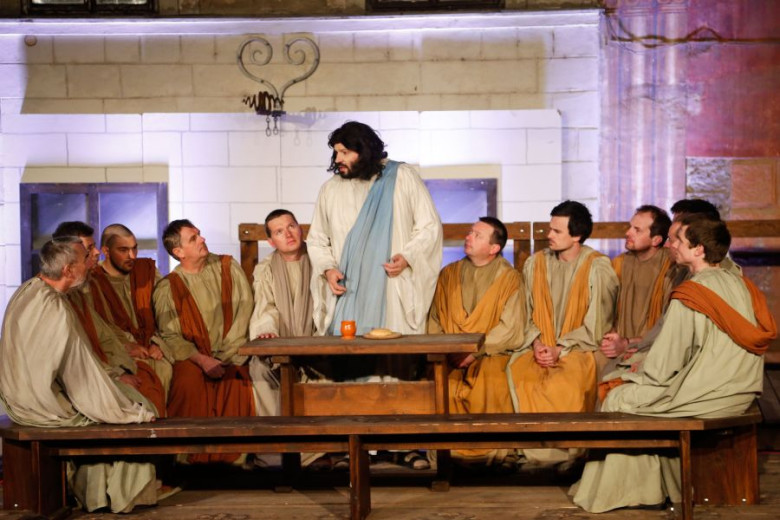 Third image: The Lord’s (Last) Supper. Photo: Anže Malovrh/STA
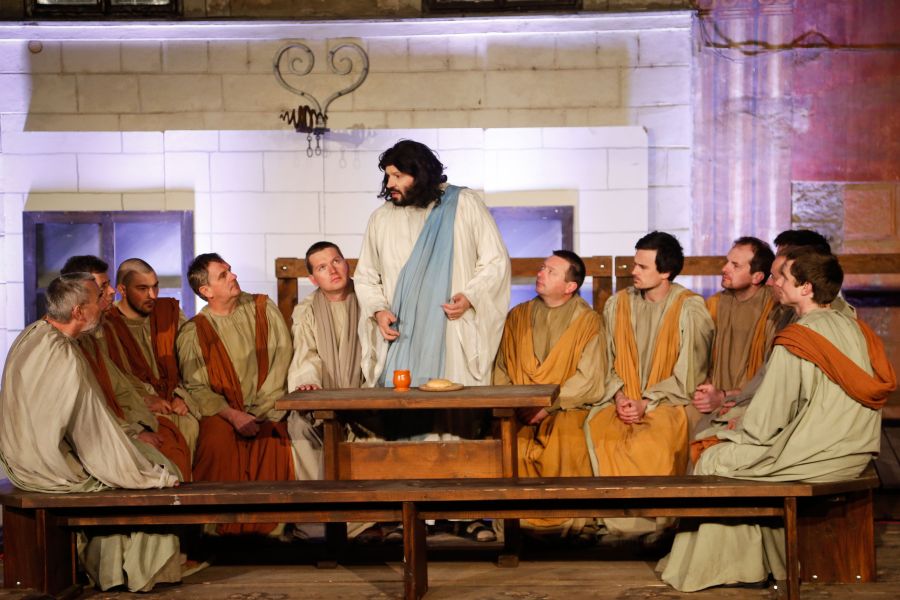
Numerous make-up artists and hairdressers also take part in the performances, having undergone specialised training in advance. For certain roles, the make-up is particularly intricate and demanding. At the same time, it remains an element that invites ongoing exploration and creative development.
The historic town centre, with its distinctive architecture, provides an exceptional setting for the Škofja Loka Passion Play. Passion flags are displayed throughout the town, while in the evening the streets are illuminated in red. The performances themselves are further enhanced by spotlights and torches.
The carefully conceived scenography blends seamlessly with the historic urban fabric, allowing the audience to focus fully on the performers and the narrative. Craftsmen from a range of disciplines contribute to the creation of the scenic elements.
-
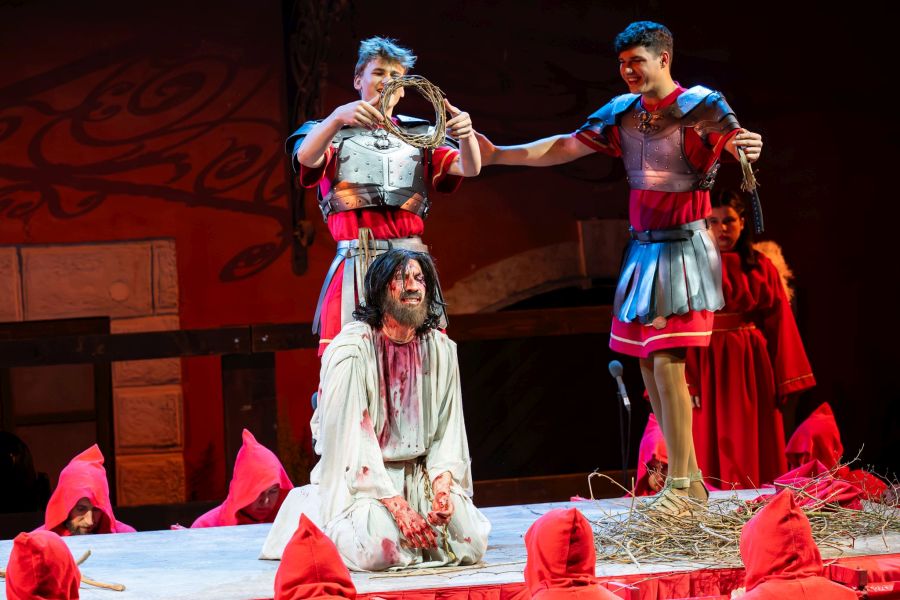
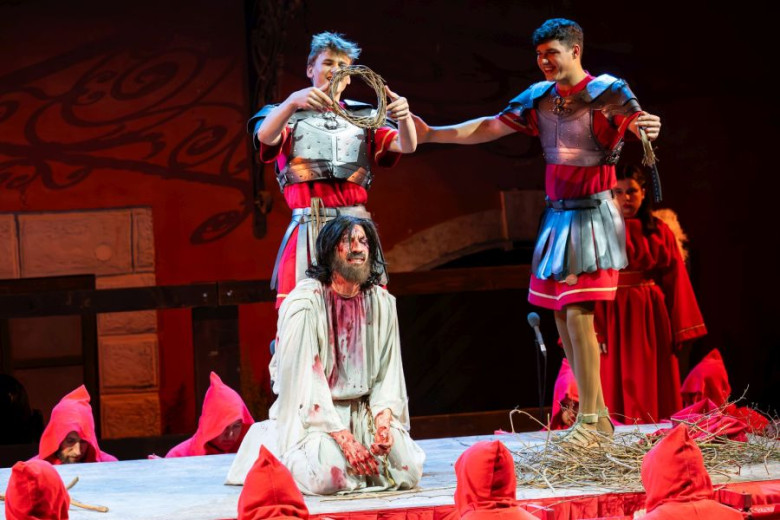 A scene of the Crowning with Thorns (the mocking of Christ). It shows soldiers ridiculing Jesus as “king,” placing a crown of thorns on his head and humiliating him. The scene highlights suffering, injustice, and human cruelty, foreshadowing the continuation of his Passion.
-
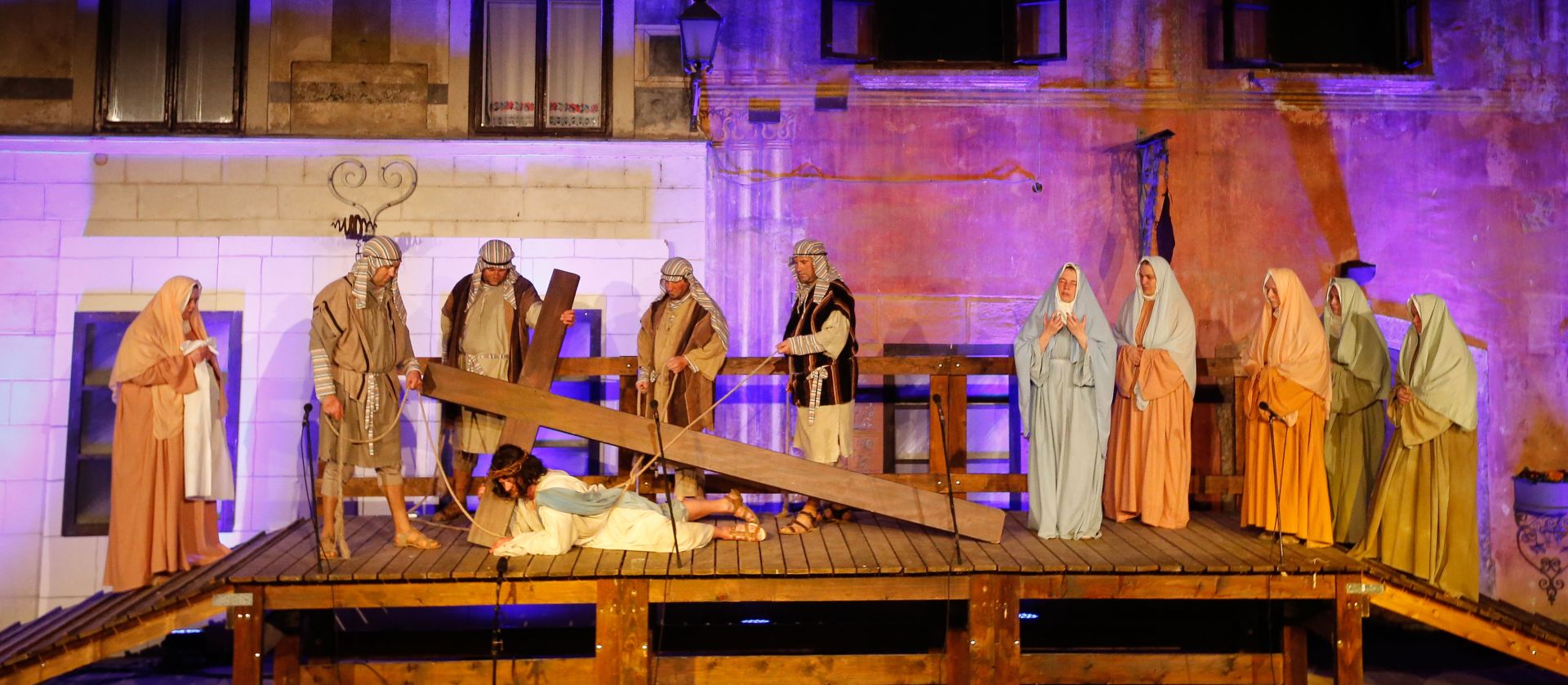
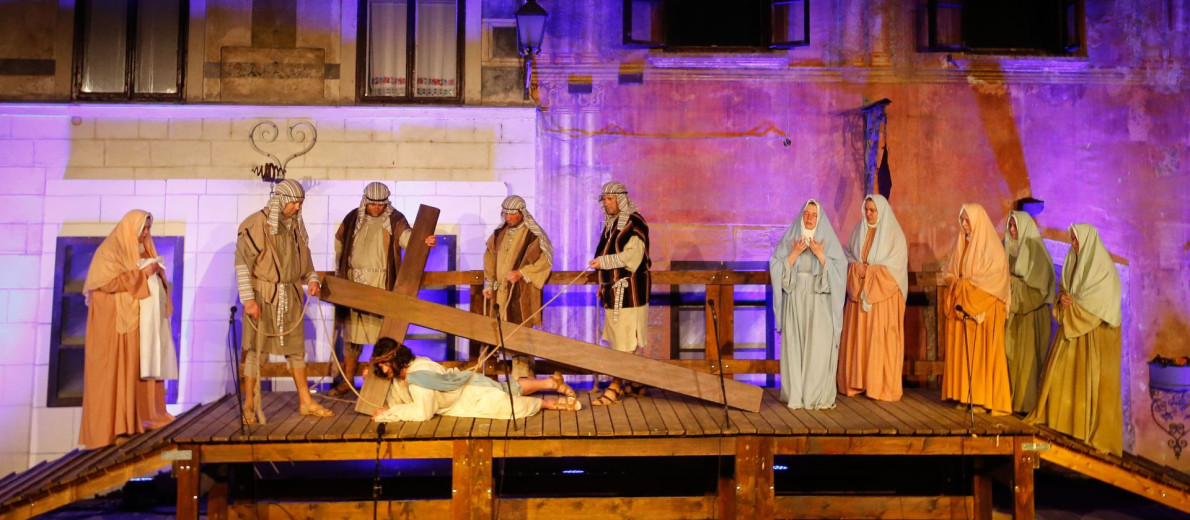 The Way of the Cross shows Christ carrying the cross to Golgotha. It expresses suffering, humility, and perseverance, while highlighting compassion and the deep meaning of sacrifice for redemption. Photo: Anže Malovrh/ STA
At four locations, static stages are set up to ensure better visibility of the performers. In front of them, open spaces are reserved for mobile stages carried by porters or drawn by horses, as well as for riders and performers arriving on foot. At each location, the performance is presented in its entirety. As in the past, the Škofja Loka Passion Play unfolds as a procession.
The performers follow a circular route through the town centre, presenting 20 scenes at each of the four locations along the route.
The smooth execution of the performances is ensured by an extensive technical and organisational team, with the support of sound and lighting specialists.
At one of the locations, a system has been introduced to allow deaf and hard-of-hearing visitors, as well as blind and visually impaired visitors, to follow the performances.
-
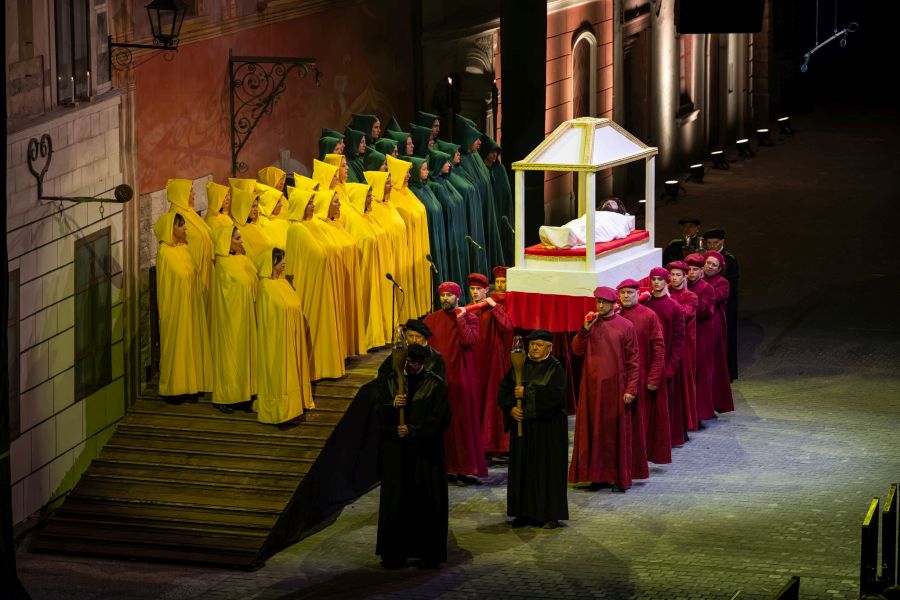
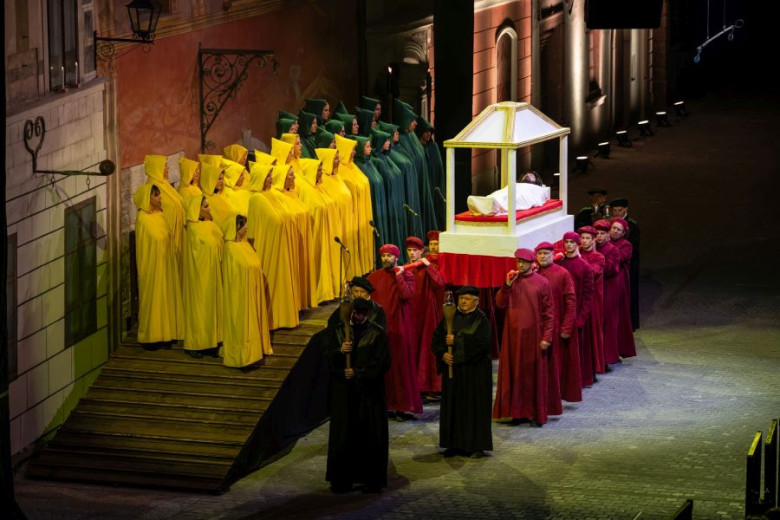 The scene of the procession with the dead Christ. Photo: Rok Rakun
Škofja Loka Passion Play in bobbin lace
Both elements of intangible heritage – the Passion Play and bobbin lace – are inscribed on UNESCO’s Representative List of the Intangible Cultural Heritage of Humanity. The bringing together of these two UNESCO-recognised traditions from Škofja Loka in a single, unique and original exhibition constitutes a significant added value to the project. Through its implementation, the organisers seek to safeguard traditional craft skills, strengthen cooperation among local stakeholders, and further promote Slovenia’s cultural heritage.
The Škofja Loka Passion Play comprises thirteen scenes from Christ’s Passion; accordingly, the project envisages the creation of an equal number of unique bobbin lace pieces.
These were produced on the basis of original bobbin lace pattern drawings by Vida Kejžar, created exclusively for this project in the previous year. Each individual pattern measures 61 × 42 cm, and the creation of a single scene requires several hundred hours of meticulous work.
Ambassadors of the Škofja Loka Passion Play
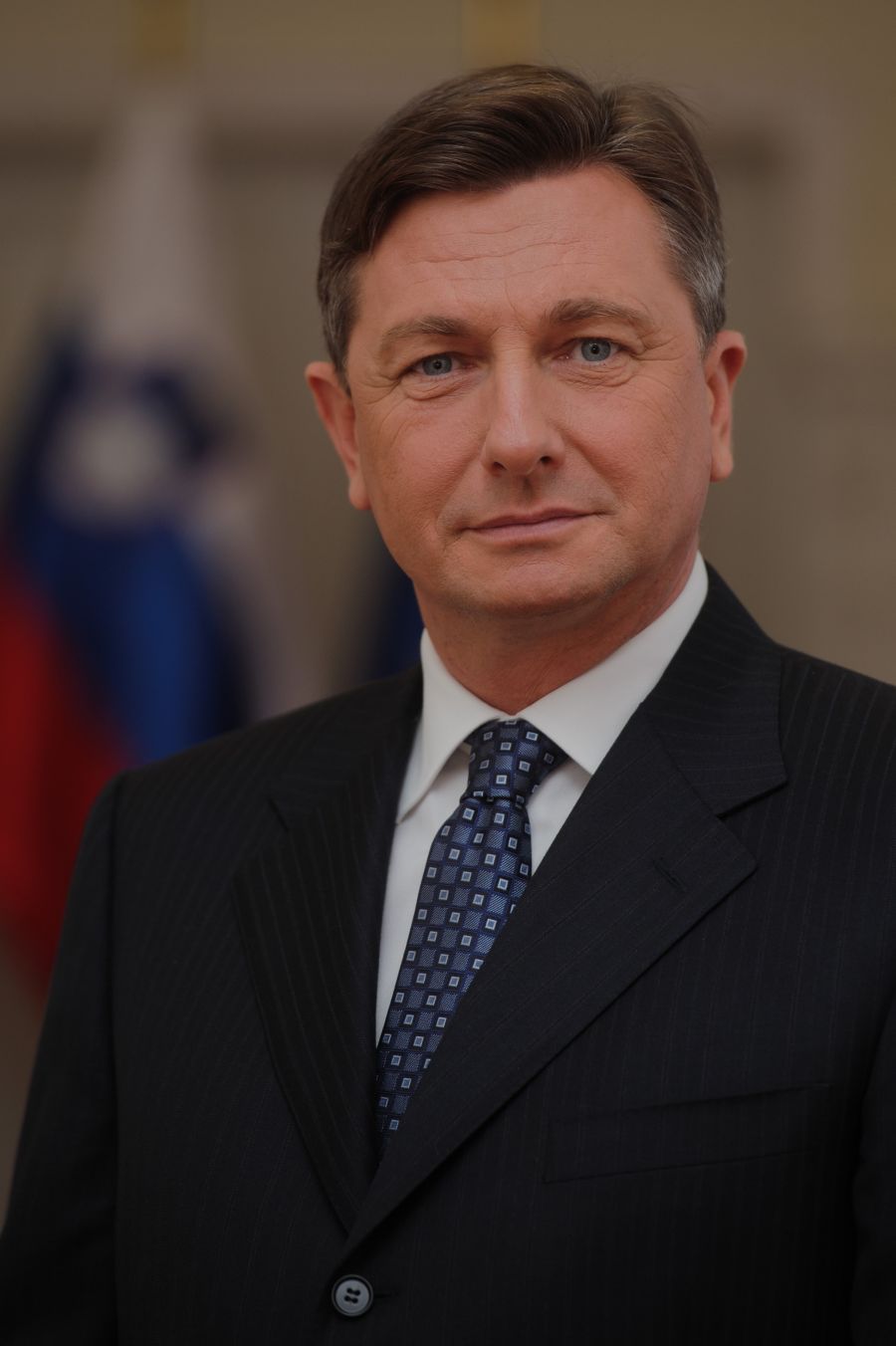
Among the ambassadors of the Škofja Loka Passion Play are the former President of the Republic of Slovenia, Borut Pahor, and Martin Golob, a parish priest from Grosuplje, who is also a writer and social media influencer. Borut Pahor remarked: "The Škofja Loka Passion Play is an exceptional part of our cultural and spiritual heritage. I am deeply moved by the dedication of the thousands of participants who create an event unlike any other in the world. It is for this very reason that it has been inscribed on UNESCO’s Representative List of the Intangible Cultural Heritage of Humanity. I warmly invite you to experience the Škofja Loka Passion Play live in 2026."
Martin Golob also emphasised the spiritual dimension of the Lenten and Easter season: "For us Christians, attending the Škofja Loka Passion Play is a unique opportunity to deepen our reflection during Lent and Easter."
He further highlighted the importance of cultural pride, noting that Slovenia is a beautiful country and that Slovenians should take even greater pride in their cultural heritage, as well as in the dedication, skills and talents of its people. "The Škofja Loka Passion Play is not only a depiction of Christ’s suffering, but also an outstanding example of cultural heritage. The costumes, masks, staging and music are the work of Slovenian artists and craftspeople. I would especially like to express my gratitude to the residents of the Poljane Valley and the Soriška Valley, whose support for the project is deeply felt. Two full coaches will be coming from Grosuplje alone. I encourage everyone not to miss the opportunity to see the Škofja Loka Passion Play. I am certain that the performance will leave you deeply moved."
-
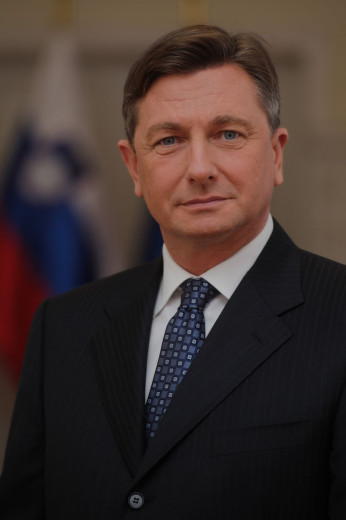 Borut Pahor Photo: UKOM
-
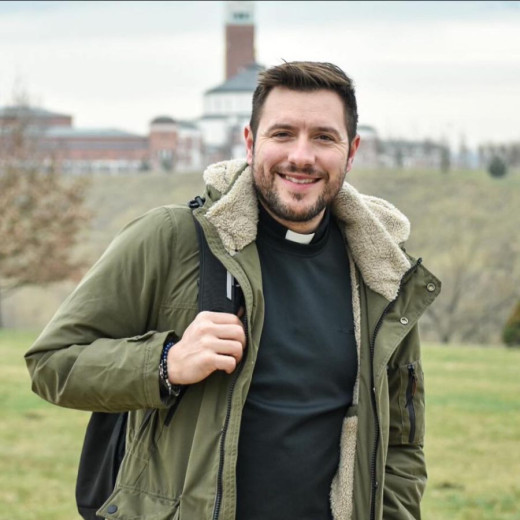 Martin Golob Photo: Personal archive

Invitation to reflect on shared values
The Škofja Loka Passion Play thus remains not only a precious element of Slovenia’s cultural and religious heritage, but also a living creative tradition that bridges past and present. Each performance preserves the essential meaning of the text and the depth of its spiritual message, resonating with both believers and wider audiences.
This year’s staging offers audiences an authentic encounter with history, while presenting a fresh, contemporary interpretation that highlights emotional intensity, musical refinement and the richness of local tradition.
In this way, the Passion Play continues to demonstrate how art can transcend time and generations, while inviting audiences to reflect on universal values, compassion and the shared human experience. Visitors are thus offered an unforgettable cultural experience - one that enriches the spirit and strengthens the bond between the community and its historical memory. The Škofja Loka Passion Play remains a powerful symbol of identity and pride, reminding us that culture is a living heritage, continually woven into the present.
Further information on performance dates is available at: www.pasijon.si