Date: 6. March 2026
Time to read: 2 min
As we celebrate International Women's Day on 8 March, behind the flowers and greeting cards lies interesting information that reveals how women live in Slovenia. Statistics are not just a collection of numbers, but a mirror of society.
At the beginning of last year, there were 1,058,574 women living in Slovenia, representing 48% of the total population. The average woman was 45.8 years old. As many as 25% are over 64 years old, and 14% are young girls under the age of 14. The ageing index is 177. This means that for every 100 girls, there are 177 women over the age of 65. This number has increased significantly in ten years. The most pronounced ageing is present in the Pomurska Statistical Region, while the lowest is in South-east Slovenia.
The most common female name remains Marija, with 43,035 women with that name last year. But that's the name of the generations of our grandmothers and great-grandmothers.
Today, other names are prevalent among newborn girls: Ema, Mia and Julija.
In terms of marital status, among women aged 15 or older, the majority are married (41%), followed by single women (38%), 12% are widowed and 8% are divorced. The age at first marriage is increasing. Thirty years ago, women first married at an average age of 24.9, but today they do so at 31. Motherhood and family life are also increasingly being planned for later.
-
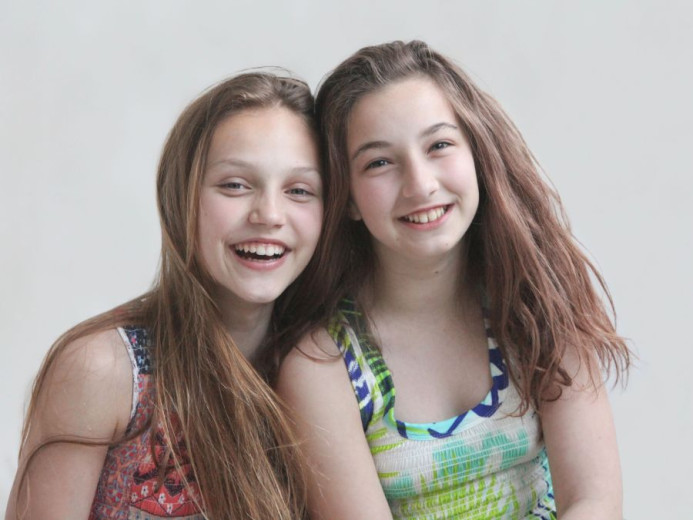 Among girls the most popular names are Ema, Mia and Julija. Photo: atikinka/Depositphotos.com
In terms of marital status, among women aged 15 or older, the majority are married (41%), followed by single women (38%), 12% are widowed and 8% are divorced. The age at first marriage is increasing. Thirty years ago, women first married at an average age of 24.9, but today they do so at 31. Motherhood and family life are also increasingly being planned for later.
When it comes to work, 45% of the 938,439 people in employment are women. The average age of employed women is 44.1 years. The average net salary for October 2024 was €1,435, which is less than for men (€1,528). The gender pay gap in Slovenia is 5.4%. This is less than the EU average (12%), but the difference still exists.
The highest average salaries among women are achieved by CEOs and members of company management boards, €4,036 net a month.
On the other side of the scale are window cleaners at €846. The gap between the top and bottom reveals not only gender differences, but also broader social disparities.
-
 Women make up 45% of Slovenia’s workforce; their average age is 44.1. Photo: wawebreakmedia/ Depositphotos

How do women evaluate their lives? The average satisfaction score is 7.7 (on a scale of 0 to 10), slightly higher than for men. The most satisfied are women between the ages of 35 and 44, and the least satisfied are those over the age of 65. Mid-life seems to bring the most balance between expectations and reality.
International Women's Day is not only a symbol of historical struggles for equality, but also an opportunity to reflect on the present. Slovenian women are getting older, marrying later, are highly educated, and are an important part of the workforce. At the same time, challenges remain: from the population ageing to the wage gap and social disparities.
Behind the numbers are real stories: grandmothers named Marija, young Emas at the beginning of their lives, CEOs at the top of the career ladder, and workers who keep our cities clean every day.
8 March is the day we pay tribute to them, not only with words, but also with an understanding of their position in society and a responsibility for a future that will be more equal for all.
-
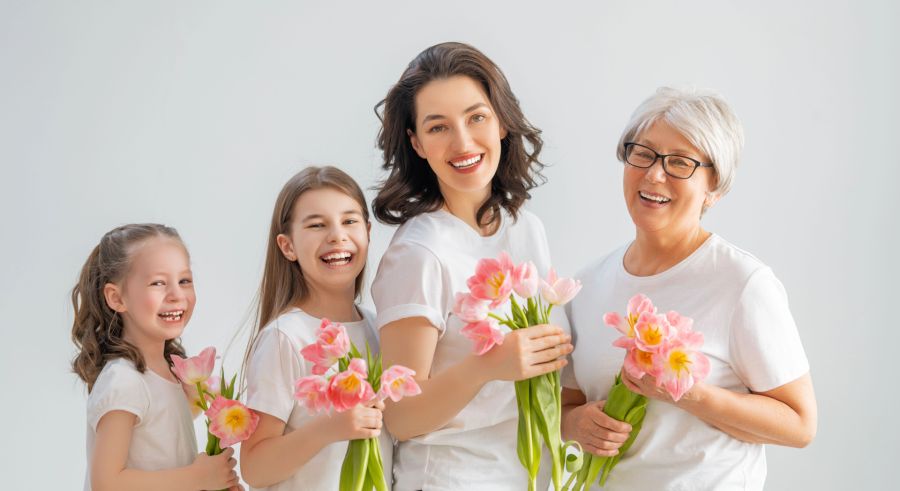
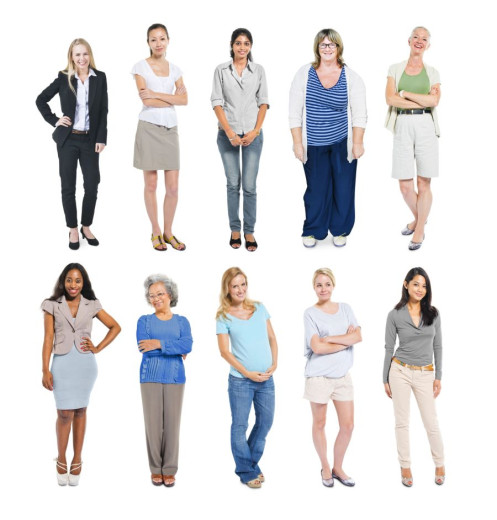 International Women's Day, celebrated on March 8, is a day to recognize the achievements, strength, and contributions of women in every part of society. Photo: RawPixel/ Depositphotos.com
-
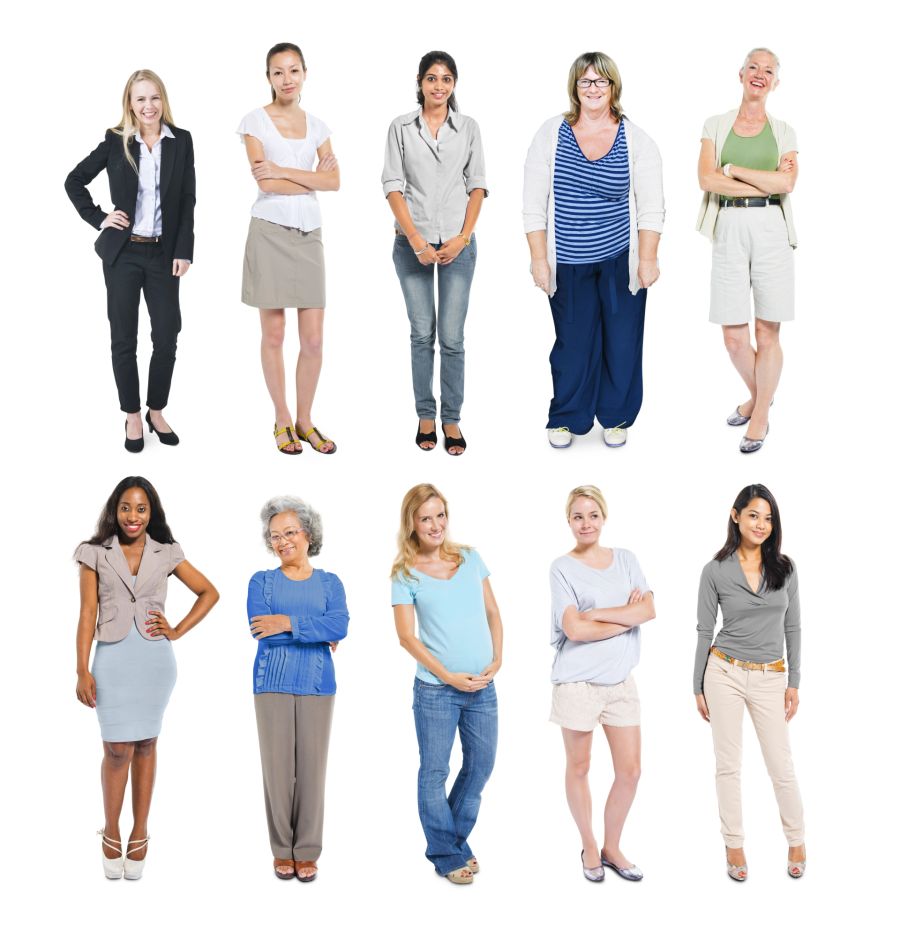
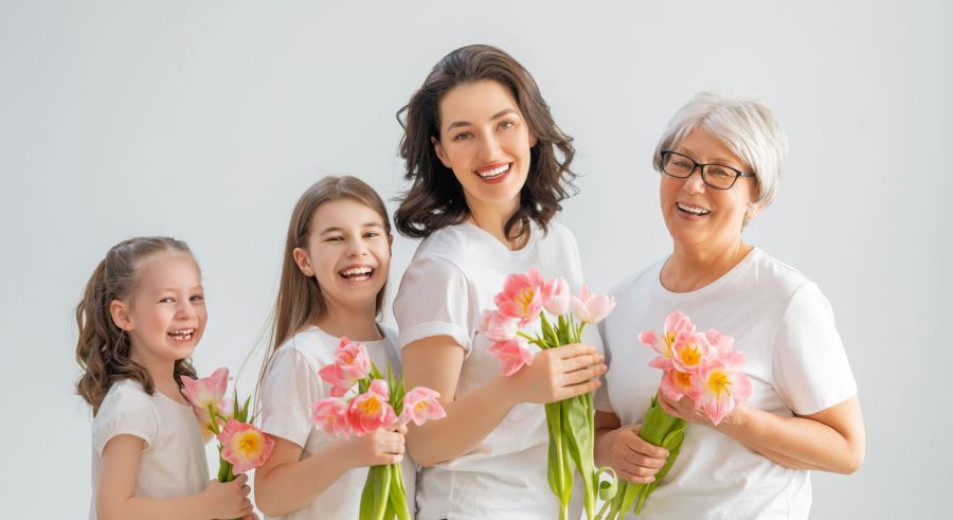 International Women’s Day encourages appreciation, respect, and support for women while highlighting the importance of equal rights and opportunities for everyone. It celebrates not only famous leaders and pioneers, but also everyday women whose work, care, and determination shape society. Photo: coreograph/ Depositphotos.com
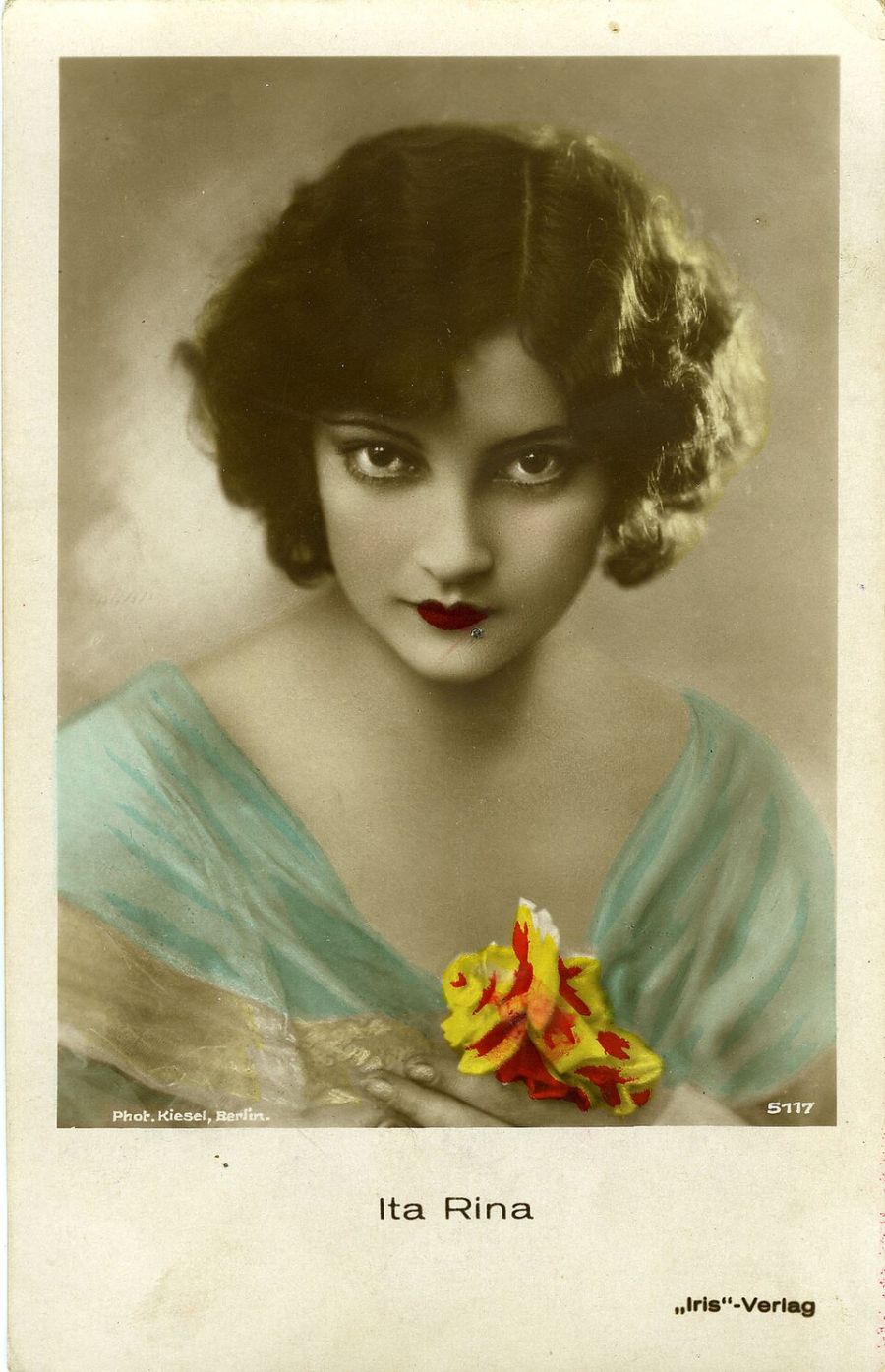
We can learn from the past. Important Slovenian women who wrote the most significant parts of Slovenian women's history are: countess Barbara of Cilli, who was one of the most politically active Slovenian noblewomen; the first Slovenian poet to write in the Slovenian language, Fanny Hausmann; the writer who wrote feminist articles in the magazine Slovenka, Elvira Dolinar; painter Ivana Kobilca; world traveller and writer Alma M. Karlin; botanist Angela Piskernik; film actress Ita Rina.
-
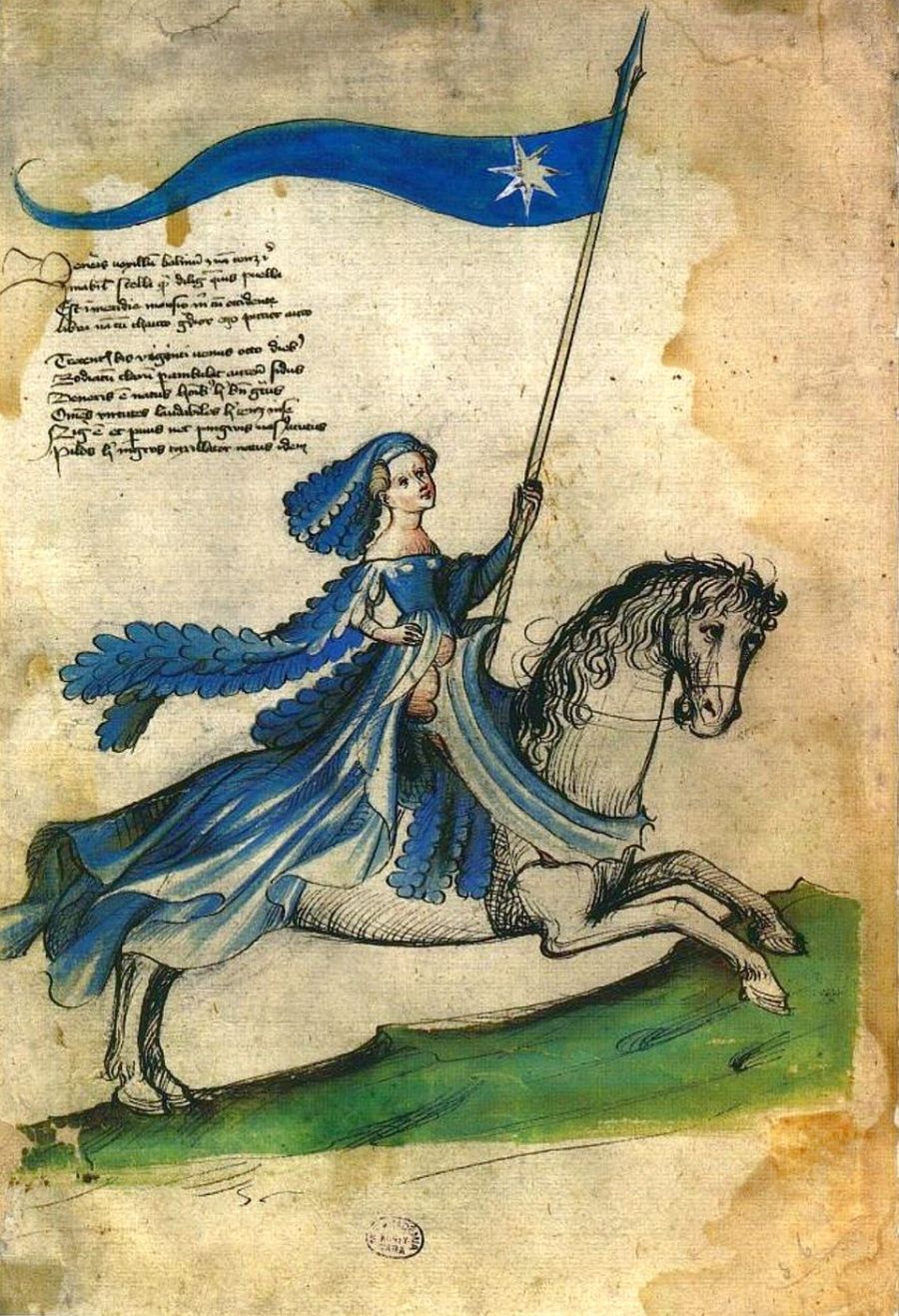
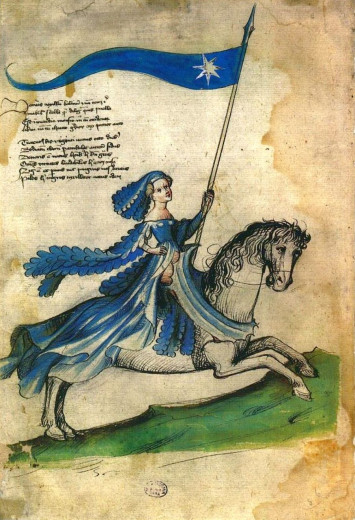 Barbara of Cilli (1392 - 1451) was a powerful noblewoman and Queen of Hungary, Germany and Bohemia, wife of Emperor Sigismund. She was known for her political skill, wealth and influence at the medieval imperial court. Photo: wikipedia
-
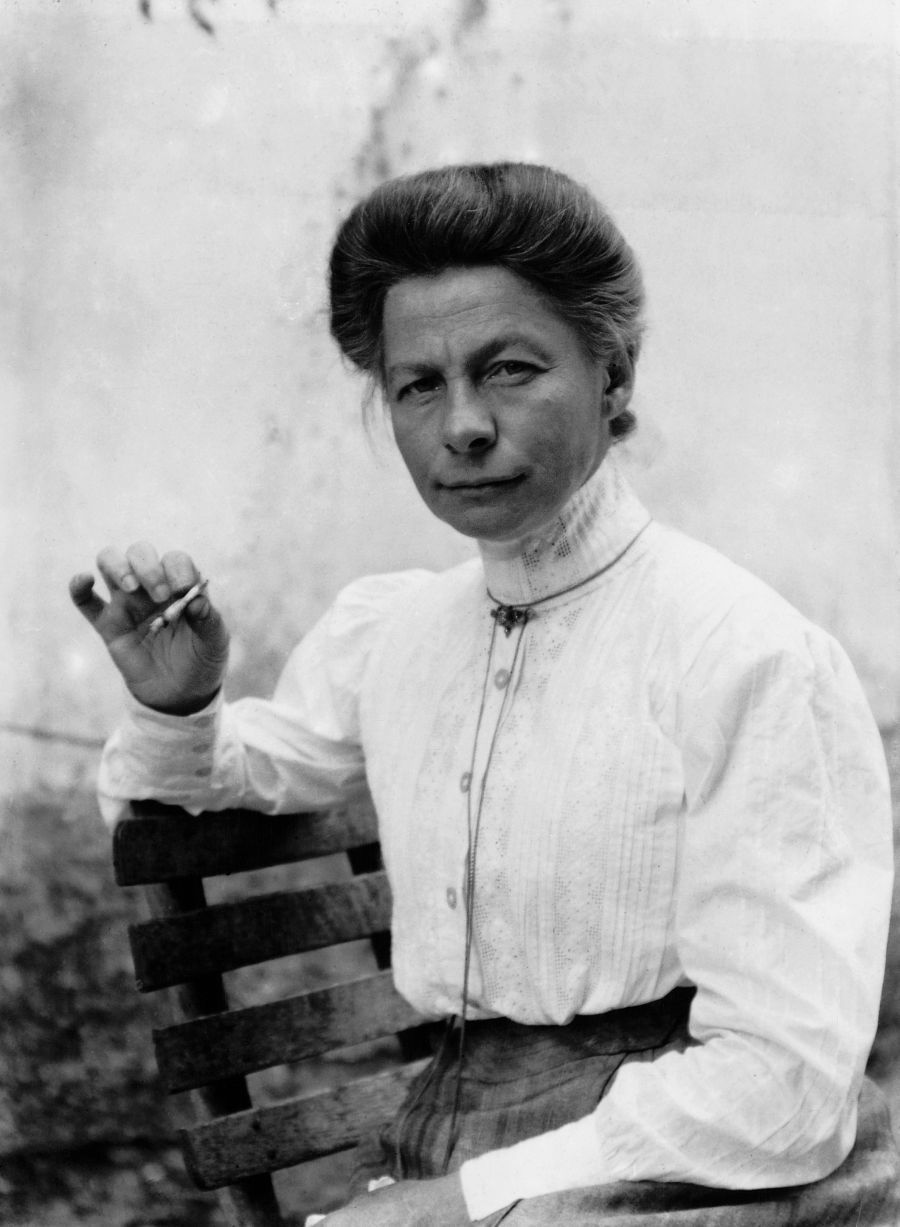
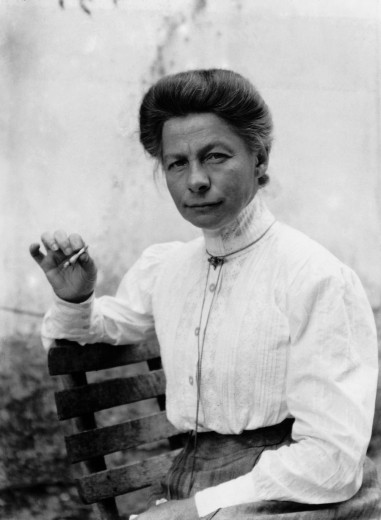 Ivana Kobilca (1861 - 1926) was one of the most important Slovenian painters. Known for her realistic portraits and everyday scenes, she achieved international recognition and helped shape Slovenian art. Photo: National Gallery of Slovenia archives
-
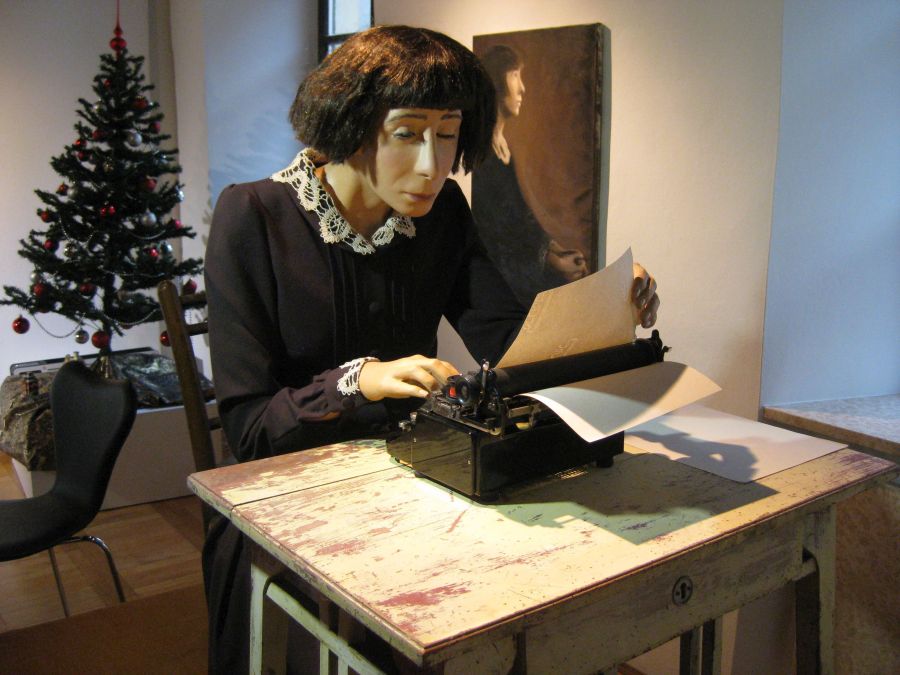
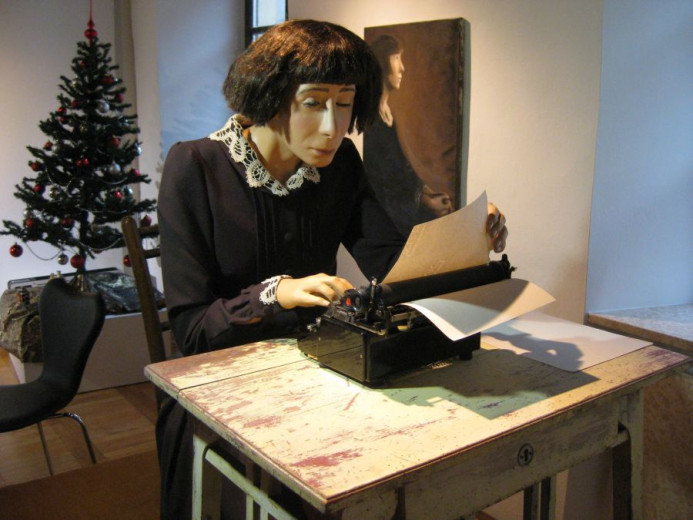 Alma Karlin (1889 - 1950) was a Slovenian writer, traveler and polyglot. She traveled around the world alone for eight years, documenting cultures and experiences in books that brought her international recognition. Photo: Lili Pušnik/ STA
-
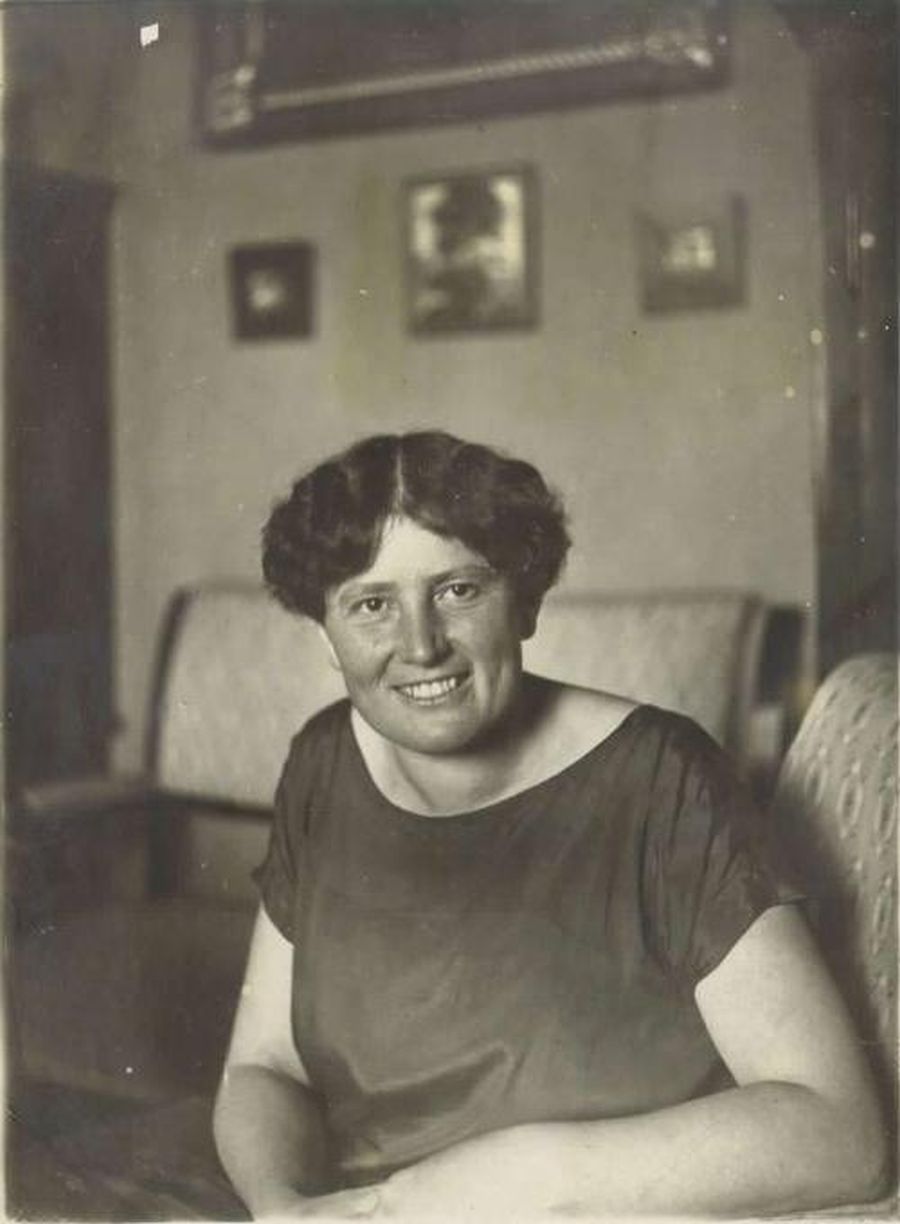
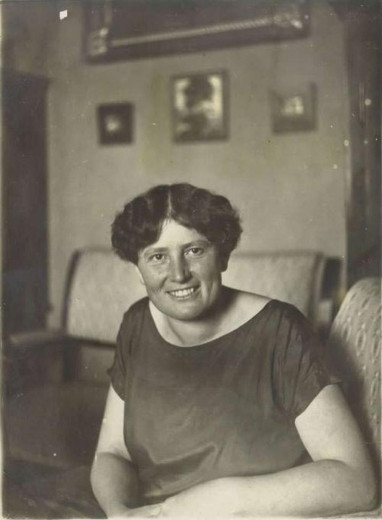 Angela Piskernik (1886 - 1967) was a Slovenian botanist, nature conservationist, and museum director. She researched Alpine flora and worked to protect nature, helping establish Triglav National Park. Photo: wikipedia
-
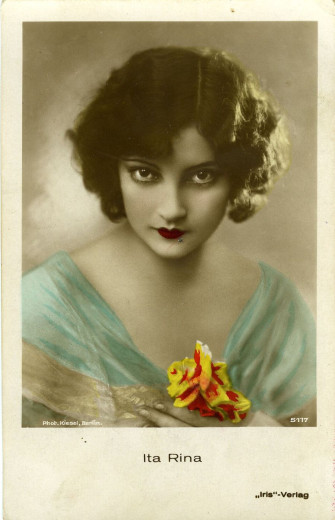 Ita Rina (1907 - 1979) was a Slovenian film actress who became an international star in the 1920s and 1930s. She gained fame with the silent film Erotikon and worked in several European film industries. Photo: wikipedia