Date: 25. March 2026
Time to read: 2 min
Many visitors arriving in Slovenia by air are struck by the view that unfolds as the aircraft descends: before them stretches a vast carpet in every shade of green. Slovenia is the green heart of Europe above all because forests cover almost 60% of its territory. It is the third most forested country in the European Union, behind only Finland and Sweden. This is no coincidence, but the result of a combination of natural conditions, historical experience and carefully considered forest management.
A close-to-nature and sustainable approach
One of the defining strengths of forest management in Slovenia is its long tradition of close-to-nature forestry, which can serve as an example to other countries. Today, Slovenia has approximately 1.2 million hectares of forest, with the overall forest area stabilising in recent years rather than continuing to expand.
As prof. Dr Tom Levanič of the Slovenian Forestry Institute explains, this approach developed out of historical experience. "When forests around the Idrija mercury mine were almost completely destroyed due to excessive logging, it prompted reflection on a different, more systematic approach."
At that point, thinking began to shift towards a more nature-based approach, meaning: "that we take nature into account and ask what nature itself would do with the forest. In other words, we avoid being aggressive. The way in which timber is harvested is adapted to local conditions and tree species. Every intervention in the forest must incorporate the principle of sustainability."
Levanič also emphasises that clear-cutting has not been permitted in Slovenia for decades, except in exceptional circumstances such as ice damage or bark beetle outbreaks.
-
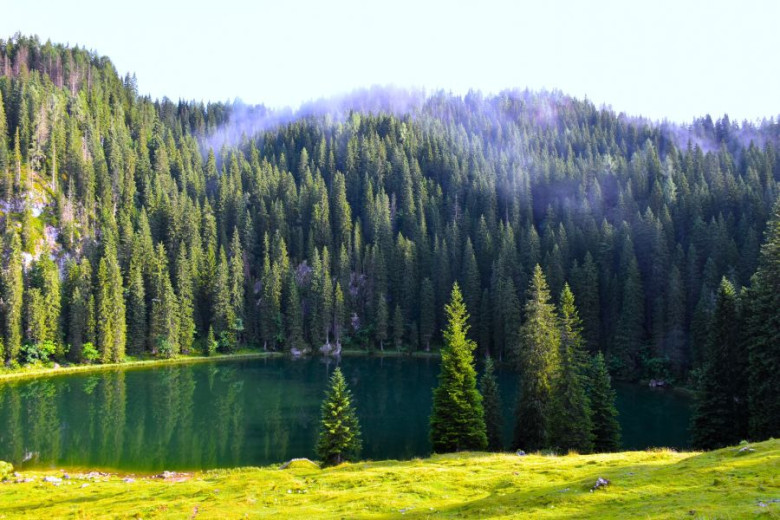 Forest management is guided by detailed monitoring, national inventories and permanent sample plots, ensuring data-driven decisions that safeguard sustainability and forest ecosystems. Photo: Depositphotos
-
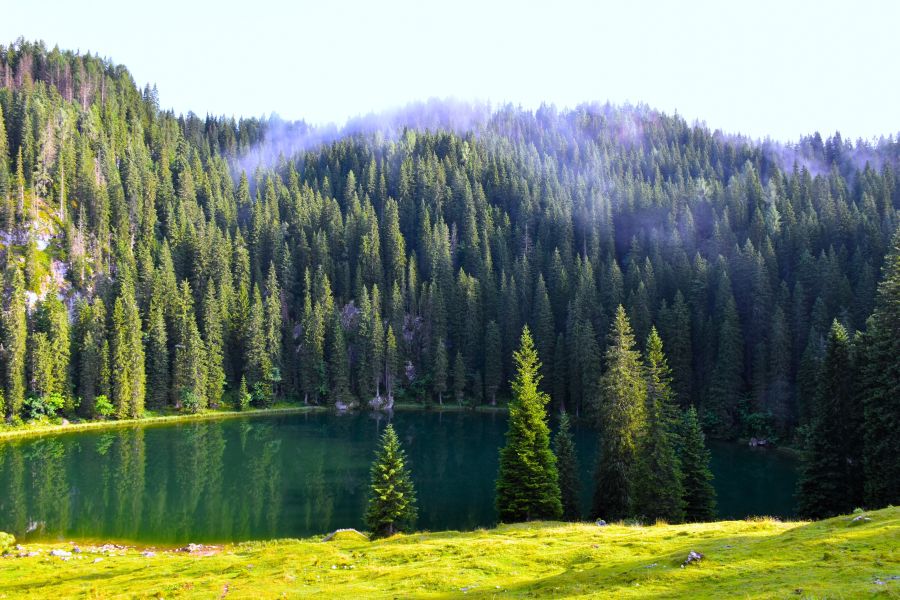
 There are 950 plant species growing in Slovenian forests. Photo: Jošt Gantar/Slovenia.info
-
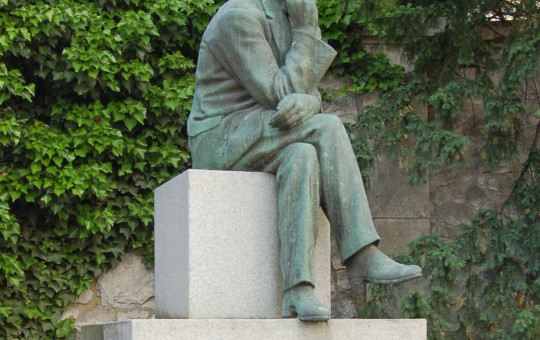
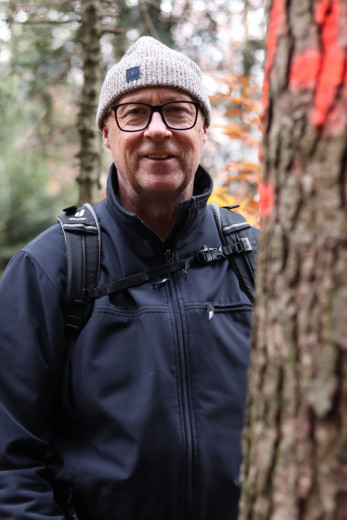 Prof. Dr Tom Levanič of the Slovenian Forestry Institute works in the fields of tree growth processes and development, as well as their responses to environmental and climatic factors. Photo: Personal Archive
Felling is likewise not left to chance or dictated by market forces, but is based on detailed forest management planning and the continuous monitoring of forest ecosystems. An important role in this process is played by the intensive monitoring of forest ecosystems, the national forest inventory at state level, and a network of permanent sample plots at the operational level. These are used to monitor various parameters of forest stands, assess timber stock, growth rates and similar indicators. Only on the basis of such data are management plans drawn up and interventions in forests determined, ensuring that forest management is carried out in a way that safeguards sustainability and preserves forest ecosystems. "We never harvest more than the annual increment. The golden rule is to harvest around 80% of the increment," Levanič explains.
More than 40% of Slovenia’s forests within Natura 2000
As a result of this approach to forest management, Slovenia’s forests are exceptionally well preserved, with around 44% included in the Natura 2000 network. This is also reflected in the rich biodiversity found in Slovenian forests. "We are one of the few European countries where all three large carnivores — the bear, the lynx and the wolf — still inhabit our forests."
Forests are not only vital for economic prosperity, as highlighted by the Food and Agriculture Organization of the United Nations (FAO) on this year’s International Day of Forests; they are also an integral part of our identity. They provide a safe and welcoming setting for recreation, relaxation and foraging. Levanič also admits that, given the many beautiful forests across Slovenia, it is difficult for him to choose a personal favourite.
"I am particularly fond of the majestic fir–beech forests of the Dinaric Karst. The forests of Pokljuka are also beautiful, as are those of Pohorje, and the lowland forests of Prekmurje — when there are no mosquitoes. But when I seek peace and quiet, I most often return to fir–beech forests. It is in those places, where you feel a slight unease at the thought that you might encounter a bear, that you know you are in a true forest."
-
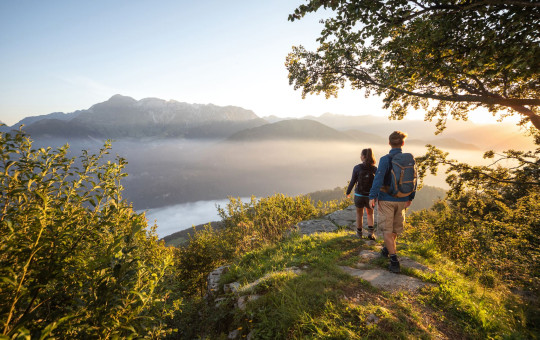
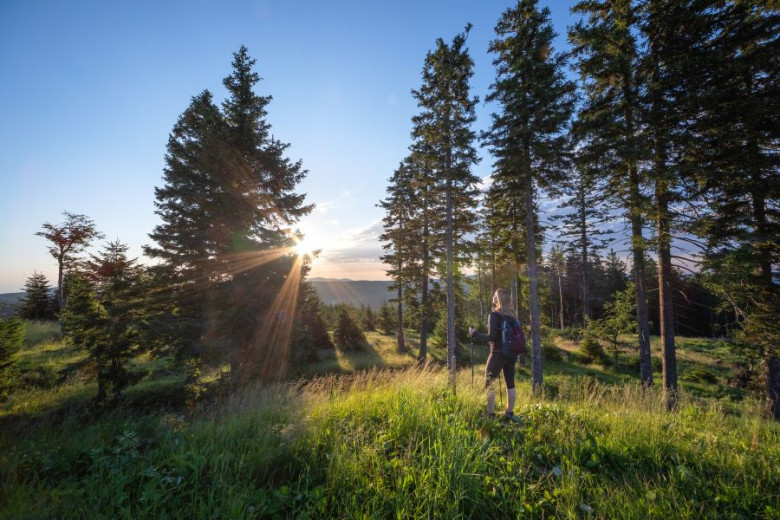
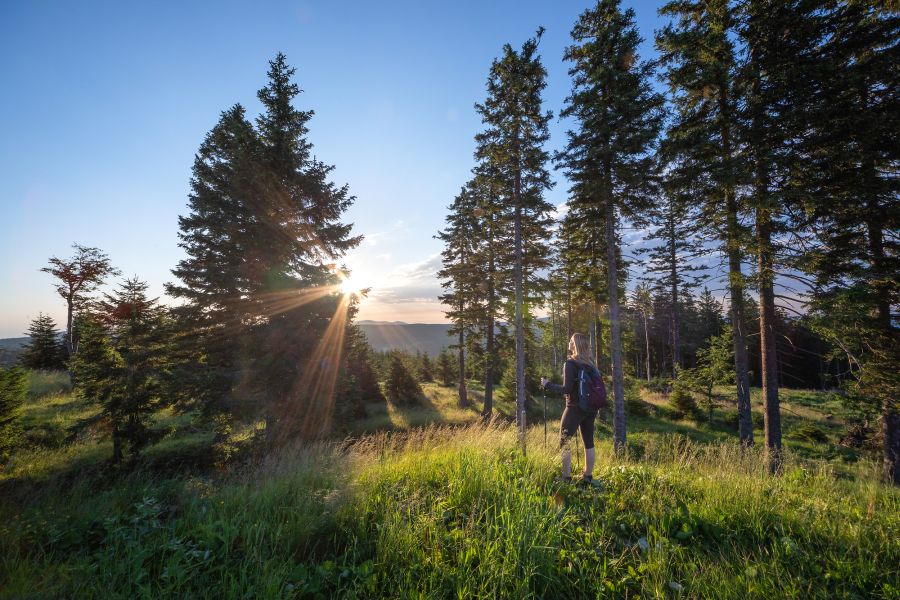
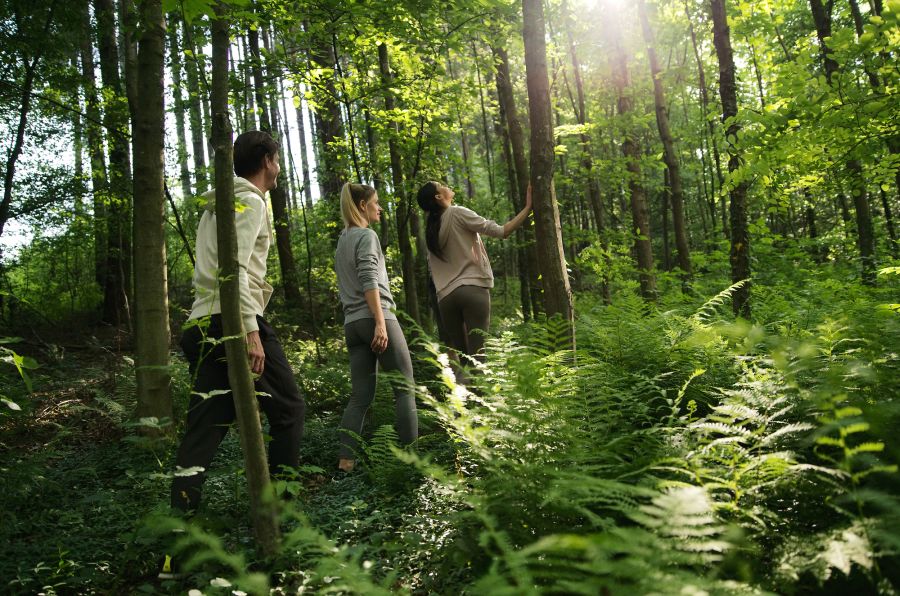
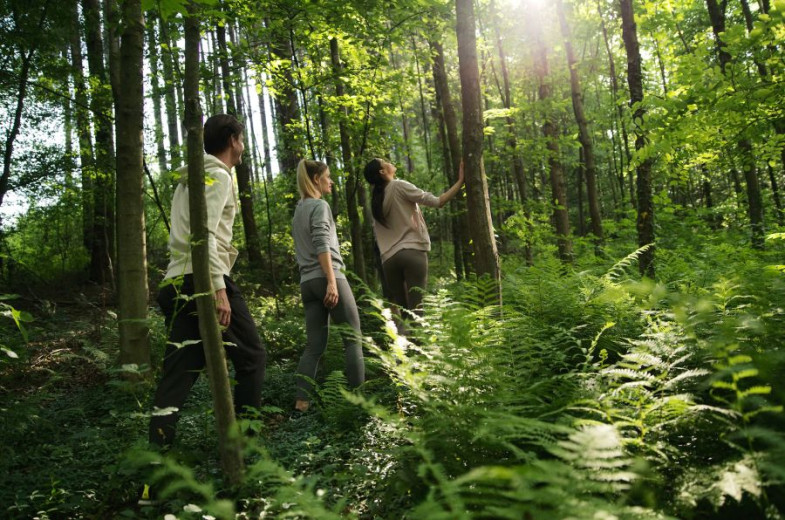 A walk in the forest is one of Slovenians’ favorite ways to spend their free time. Photo: Ciril Jazbec/Slovenia.info
-
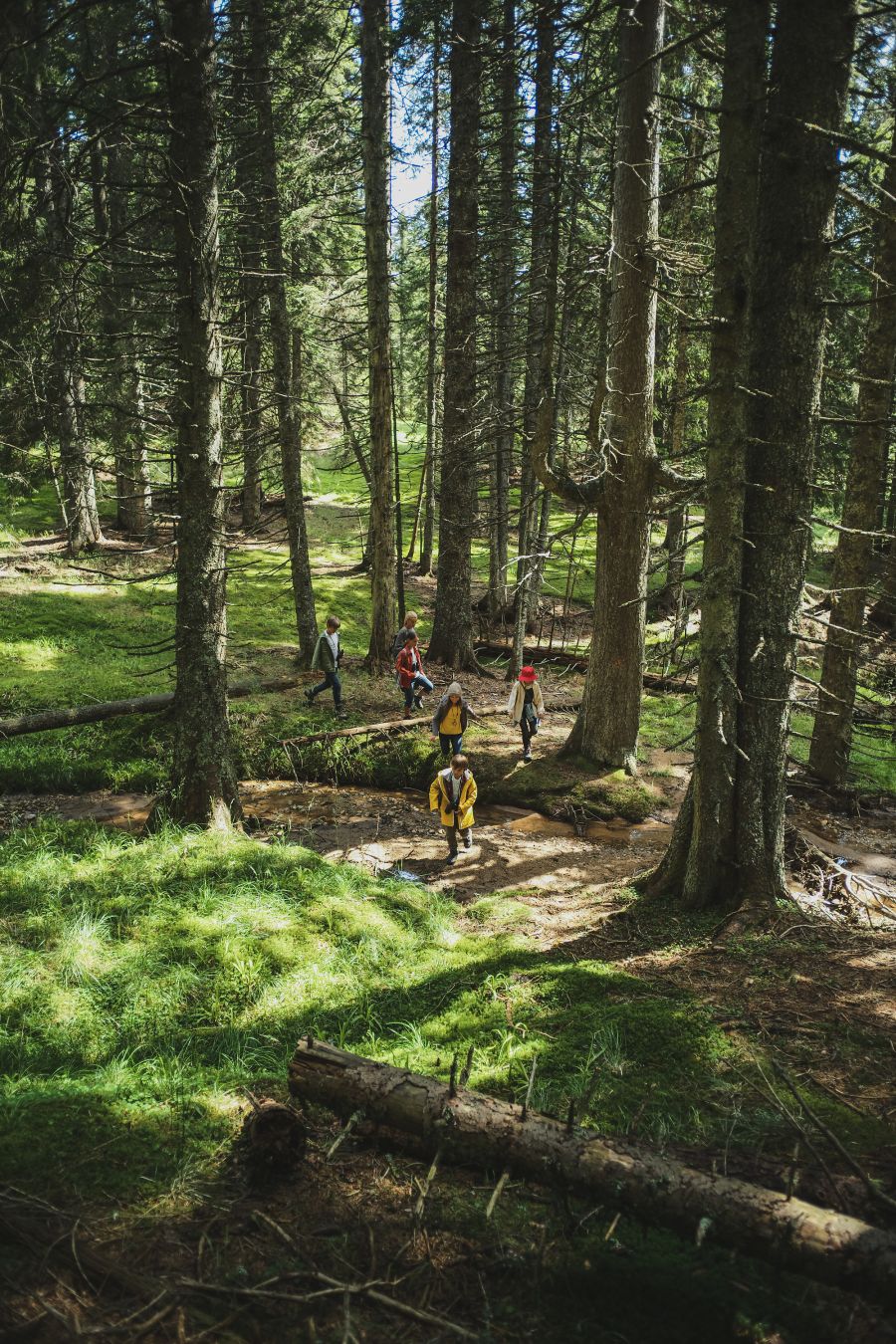
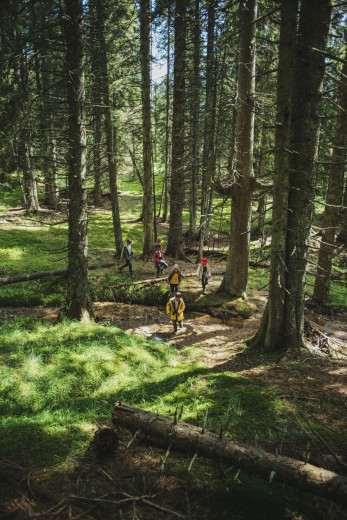 Slovenians share a deep bond with nature, finding inspiration, solace and a sense of belonging in its untouched beauty. Photo: Ciril Jazbec/Slovenia.info
The challenge ahead: climate change
Slovenia’s forests are, however, not immune to the challenges posed by extreme weather events linked to climate change. Droughts, heatwaves and new pests are increasing the stress to which trees are exposed. "Trees are under stress due to more frequent droughts and higher temperatures, which weaken them; they must then contend with pests, some of which thrive in warmer conditions," Levanič explains, describing this new reality.
Trees are the largest living organisms on our planet and, at the same time, a vital companion in our daily lives. In Slovenia, we strive to care for them responsibly, aware that they are not only the lungs of the planet, but also a precious and fragile ecosystem that provides us with raw materials, shelter and a sense of calm.
-
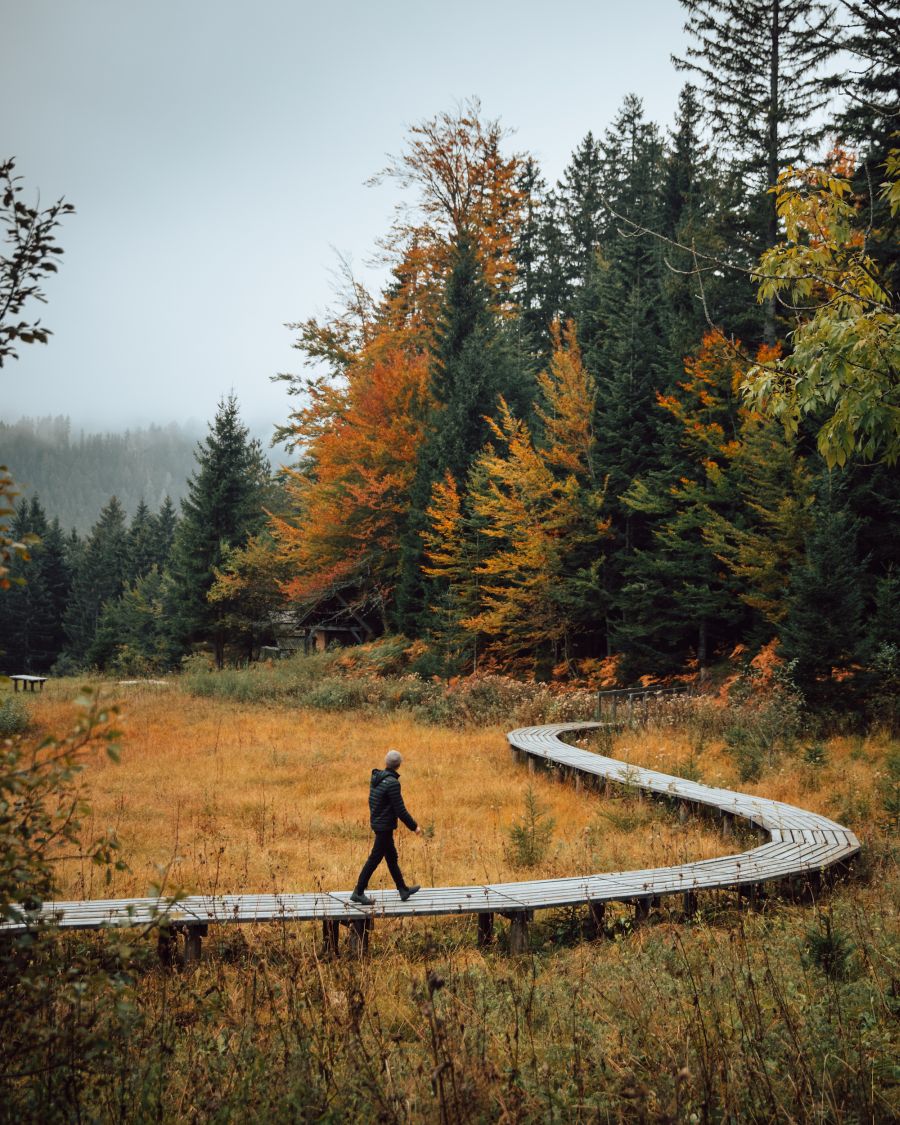
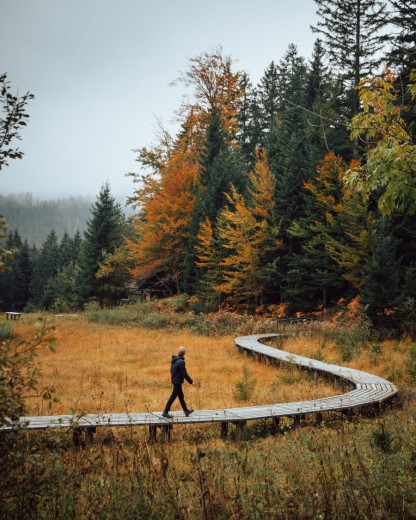 Amid rising climate pressures, Slovenia tends its forests as living treasures that sustain both nature and people. Photo: Jacob Riglin/Slovenia.info
Did you know?
- Slovenia is home to 71 native tree species, including 61 broadleaf and 10 conifer species.
- In the Pahernik forests on Pohorje, close-to-nature forest management has been practised for more than 100 years, making them a model example for Europe.
- Slovenia is also home to several remnants of primeval forests, where no logging has ever taken place.