Date: 10. June 2026
Time to read: 3 min
Exploring nature is one of the most beautiful experiences that Slovenia has to offer. Visiting the country’s unspoiled natural areas is very popular among locals and tourists alike. Spending time in nature is proven to have positive effects on our health and well-being: it reduces stress, improves mood and supports better brain function. Here are some useful tips to make your adventures safe and enjoyable, while also being environmentally friendly.
Encountering a bear
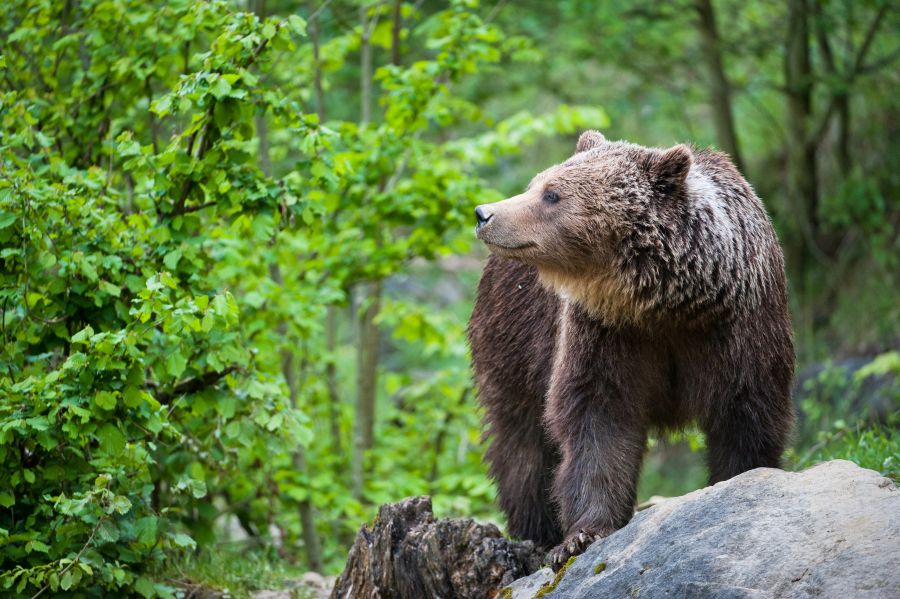
In spring, bears awaken from their winter hibernation. Slovenia’s forests are home to around one thousand bears. Although bears are loners and generally harmless to humans and tend to avoid them, it is good to know what to do when encountering one:
- Always make your presence known: To avoid startling a bear, talk loudly, sing, or hang a little bell on your backpack while hiking.
- Always keep your dog on a leash: An agitated bear will follow the dog, and the dog will seek shelter with its owner.
- Do not feed bears: By doing so, you prevent them from losing their natural fear of humans and getting used to the proximity of settlements.
- Stay calm: If you spot a bear in the distance, do not approach it. Calmly retreat in the direction you came from.
- In the event of an attack: Lie face down on the ground and protect your neck with your hands.
-
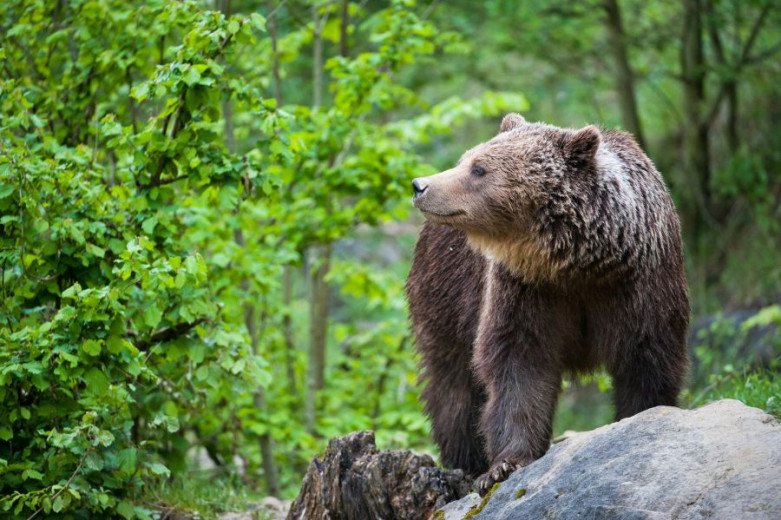 The vast forests of the Kočevje and Notranjska regions form the heart of Slovenia's brown bear range. Photo: Depositphotos
When and how to act?
If you see an injured bear (e.g. after a traffic accident), if it roams through a settlement, or if it attacks a person, report the incident without delay to MedvedoFON (via the narcis.gov.si portal). In an emergency involving injured people or animals, call 112.
Take care when picking wild plants
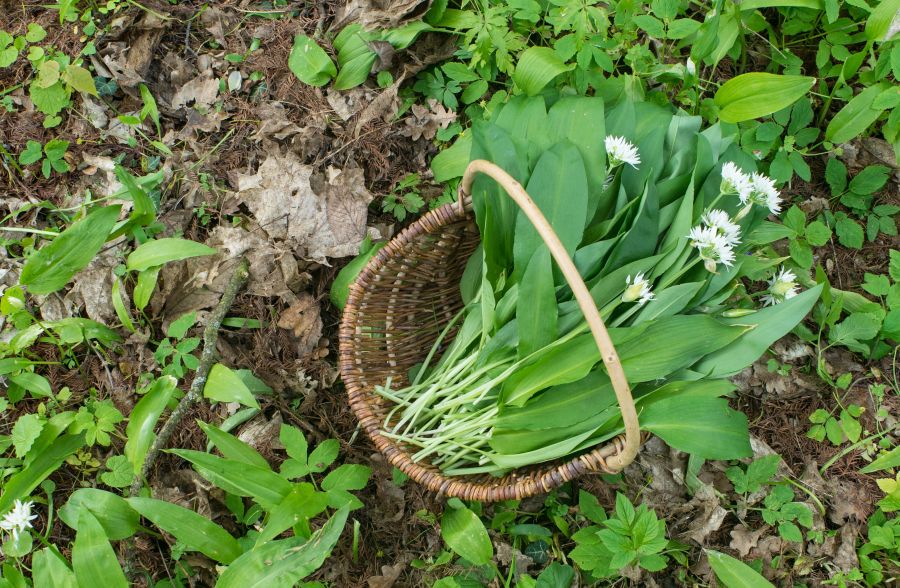
Wild plant picking is a popular tradition in Slovenia, especially in spring, when there are many edible plants in the forests and meadows. One of the most popular plants is wild garlic, which has many beneficial properties. However, care should be taken when picking it, as those who are unfamiliar with it often confuse it with poisonous autumn crocus, lily of the valley, and white hellebore. Ingesting a single leaf of autumn crocus or lily of the valley can be fatal.
How to recognise wild garlic?
- It has a strong scent of garlic.
- The leaves are long, soft, and lanceolate.
- Each leaf has its own petiole.
- It has white, umbrella-like blooms in April and May.
The Centre for Clinical Toxicology has recorded 40 cases of autumn crocus poisoning since 2000, almost 15 per cent of them fatal. There is no antidote for autumn crocus poisoning.
-
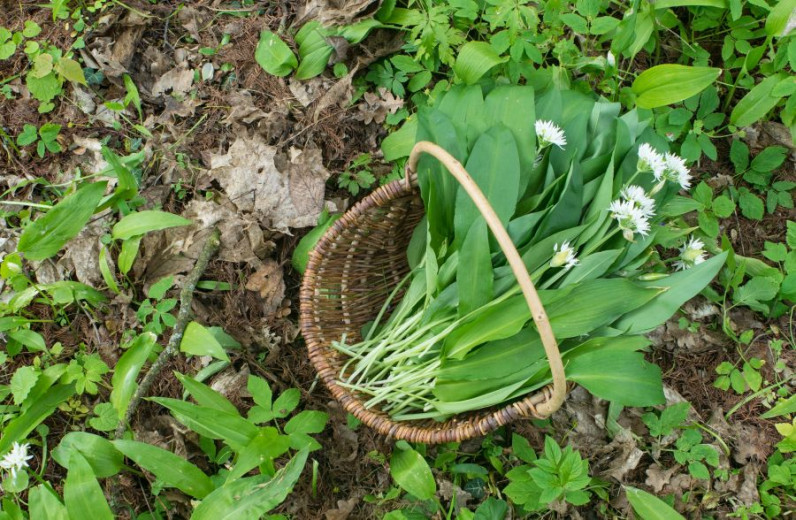 In early spring, we gather wild garlic bulbs and young leaves, followed by its flower buds in late April and early May. Phto: Depositphotos
How to act?
If you experience nausea, stomach pain, or digestive problems within 2 to 12 hours after ingestion, see a doctor or emergency department without delay. Do not forget to take along the plant (or the leftover food) to help doctors identify the cause and provide appropriate treatment.
Always pick only plants you can identify with certainty. If you are not absolutely sure, better leave them be.
Protection against ticks
A walk through the forest, a moment of rest on the grass in a city park or climbing mountain peaks – nature is always close by in Slovenia. However, do not forget about protection against ticks. Ticks are not only found in forests and forest undergrowth, but also in shrubs, grass, home gardens, urban city green spaces and even at altitudes above 1,600 metres.
Slovenia is one of the countries with the highest incidence of tick-borne meningoencephalitis in Europe. Over the past ten years, an average of 100 people have contracted this dangerous disease every year, while between five and seven thousand people become infected with Lyme disease every year.
How to protect yourself effectively?
- Clothing: Wear long, light-coloured clothing (tuck your trousers into your socks). Ticks can be spotted more easily on light-coloured clothing.
- Repellents: Spray your skin and clothes regularly with designated repellents.
- Check your body thoroughly: On returning home, take a shower, wash your hair, and carefully examine your entire body. Keep an eye out for ticks for a few days after your trip to nature.
- Vaccination: Vaccination is the best and most effective protection against tick-borne meningoencephalitis, as there is no cure for this disease (only the symptoms are treated).
-
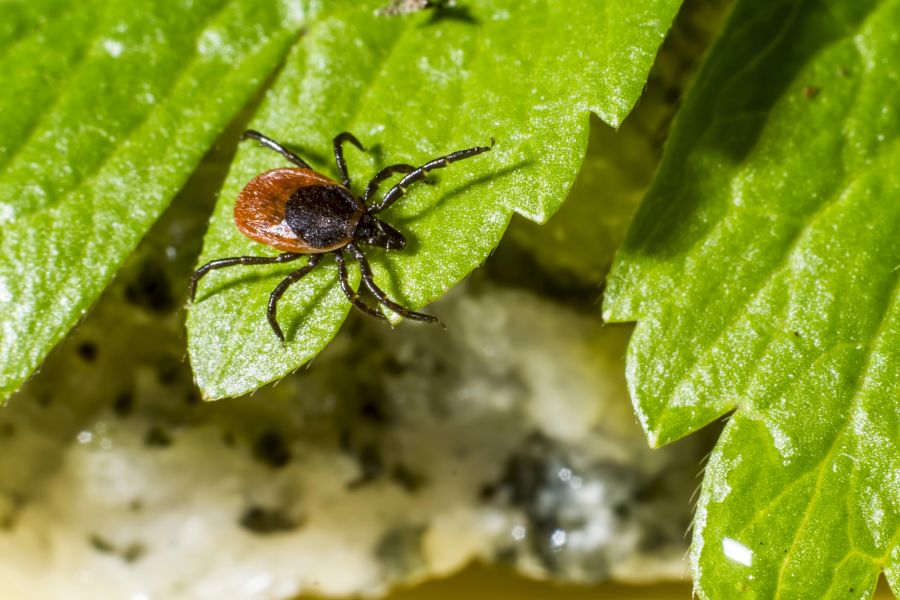
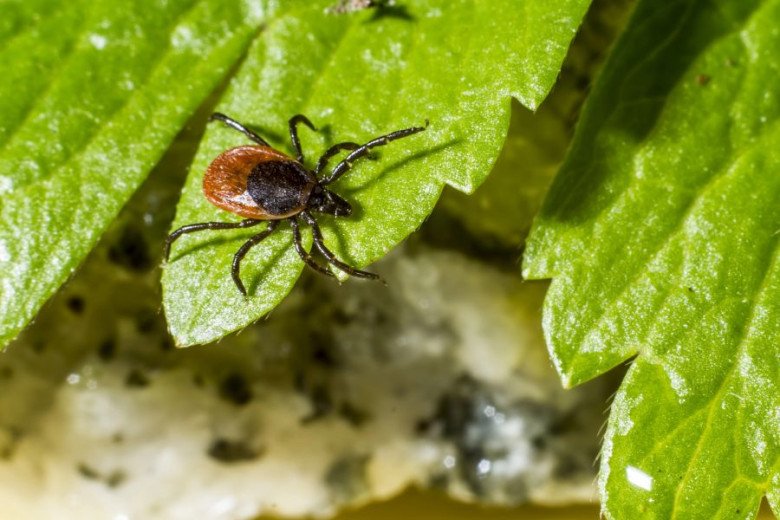 While Slovenia's nature offers countless beautiful spots for relaxation, be sure to protect yourself against ticks during your visit, as they are common both in the valleys and high in the mountains. Photo: Depositphotos
What to do if you are bitten by a tick?
If you notice a tick, remove it immediately with fine-tip tweezers. Grip it as close to the skin as possible and pull it out in a straight, vertical motion. Once the tick has been removed, it is important to wash the bite site with soap and water. Examine the bite site daily.
See a doctor if you suspect Lyme disease (if you notice a red spot within two to ten days after the bite). Seek medical advice if you suspect tick-borne meningoencephalitis (if flu-like symptoms appear 7 to 14 days after the tick bite).
Stay safe in the mountains
The Slovenian mountains are among the country’s most popular natural attractions, as they offer unforgettable views and experiences, but they require good preparation and respect for the mountain environment. Over the past five years, the Mountain Rescue Service has carried out approximately 650 interventions annually. In 2025 they rescued 767 hikers. The most common causes of accidents include slipping, unfamiliarity with the terrain, inappropriate equipment, and the insufficient preparation for the hike. Most accidents could be avoided through preventive measures.
Give due consideration to the conditions and your physical capabilities. Always inform your family or friends about your planned route before leaving.
- The weather in the mountains can change very quickly. Weather at higher altitudes is more changeable. The temperature decreases with altitude. Spring arrives in the lowlands earlier than in the mountains.
- Respect your physical abilities. Start with easier trails and gradually take on more challenging ones. When you reach the top, you are only halfway through your journey, so allow enough time for a safe descent before sunset.
Mandatory equipment:
- Footwear must be waterproof, durable with good ankle support and excellent grip. Clothing should consist of multiple layers; the outer layer should be waterproof and protect you from the wind. Hiking poles provide additional stability and relief for joints.
- In winter conditions, mandatory equipment should include an ice axe, crampons, gaiters and an avalanche safety trio.
- The following items should not be missing from your backpack: sufficient amounts of food and water, a headlamp, a charged mobile phone and a portable battery.
-
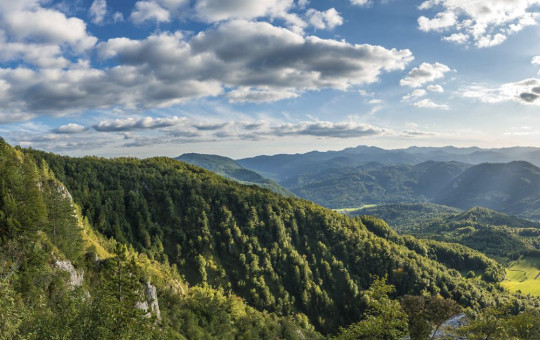
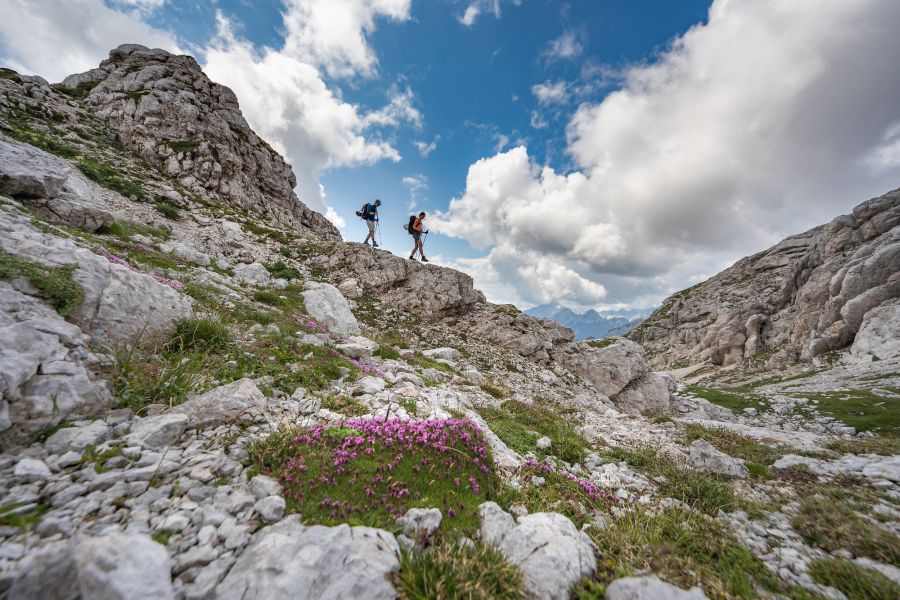
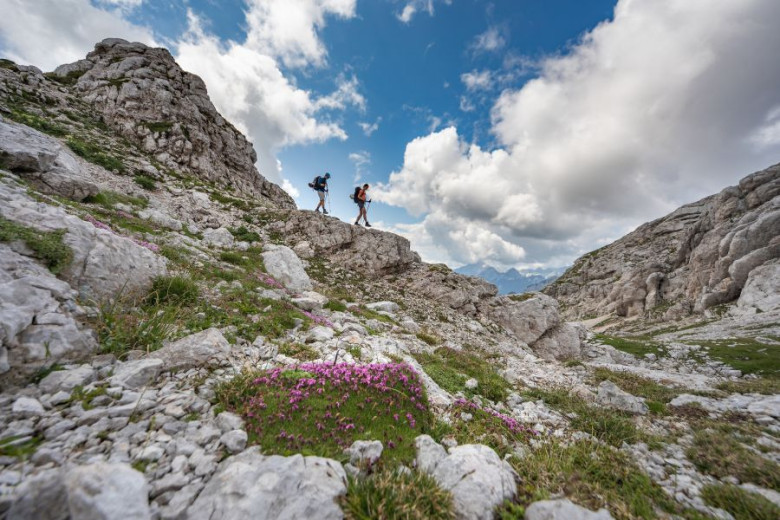 Breathtaking mountain views are best enjoyed when you're well prepared. Photo: Jošt Gantar/Slovenia.info
In case of an accident or dangerous situation, dial 112. Tell the rescuers your full name, describe the incident, provide the exact location and time of the incident, the number of persons hurt and types of injuries, the circumstances at the scene of the incident, and what kind of assistance is required.
Responsible behaviour in nature
Nature is one of Slovenia’s greatest treasures. Slovenia is the third-most forested country in the European Union – forests cover 58% of its territory. It is also home to many living creatures: Slovenia boasts 71 protected plant and 389 protected animal species. It is precisely due to this respectful attitude towards nature that Slovenia maintains an extraordinary natural diversity that everyone can enjoy. An international study by the University of Derby in the UK on people’s connection with nature ranks Slovenia 22nd out of 61 countries. Slovenians visit nature more frequently than average and have a high level of environmental awareness.
Therefore, do not disturb animals or pick plants. Use well-maintained paths and forest roads. The use of motor vehicles in the natural environment is not permitted, as the noise they generate harms animals and plants.
-
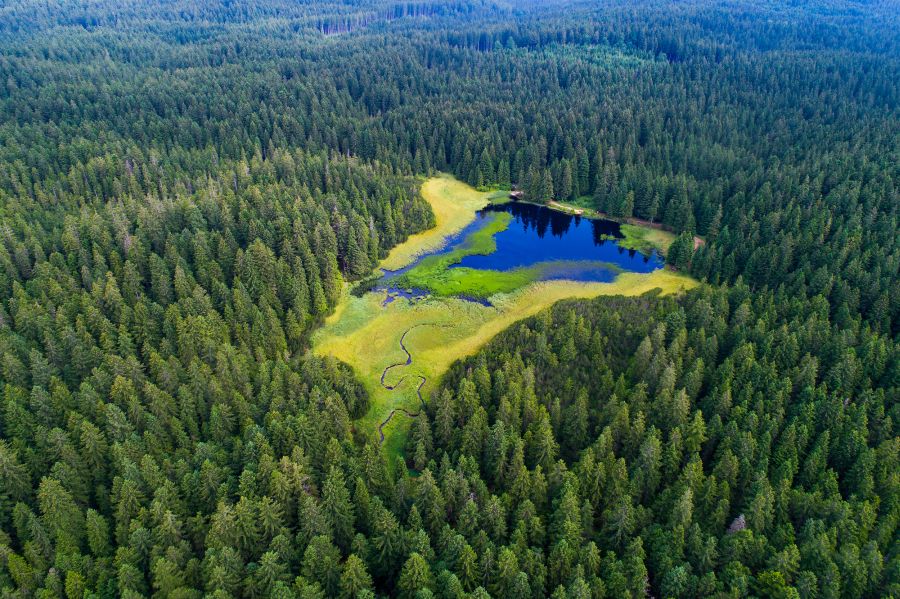
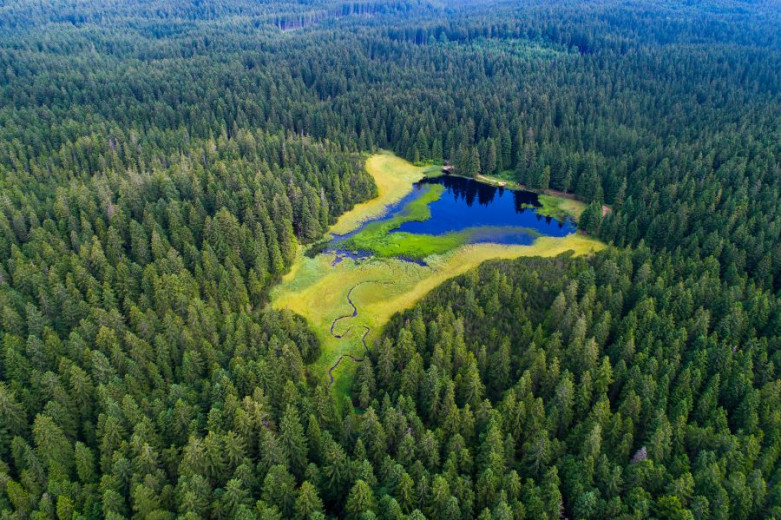 Environmental awareness has long been part of Slovenia's way of life and is essential to preserving its natural treasures. Photo: Jošt Gantar/Slovenia.info
The use of motor vehicles outside forest roads is forbidden as it
- damages the roots of trees and accelerates erosion;
- disturbs animals by interfering with their feeding, migration and reproduction; reduces their habitat;
- increases the risk of water source pollution and causes noise pollution;
- increases safety hazards and reduces the quality of life of local residents, potentially also jeopardizing their safety and the safety of forest visitors.
Tips for environmentally responsible visitors:
- Camping: Wild camping is prohibited. Sleeping under the stars is allowed only in campsites.
- High mountain lakes: You may admire them only from the shore, as swimming is prohibited. Swimmers introduces substances into the water that pose a risk to the sensitive lake ecosystem.
- Waste: Whether you are hiking, camping, or picnicking, dispose of all your waste in bins or take it back with you when you leave.
Cover photo: Jošt Gantar/Slovenia.info