Date: 5. August 2026
Time to read: 3 min
When Slovenia embarked on its independent path in 1991, it faced the challenges of building a state, establishing institutions and finding its place in the international community. The journey was not always easy, but today Slovenia is an active member of the European Union, the United Nations and numerous other international organisations.
Over the past 35 years, it has developed a strong network of partnerships around the world and emerged as a country that contributes its experience, knowledge and perspective to addressing shared global challenges. To mark the 35th anniversary of independence, the Statistical Office of the Republic of Slovenia has prepared a selection of comparative statistics and fascinating facts about the country’s development.
People: the great story of progress
A country is shaped and built by its people. Today, Slovenia has 2,130,850 inhabitants, around 7 per cent more than at the time of independence in 1991. Over the past decades, Slovenian society has evolved significantly: people live longer, are better educated and are more connected to the world than ever before.
One of the clearest indicators of progress is increased life expectancy. Boys born today can expect to live 79.5 years, while girls can expect to live 84.7 years. This progress reflects improvements in healthcare, quality of life and the opportunities available to future generations.
-
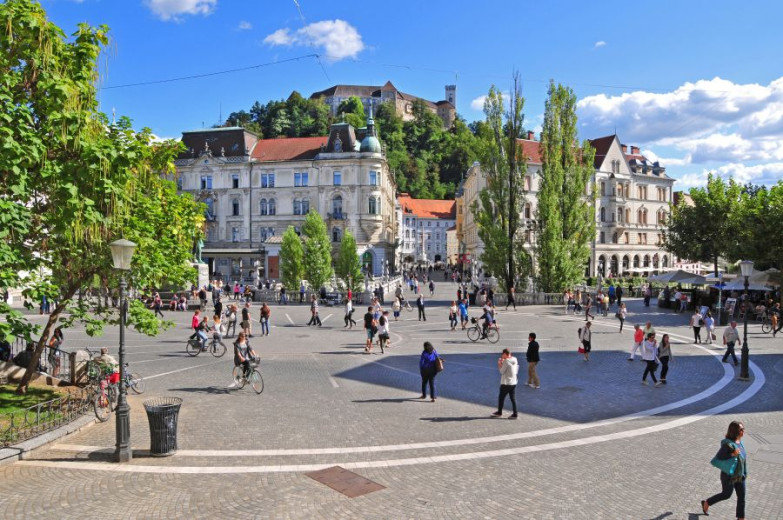 Today, Slovenia has 2,130,850 inhabitants. Photo: Depositphotos
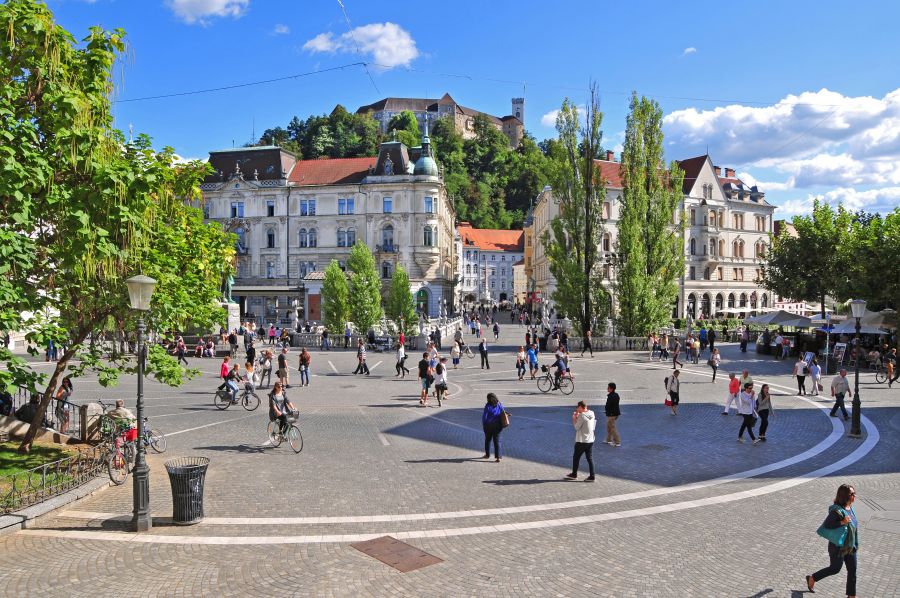
Knowledge builds the future
Over the past 35 years, Slovenia has developed into a knowledge-based society. Today, 38 per cent of people aged 25 to 64 have completed tertiary education. Investment in knowledge begins early, with 86 per cent of children aged between one and five attending preschool education programmes.
Nearly 196,000 pupils attend 820 primary schools across Slovenia, ensuring access to education throughout the country. Slovenia allocates 5.2 per cent of its GDP, or nearly €3.5 billion, to formal education.
Knowledge is the foundation of economic development, science, innovation and creativity, areas in which Slovenia continues to strengthen its role on the international stage.
-
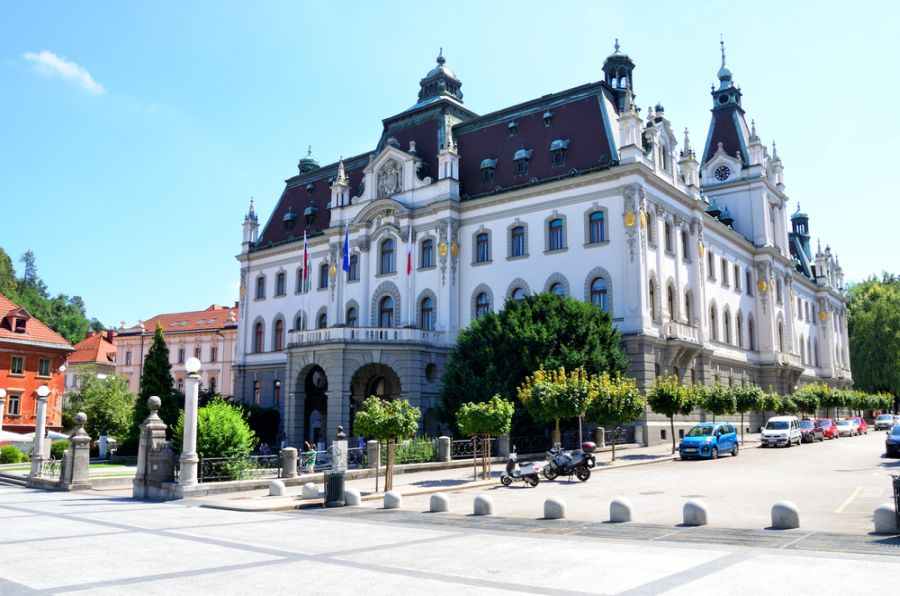
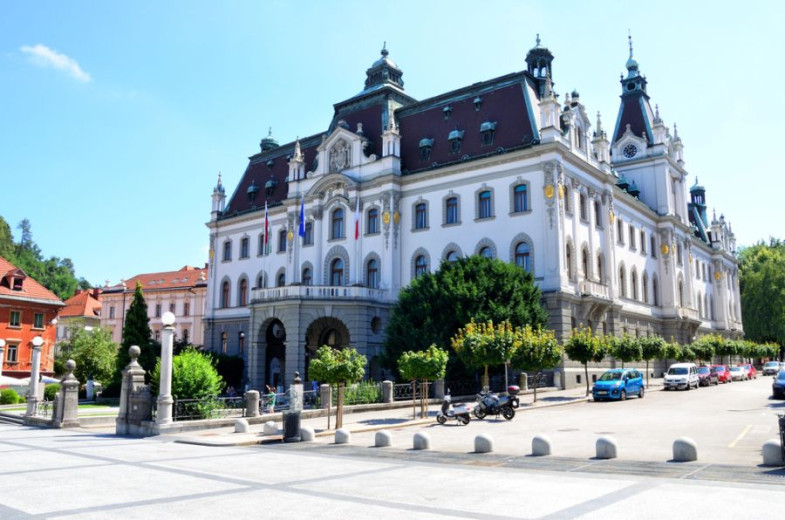 The University of Ljubljana is the oldest university in Slovenia. Photo: Depositphotos
From transition to an open economy
Over the past 35 years, Slovenia has built a modern and open economy. From a newly independent state, it has developed into a member of both the European Union and the euro area, with a competitive economy closely connected to European and global markets.
Today, GDP per capita is approximately six times higher than it was in 1991.
Economic development is also reflected in everyday life. The average net salary now provides significantly greater purchasing power than at independence. With today’s average salary, people can buy approximately five times more pork, four times more cooking oil and apples, and three times more flour, sugar or coffee than they could in 1991.
-
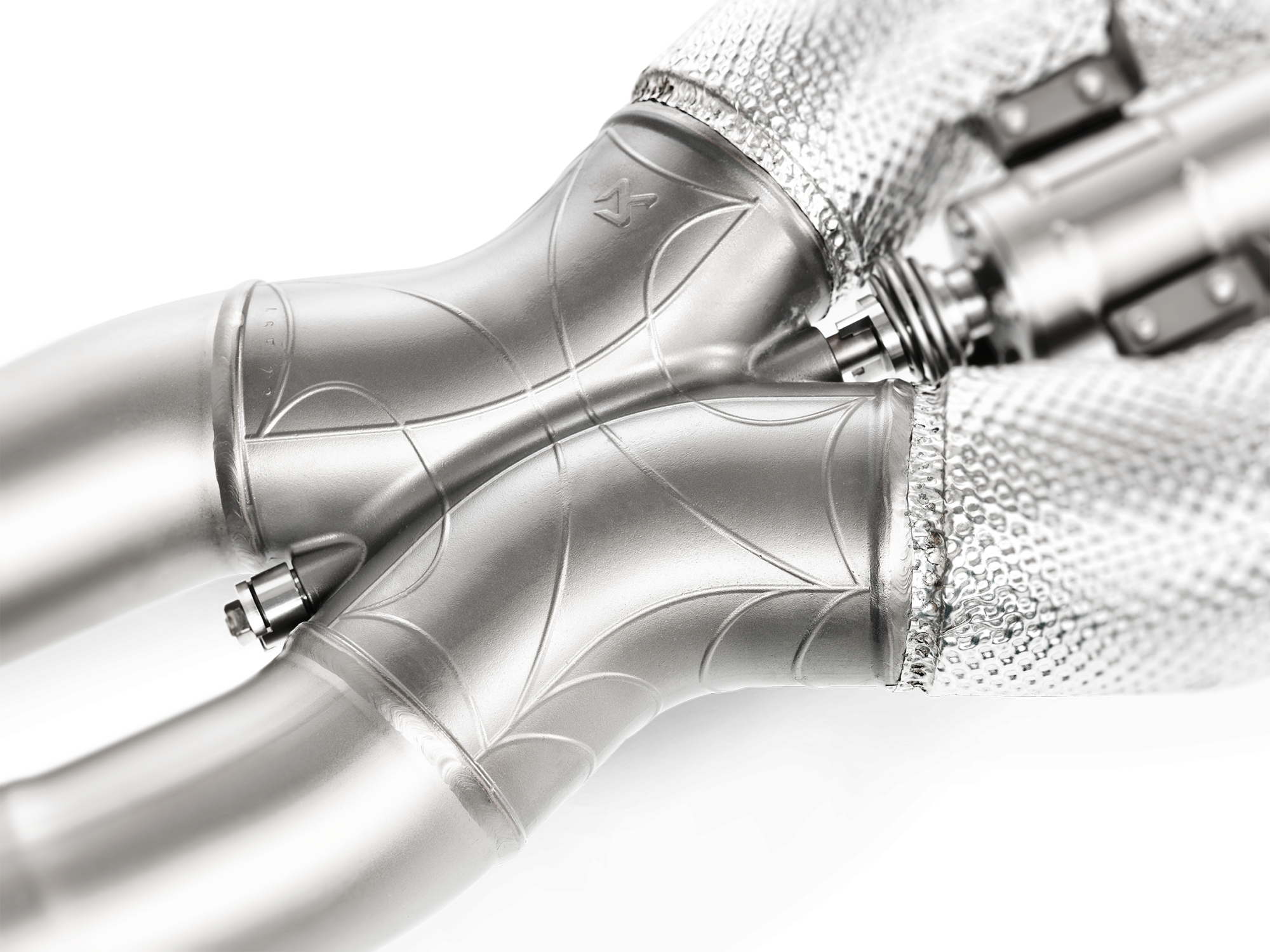
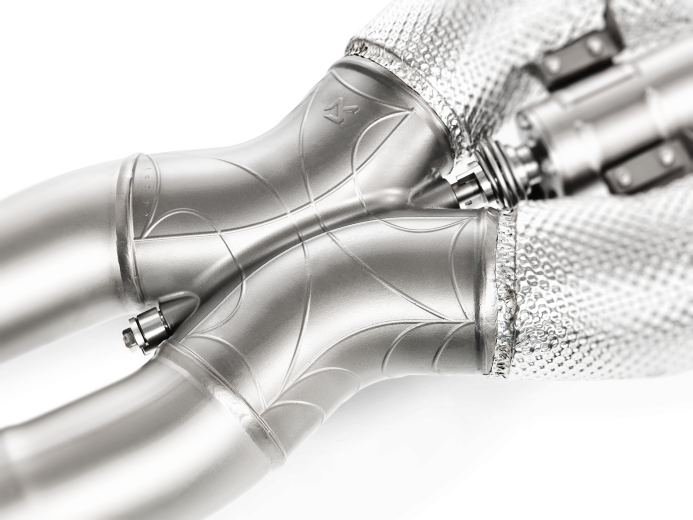 Akrapovič is the market-leading manufacturer of premium exhaust systems for motorcycles and performance cars. Photo: SPIRIT Slovenia
-
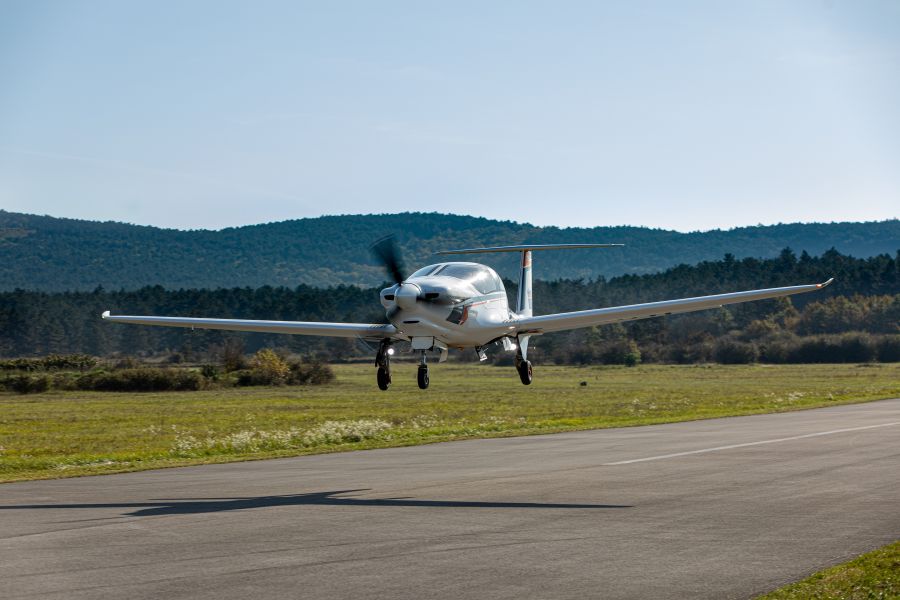
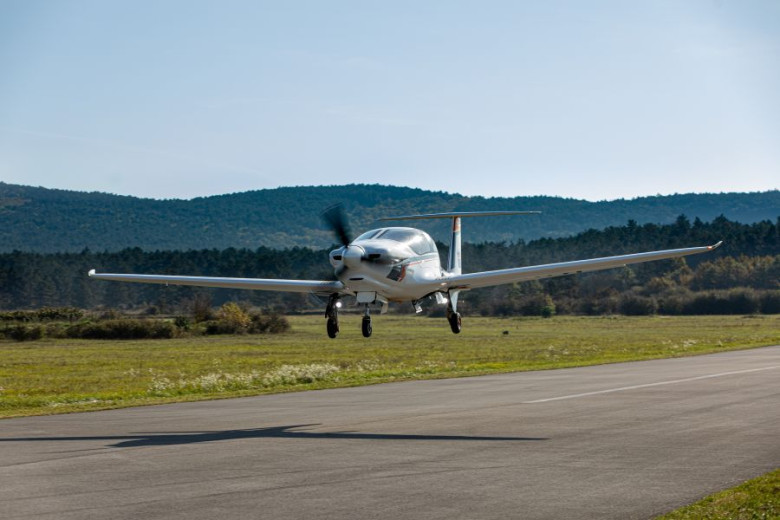 Pipistrel is a company that sets the trend for the present and shapes the future of aviation. Photo: SPIRIT Slovenia
-
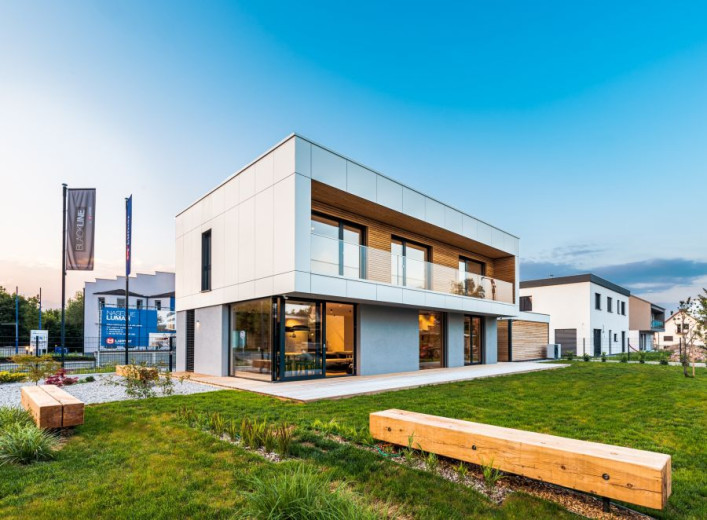 As an ambassador of the Slovenian economy, Lumar is recognized as a leading provider of sustainable, technologically advanced, and energy-efficient prefabricated wooden buildings. Photo: SPIRIT Slovenia
Culture, creativity and sport
Culture is one of the cornerstones of Slovenian identity. Every year, Slovenia hosts more than 25,000 cultural events, an average of around 70 each day. Museums, galleries, theatres, libraries and festivals connect rich cultural heritage with contemporary creativity.
Creativity also finds expression in science, design, architecture, entrepreneurship and innovation. Slovenian ideas and solutions are increasingly reaching audiences beyond the country's borders. Over the past 35 years, Slovenia has become a place where ideas, knowledge and imagination come together. Creativity remains a vital driver of development, from innovative solutions and world-class design to scientific achievements, inspiring stories and new perspectives on the world.
During the same period, Slovenia has established itself as one of the world's most recognisable sporting nations. Although home to just over two million people, Slovenian athletes have been inspiring audiences at the highest level of international competition for decades.
These achievements are no coincidence. They are the result of systematic work, a strong sporting tradition and values that are nurtured from an early age. In Slovenia, children are introduced to sport in kindergartens and schools, while many take their first competitive steps in local sports clubs, where future champions begin their journeys.
From the Olympic Games and World Championships to the world's most prestigious cycling races, climbing competitions, ski slopes, basketball courts and ice arenas, Slovenian athletes have carried the name of Slovenia to millions of people around the globe.
Slovenia: A destination the world has discovered
Over the past three and a half decades, Slovenia has transformed from a little-known destination into a recognised tourism success story. Today, it welcomes nearly 7 million visitors, who generate more than 17 million overnight stays each year.
Visitors are drawn by the country's remarkable diversity within a compact area: Alpine peaks, Pannonian plains, vast forests, vineyard-covered hills, historic towns and the Adriatic coast. Slovenia's tourism story is one of sustainability, high-quality experiences and the people who create authentic and memorable moments for visitors.
The passport
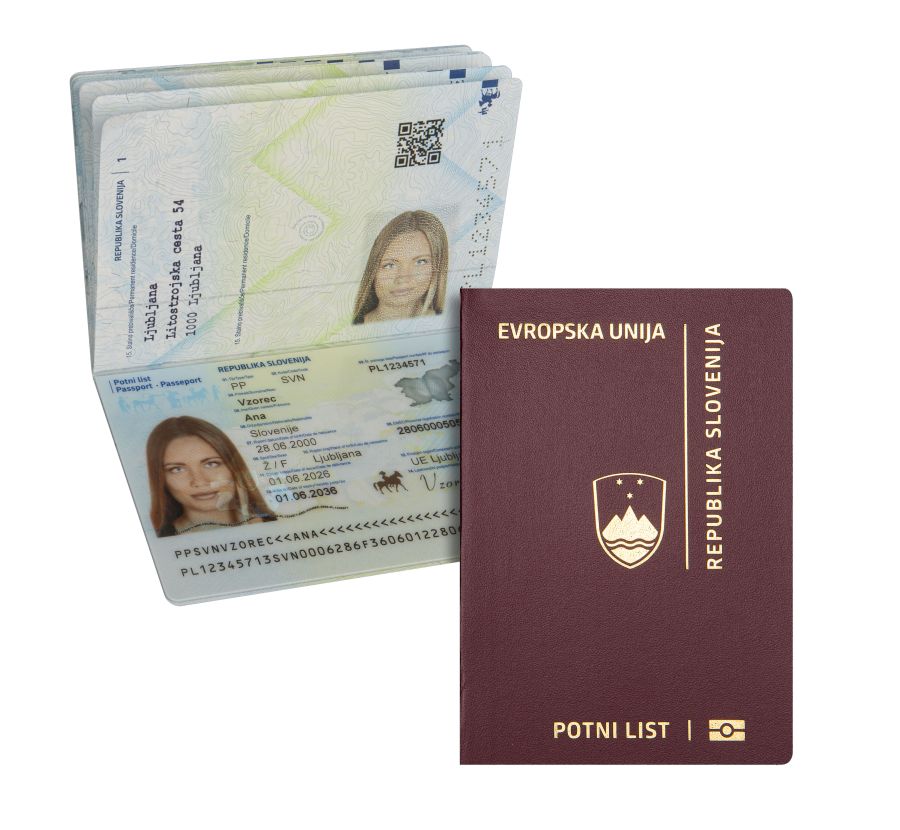
Today, the Slovenian passport is among the most powerful in the world. It symbolises freedom, trust, openness and everything the country has achieved over the past 35 years.
According to the Henley Passport Index, the Slovenian passport ranks 5th globally, providing visa-free or visa-on-arrival access to 184 destinations worldwide. It opens doors to travel, study, work and connections with people across the globe.
-
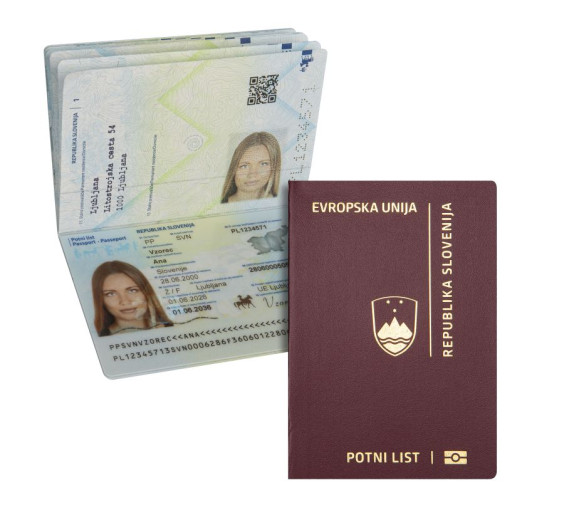 Slovenian passport. Photo: MNZJU
35 years of progress, looking ahead
Thirty-five years after independence, Slovenia is no longer a country that the world is only beginning to discover. Today, it is a country that collaborates, creates and contributes.
Its greatest strengths remain its people, knowledge, creativity and close connection with nature.
Over the past 35 years, Slovenia has become more open, more connected and more confident. At the same time, it remains committed to the values that define it: sustainability, cooperation and a high quality of life.