Date: 30. July 2026
Time to read: 2 min
Every year, around 28 million cataract surgeries are performed worldwide. The fact that this most common medical procedure is now faster, safer and far more comfortable for patients than it once was is due in part to the work of the Slovenian engineer Anton Banko, whose technological innovations permanently changed the field of ophthalmic surgery.
A revolution for patients
In the past, surgeons removing cataracts had to make an incision of about 12 millimetres to extract the eye's natural lens. Recovery often took several weeks, patients typically remained in the hospital, and the large incision frequently reduced visual sharpness, requiring additional correction with glasses.
"Banko's ultrasound technology made it possible to reduce the incision to about two millimetres, because the ultrasound breaks up the lens inside the eye before it is removed. A smaller incision means faster recovery, fewer complications, and better outcomes," explains Prof. Dr. Marko Hawlina of the Eye Clinic at the University Medical Centre Ljubljana.
He adds that this approach became the foundation of modern cataract surgery as it is still performed today.
-
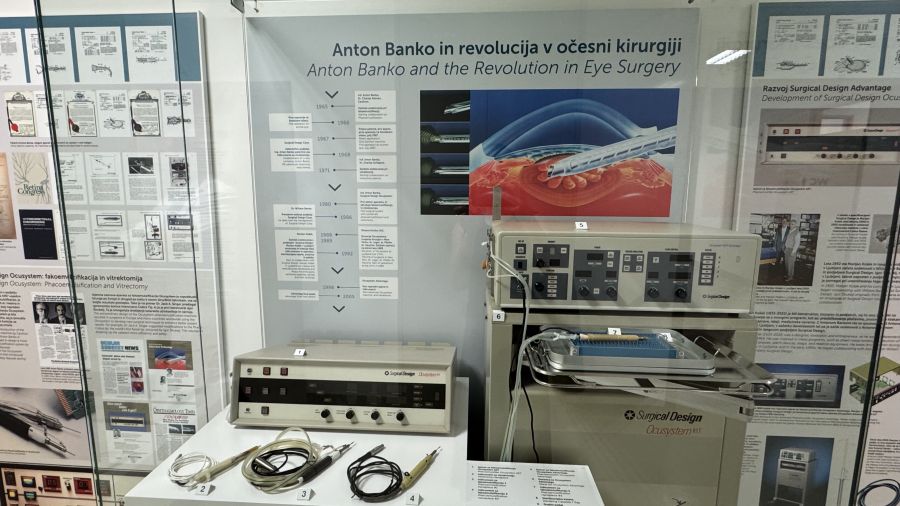
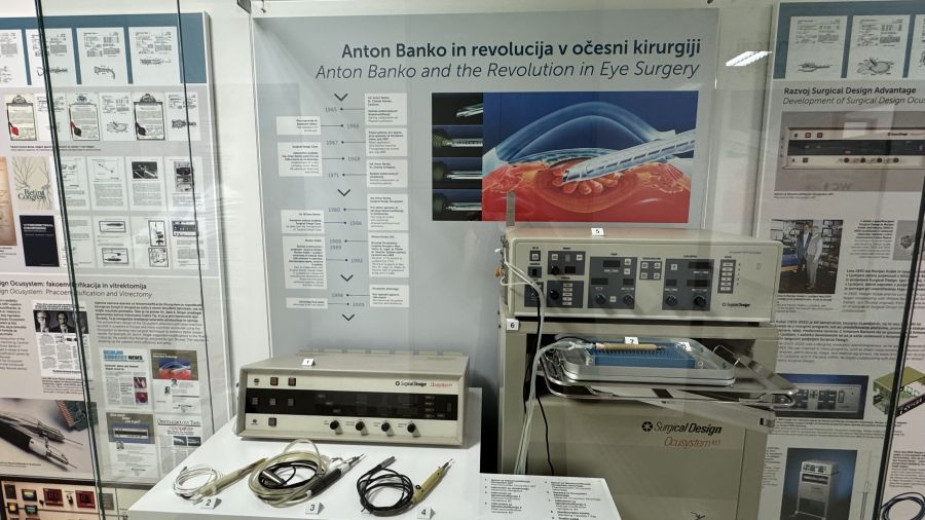 One of the ophthalmic surgical systems developed by Anton Banko, whose innovations transformed retinal and vitreous surgery. Photo: UKOM
-
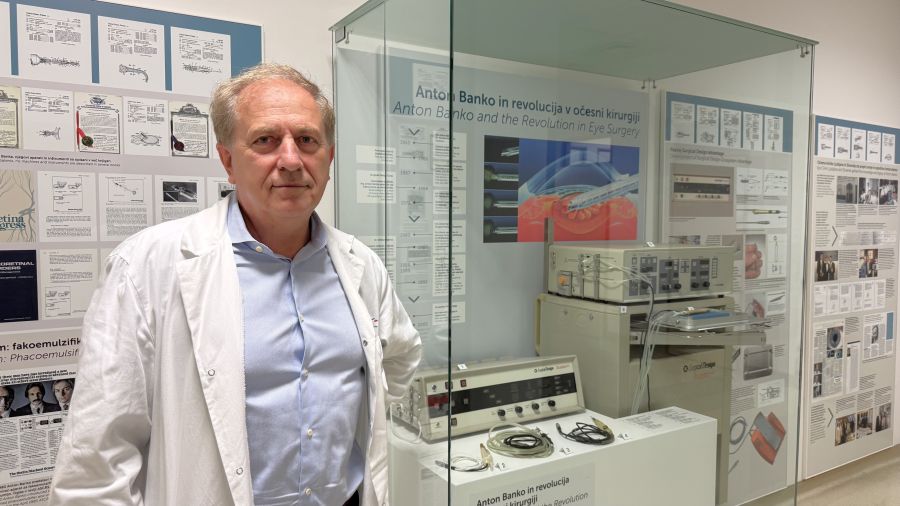
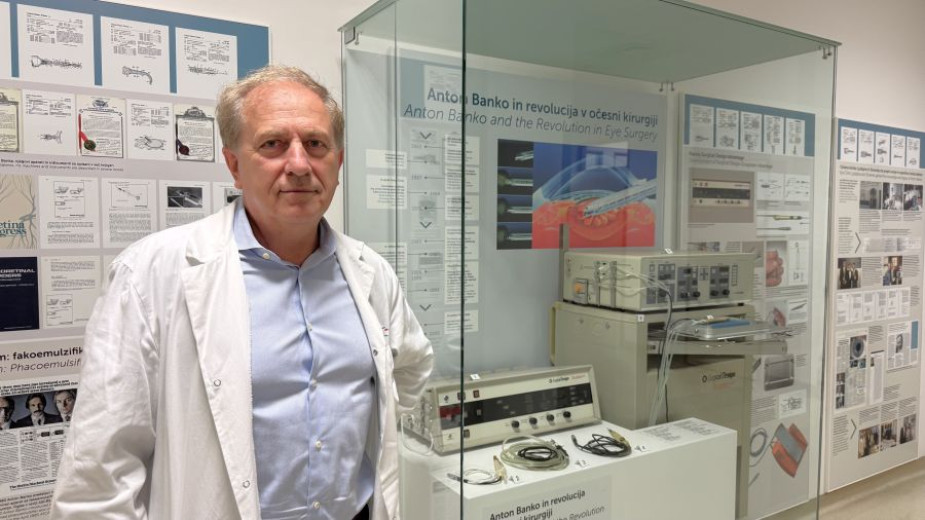 Professor Marko Hawlina, an internationally renowned ophthalmic surgeon, has helped ensure that Anton Banko's groundbreaking contributions to eye surgery are recognised and remembered. Photo: UKOM
Collaboration with Ophthalmologist Charles Kelman
The story began in the 1960s, when ophthalmologist Charles Kelman was searching for a less invasive way to remove the eye's lens. "After numerous unsuccessful ideas, the decisive breakthrough came entirely by chance. During a visit to the dentist, Kelman watched an ultrasonic scaler used to remove dental plaque and realised that a similar technology might be used to remove the eye's lens," says Prof. Dr. Hawlina. Kelman brought the idea to Anton Banko, who at the time was head of development at the American company Cavitron Ultrasonics, where ultrasonic dental equipment was being developed.
Rather than simply adapting a dental instrument, Banko designed an entirely new surgical device. He developed a handpiece that surgeons could insert into the eye during surgery. It integrated an ultrasonic generator, irrigation and aspiration systems and sensors that maintained stable intraocular pressure throughout the procedure. This made cataract removal both safer and more precise.
-
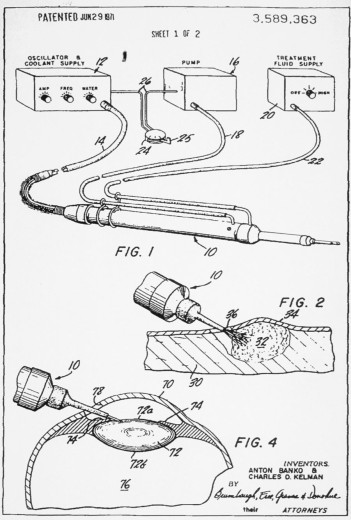 One of the patents filed by Anton Banko and Charles Kelman for the technology that laid the foundation for modern cataract surgery. Photo: Banko personal archive
-
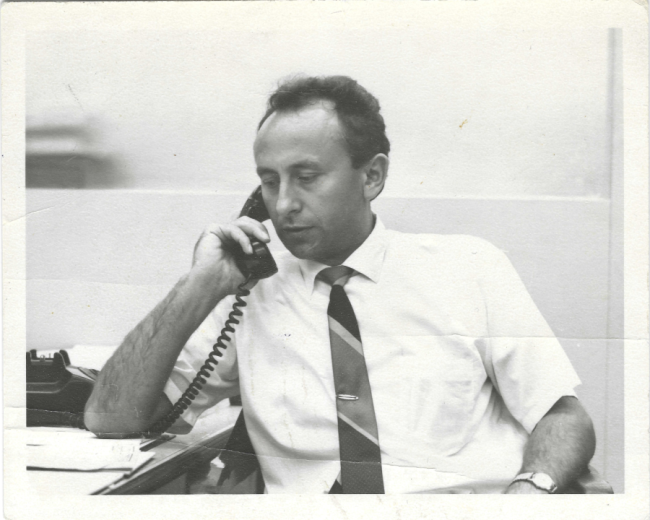 Anton Banko at Cavitron Ultrasonics, where his collaboration with ophthalmologist Charles Kelman led to innovations that transformed cataract surgery. Photo: Surgical design archive
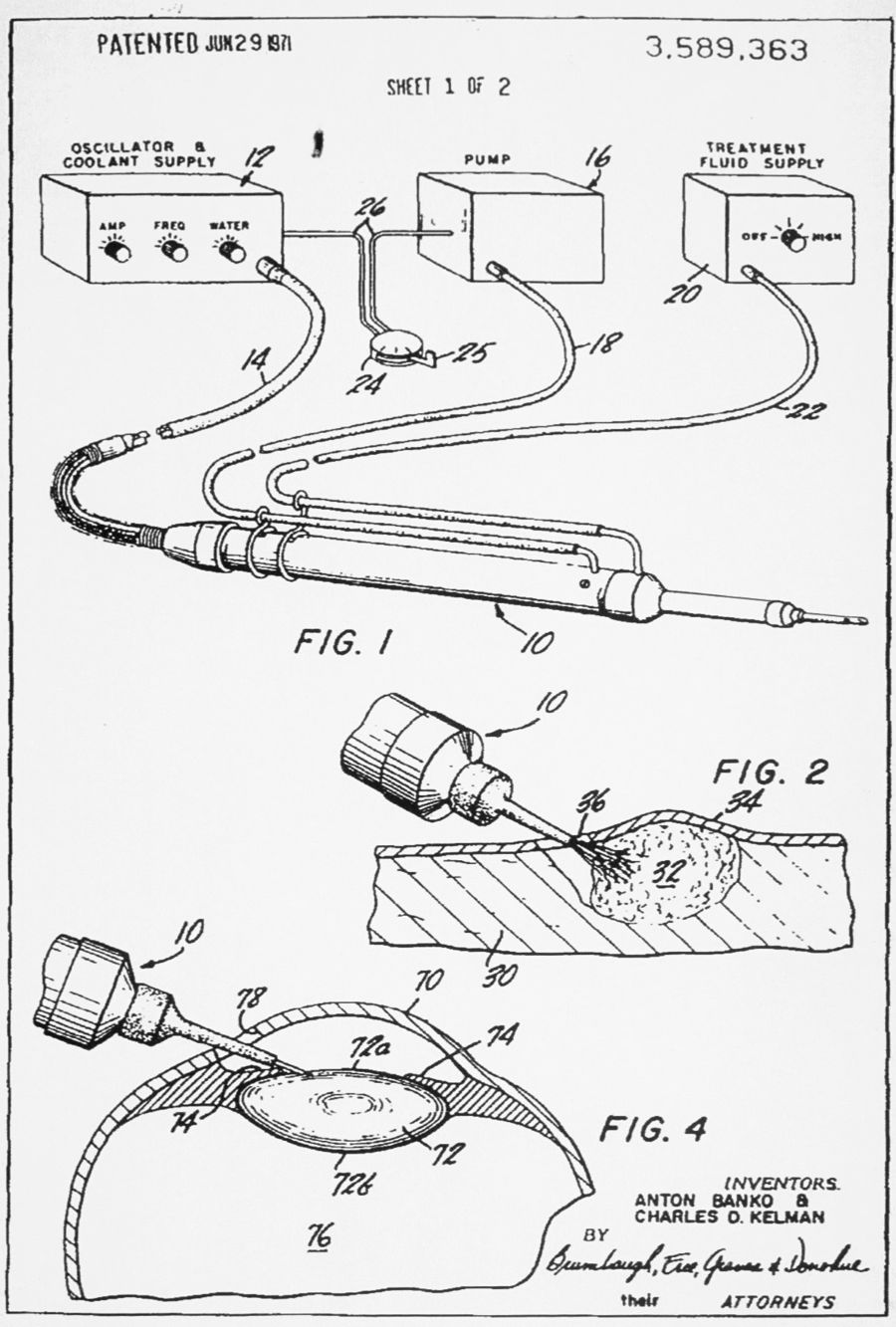
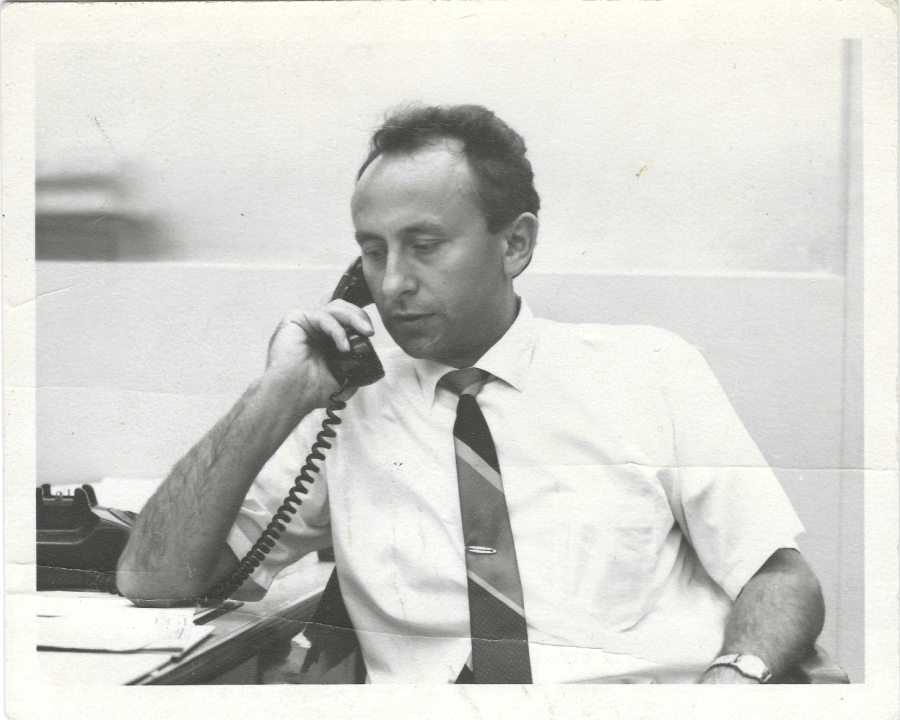
In 1967, Banko and Kelman filed a patent for the new technology, laying the groundwork for modern cataract surgery. The following year, 1968, Banko founded his own company, Surgical Design, in New York. There he went on to develop instruments for retinal and vitreous surgery, and in 1980 introduced the first surgical system that enabled both procedures to be performed using a single operating console.
Early Resistance
But the road to success was not an easy one. Because of initial complications, many established surgeons opposed the new method and continued to rely on conventional cataract surgery. It was younger ophthalmologists who were willing to embrace and further develop the technology.
According to Prof. Dr. Hawlina, Banko's devices were among the most technologically advanced of their time. His greatest strength was not only his original ideas but also his relentless commitment to refining the technology.
Whenever surgeons encountered complications, Banko developed new solutions that made the devices increasingly reliable. His work was cut short by a fatal illness. He died at the age of 58. Soon afterward, the technology he had helped create was adopted and further developed by major international medical device companies.
Honouring his Slovenian roots
Anton Banko was born in 1927 into a Slovenian family in Istria, which had been under Italian rule since 1920. After studying mechanical engineering in Ljubljana, he married Stanislava Štrukelj and worked in Koper, where their son William was born in 1955. In 1962, the family moved to the United States. Although Banko spent most of his professional life in America, he never forgot Slovenia.
In 1988, two years after Anton Banko's death, the Eye Clinic at the University Medical Centre Ljubljana received a letter from the Banko family expressing their wish to donate one of his surgical devices to the clinic and to provide training opportunities for Slovenian surgeons in the United States.
In January 1989, three Slovenian ophthalmic surgeons – Primož Logar, Vladimir Pfeifer and Marko Hawlina (the latter two then still residents) – trained at Surgical Design's laboratory. Logar performed his first cataract operation in March 1989, and by June had also completed the clinic's first combined cataract and vitreous surgery.
-
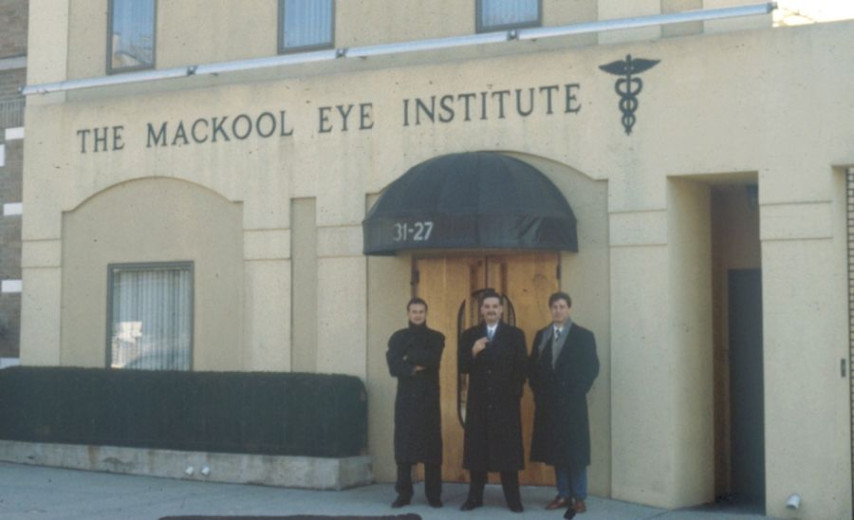 The 1989 training of Slovenian ophthalmic surgeons at Surgical Design marked a turning point in the development of modern cataract and vitreous surgery in Slovenia. Photo: Marko Hawlina personal archive
The donation significantly accelerated the development of ophthalmic surgery in Slovenia. Slovenian ophthalmologists became among the first in the wider region to perform modern cataract surgery and posterior eye procedures, later passing on their expertise to colleagues both within Slovenia and abroad.
For decades, Anton Banko's name remained overshadowed by that of Charles Kelman, who is often credited as the father of modern cataract surgery. This year, however, Banko's story has returned to Slovenia. At the initiative of Prof. Dr. Hawlina, Banko's original patents, drawings and technical documentation have been preserved in the collections of the National and University Library of Slovenia, while the devices donated by William Banko have been added to the collection of the Technical Museum of Slovenia. To mark the 40th anniversary of Anton Banko's death, the Eye Clinic inaugurated a permanent exhibition dedicated to his life and achievements. The ceremony was further honoured by a speech in Slovenian delivered by his son, William Banko.