Date: 29. January 2026
Time to read: 5 min
Slovenia has declared 2026 the year of the great Slovenian poet Srečko Kosovel and the writer Zofka Kveder. Marking the centenary of their deaths, the year is dedicated to honouring two major figures of Slovenian literature and to highlighting their lasting impact on Slovenian culture and society.
Srečko Kosovel (1904–1926) is among the most prominent figures of modern Slovenian and European poetry of the twentieth century and is regarded as a unique literary figure.
He was initially inspired by Impressionism, which remained a lasting influence on his work, before experimenting with Futurism and Dadaism, and later developing Expressionist, Constructivist and socially revolutionary poetry. After his death, several collections of his poems were published, including Pesmi (Poems, 1927), Izbrane pesmi (Selected Poems, 1931), Zlati čoln (The Golden Boat, 1954), Ekstaza smrti (The Ecstasy of Death, 1964) and Integrali ’26 (Integrals ’26, 1967) among others.
-
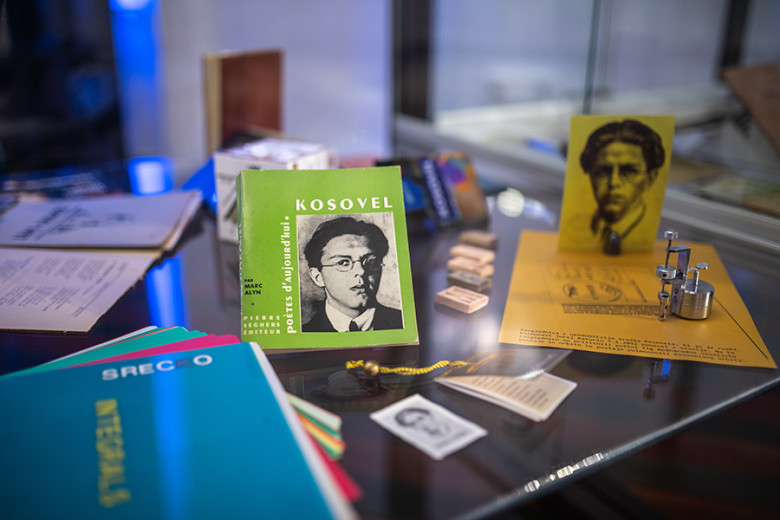 His poetry has been translated into more than 20 languages, including English, German, French, Italian, Spanish, Portuguese, Romanian, Croatian, Serbian, Macedonian, Czech, Slovak, Polish, Russian, Hungarian, Albanian, Catalan and Esperanto. Photo: Archive of the Municipality of Sežana.
-
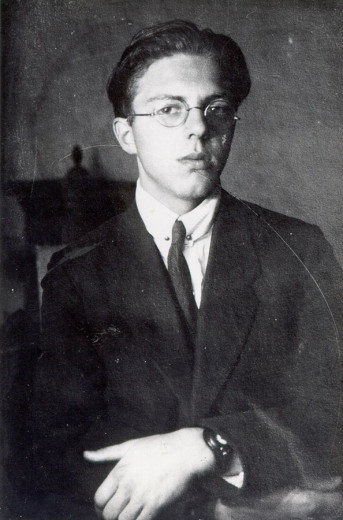 Portrait of the poet Srečko Kosovel. Photo: Archive of the National and University Library
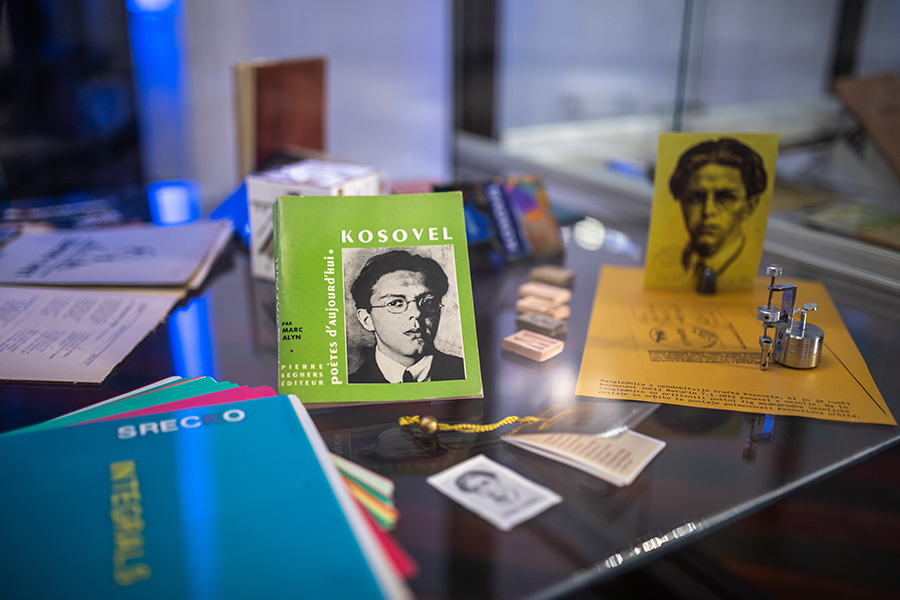
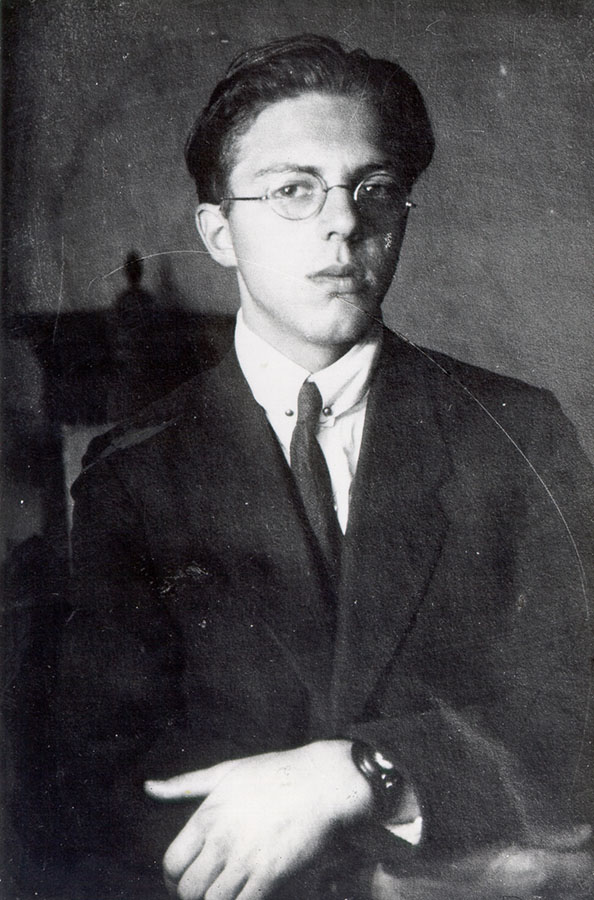
Despite his untimely death and the brevity of his creative life, Kosovel left behind an extensive body of work, which can also be attributed to his personal qualities. As explained by Dr Janez Vrečko, who has been studying the poet's work for many years, Kosovel "engaged deeply with a wide range of ideas and immersed himself in the philosophical and literary-aesthetic foundations of various artistic movements and currents. He was a person of great energy and self-discipline, exceptionally well read and uncompromising towards himself and others".
Groundbreaking poetry for a new age
The beginning of the twentieth century was marked by the idea of creating a new human being. It was a time when the foundations of a new understanding of the world were being laid in Europe and when science, philosophy and poetry spoke a common language. Dr Janez Vrečko adds that Kosovel "belonged to a generation that personally experienced the profound shift brought about by quantum and relativity theory. Kosovel's work confirms this to a much greater extent than was previously recognised". This is evident in his literary Constructivism, particularly in the "kons", short experimental poetic constructions that represent an achievement of European significance. Constructivism advocated the belief that art was no longer merely decoration or an expression of personal feeling, but a functional tool of society, intended to help build a new, modernised community.
Messages of striking contemporary relevance
In addition to being a poet, Kosovel was also a thinker and a humanist. His works intertwine visionary, social and religious themes, centred on the idea of personal and collective apocalypse.
The rise of Fascism in Europe and the burning of the National Hall in Trieste in 1920 both left a profound mark on his work. In his article Separatisti (Separatists), Kosovel stated resolutely that the ideal is a "European human being, diverse in appearance yet united by a common striving. Let us be one in spirit and love, while preserving our own identities". At the same time, the individual and their personal dignity and value remained at the forefront: "Injustice is injustice, whether it happens to one, to thousands or to millions. And we are against injustice. For even a single person is a human being. Our guiding idea is: for the human being".
Kosovel's legacy between Sežana and Tomaj
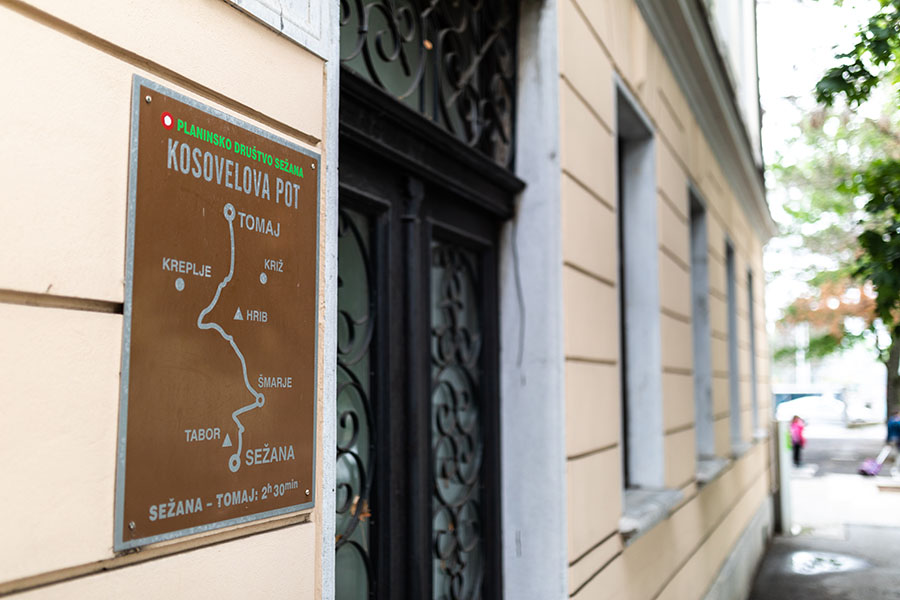
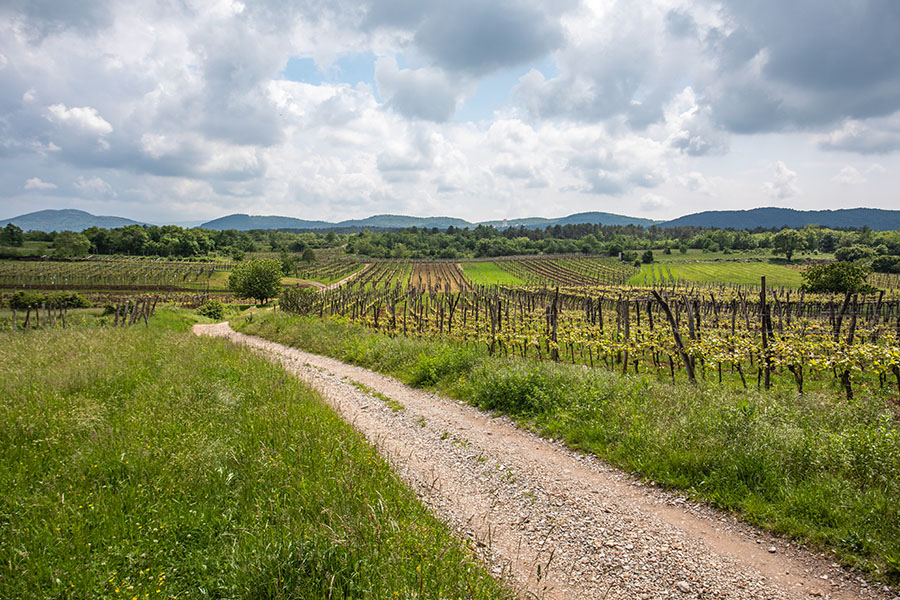
Srečko Kosovel is often referred to as the poet of the Karst, the region of his childhood in south-western Slovenia. He was born in Sežana and later lived in Tomaj. Visitors wishing to explore the places associated with his life and work can visit Srečko Kosovel memorial room in Sežana. Following a comprehensive renovation, the Kosovel family homestead, where the poet lived with his family as a child, will also reopen its doors. Nature and literature enthusiasts can follow the easy Srečko Kosovel memorial trail, leading through small forests of pine trees, across gmajna grasslands and past vineyards. During the Year of Kosovel, numerous experiences and events are being prepared, with further information available at the Sežana Tourist Information Centre.
-
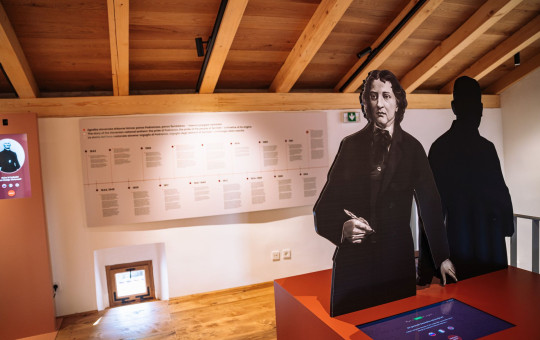
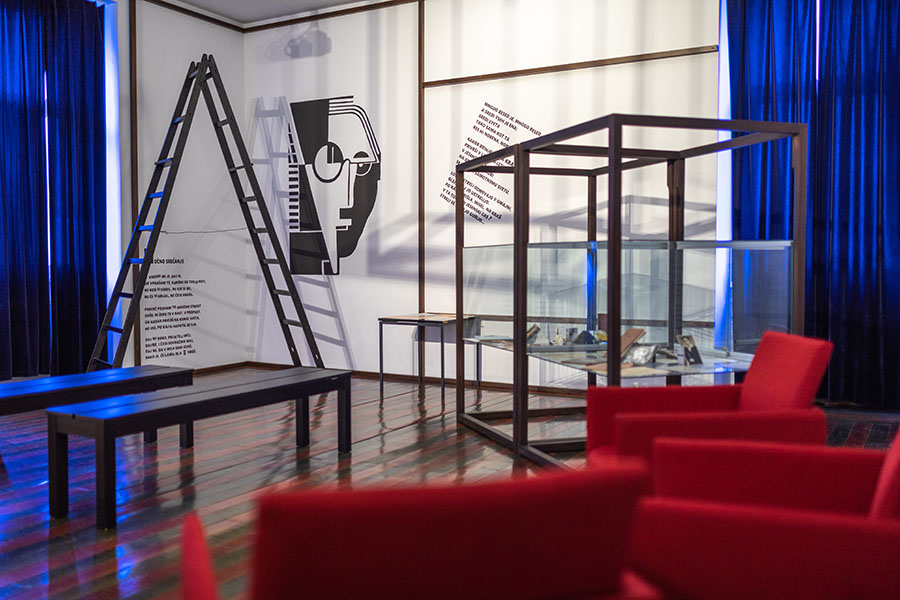
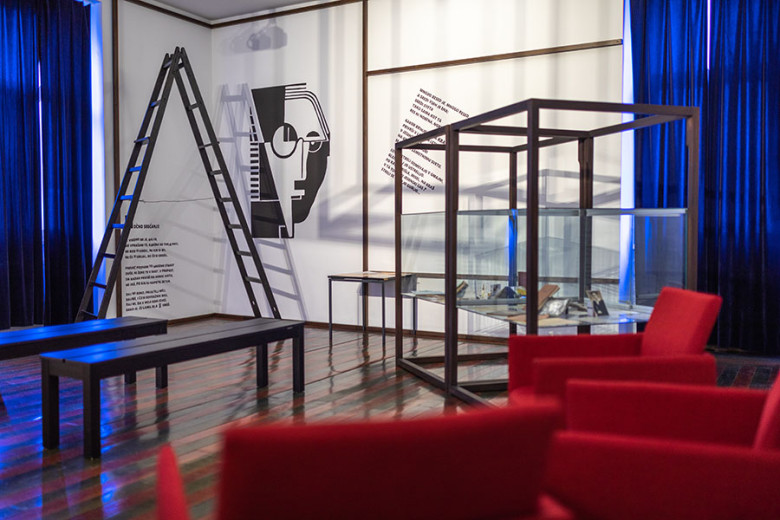 The memorial room is a constructivistically designed space that takes visitors on a literary journey. It is located in the building of the Sežana Adult Education Centre. Photo: Archive of the Municipality of Sežana
-
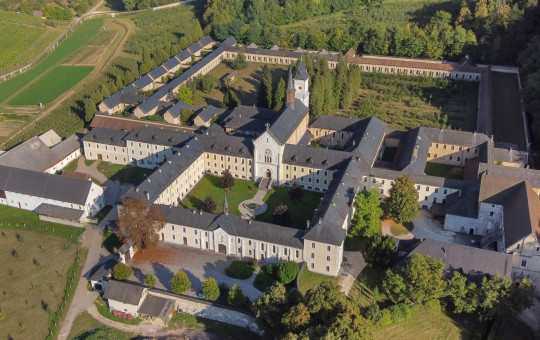
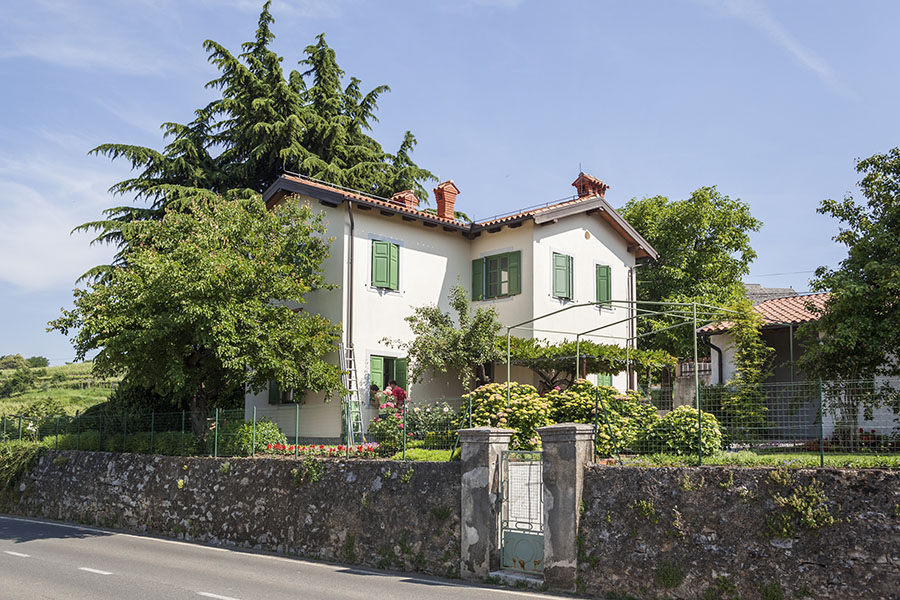
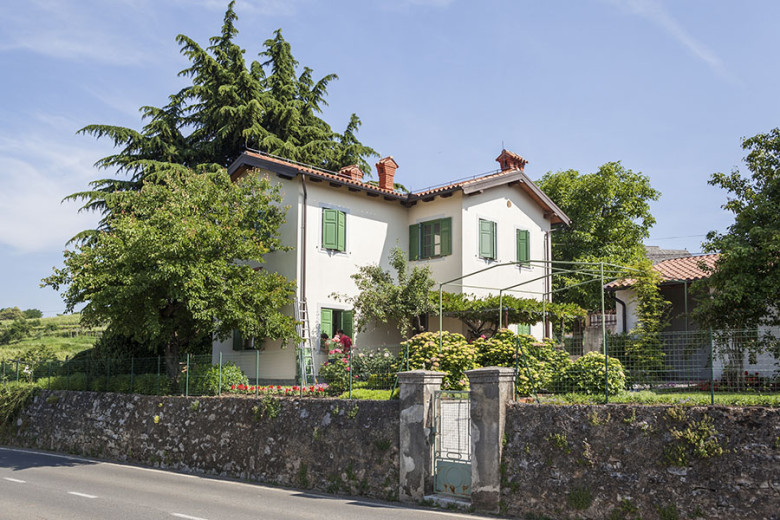 In Tomaj, along the main road between Sežana and Nova Gorica, stands the homestead of Srečko Kosovel. Photo: Archive of the Municipality of Sežana
-
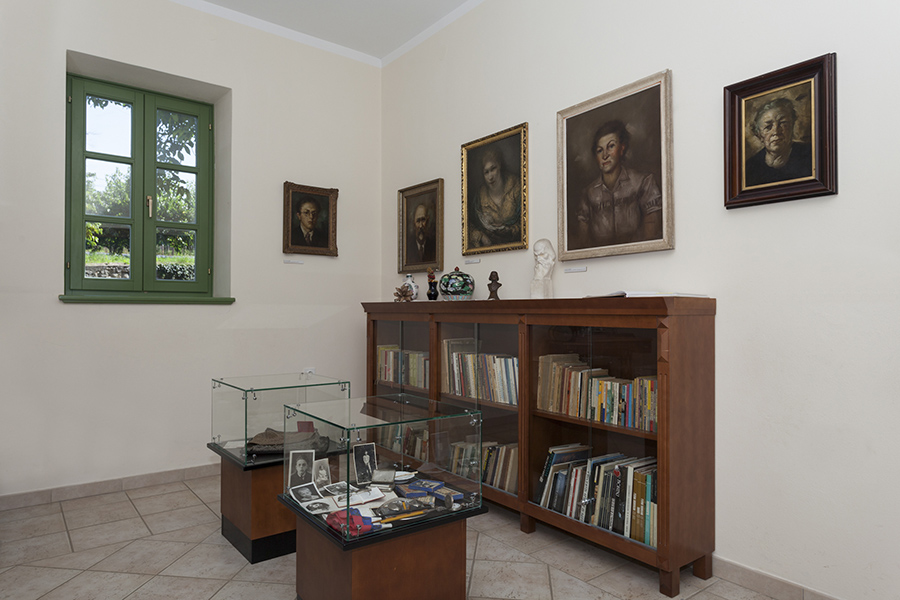
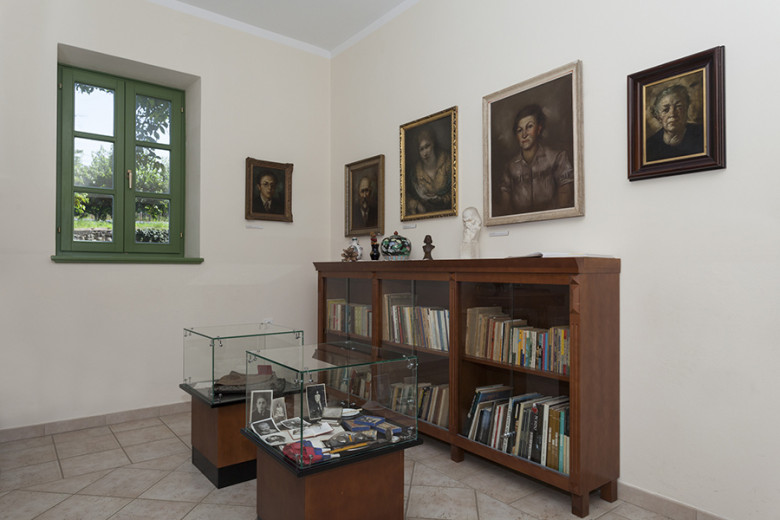 At the Kosovel homestead, visitors can explore his life and work. Photo: Archive of the Municipality of Sežana
-
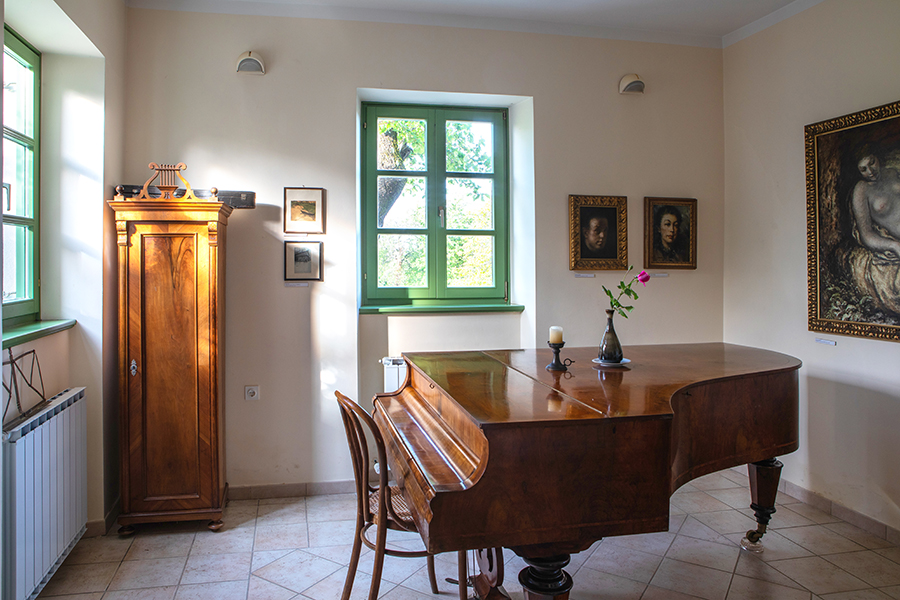
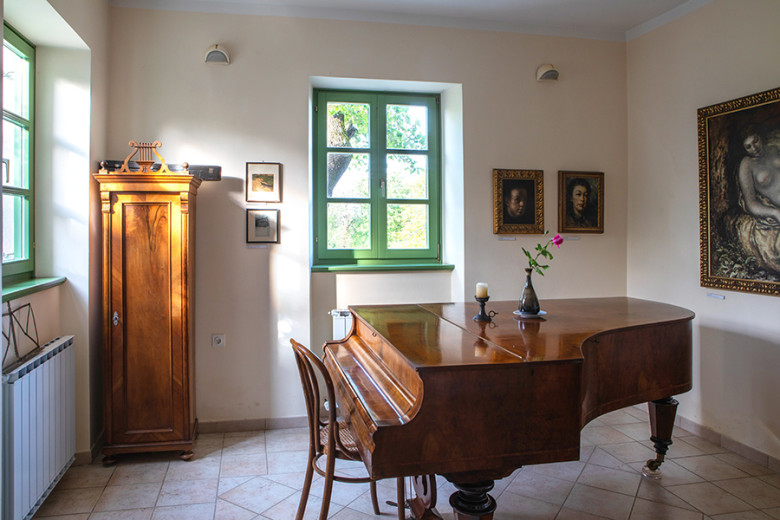 The piano is one of the personal belongings of the Kosovel family, who were deeply devoted to music. Srečko’s sister, Karmela Kosovel, became an outstanding pianist. Photo: Archive of the Municipality of Sežana
-
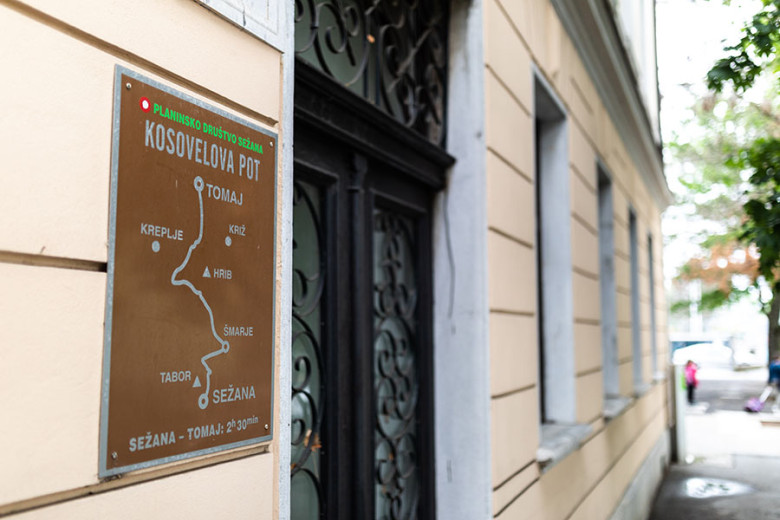 The Srečko Kosovel Trail is 7 km long and can be completed in two and a half hours. Photo: Archive of the Municipality of Sežana
-
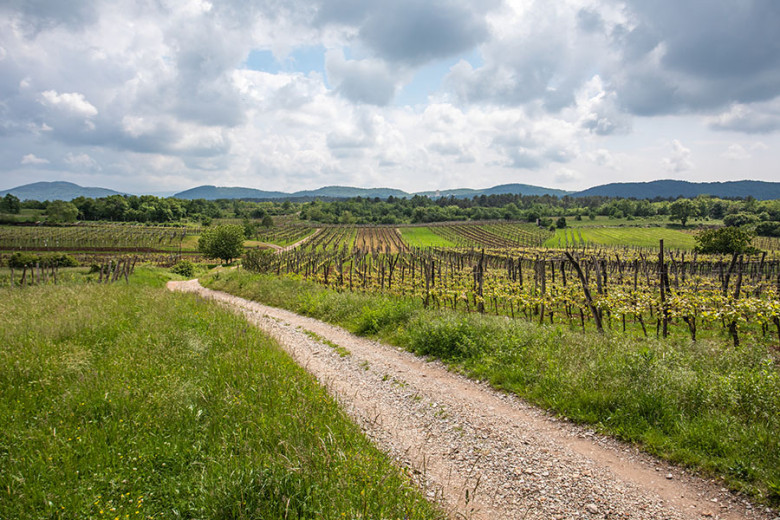 The trail leads through Karst pine groves, commons, and vineyards. Photo: Municipality of Sežana Archives
A year also dedicated to Zofka Kveder
Zofka Kveder (1878–1926), writer, playwright, journalist, translator, editor and cultural mediator, is regarded as one of the most prominent figures of Slovenian and Central European literature. Her first book, Misterij žene (The Mystery of a Woman, 1900), was followed by Ljubezen (Love, 1901), Odsevi (Reflections, 1902), Iz naših krajev (From Our Regions, 1903), Iskre (Sparks, 1905), Njeno življenje (Her Life, 1914) and others. She also wrote in other languages and was active in German or Austrian, Croatian and Czech cultural circles. Her articles were published in numerous Slovenian and European journals, while her plays were staged in Prague, Zagreb and Belgrade.
A writer who challenged boundaries
Zofka Kveder advocated social equality and justice and was one of the first Slovenian authors to use literature and public discourse to address women, their lives, rights and social position.
She introduced new representations of women and femininity into Slovenian literature and encouraged women to pursue professional ambitions and financial independence. In the introduction to her first book, which broke new ground in Slovenian literature, she wrote: "I did not wish to drag women's suffering through the mud, I merely wished to show it to those who do not see it, so that they may know of it and respect women for who they are and for their dark, enigmatic fate". The question of how difficult it is to live up to the ideal that society expects of women remains relevant today.
-
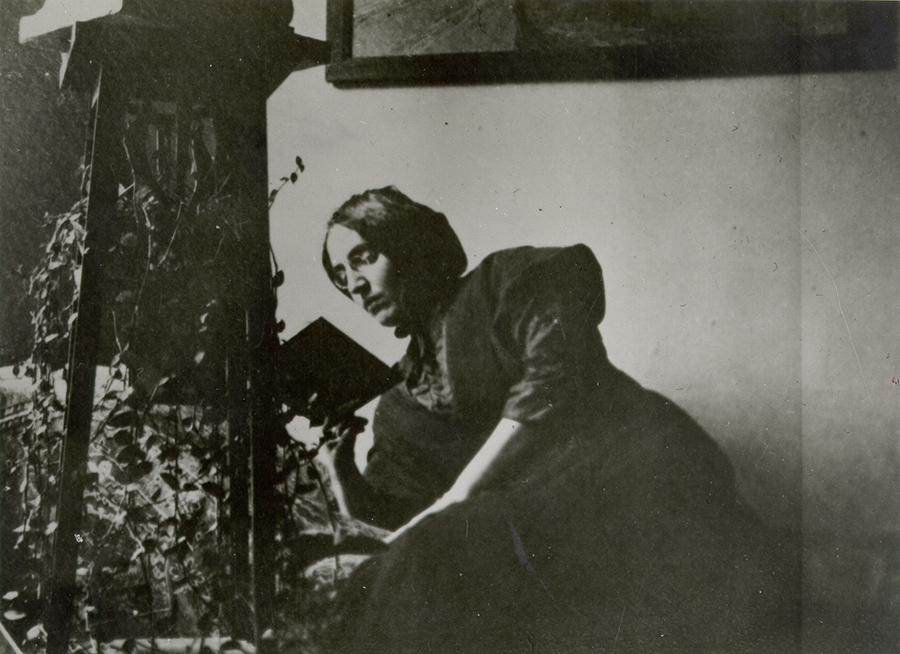
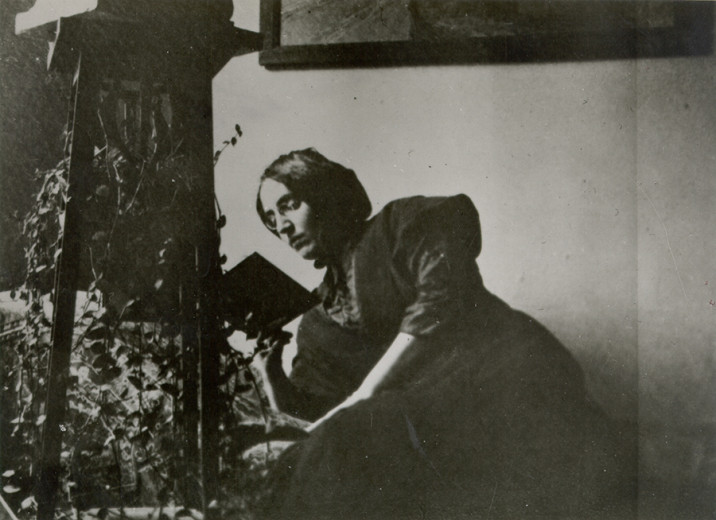 Zofka Kveder left a distinctive mark on the literature of the Slovenian Modernist movement. Photo: Archive of the National and University Library