Date: 6. July 2026
Time to read: 2 min
In the heart of Triglav National Park, on the sunny slopes of Mount Kukla in Trenta, just a few metres above the emerald-green Soča River, one of Slovenia's most special gardens, the Juliana Alpine Botanical Garden, has been flourishing for a century. Covering just over 2,500 square metres, it is home to plants that would otherwise require a hike into the high mountains to find. Some of them are so rare that today they survive in only a handful of natural locations. This year, Juliana celebrates its centenary and remains one of Slovenia's most important guardians of Alpine flora.
A Century of Protecting Alpine Plants
At the beginning of the 20th century, the rapid growth of Alpine tourism placed increasing pressure on many high-mountain plant species. In response, Alpine botanical gardens began to emerge across Europe. The Juliana Alpine Botanical Garden was founded in 1926 by Albert Bois de Chesne (1871–1953), a landowner from Trieste, mountaineer and botanist, who knew the Trenta Valley well through his hunting lease.
His friend Julius Kugy, an expert on the Julian Alps, advised him on the design of the garden, envisioning it as a walk from the valleys to the mountain peaks. Kugy even described the garden as "a blissful place where gods prefer to rest."
-
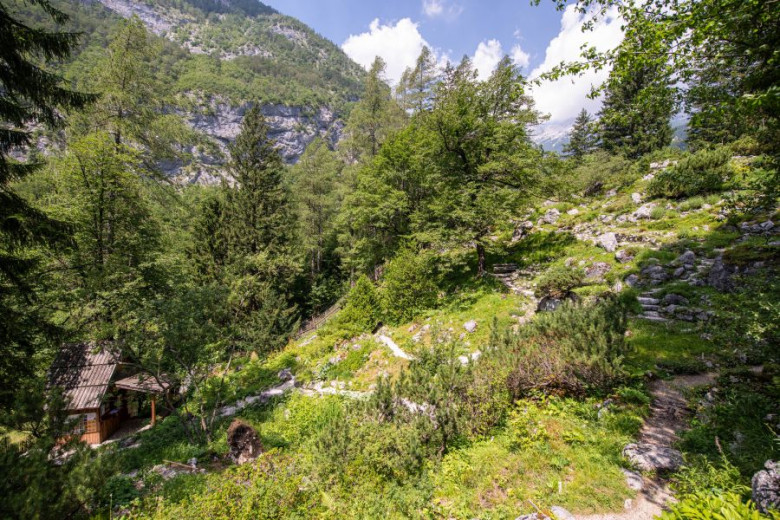 Most of the plants in Juliana originate from the Julian Alps, with others collected from the Karst, the pre-Alpine region, the Karavanke and the Kamnik–Savinja Alps. Near the entrance, visitors can also see species from the Western Alps, the Pyrenees, the Apennines, the Atlas Mountains and the Caucasus. Photo: David Kunc
-
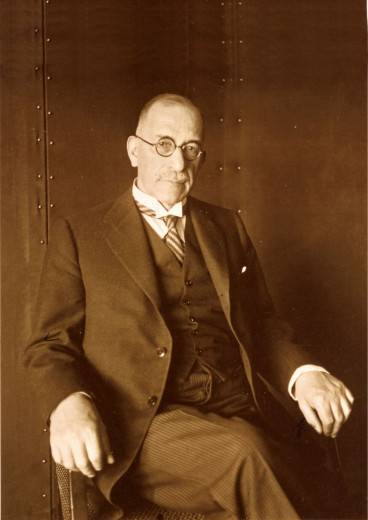 Albert Bois de Chesne. Source: Bois de Chesne Family Archive
-
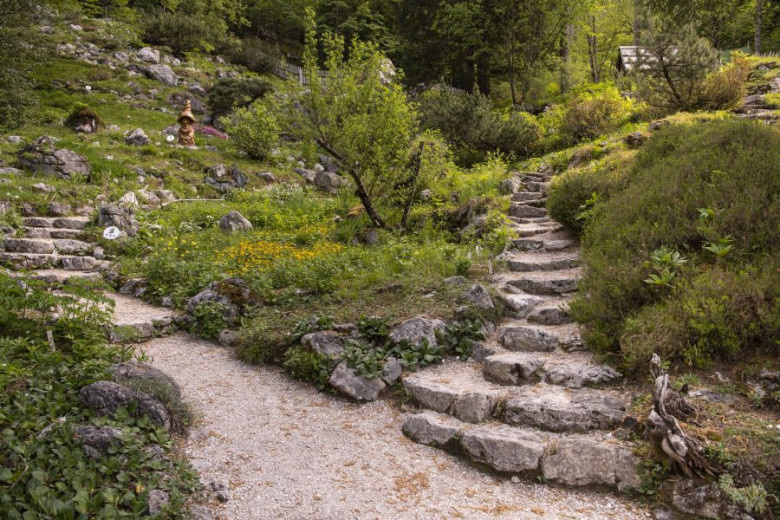 Juliana is more than a botanical garden, it is a destination for everyone who appreciates the beauty of mountains, nature and Alpine flora. Photo: David Kunc
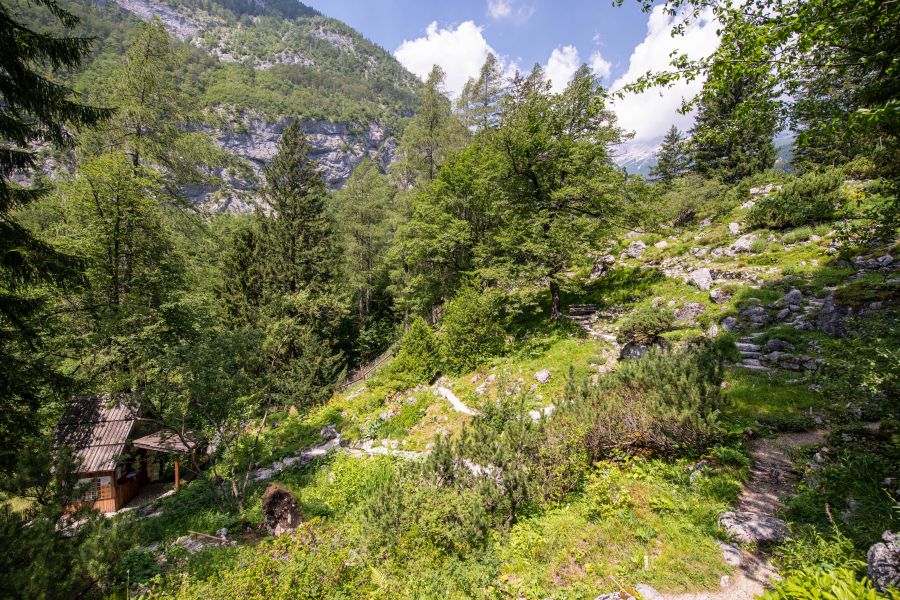
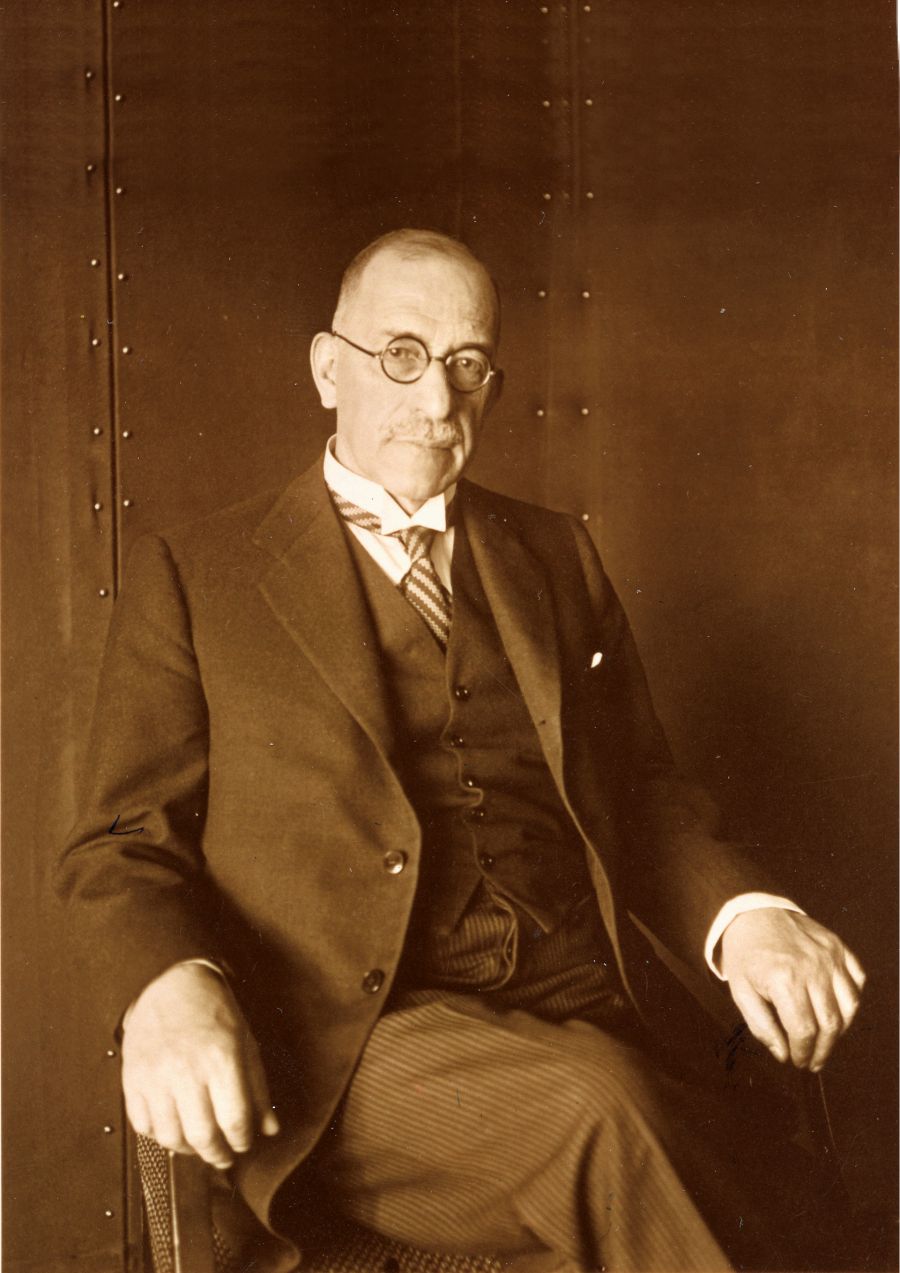
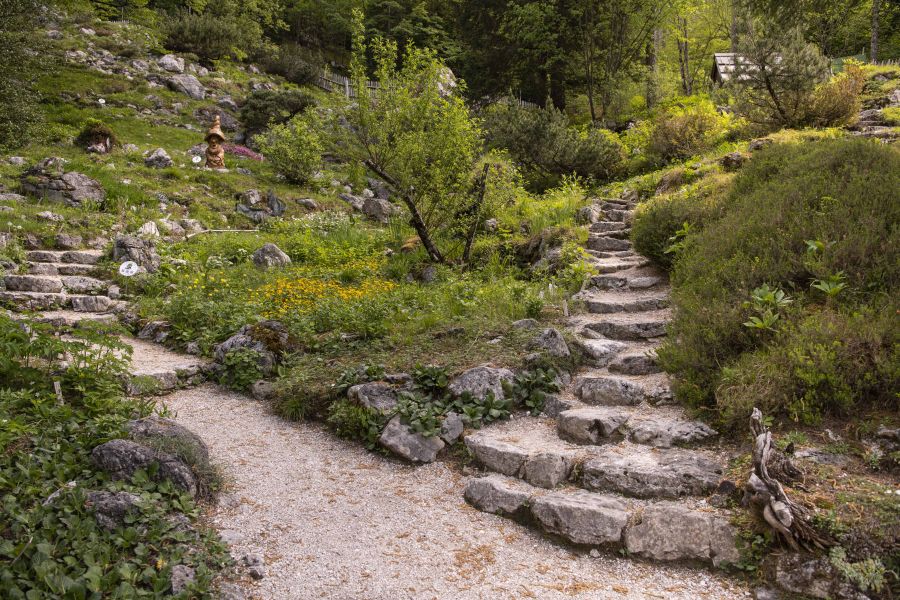
The year 1926 was dedicated to preparing the land for the garden, while the demanding fieldwork began in the spring of 1927. Plants were collected directly from the mountains and carried down in baskets and backpacks. At each collection site, they were cleaned, wrapped in damp moss and carefully transported to the garden. Bois de Chesne sought to recreate conditions as close as possible to those of the plants' natural habitats. He therefore designed the garden according to biogeographical principles, arranging plant communities to reflect the environments in which they naturally occur.
He named the garden Juliana. There are two explanations for its name. According to one, Albert Bois de Chesne dedicated it to his late wife Julia. According to the other, the name pays tribute to the Julian Alps, whose extraordinary botanical richness he wished to preserve and present to visitors.
From Zois's Bellflower to the Lady's Slipper Orchid
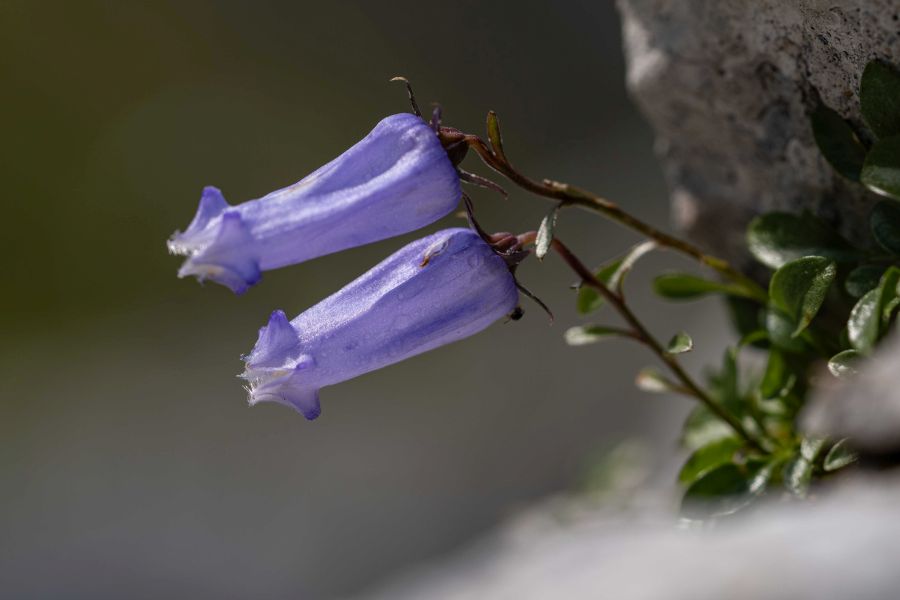
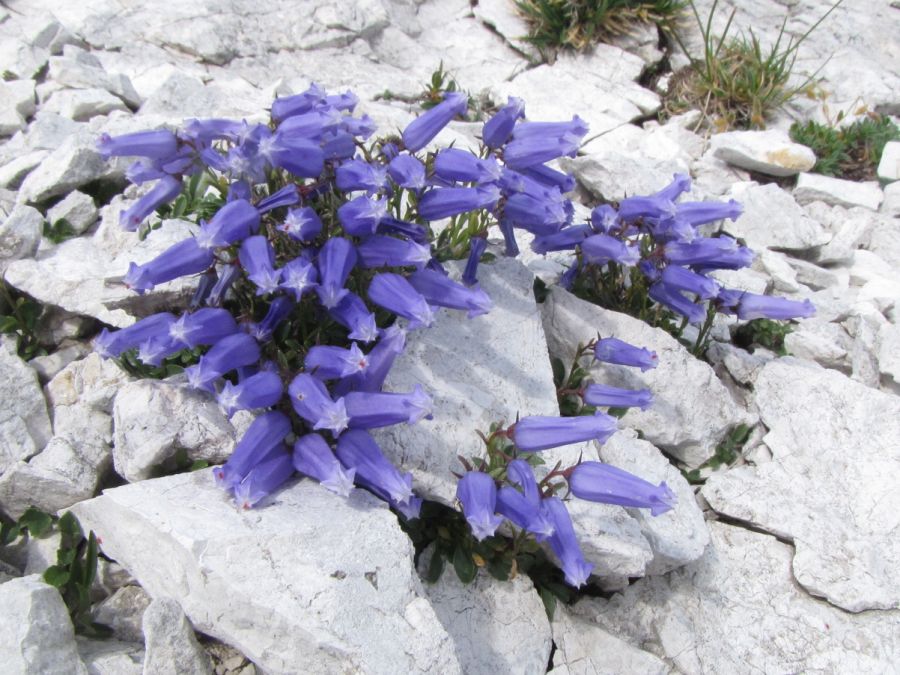
Today, Juliana is home to around 600 species of Alpine, pre-Alpine and Karst plants. Among its most recognisable is Zois's bellflower, a Slovenian endemic species and the symbol of Juliana. In the wild, it grows only in the Julian Alps, the Kamnik–Savinja Alps, the Karavanke Mountains, and a small site in the Trnovo Forest Plateau. This delicate plant with its blue-violet flowers blooms in July and August. More than 200 years ago it was discovered by the younger brother of the Enlightenment patron Žiga Zois, botanist Karl Zois, after whom the flower is also named. The mouth of the corolla is not open like in other bellflower species but narrows instead.
-
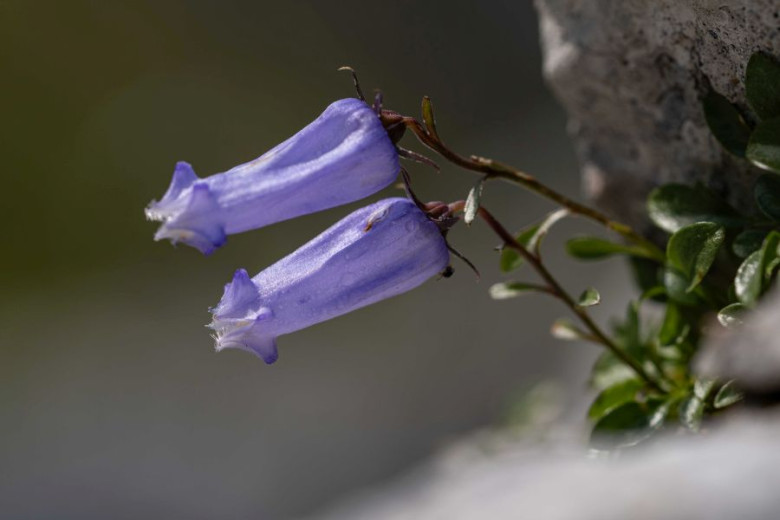 Zois's bellflower. Photo: David Kunc
-
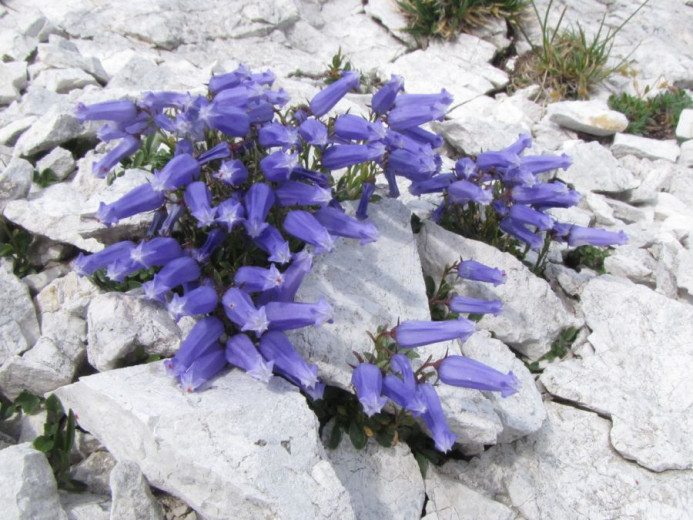 Zois's bellflower, which grows to around 10 centimetres tall, is most often found in rocky crevices. Photo: Špela Pungaršek
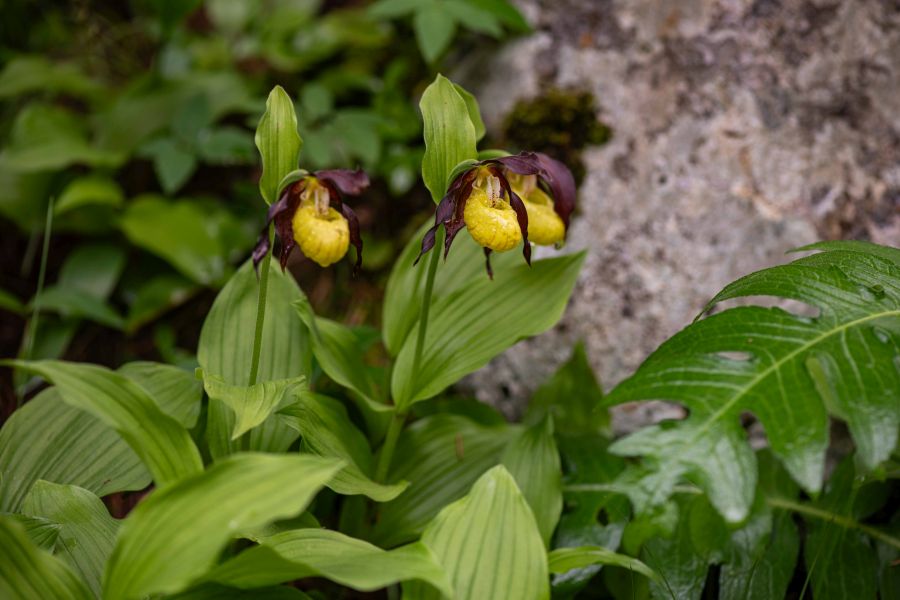
Another botanical treasure of Juliana is the lady's slipper orchid, Europe's largest wild-growing orchid. Its bright yellow, slipper-shaped flowers are among the most extraordinary sights in Slovenia's flora, and many people would sooner expect to find them in a tropical rainforest than in an Alpine forest.
According to legend, the goddess Venus lost her golden slipper while walking through the mountain woods. When she bent down to retrieve it, the slipper transformed into the beautiful flower that visitors admire in Juliana today.
The lady's slipper orchid was among the first endangered plant species in present-day Slovenia to receive legal protection, in 1922.
-
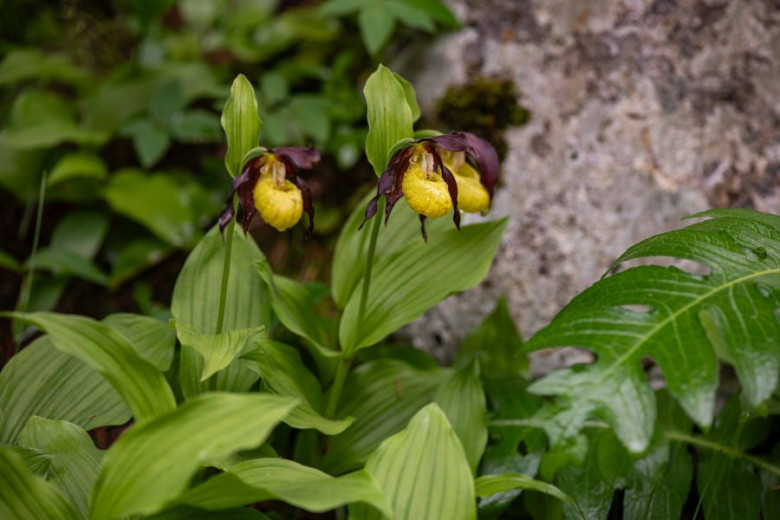 The lady’s slipper orchid is considered one of the most endangered plant species in Europe. Photo: David Kunc
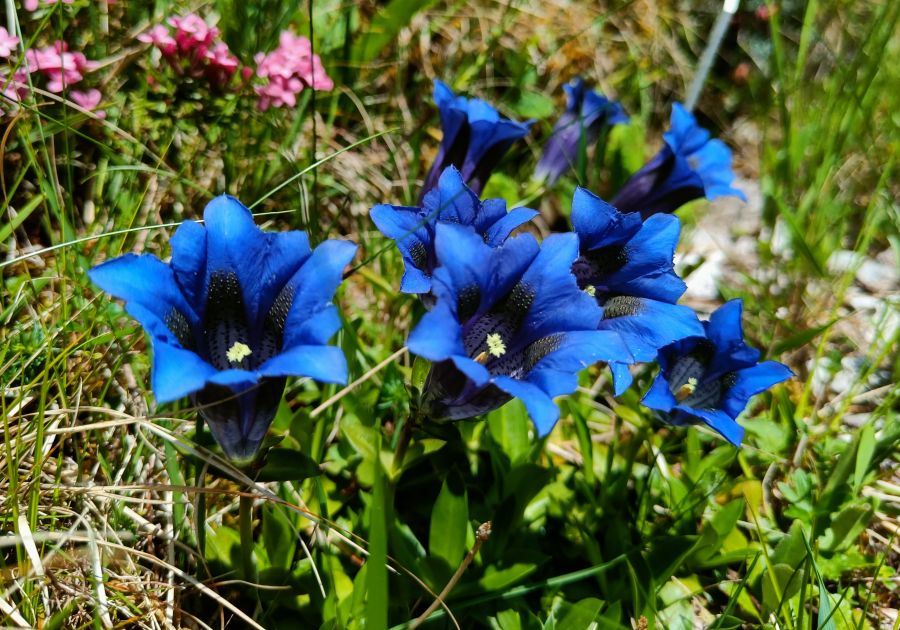
Visitors are also captivated by Clusius' gentian, an iconic symbol of the Alpine world, commonly known simply as gentian. Its intensely blue flowers respond to changes in the weather by closing during rain, overcast conditions or cold temperatures, protecting their pollen from moisture. Clusius' gentian has been protected since 1922. Once widespread across mountain meadows, it is now threatened mainly by the overgrowth of grasslands and inappropriate mowing practices.
-
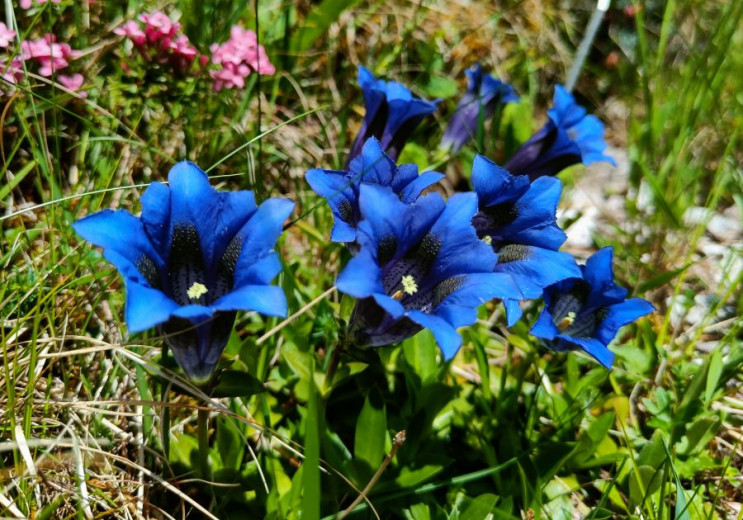 Clusius's gentian blooms between May and July. Photo: Špela Pungaršek
Knowledge Passed Down Through Generations
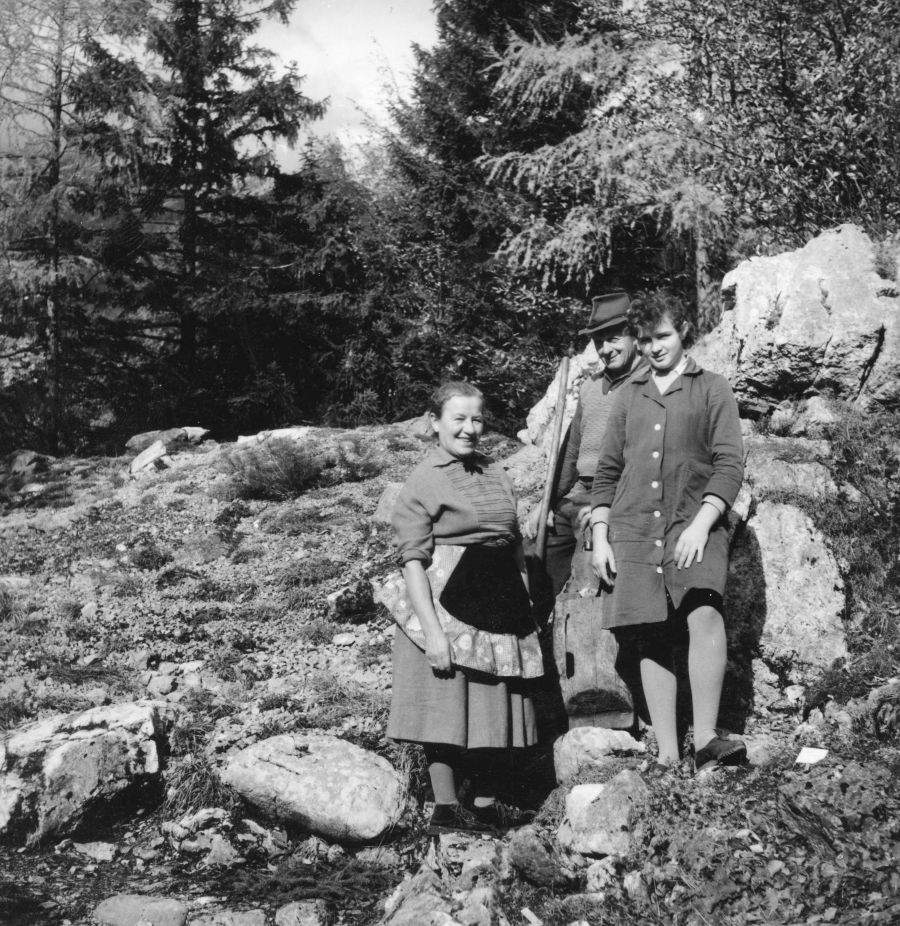
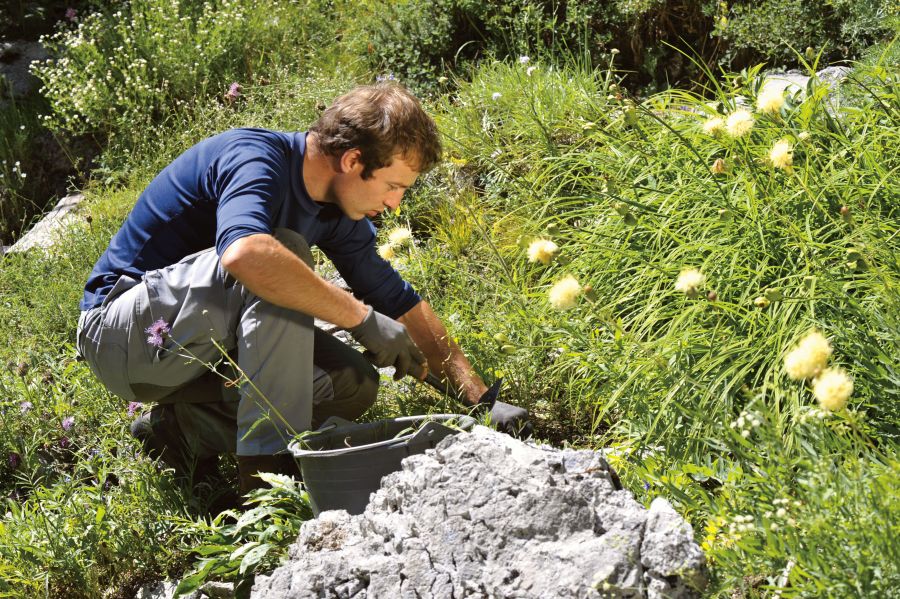
The garden has been preserved largely thanks to local gardeners whose expertise has been handed down in the Trenta Valley for a century. The first gardener was Anton Tožbar, whom Albert Bois de Chesne even sent to study horticulture in Padua. Together with Ančka Kavs, he cared for the garden from its earliest days. During the Second World War, Juliana suffered extensive damage. Despite the difficult circumstances, Bois de Chesne continued to provide enough funding for basic maintenance until 1947, enabling Tožbar and Kavs to preserve the garden as best they could. After their retirement, their work was taken over by Tožbar's daughter Marija Anica Završnik and her husband Jože Završnik. Today, the Juliana garden is cared for by their son, Klemen Završnik.
Few botanical gardens can claim that the same family has looked after them for three generations.
-
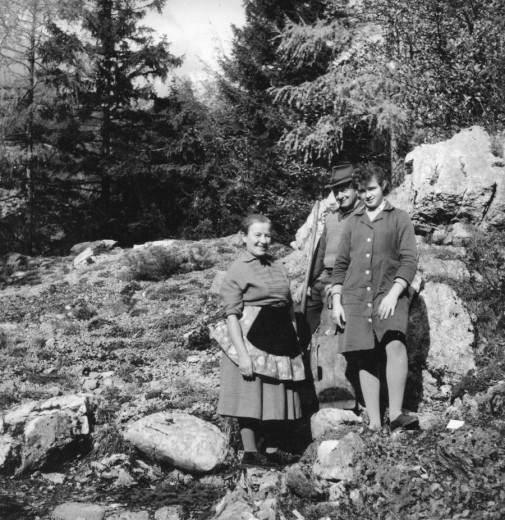 Ančka Kavs, Anton Tožbar and Marija Završnik (nee Tožbar). Photo: Tone Wraber
-
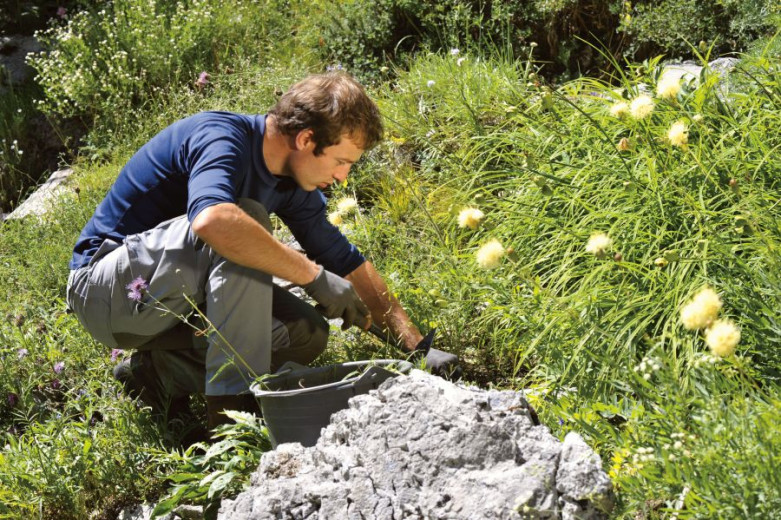 Klemen Završnik, current gardener at the Juliana Alpine Botanical Garden. Photo: Ciril Mlinar Cic
A Living Heritage of the Julian Alps
Today, Juliana is not only a historical botanical garden but also an important nature conservation and educational centre. Experts research and preserve a number of endangered plant species there while raising the visitors' awareness of the importance of protecting Alpine flora.
More than 70 plant species in the garden are placed under protection, over 60 are included in the red list of endangered species, and more than ten are also protected within the Natura 2000 network. The garden itself has been protected as a monument of a designed landscape since 1951, and since 1962 it has been managed by the Slovenian Museum of Natural History.
-
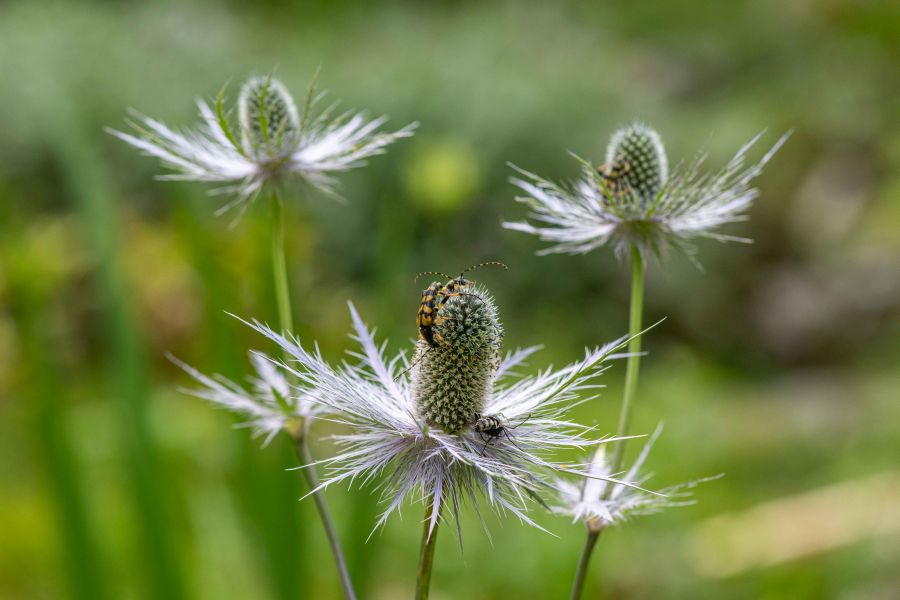
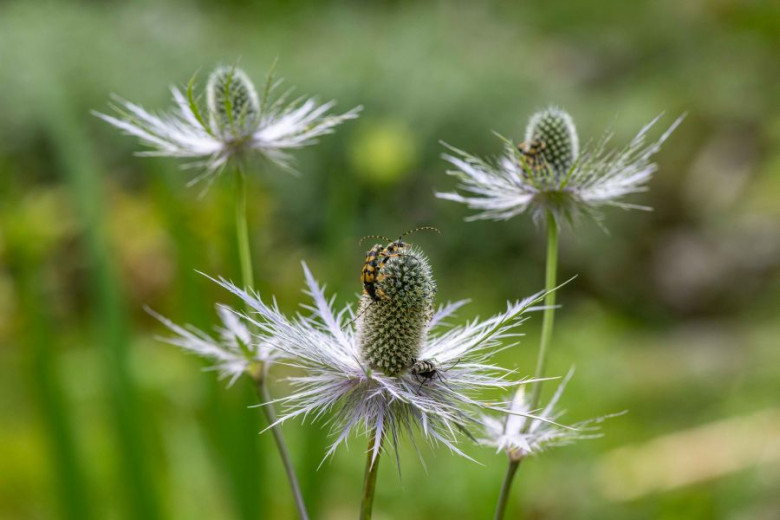 Alpine sea holly is one of the protected and rare plant species in the wild that thrives in the garden. Photo: David Kunc
-
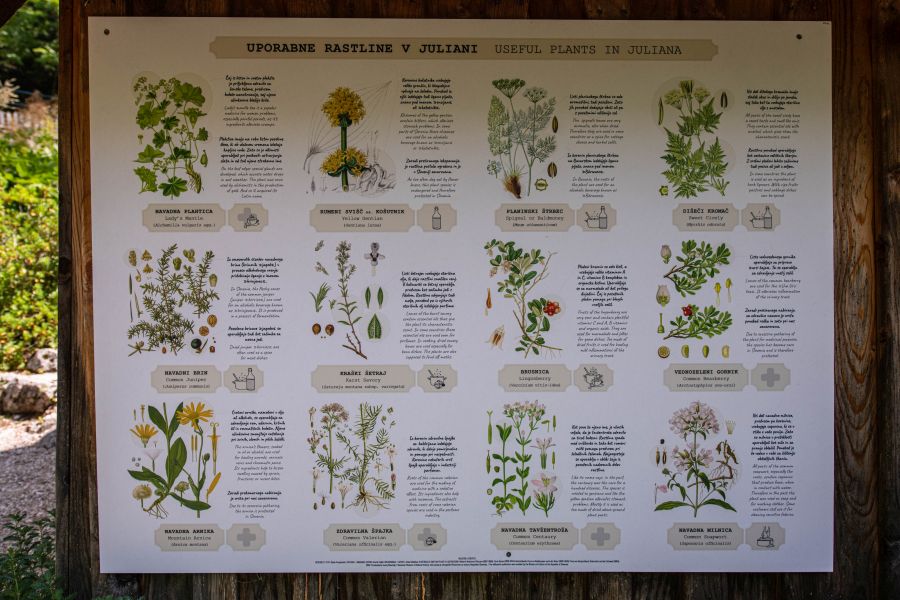
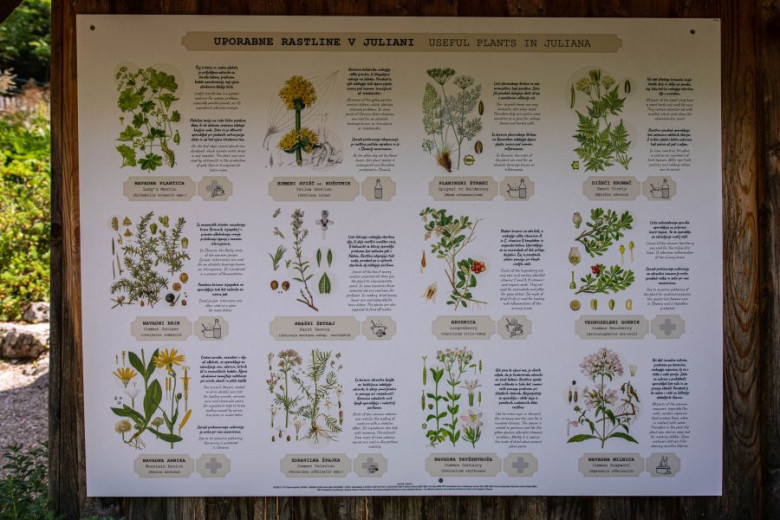 The Juliana Alpine Botanical Garden also has an important educational mission. Photo: David Kunc
In Juliana, seeds of numerous plant species are collected, thus contributing to their long-term conservation. Should any of these species disappear from the wild, the seed collection could one day help restore them to their natural habitats. A visit to Juliana is therefore much more than a pleasant walk among flowers – it is also an opportunity to reflect on the fragility of the Alpine natural world. The garden is open from May until the end of September.