Date: 13. August 2026
Time to read: 2 min
In the dead of the night, a group of women set out along the narrow path towards Trieste. They carry baskets full of fruit and vegetables on their heads. It will take them six to seven hours of walking to get to the city. They will only return home in the evening, with some flour or coffee, and some money if they are lucky.
Such journeys were part of the everyday life of many women from the Vipava Valley and the Karst from the days of the Austro-Hungarian Empire onwards. Every day at dawn or even in the dead of the night they would set off on foot for Gorizia and Trieste, sometimes also towards Rijeka, where they sold home-grown produce such as eggs, milk, butter, fruit and vegetables. The journey was long, arduous, and often dangerous, but the women made a vital contribution to the survival of their families through their courage and resourcefulness.
The women who helped sustain their families
Today, these stories survive only in the memories of a handful of people. Yet it is precisely these testimonies, collected as part of the project Untold Stories: Following the Paths of Vipava Women, that reveal a world that has almost disappeared from collective memory. Some of them are told by women who were still girls when they accompanied their mothers on these journeys, while others inherited these stories from their mothers and grandmothers and preserved them to this day.
Reaching Gorizia, Trieste or Rijeka could take as long as six or seven hours on foot in one direction alone. They carried baskets on their heads or pushed carts laden with fruit, vegetables and wine, returning home with flour, coffee, salt and other goods that were otherwise difficult to obtain.
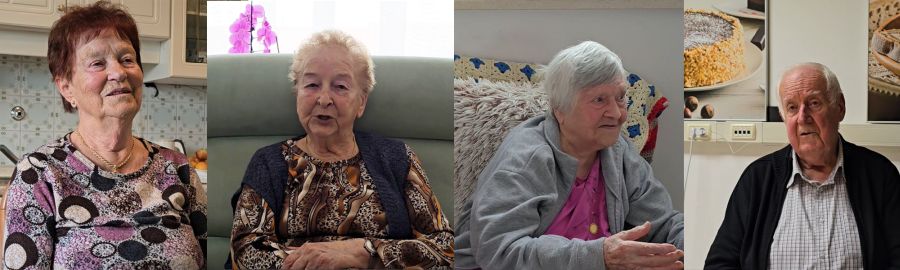
"By selling a litre of wine they could buy 3 kilograms of flour, and 10 kilograms of flour by selling a litre of spirits", remembers 91-year-old Dora Premrl from a village just above Dornberk. During World War II, her father was drafted into the Italian army, leaving behind a family of only women.
There was a shortage of everything. "Every evening we ate polenta, there was no dinner without it", she recalls. We had corn and a surplus of wine and spirits, be we were short on white flour. Women also went to Italy to sell cherries, early ripening grapes and peaches. As there was also a shortage of salt, women headed towards Rijeka to sell cartloads of spirits and wine.
-
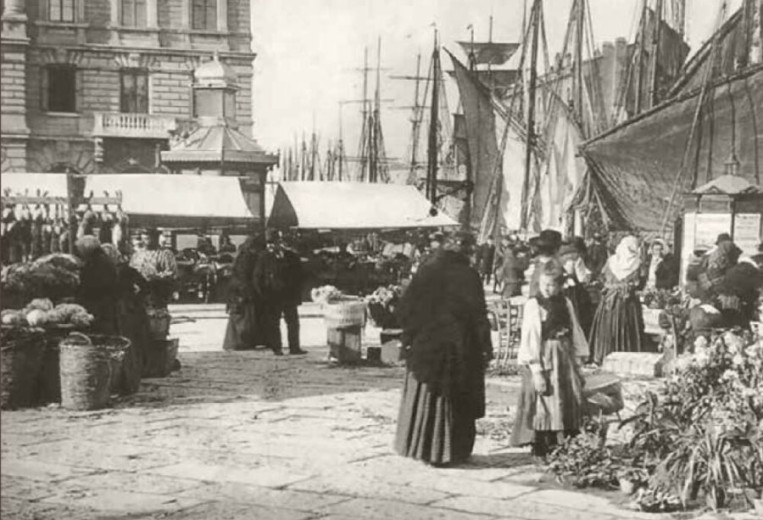
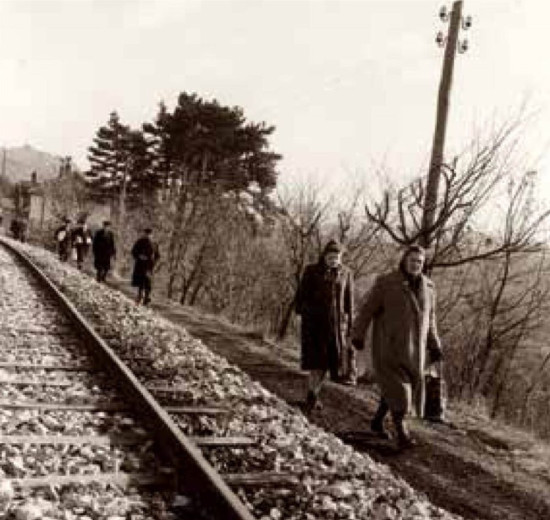 Women on their way to Trieste, carrying milk to sell at the city market and help provide for their families. Source: Kamra.si
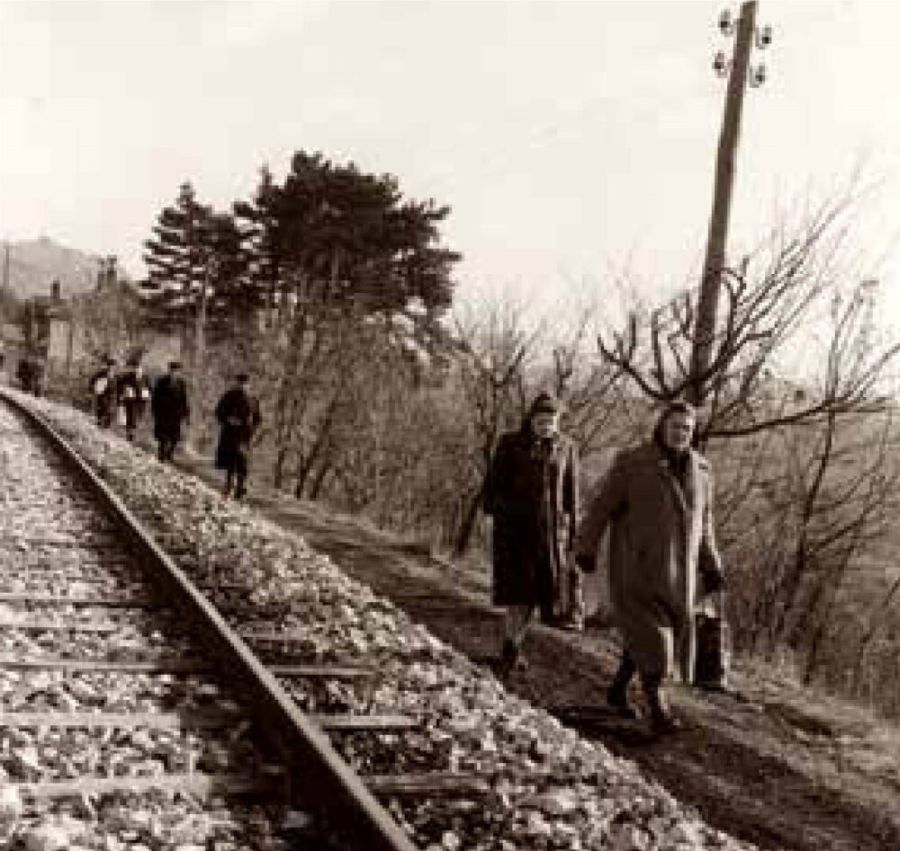
These journeys were not only arduous, but also dangerous. Ninety-year-old Marija Sosič remebers how her mother and other women carried fruit to the market of Gorica to sell. Some women also smuggled illicit spirits. "They wore wide, long skirts, and hung aluminium bottles around their waists, smuggling the spirits into Trieste," she says.
Jožef Krečič remembers women who often made these journeys barefoot. "As the journey was long, they would suspend their shoes on their backpacks in order to prevent their wear and tear."
One of the few women still alive who use to make this journey alone is 103-year-old Gabrijela Rustja from Dolga Poljana. She remembers travelling to Trieste once a week. "We walked two or three together, carrying vegetables or fruit. We would go on foot to Villa Opicina and then take a tram to Trieste" she remembers.
-
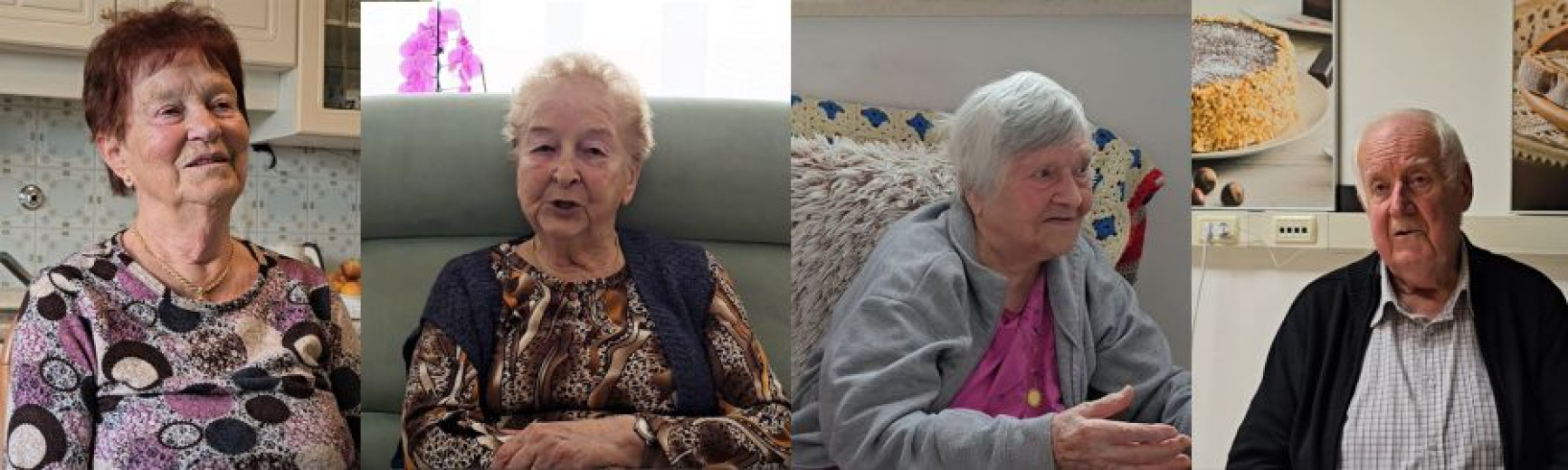 Dora Premrl, Marija Sosič, Gabrijela Rustja and Jožef Krečič are among the few remaining witnesses who still remember these stories. Photo: Burjatik agency
Ethnologist, cultural anthropologist and historian Dr Jasna Fakin Bajec from the Scientific Research Centre of the Slovenian Academy of Sciences and Arts explains that, in some villages of the Vipava Valley, women agreed that the bravest or most enterprising among them would set out on this journey. Other women entrusted to her their produce to sell it in the city.
"Not everyone embarked on such a journey, only the truly brave ones or those who were forced to do so by severe hardship."
Dr Fakin Bajec researched similar stories in the Karst region, particularly those dating from the period between World War I and World War II. Women from the Karst set off on their journeys in groups in order to help each other on the way. At the time of shortage, additional income was of utmost importance. "It enabled families to do some home renovations, buy some clothing and the like. When the times were really hard, it was the women who saved the livelihood of their families," describes Dr Fakin Bajec the situation of that period.
-
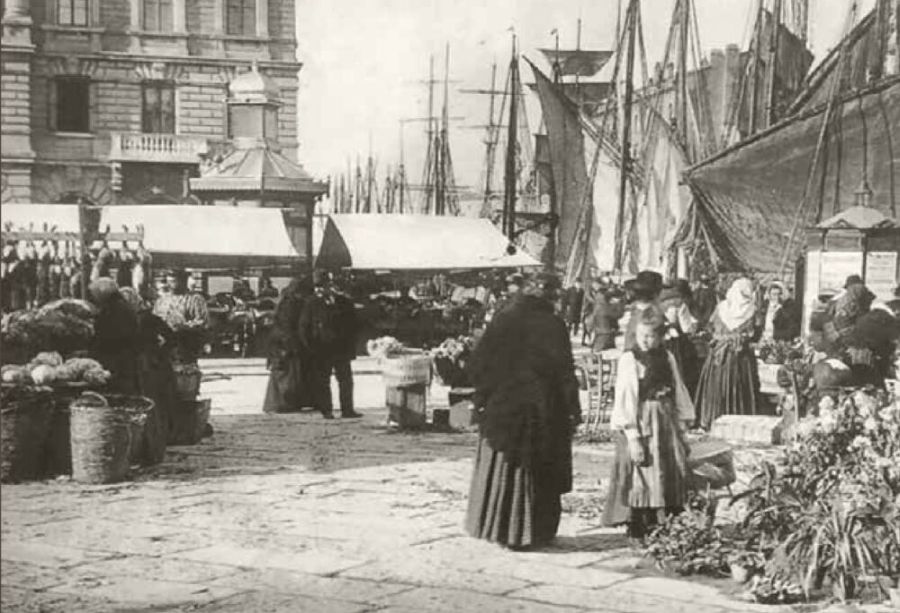
 The Trieste market was an important destination for women from the Vipava Valley and the Karst, who made long journeys to sell their home-grown produce, from fruit and vegetables to milk, eggs and wine. Source: Kamra.si
Although they were driven primarily by economic hardship, these journeys also brought them something else: contact with city life, new ideas, and different habits. They returned home not only with money or goods such as coffee and other goods, but also a broader view of the world, explains Dr Fakin Bajec.
"These women became independent and learned about new cultures and new values. But all this happened because they had to leave. They would not have set off on such a journey if they had not been forced to."
This is what best explains the stories of the Vipava women. The did not set off on the journey driven by adventure, but out of necessity. But that's precisely why they became important promoters of economic and social life along the Slovenian-Italian border.
Following the paths of the Vipava Valley women today
For decades, their stories remained almost forgotten. The project Untold Stories: On the Paths of the Vipava Women, brings heritage to life through hiking and cycling trails designed on the basis of testimonies, archival sources and in cooperation with the local population. In this way, they connect heritage, local stories, cuisine and sustainable tourism, opening up new opportunities for the development of local communities.
-
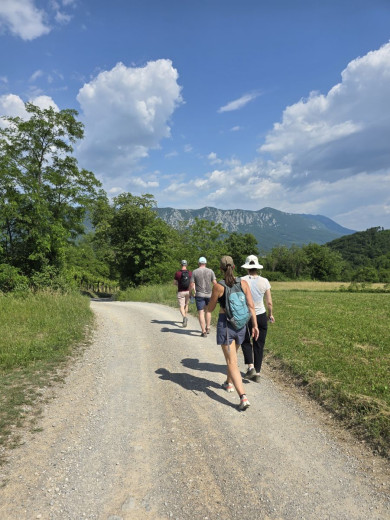 Inspired by the stories and testimonies collected, three themed hiking and cycling trails now connect Ajdovščina, Gorizia, Trieste and Idrija. Photo: Burjatik agency
-
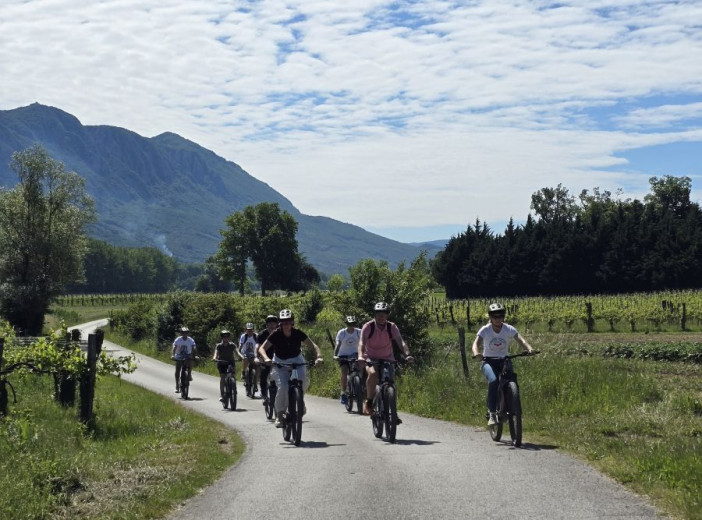 Along the way, visitors can stop at local farms to hear their stories and sample local produce. The project currently includes 15–20 local providers, with more to be added in the future. Photo: Burjatik agency
-
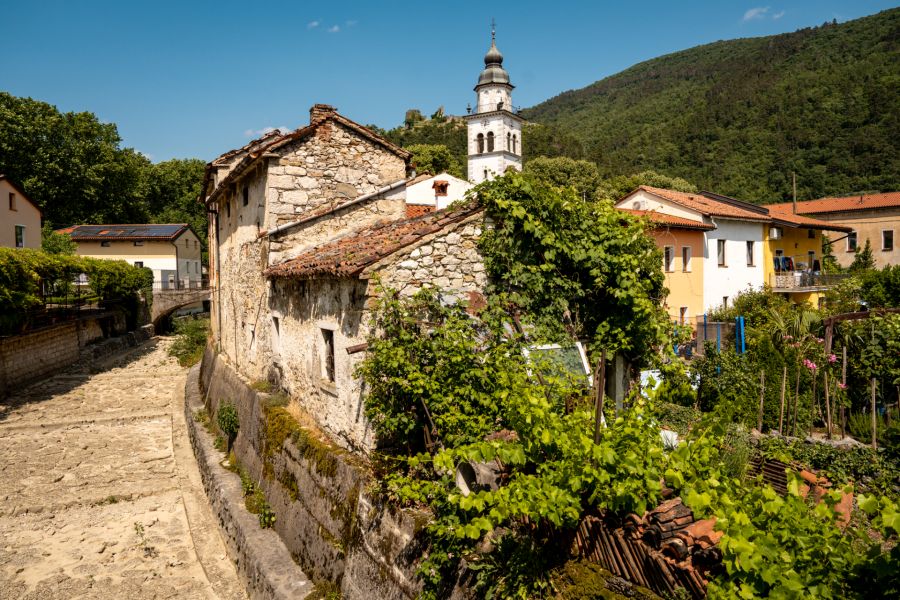
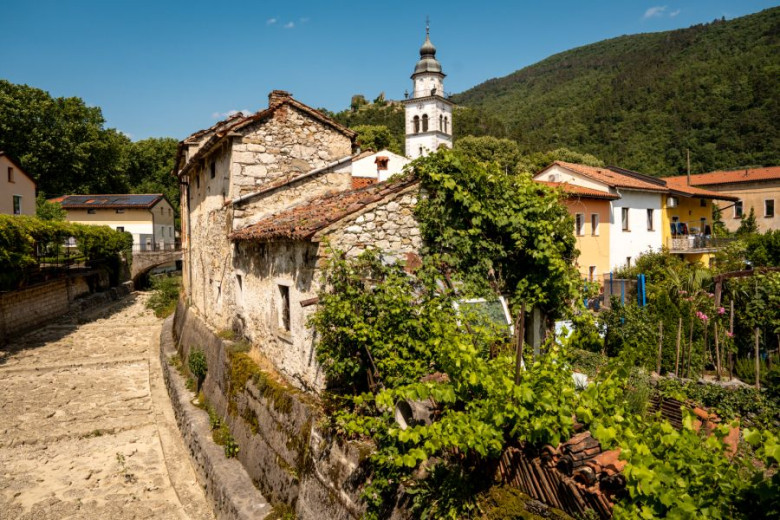 The footsteps and stories of these women remain woven into the heritage of the region. Photo: Depositphotos
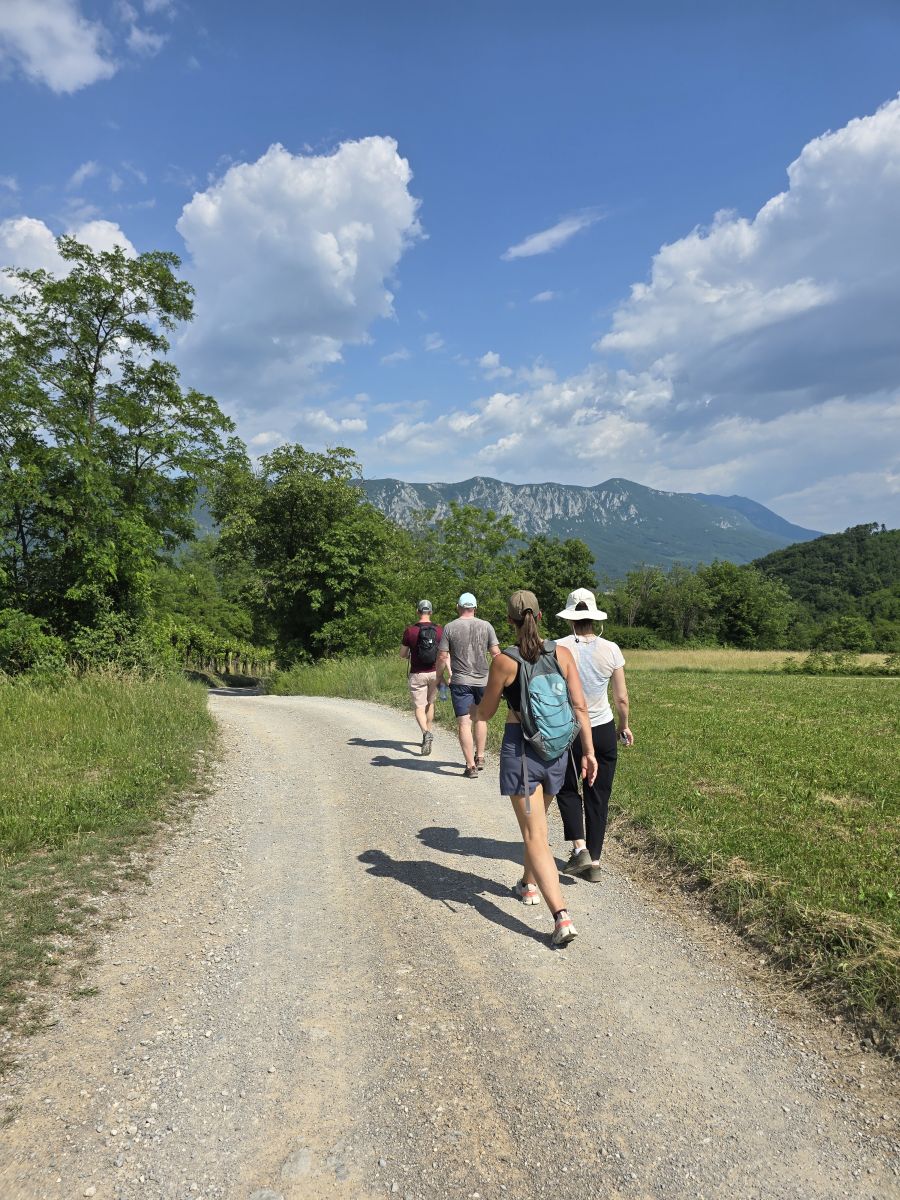
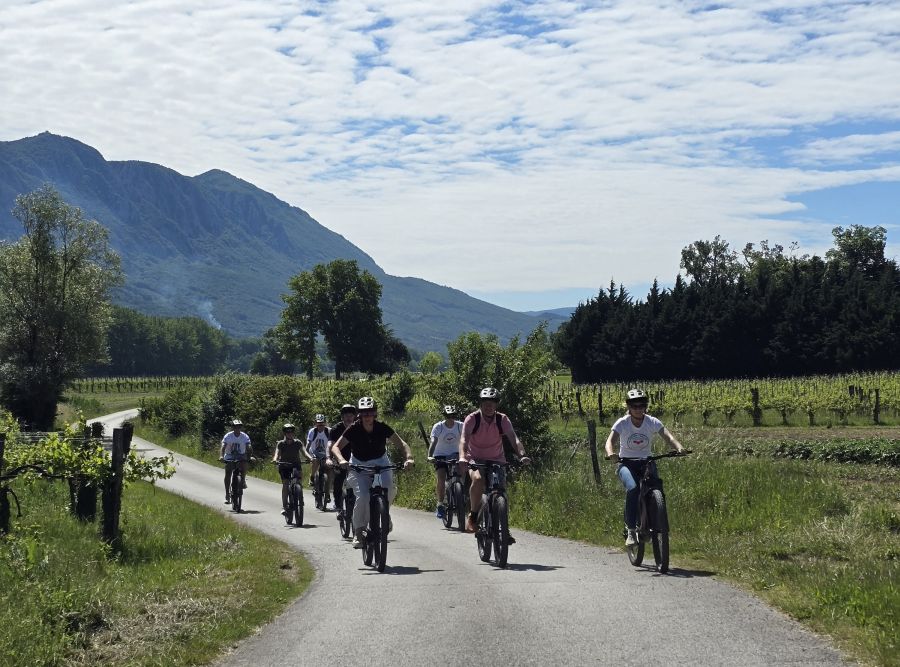
"Although the trails do not exactly follow the historical routes taken by the Vipava women, they have been adapted for modern visitors and include stopovers at local providers and attractions along the way," explains Jani Peljhan from the company Burjatik, which is the author the project.
Today, these trails are no longer used by women carrying fruit, vegetables, or wine and spirits to Italy and returning home with flour, coffee, and nylon stockings. Instead, they are walked and cycled by visitors discovering a lesser-known chapter of history, stories about courage, perseverance, and the invisible work of women.