Date: 30. December 2025
Time to read: 2 min
The picturesque and rugged landscape of the Idrija and Cerkno hills hides one of the most important archaeological sites of the Early Stone Age in Slovenia. In a steep and rocky area above the Idrijca valley, archaeologists have discovered remarkable traces of life from tens of thousands of years ago, including the famous Neanderthal flute. Around 60,000 years old, the flute is the oldest surviving musical instrument in the world and a treasure of global significance, confirming that Neanderthal man was, like us, a fully evolved spiritual being, capable of sophisticated artistic creations such as music.
Due to its outstanding archaeological, cultural and scientific value, the Government of the Republic of Slovenia has declared the Divje babe Archaeological Park a cultural monument of national importance. The highest level of protection ensures that this unique site is carefully preserved and thoughtfully managed, and brings visitors into contact with one of the oldest chapters of humanity.
-
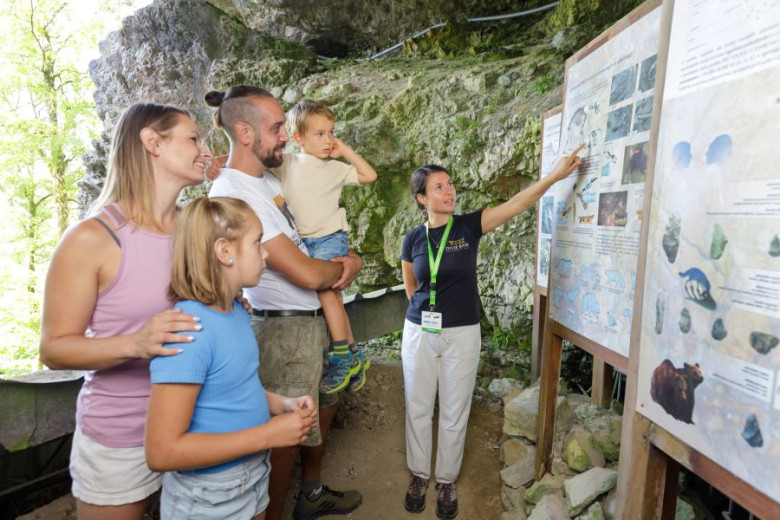 The Cerkno Tourism Board hopes that in the near future the park can be upgraded with a suitable reception centre for visitors, which will further enrich the visitor experience. Photo: Cerkno Tourist Board
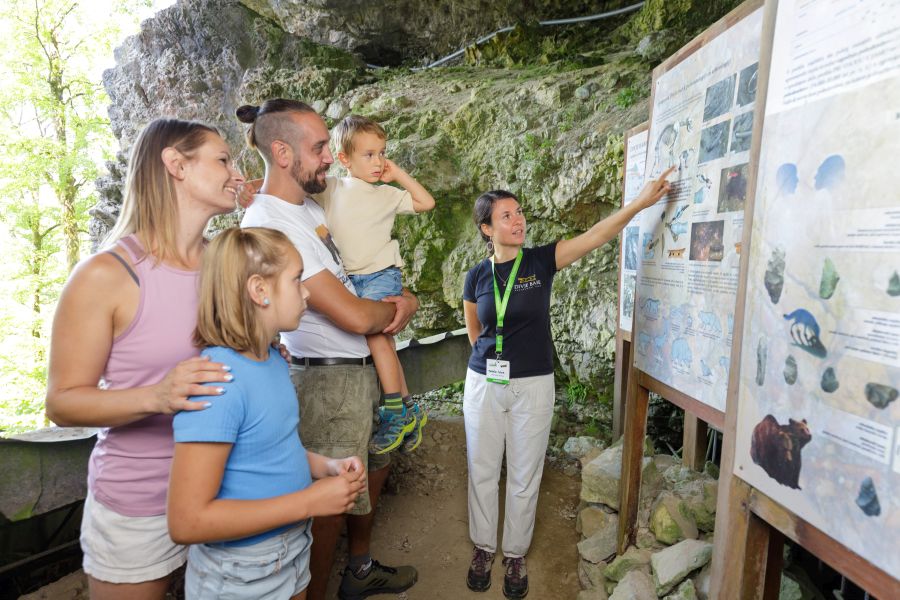
According to Gregor Novaković, Director of the Cerkno Tourist Board, which manages the Divje babe Park, the declaration of the park as a cultural monument is understood as "a great recognition of our work so far, and at the same time as a commitment to continue to protect the park and to develop the story of the oldest musical instrument in the world."
The mysterious world of Neanderthal man
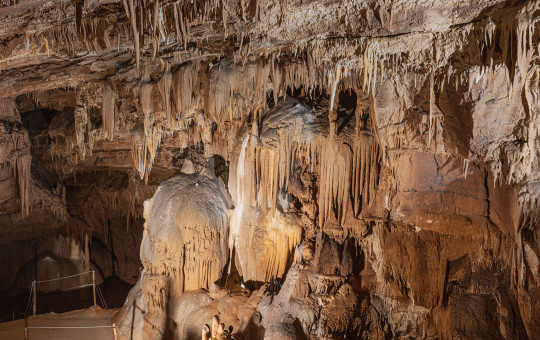
Archaeological research in the cave has uncovered the remains of bones of more than 60 different animal species, most significantly those of a cave bear, tools made of stone and bone, and remains of fire pits used by Ice Age people. Today, visitors can still see and hold the remains of bones of different animals in the cave.
-
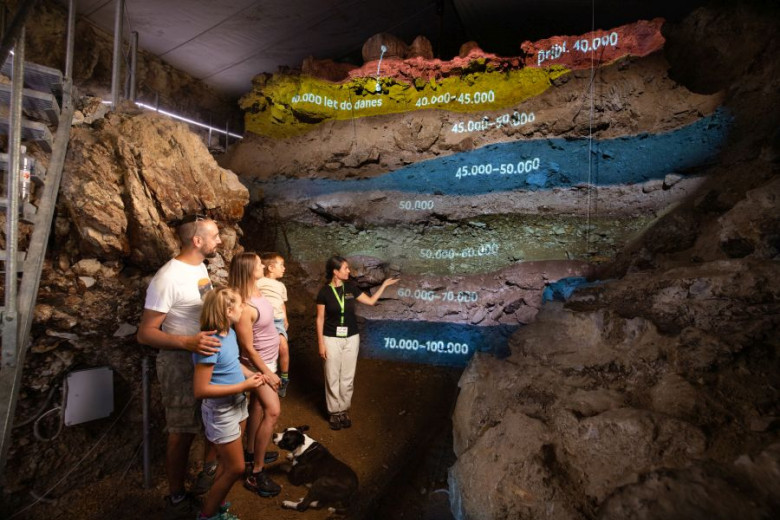 In the darkness and silence of the cave, such a presentation creates a very special experience. Photo: Cerkno Tourist Board
-
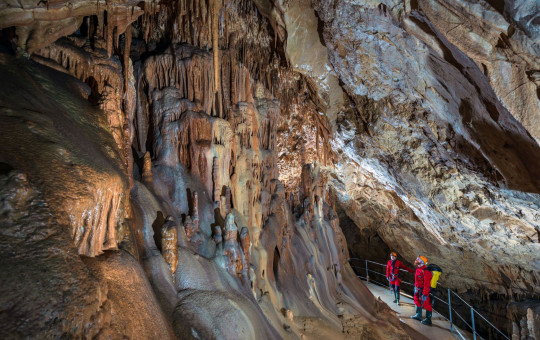
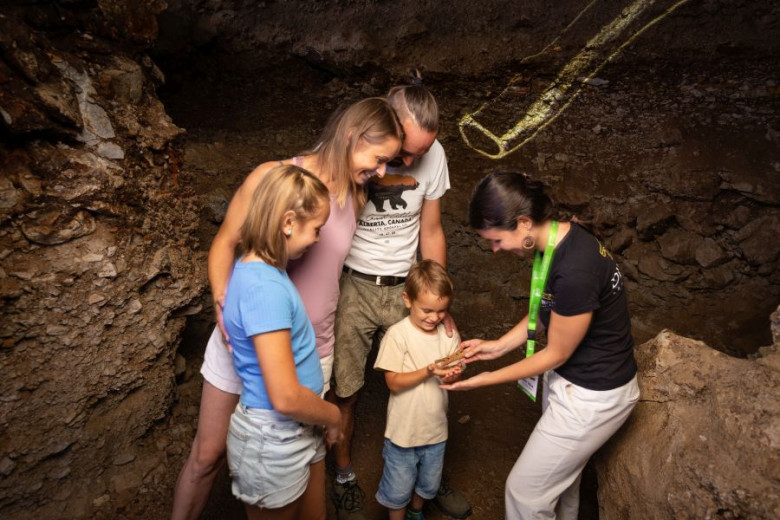 Visit Divje babe and explore one of Europe’s most fascinating prehistoric sites, where breathtaking nature meets the story of humanity’s earliest music. Photo: Cerkno Tourist Board
-
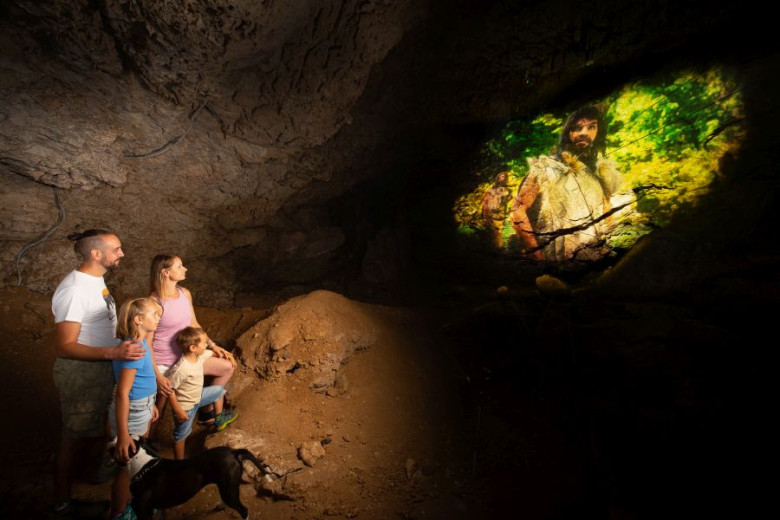 In the upper chamber of the cave, immersive projections let you step back into the mysterious world of the Neanderthals. Photo: Cerkno Tourist Board
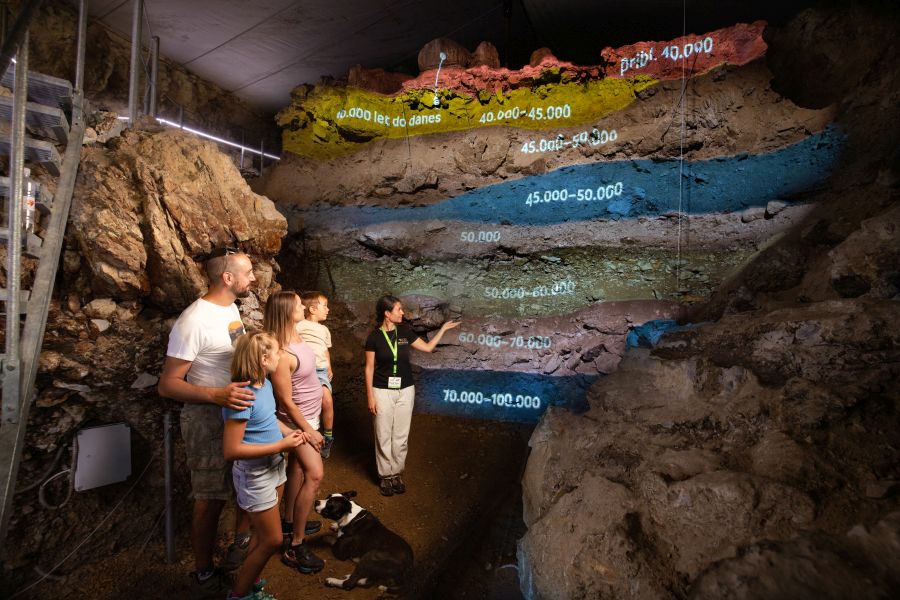
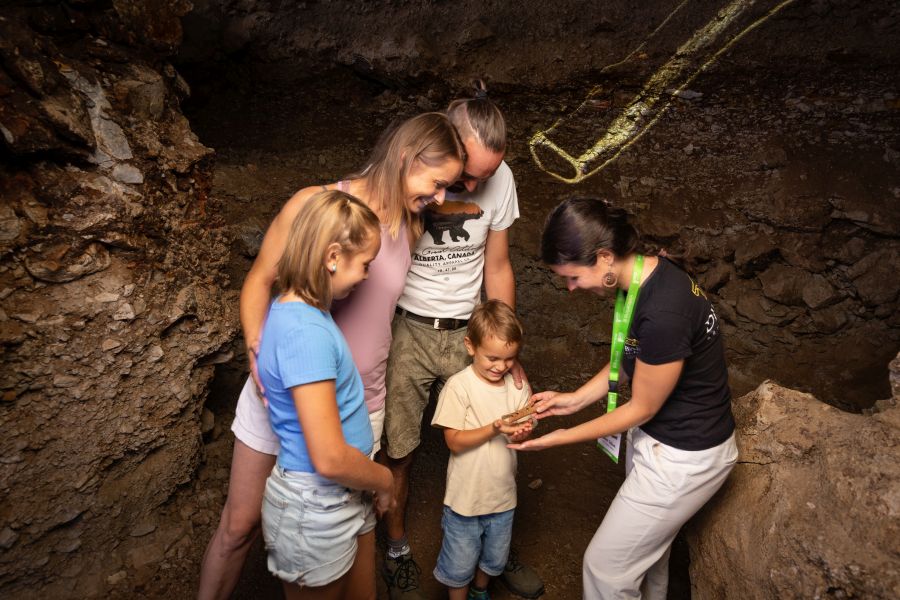
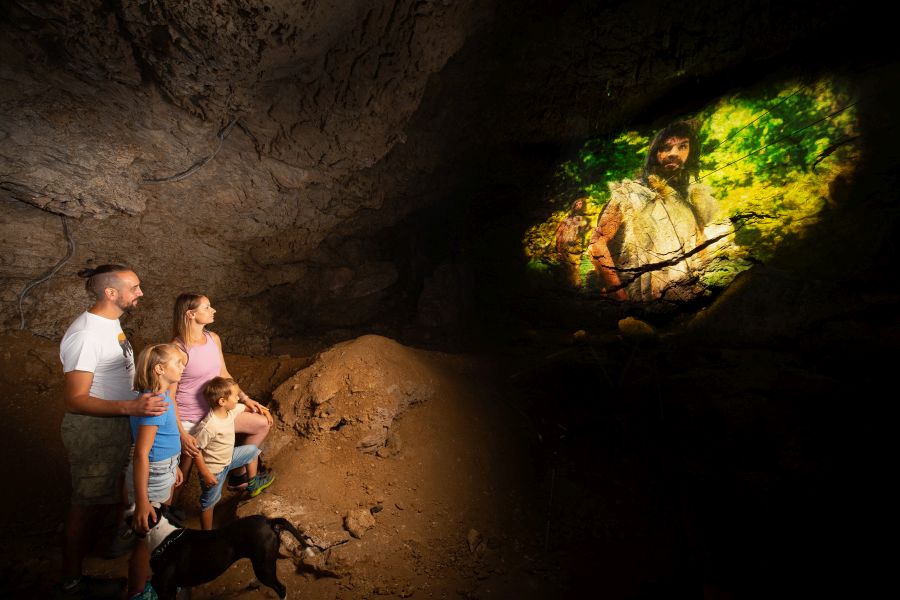
A visit to the cave is also a special experience because it is the first digitalised cave in Slovenia.
"We tell the story of the cave through a projection on the cave wall. The archaeological layers, the finds in each layer and their main characteristics are displayed on the wall. In the upper part of the cave, a short video takes them into the mysterious world of Neanderthal man," explains Gregor Novaković.
Neanderthal flute
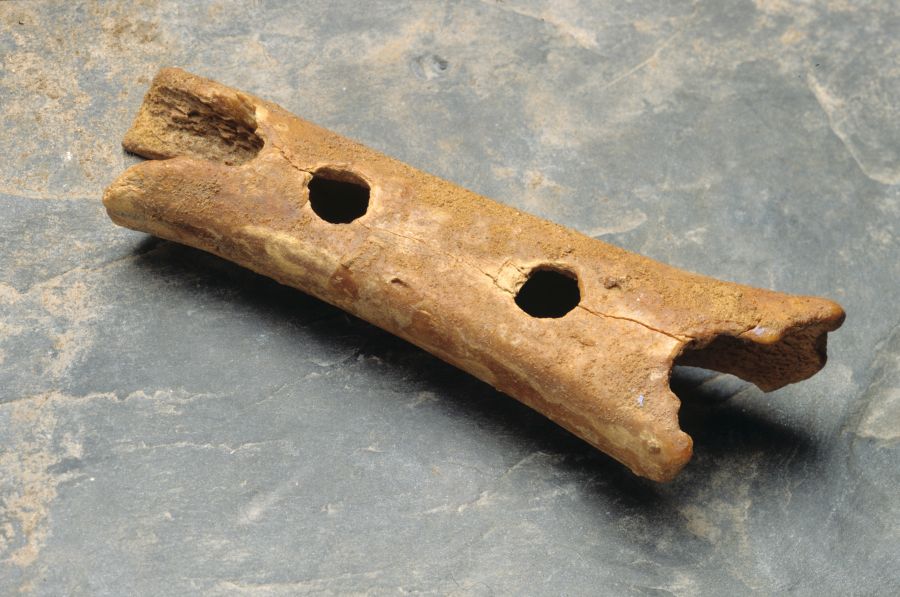
The flute from Divje babe is the only flute discovered in the world that we know for certain was made by a Neanderthal. It was found in 1995 during archaeological excavations in the Divje babe I cave. It is made from the femur of a young cave bear and has four holes drilled into it: two are fully preserved and two are partially preserved. The flute from Divje babe is older than any other known Palaeolithic flute in the world, and the first one that can be unequivocally attributed to the work of a Neanderthal. The discovery has significantly changed the way we look at Neanderthals, proving that they were the first of man's ancestors known to have used musical instruments.
-
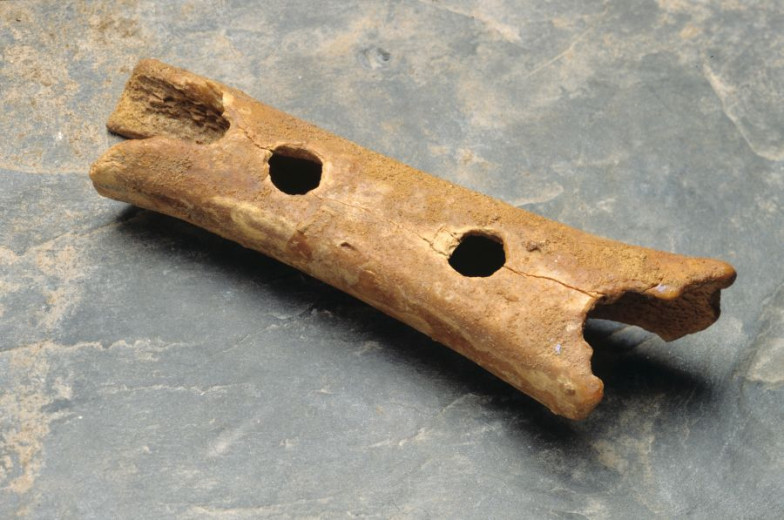 Divje babe is home to the famous Neanderthal flute, offering a rare glimpse into the creativity and musical soul of our ancient relatives. Photo: Cerkno Tourist Board
Visiting the park
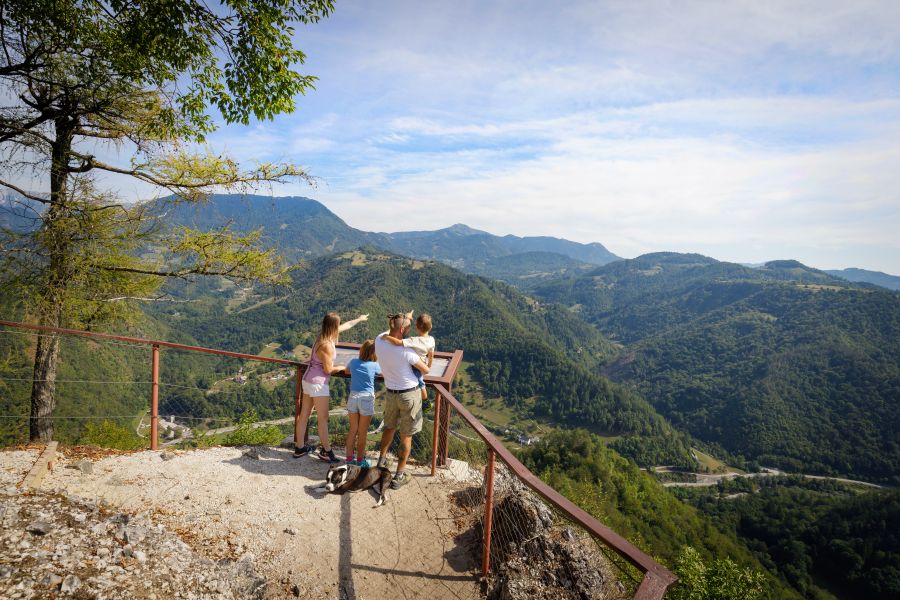
Guided tours of the Divje babe Archaeological Park take place between 1 April and 31 October. The cave is closed in winter because bats hibernate there. In addition to the cave tour, the guided tours also include a visit to the Church of St John the Baptist in Šebrelje, which is considered to be one of the most powerful energy points in Slovenia, a visit to the remains of the First World War, and a lookout point with beautiful views of the Idrija and Cerkno hills and the valley of the Idrijca River.
-
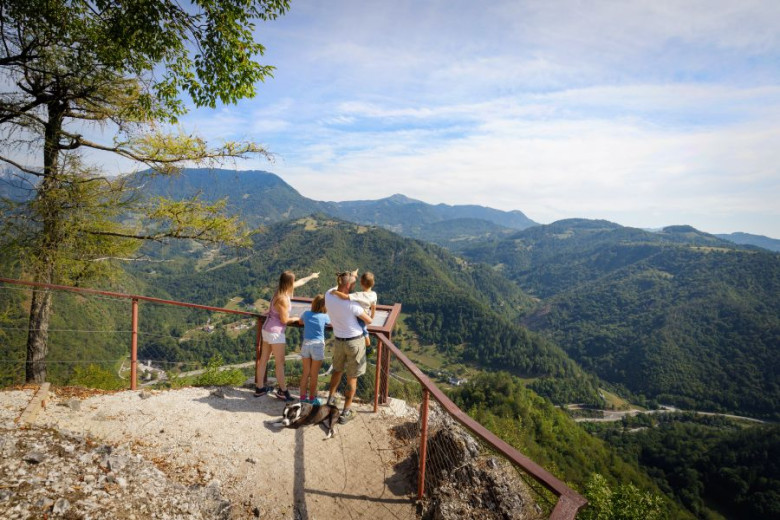 A visit to the Archaeological Park can be combined with nature exploration and hiking. Photo: Cerkno Tourist Board
From the village of Reka, where there is an information board, a marked footpath leads to the Church of St John the Baptist, the starting point for guided tours. There is also a circular hiking trail Reka – Šebrelje – Reka, which leads past the cave back to the starting point. Active leisure enthusiasts can choose the cycling route linking Cerkno, Šebrelje and the surrounding villages.