Date: 21. April 2026
Time to read: 3 min
Artificial intelligence, which has become an integral part of our lives in recent years, has a long and rich tradition in Slovenia. The development of artificial intelligence in Slovenia began as early as the 1970s, when Slovenian researchers were among the pioneers in this field. What once started in a modest attic would lead to groundbreaking global innovations.
From pioneering research in machine learning to contributions in medicine, such as the development of solutions that led to the first artificial intelligence-powered pacemaker, and to tools such as Orange, which are now used by researchers worldwide, Slovenia has been actively co-creating the development of artificial intelligence for decades.
Modest beginnings
It all began in an unfinished attic at the Jožef Stefan Institute, where researchers sought answers to fundamental questions including can a machine learn on its own and how can human experience be translated into an abstract form.
In September 1970, three electrical engineering graduates – Iztok Lajovic, Vladislav Rajković and Ivan Bratko – visited Anton Železnikar, PhD, head of E4 Department at the Jožef Stefan Institute.
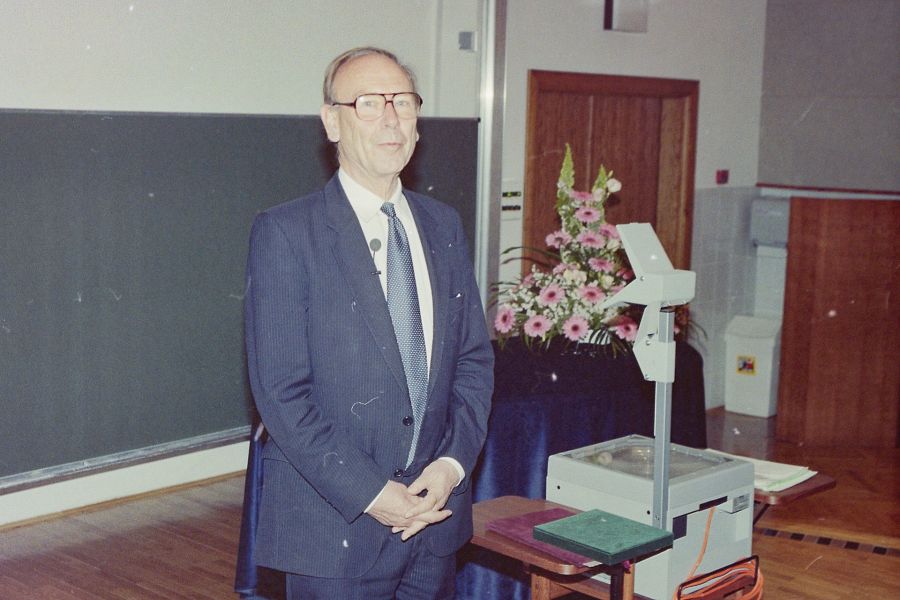
"We expressed our wish to work at the institute and asked what we could take on. Železnikar was extremely open-minded. Within a few minutes, our conversation turned to artificial intelligence. We had heard of the field and considered it very exciting. That was enough for us. We were given an unfinished attic space without windows that was hot in summer and freezing cold in winter. Yet it was precisely this attic that eventually became the home of several departments at the Institute dealing with artificial intelligence. Peter Tancig soon joined us. As for expertise in artificial intelligence, we were largely left to our own devices. We had access to a library, a handful of academic papers and a few books – that was all," recalls Prof. Ivan Bratko, PhD.
-
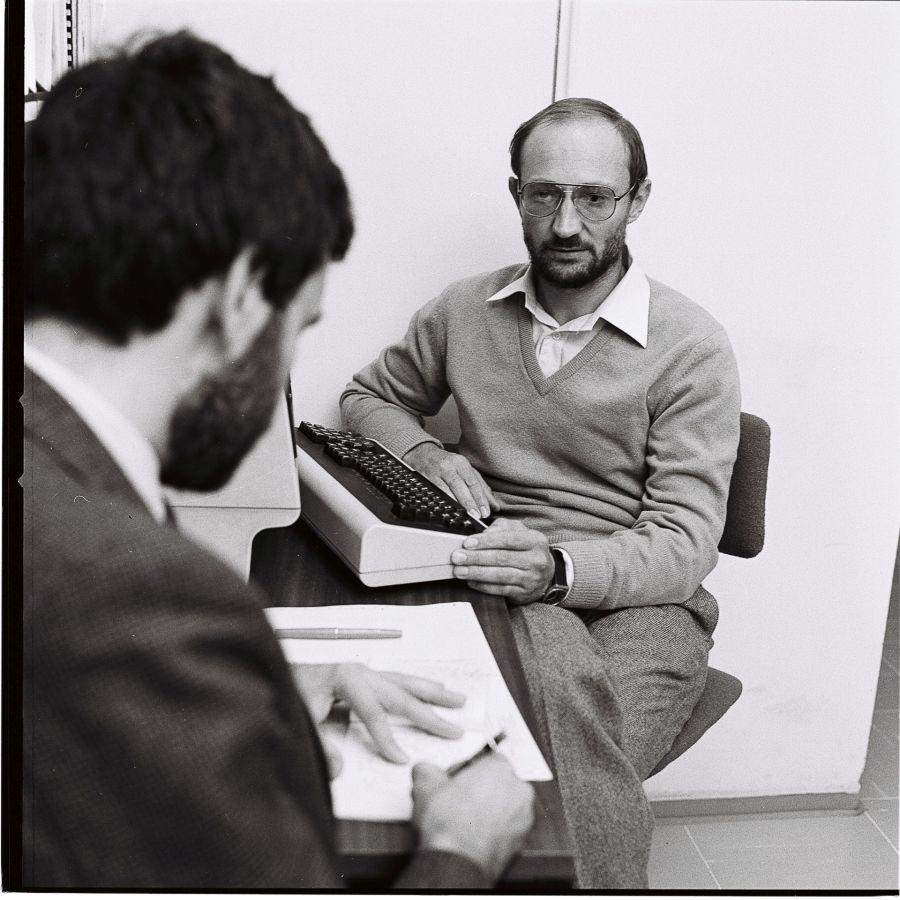
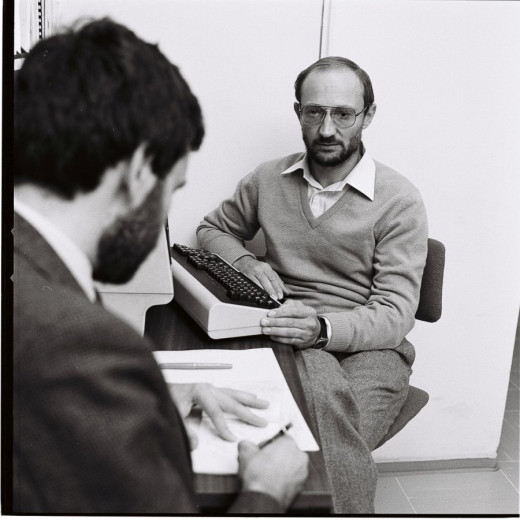 Ivan Bratko is considered the founder of artificial intelligence research in Slovenia. In 1985, he established the Artificial intelligence laboratory at the Faculty of computer and information science. Photo: Marjan Smerke, IJS
The world computer congress and international cooperation
A turning point came in 1971, when Ljubljana hosted the IFIP World Computer Congress. This event brought leading global experts to Slovenia and gave a strong impetus to the development of computing and artificial intelligence. Slovenian pioneers of artificial intelligence had the opportunity to meet the leading experts of the time.
"Artificial intelligence at that time was certainly not what it is today, as it is now an almost constant companion in our everyday tasks. At that time, the focus was on exploring its practical application. The aim was to create machines that could operate independently. It was about testing basic concepts – in early robotics, machines were learning mainly about physical properties, for example, whether it was possible to place a sphere on a cube.They were looking for ways to translate our lived experience into an abstract representation," explains Gaja Zornada, Director of the Slovenian Computer History Museum and curator of the exhibition The Origin of the Future, which offers in-depth insights into five decades' worth of the development of artificial intelligence in Slovenia.
-
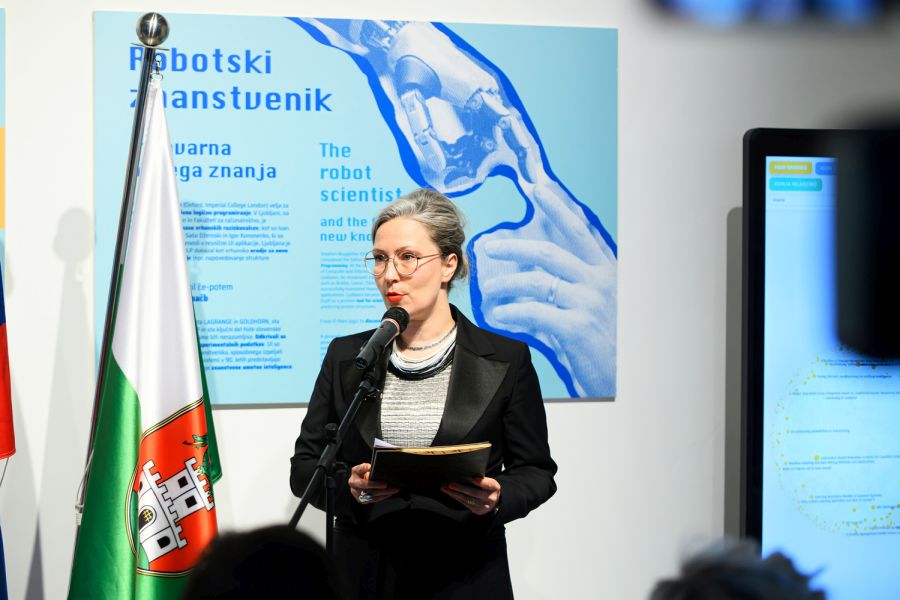
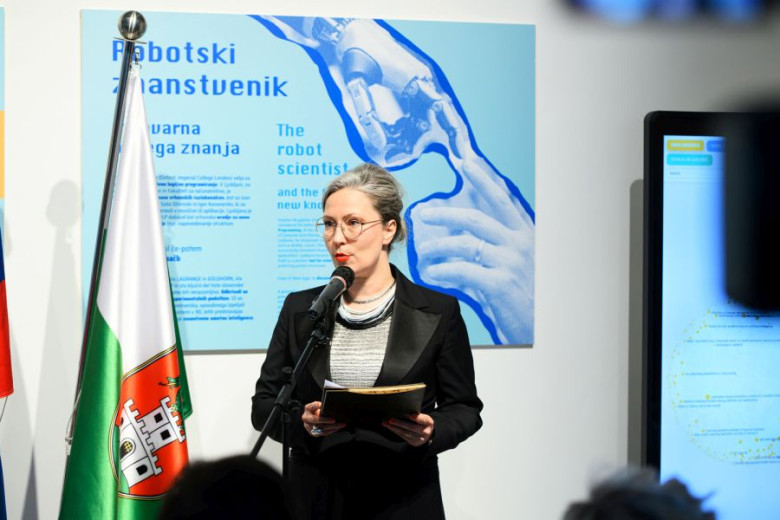 The director of the Slovenian Computer History Museum at the opening of the exhibition The Origin of the Future. Photo: Katja Goljat
-
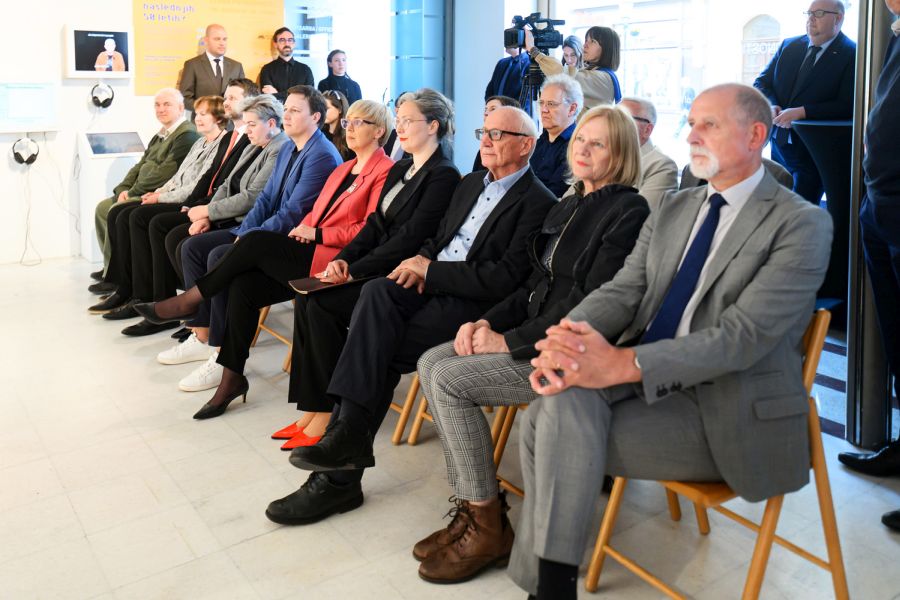
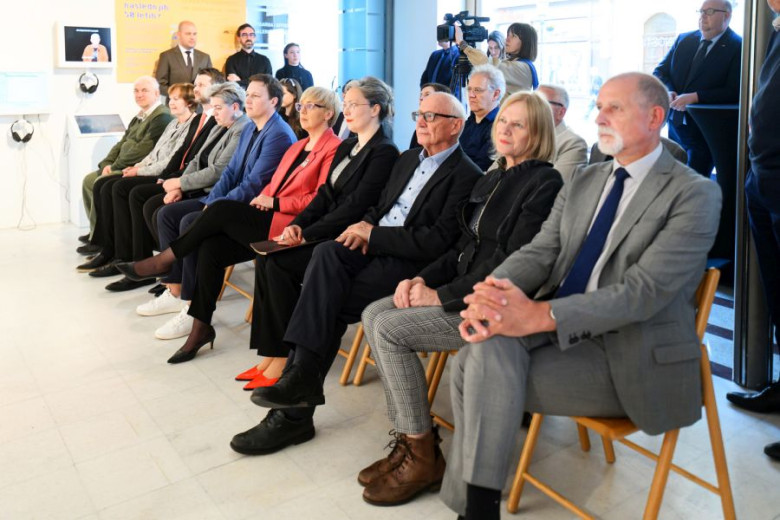 Under the honorary patronage of President Nataša Pirc Musar, the opening ceremony of the exhibition The Origin of the Future brought together the Rector of the University of Ljubljana and several generations of Slovenian AI researchers, from early pioneers to today’s leading experts.Photo: Katja Goljat
In 1977, Ivan Bratko, PhD, went to Edinburgh to the research laboratory of artificial intelligence pioneer Donald Michie, a close associate of the renowned Alan Turing. Michie first became Bratko's mentor and later his research colleague. Bratko was fascinated by the question of whether a computer could be taught to play chess, a strategic game regarded as the pinnacle of human intellect.
"When Bratko presented Donald Michie with the idea that a machine could learn from experience, Michie replied that they were a serious laboratory and did not deal in science fiction. Only half a year later, Bratko proved to him that a machine could indeed learn from experience," summarises Gaja Zornada. She adds that this dismissive reaction was, for Donald Michie – otherwise a great visionary in artificial intelligence – more the exception than the rule. Although the initial response surprised even Bratko, Michie quickly recognised the potential of the idea and, within a few months, gave it his full support.
The emphasis was on autonomous machine learning, where the computer itself generates rules based on prior examples (experience), representing a radical departure from the then prevailing systems based on the manual input of predefined rules and knowledge.
-
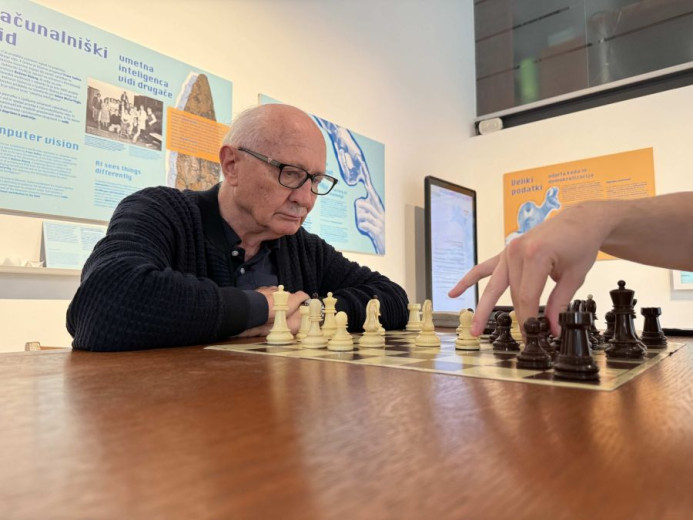 A master-level chess player himself, Ivan Bratko translated his own expertise and intuition into algorithms, driven by the fascinating challenge of whether a computer could be taught to master the game of chess. Photo: Slovenian Computer History Museum
-
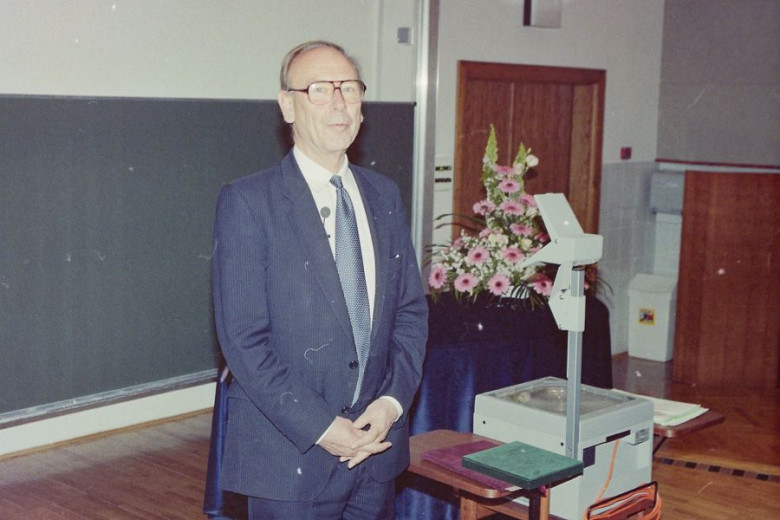 Donald Michie visited the Jožef Stefan Institute in 1995, when he became an associate member of the Institute. Photo: Marjan Smerke, IJS
-
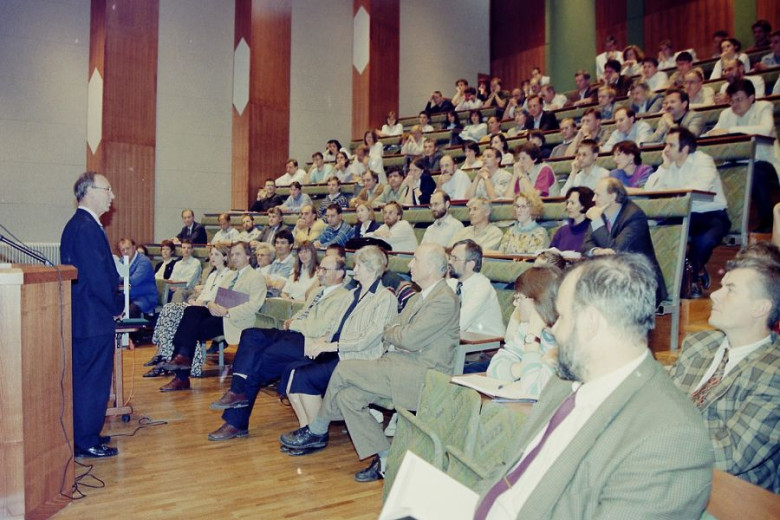 Donald Michie and Ivan Bratko shared a deep personal and professional bond. Photo: Marjan Smerke, IJS
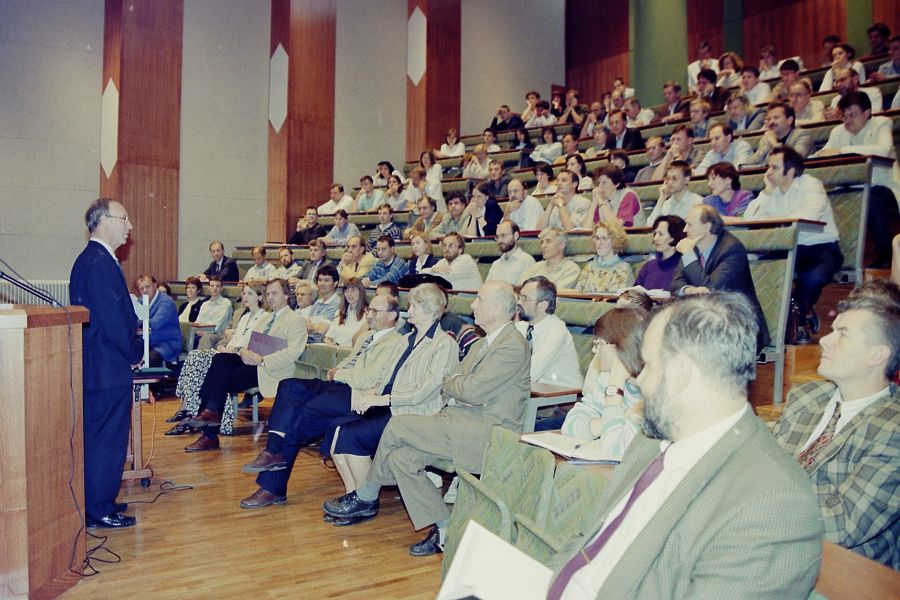
An extensive network of international cooperation enabled Slovenian researchers to co-create important breakthroughs in artificial intelligence. Many scientists from abroad sought collaboration with Slovenian institutes where foundational works were produced that continue to be cited worldwide as sources for new research.
The Ljubljana school of artificial intelligence
Around Ivan Bratko, PhD, other researchers gathered, forming the so-called Ljubljana school of artificial intelligence, which has also gained international recognition. As Gaja Zornada explains, the key guiding principles of the Ljubljana school were logic and explainability: "Artificial intelligence systems must be understandable to humans – we must know how they generate their results".
Even today, explainability remains at the forefront of discussions on artificial intelligence, she emphasises: "When we no longer understand technology, fears arise, which is why the issue of explainability has once again come to the forefront".
This approach also opened the door to applications in medicine where trust in technology is crucial. Slovenian researchers developed solutions that were not only effective but also explainable.
-
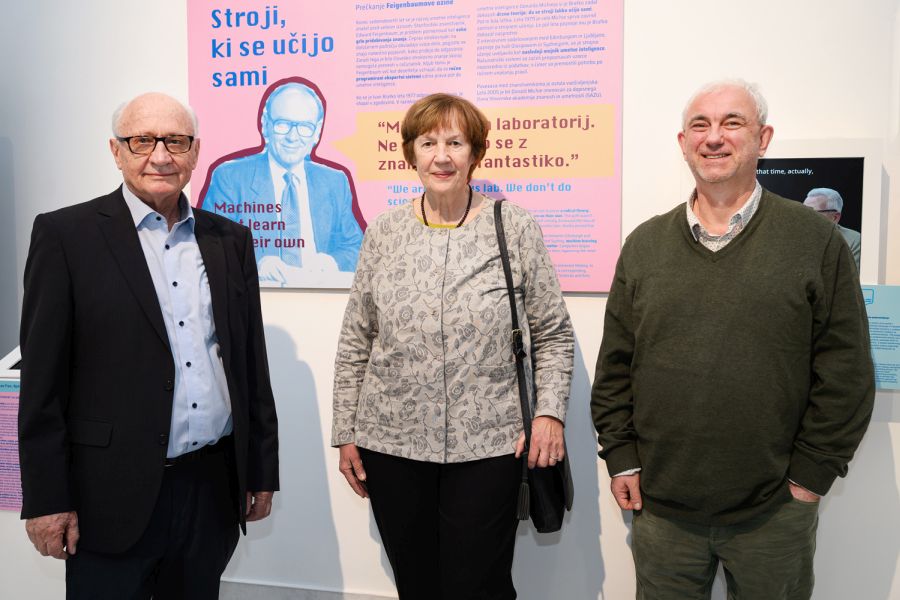
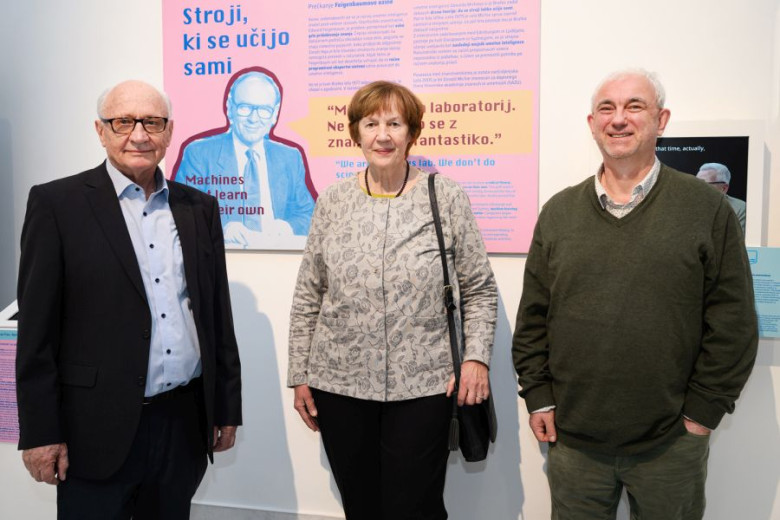 Ivan Bratko and Nada Lavrač, a pioneer in machine learning and data mining, were founding members of the Ljubljana School of AI. They are joined by Sašo Džeroski, a prominent member of the subsequent generation and one of the world’s most cited scientists in the fields of machine learning and environmental modelling. Photo: Katja Goljat
Slovenian expertise and the world's first intelligent pacemaker
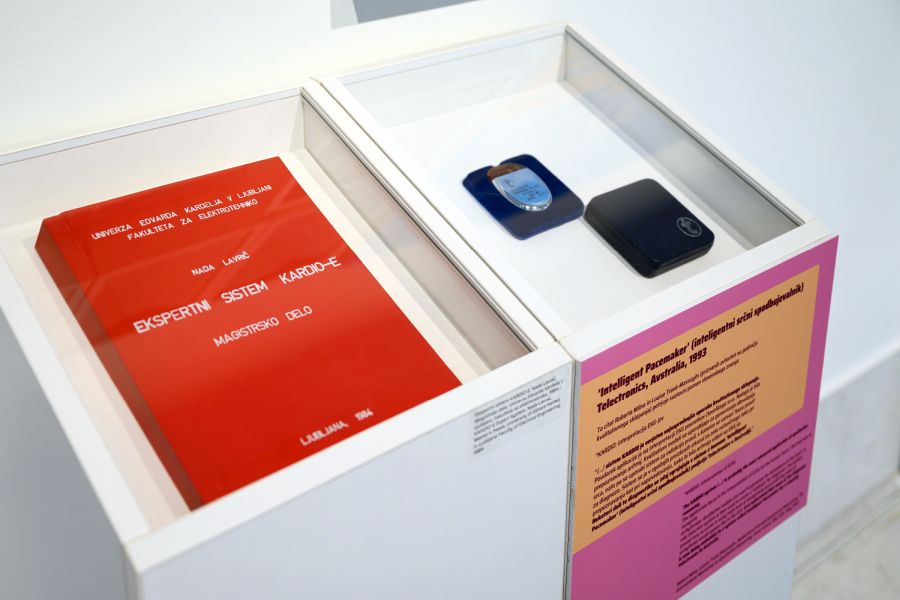
Slovenia was a world leader in the field of inductive logic programming. The KARDIO system, developed by Ivan Bratko, Nada Lavrač and Igor Mozetič, used simulations of inductive logic programming based on heart simulations to derive rules for diagnosing cardiac arrhythmias. As Gaja Zornada explains, "the KARDIO system showed that a computer can understand why an arrhythmia occurs, not just what an ECG looks like".
This technology was so advanced and reliable that, a decade later, it was incorporated into the first artificial intelligence-powered pacemaker by an Australian manufacturer.
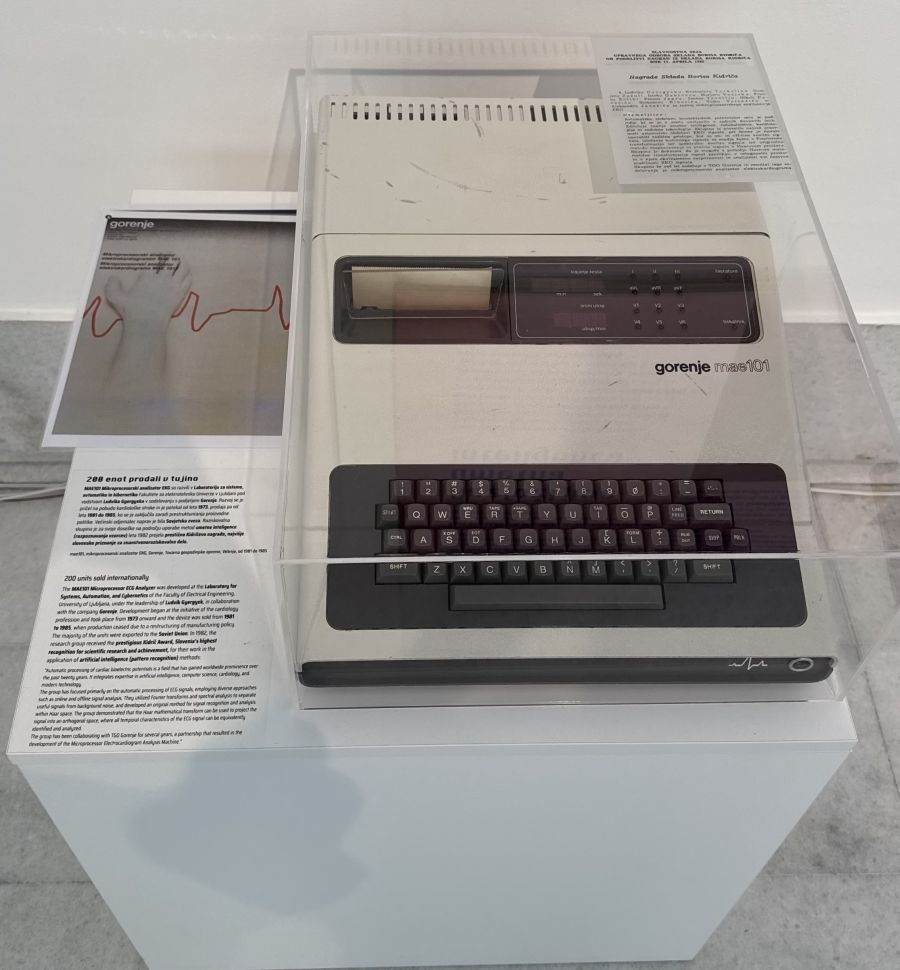
At the same time, the Faculty of Electrical Engineering in Ljubljana, in cooperation with Gorenje, developed a microprocessor-based ECG signal analyser. As Gaja Zornada explains, this was "a device for diagnosing patients during stress testing, which accelerated and complemented the professional assessment of cardiologists".
-
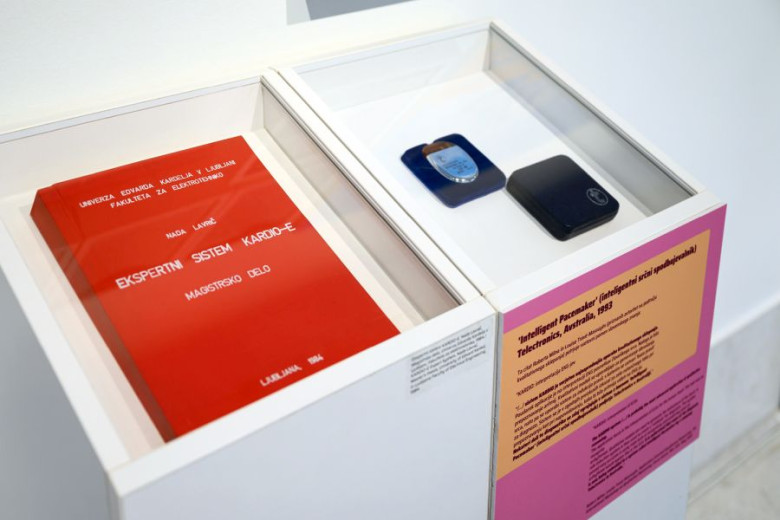 By enabling computers to understand the causes of cardiac arrhythmias, this Slovenian innovation later powered the world's first AI-driven pacemaker. Photo: Slovenian Computer History Museum
-
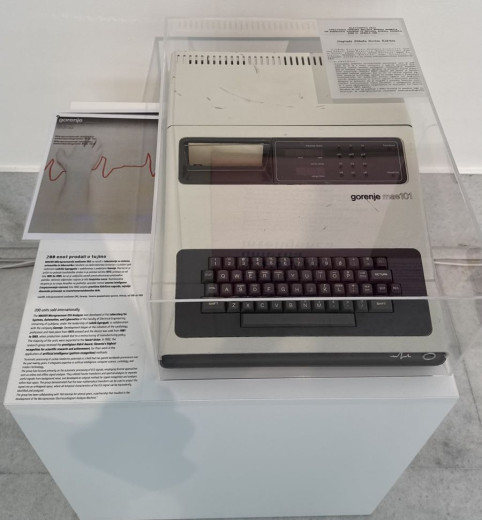 The analyser was sold between 1981 and 1985, with around 200 units also sold abroad. Photo: UKOM
The future has strong roots in Slovenia
Slovenian expertise has never remained confined to laboratories. Ivan Bratko, PhD, is the author of the most widely used textbook on the programming language known as Prolog (logic programming), which is still used worldwide today. When students at MIT or Stanford learned about intelligent agents, they did so using examples devised by a professor in Ljubljana.
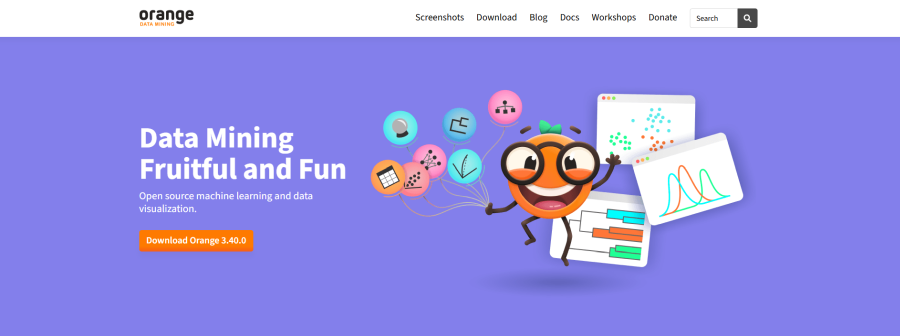
Today, this tradition continues through Blaž Zupan, PhD, and Janez Demšar, PhD, who developed the programme known as Orange at the Faculty of Computer and Information Science in Ljubljana, now used by thousands worldwide. Orange is an open-source data analytics programme that enables anyone to apply artificial intelligence to any data-driven problem.
-
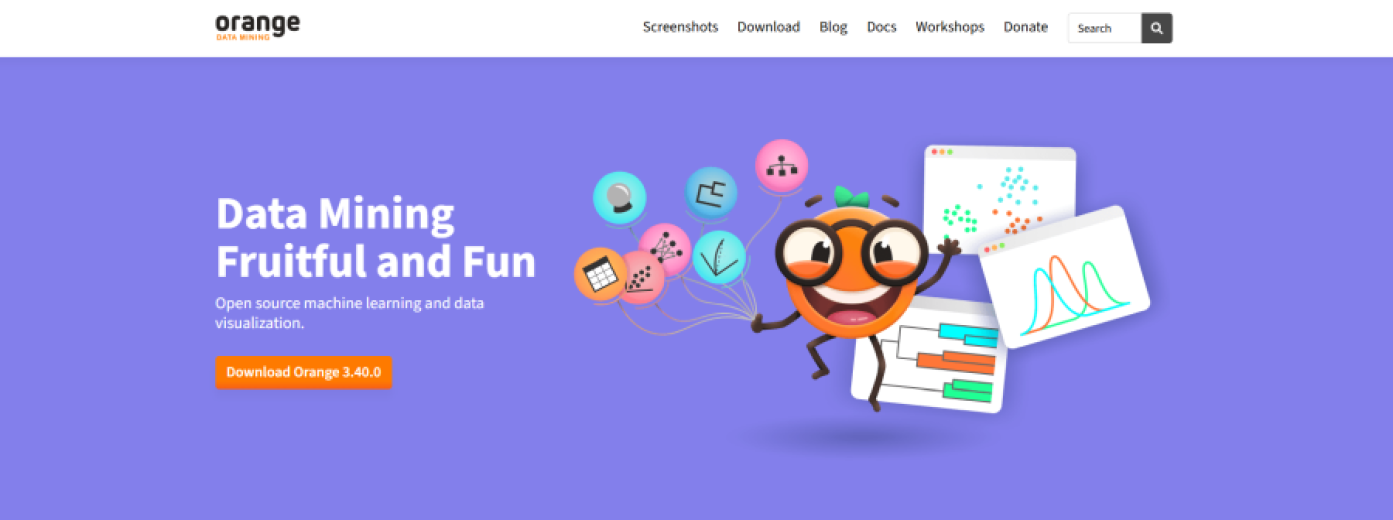 Orange is a globally recognized Slovenian tool that democratizes data science, allowing anyone to tackle complex problems using artificial intelligence. Source: Screenshot
The story of artificial intelligence in Slovenia is a story of perseverance, vision and cooperation. It began modestly, in an unfinished attic, and today forms an important part of the global scientific landscape. As Gaja Zornada emphasises, "the Slovenian contribution is far greater than one might expect given the size of the country. The future here has strong roots grounded in values, and these will determine how we use the technology going forward."
You can learn more about the history of artificial intelligence in Slovenia at the exhibition The Origin of the Future, on display at the Kresija Gallery in Ljubljana until 3 May 2026, after which it will be on display at the Computer History Museum. The exhibition was curated by the Computer History Museum in cooperation with the Faculty of Computer and Information Science of the University of Ljubljana, the Slo AI institute for the promotion of AI development, the Slovenian Artificial Intelligence Society (SLAIS) and the Jožef Stefan Institute.
Cover photo: Depositphotos