Date: 18. December 2025
Time to read: 2 min
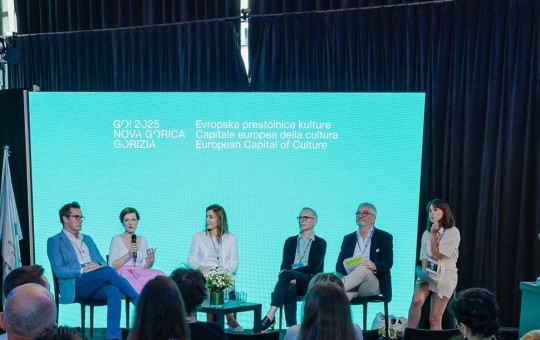
The year in which Nova Gorica and Gorizia shared the title of European Capital of Culture brought an extraordinary variety of creative events. More than 1600 events, more than 19 thousand participants and more than a million visitors demonstrate the power and scope of this project. It was the first cross-border European Capital of Culture in the 40-year history of the initiative and a year that will leave a lasting mark on the Goriška region.
The closing is in fact a new beginning of cooperation on the foundations laid by the European Capital of Culture: transcending borders, friendship, mutual respect and understanding, and tolerance in a world where these values seem to be increasingly fragile.
Programme Highlights of GO! 2025
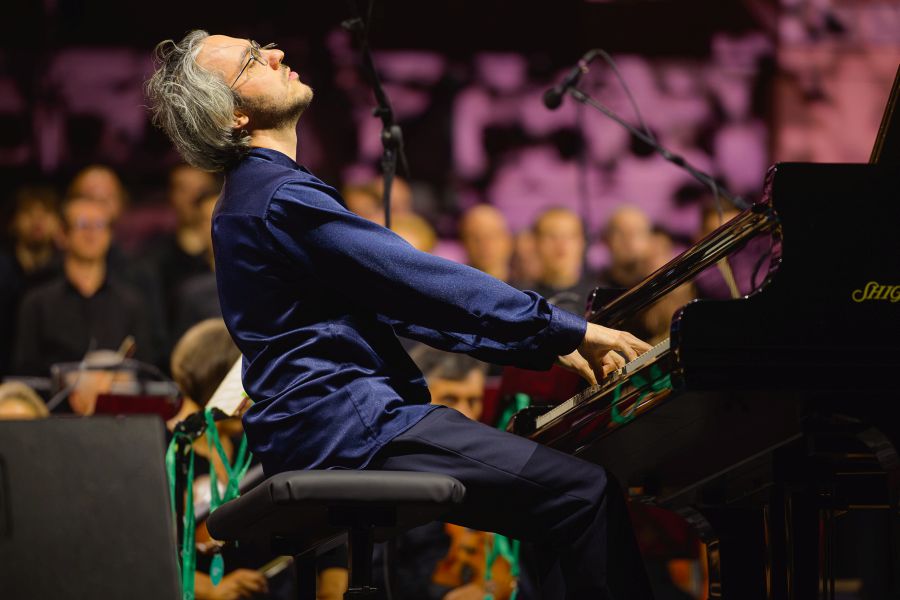
The year was marked by exceptional programme highlights that brought Nova Gorica and Gorizia together in a single cross-border cultural space. From the EPICentre with the exhibition City on the Border and the performance of Slavoj Žižek, to the contemporary dance project The Borderless Body at the Monument of Peace on Cerje, the virtuoso piano recitals by Alexander Gadjiev on Europe Square and on Sveta Gora, and the monumental theatrical Dodecalogy by Tomi Janežič. The exhibitions of Zoran Mušič's works, the documentary film Forget Me Not, literary events with great names of European literature and the R.o.R international festival of contemporary, intermedia and performative art practices with the central focus on light have also left a special mark.
Stop the City! was one of the main mass strands of the ECOC, dedicated to mass cultural, sporting, musical, culinary and urban experiences.
-
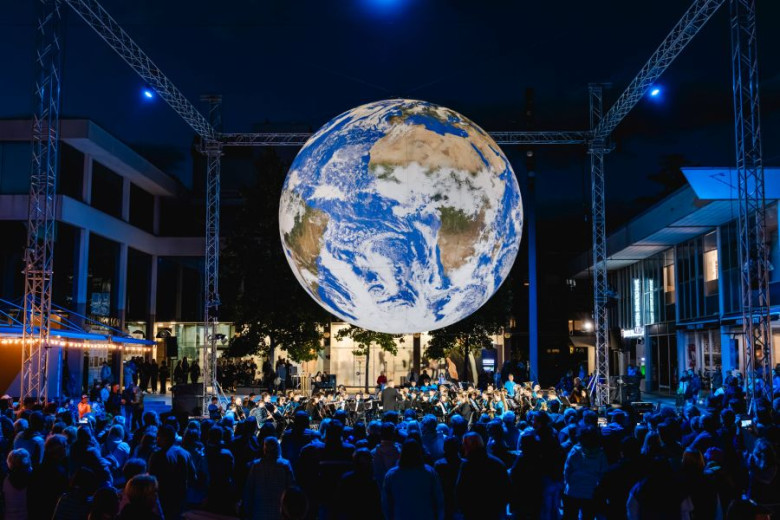 At the R. o. R. festival, both artists working at the intersection of science, art, and technology, as well as experts and scientists from a wide range of disciplines, presented their work. Photo: Ana Rojc
-
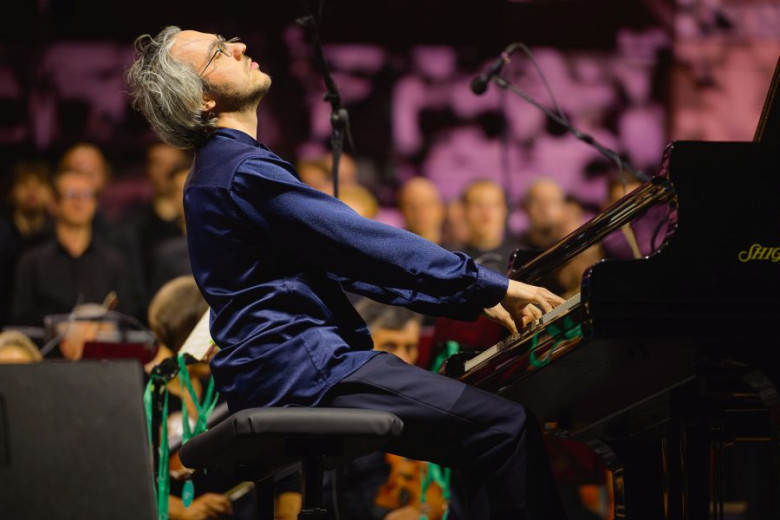 Aleksander Gadžijev, a musician from the Goriška region, was selected as a cultural ambassador of this year’s European Capital of Culture. Photo: Jernej Humar
-
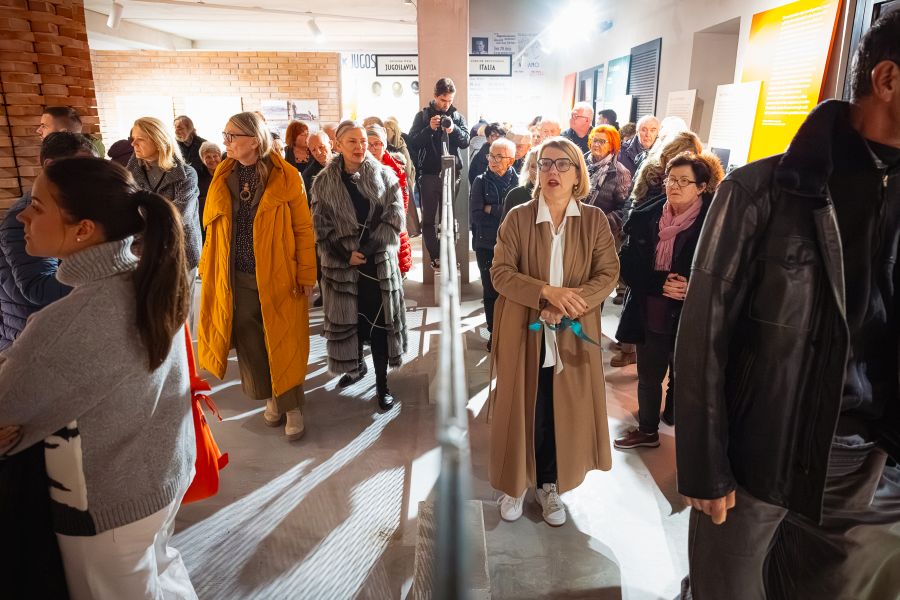
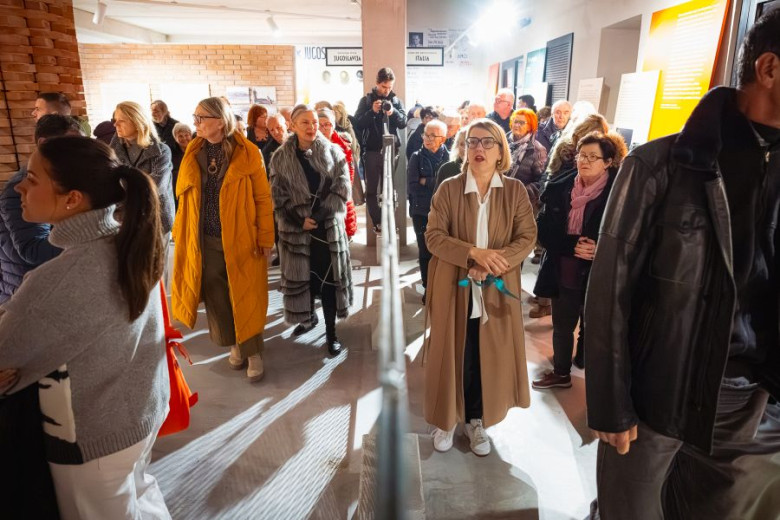 The permanent exhibition City on the Border sheds light on the past of the Goriška region through the personal and collective stories of its residents, offering insight into everyday life in the border area during the 20th century. Photo: Jernej Humar
-
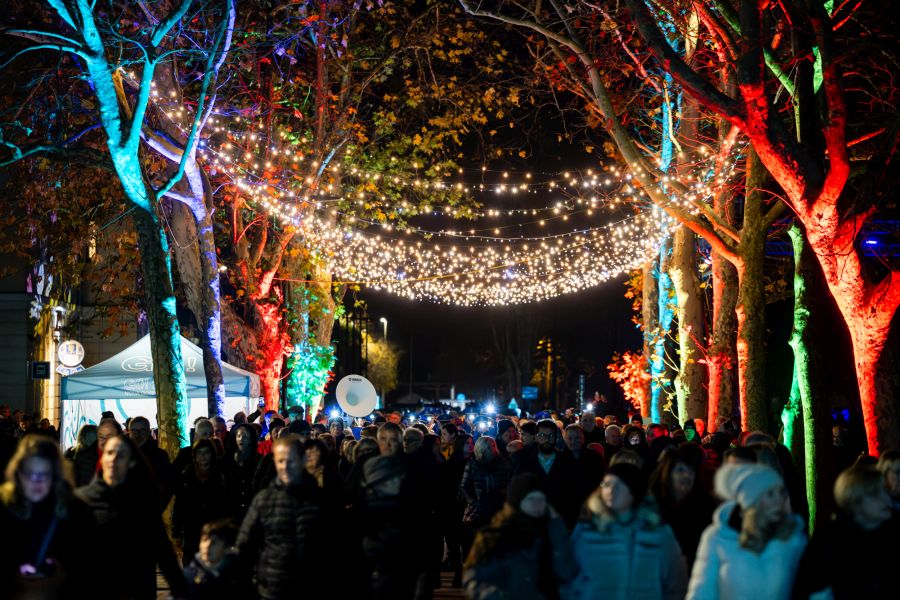
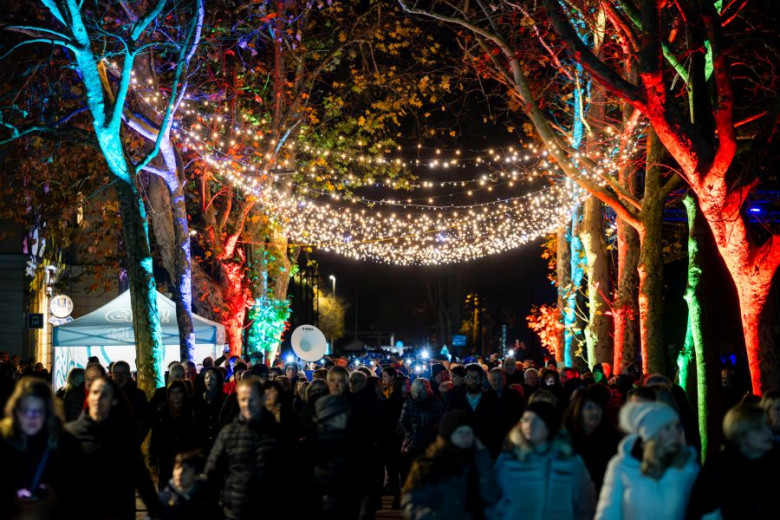 The final mass event of the European Capital of Culture 2025, Nova Gorica – Gorica, connected the cities with festive lights. Photo: Ana Rojc
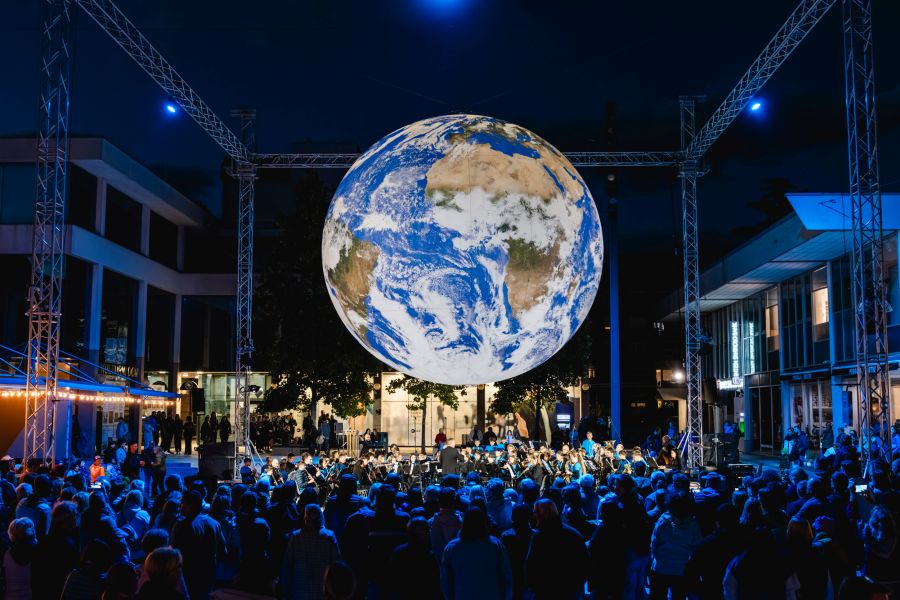
"The volume of work produced is direct evidence of the tremendous audience interest and sold out events. The extraordinary response has led many artists to produce much more than initially anticipated," points out Mija Lorbek, director of the GO! 2025 Institute.
Nova Gorica and Gorizia on the Cultural Map
The cultural year was marked not only by exceptional events, but also by significant investments by the Ministry of Culture.
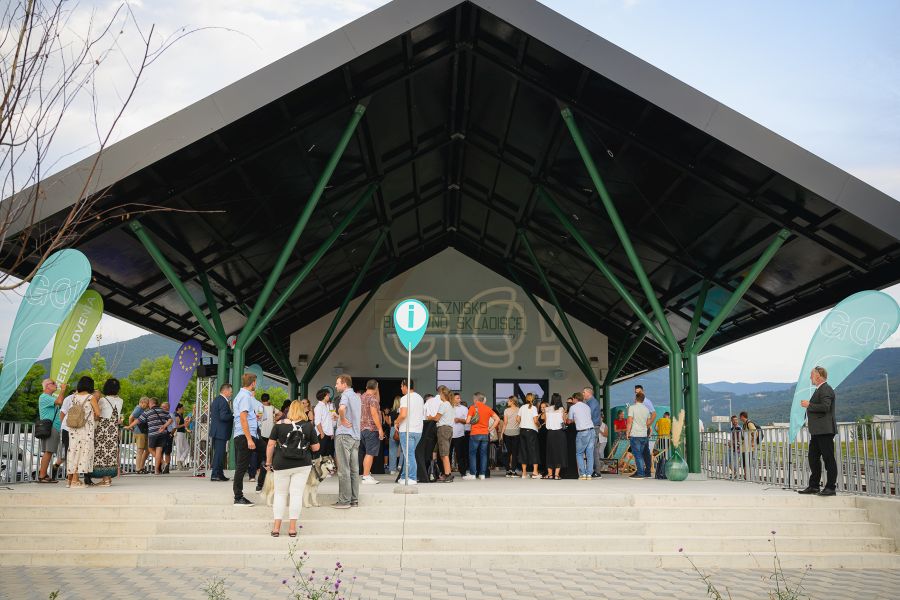
Among the most important is the new EPIC (European Platform for the Interpretation of the 20th Century) Interpretation Centre, which has established itself as a new hub for culture, interpretation of history and cross-border dialogue, as well as the venue for the closing events of the ECOC.
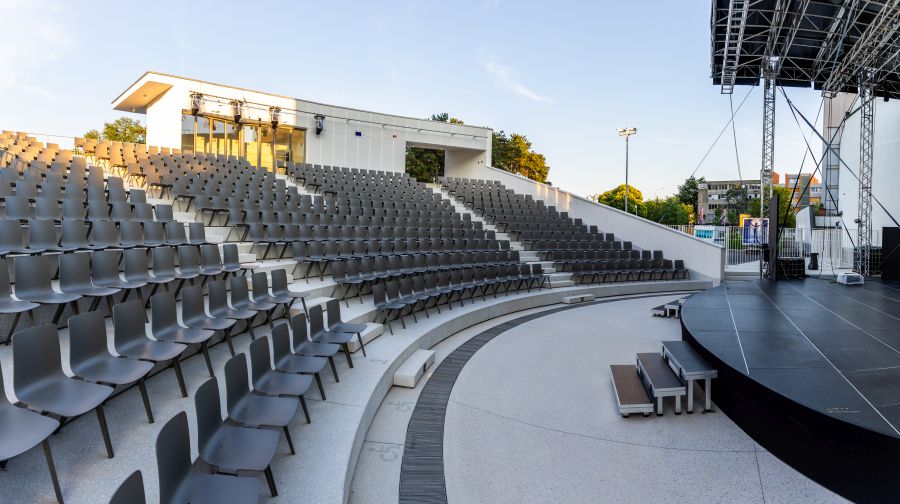
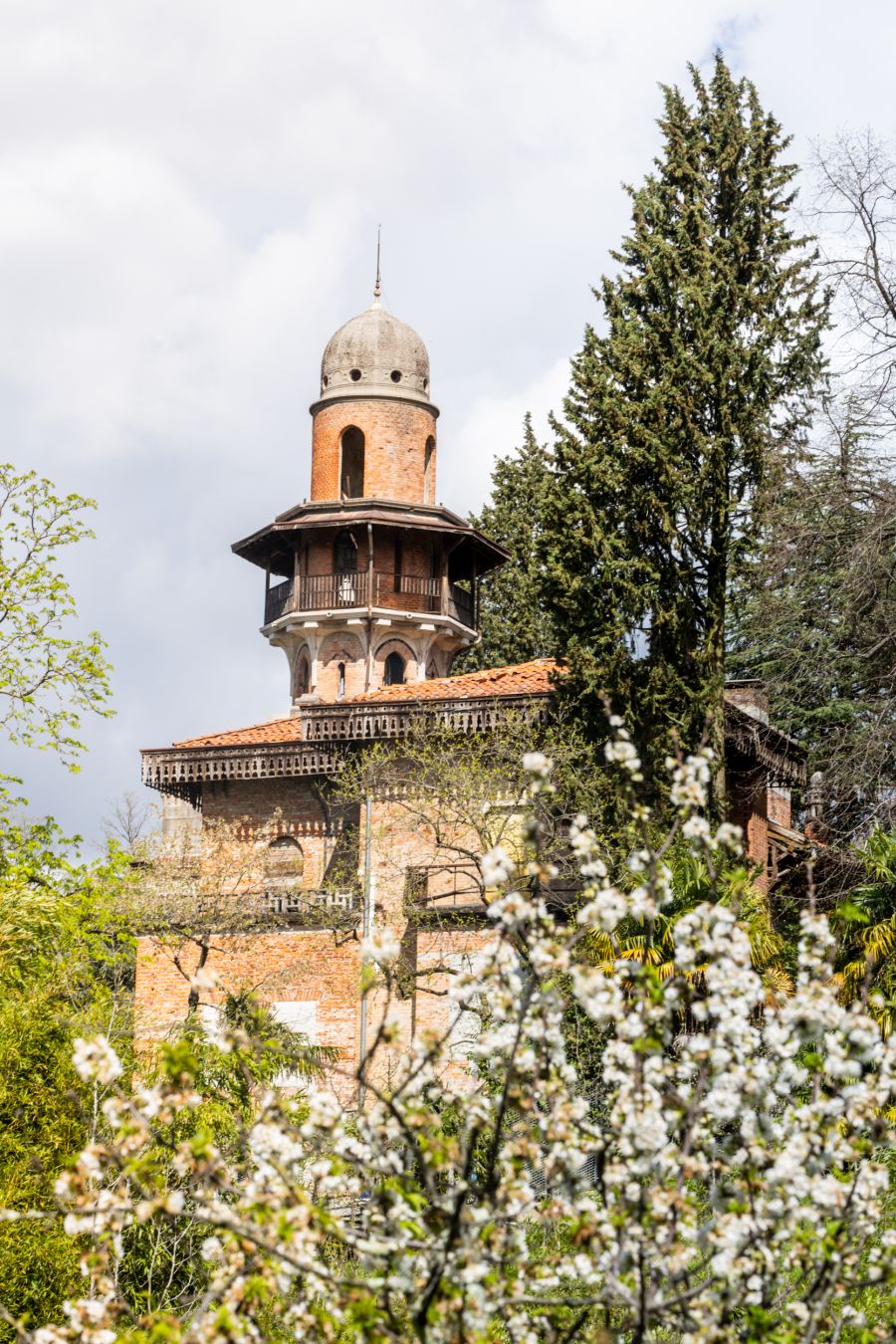
An important new addition is the new outdoor venue of the Slovenian National Theatre Nova Gorica, the Amphitheatre, which brings a new summer venue for theatre and other productions to the region. Also important is the restoration of Villa Rafut, an outstanding monument in neo-Islamic style, which, once renovated, will serve as an interpretation centre for the Natura 2000 sites of Goriška Brda, Vipava Valley and Trnovo Forest. Other key projects include the revitalisation of the Kozlov rob Castle in Tolmin with a new interpretation centre, the opening of the renovated Pilon Gallery in Ajdovščina and a number of other projects.
-
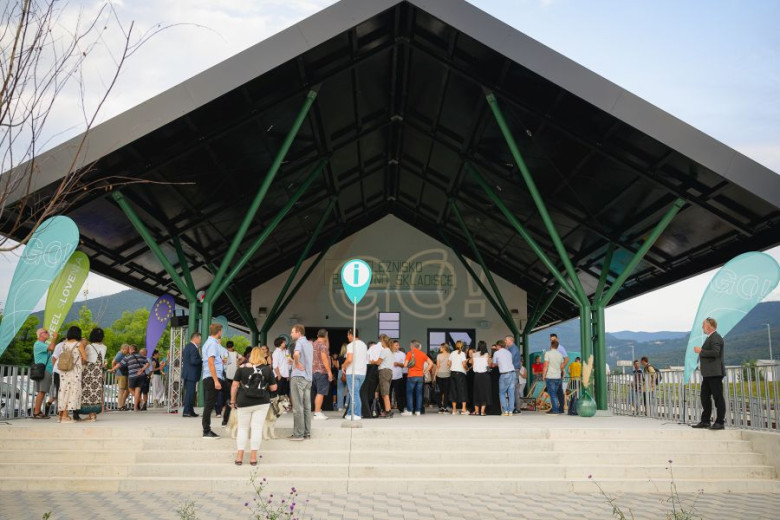 The EPIC project is located in the former Slovenian Railways freight yard on Kolodvorska Road in Nova Gorica. Photo: Jernej Humar
-
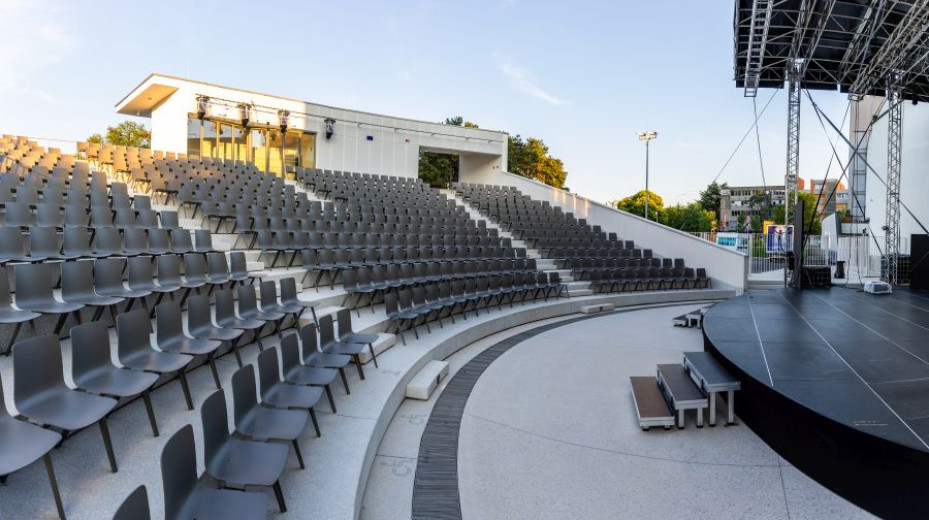 The outdoor amphitheater has nearly 500 seats. Photo: Ana Rojc
-
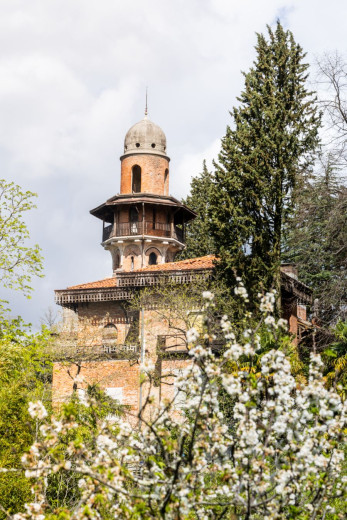 Rafut Villa is surrounded by a park that represents a unique natural and cultural heritage, not only in Slovenia but also in the European context. Photo: Ana Rojc
Tourist Arrivals Exceed Expectations
The biggest impact of the ECOC was in all likelihood the increase in the numbers of tourists in the region. Nova Gorica recorded an average of one-fifth more overnight stays, while neighbouring Gorizia had an even higher increase of almost 27%, which significantly exceeds the national averages for both countries. July was a record month for arrivals in Nova Gorica, with 42.4% more overnight stays than in the same period last year.
It is also encouraging to note that tourist satisfaction was extremely high – according to a survey conducted by the University of Udine, visitor satisfaction in Gorizia is as high as 90%.
Handover Ceremony
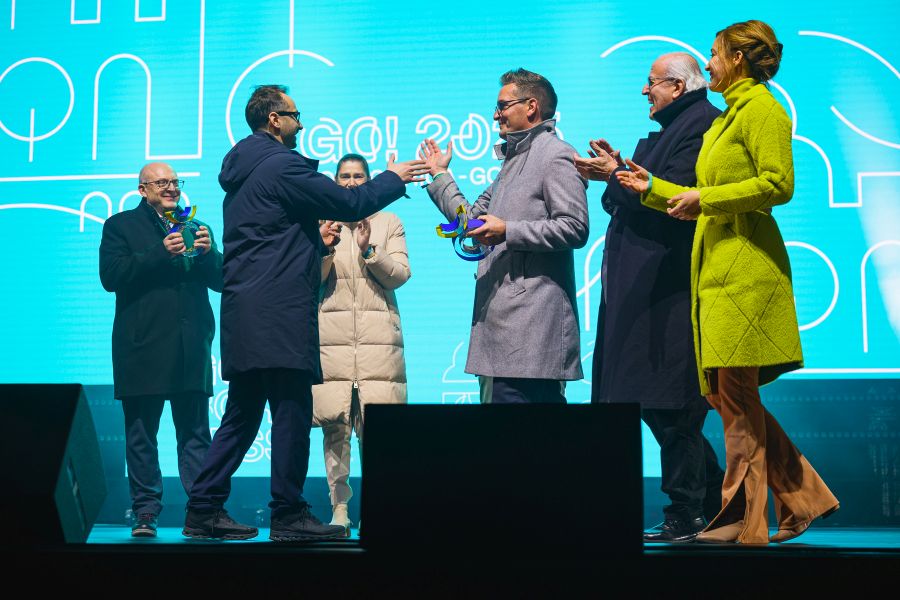
For the first time, the European Capital of Culture handover ceremony took place in a cross-border European Capital of Culture, which takes place in two cities, in two countries, at the same time. The event culminated in Europe Square, where the European Capital of Culture title was symbolically handed over to the cities of Trenčín, Slovakia, and Oulu, Finland.
-
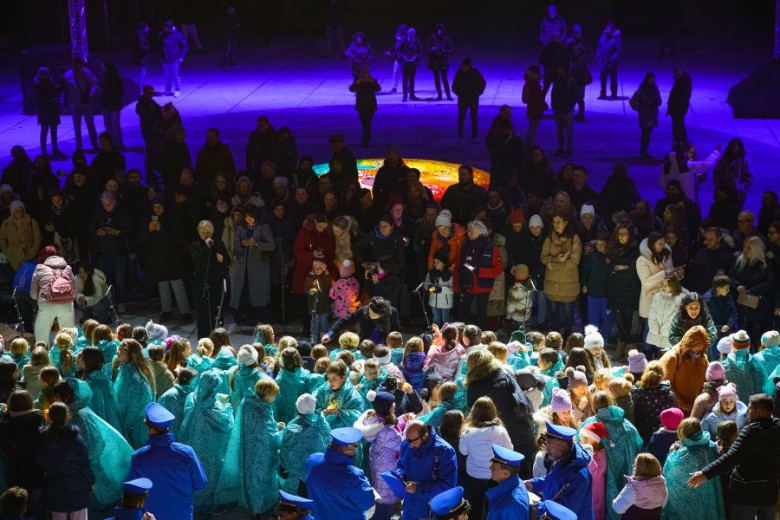 More than 200 participants took part in the parade and in the square, symbolically linking the two cities with their joint performance and light, and underlining the ECOC's central message that culture blurs boundaries. Photo: Jernej Humar
-
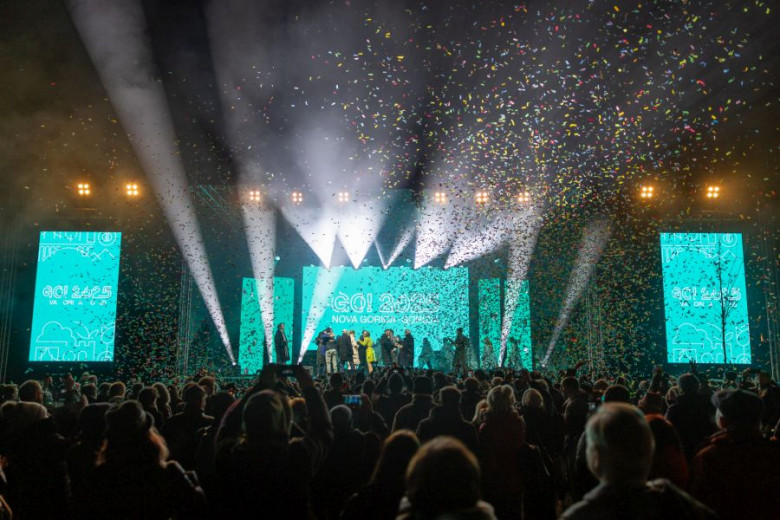 The closing ceremony was marked by the song Insieme / Together. Photo: Jernej Humar
-
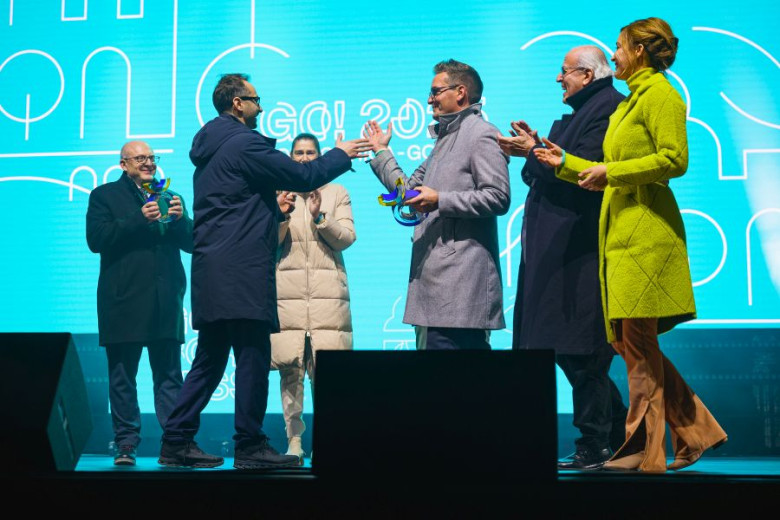 For the first time, the European Capital of Culture handover ceremony took place across two cities in different countries. Photo: Jernej Humar
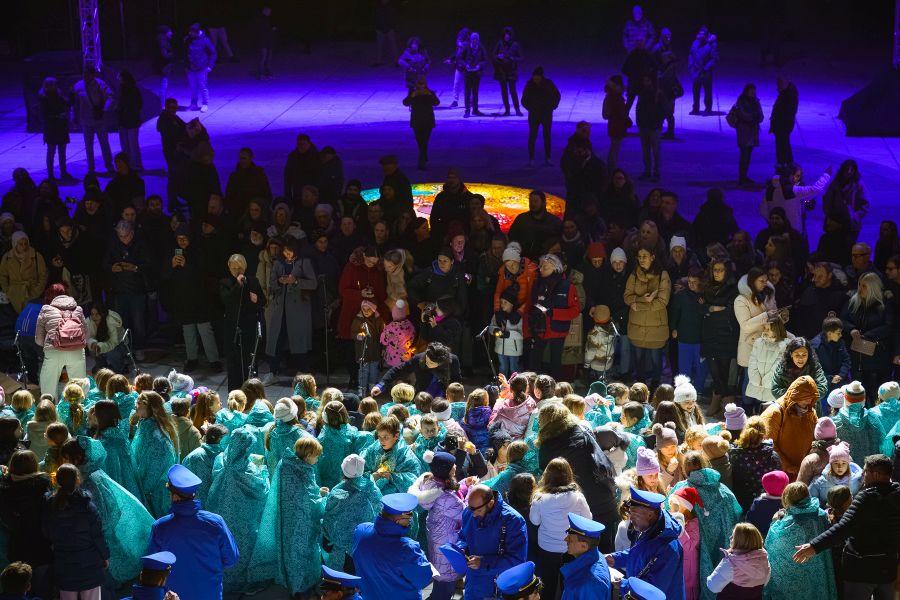
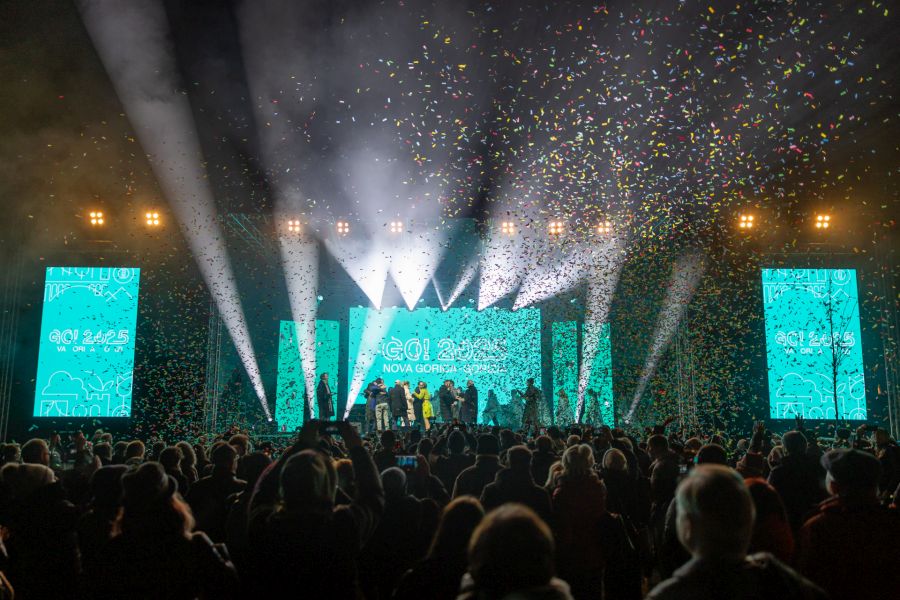
Adding to the special charm of the event was a parade of lights and music, with brass bands, majorettes, dancers and primary school pupils, which started on both sides of the border and met at the central venue at the border in Europe Square.
At midday, the Mayors of Nova Gorica, Gorizia and Chemnitz signed a Memorandum of Understanding, agreeing to continue their cooperation beyond the European Capital of Culture year.
Since 1985, on the initiative of Melina Mercouri and Jack Lang, two European cities have been awarded this prestigious title each year, in a bid to respect the diversity of European cultures and strengthen international cooperation.