Date: 26. November 2026
Time to read: 1 min
What if one of the most valuable prescriptions a child could receive were for a book rather than medicine?
-
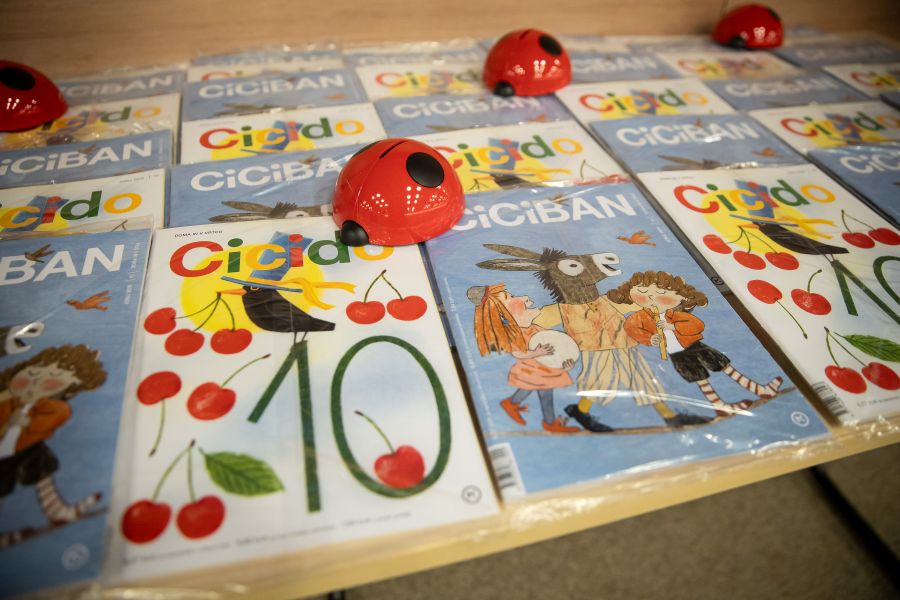
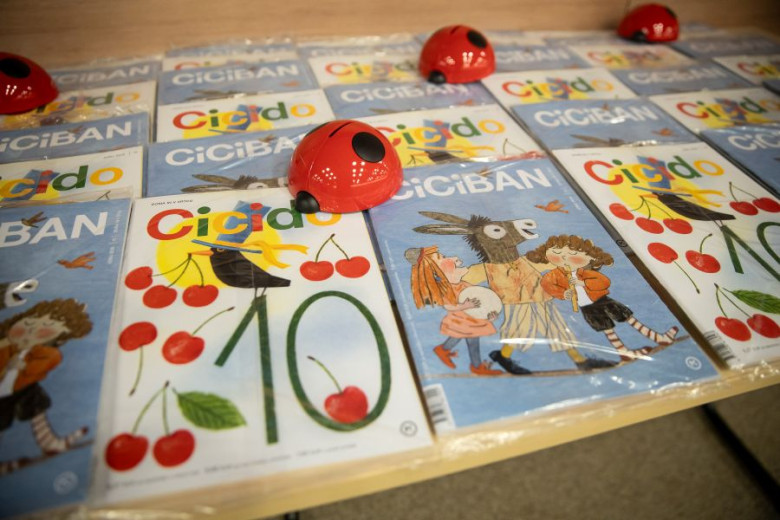 Every year, 20,000 Slovenian three-year-olds receive Cicido and parents get practical guidance. Photo: UKOM archive
This simple yet powerful insight lies at the heart of Slovenia's national initiative ‘Reading on Prescription’, which encourages parents to spend at least ten minutes each day reading with their children.
The initiative brings together paediatricians, child development experts, publishers and public health organisations with a shared goal: to help children grow up surrounded by stories, books and conversation.
In Slovenia, a country with an exceptionally rich literary tradition, reading holds a special place. The first standard written form of Slovenian dates back to the 16th century, and books have played an important role in shaping Slovenian national identity ever since. Today, Slovenia has one of the highest concentrations of libraries in Europe and retains a strong reading culture.
The ‘Reading Prescription’ initiative is a modern expression of this tradition, adapted to the challenges of the 21st century.
At a time when digital devices are increasingly shaping children's everyday lives, many experts warn that a decline in reading habits has implications for speech development, attention and social skills. The initiative therefore offers a simple response: more shared reading at home.
-
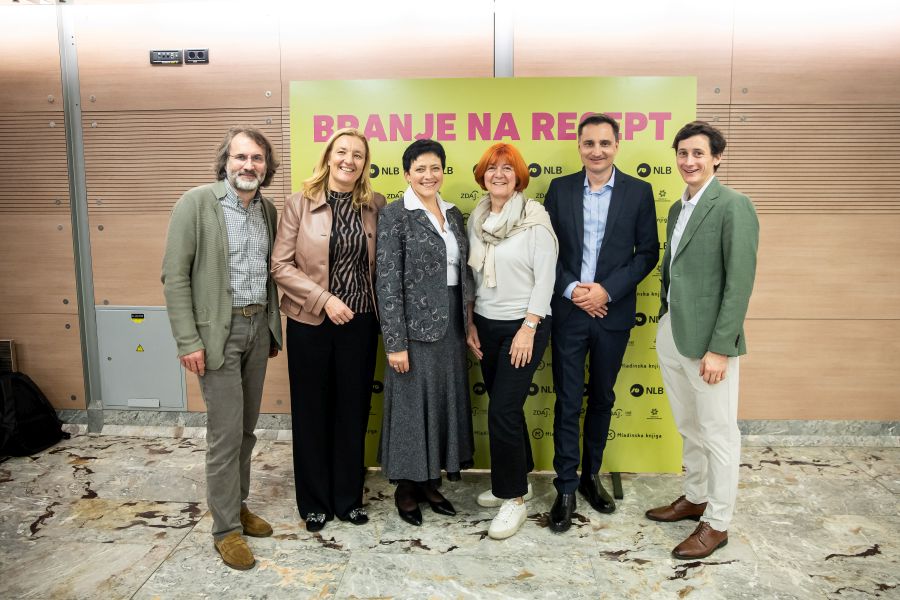
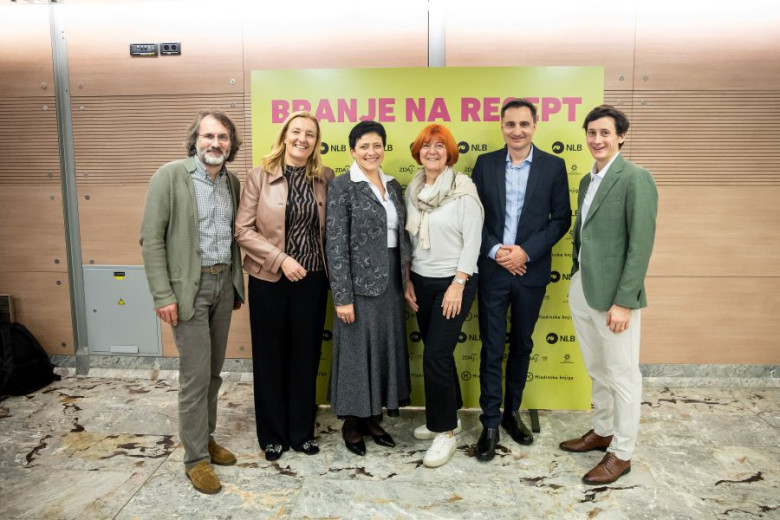 Ambassadors of reading: Marko Pokorn, Alenka Kepic Mohar, Nataša Kraškovič, Polonca Truden Dobrin, Denis Baš, Cene Prevc. Photo: UKOM archive
We love reading
What sets the initiative apart is that it begins in paediatric clinics, where parents regularly meet child health professionals.
Every year, around 20,000 Slovenian three-year-olds receive a special edition of the children’s magazine Cicido during their routine health check-up, along with guidance for parents on reading together.
In this way, books become part of caring for children's wellbeing from their earliest years. The national initiative draws on numerous studies showing that regular reading with children enriches their vocabulary, stimulates their imagination, encourages critical thinking and fosters empathy. But those behind the initiative also highlight another benefit: shared reading gives parents and children precious time together, free from screens and everyday distractions.
Many prominent Slovenians from the worlds of medicine, business, culture, sport and education have also joined the initiative to show that reading is about much more than a school obligation.
They shared their thoughts on the books that have shaped their lives, emphasising how reading fosters creativity, perseverance, the ability to understand others and the confidence to make decisions. Whatever their profession or path in life, they all agreed on one thing: reading opens the door to the world.
The message of ‘Reading on Prescription’ therefore goes beyond promoting a culture of reading. It is an invitation to develop habits that benefit children, families and society as a whole.
And it takes very little to get started: a book, a few minutes of your time and a willingness to share a story with someone else.
Sometimes the best prescriptions are also the simplest. Ten minutes of reading a day may be a small step, but it can open up countless new worlds for a child. In a country that has shaped its history and culture over the centuries through language, books, culture and the arts, this is both an investment in the future and a continuation of a cherished tradition.
-
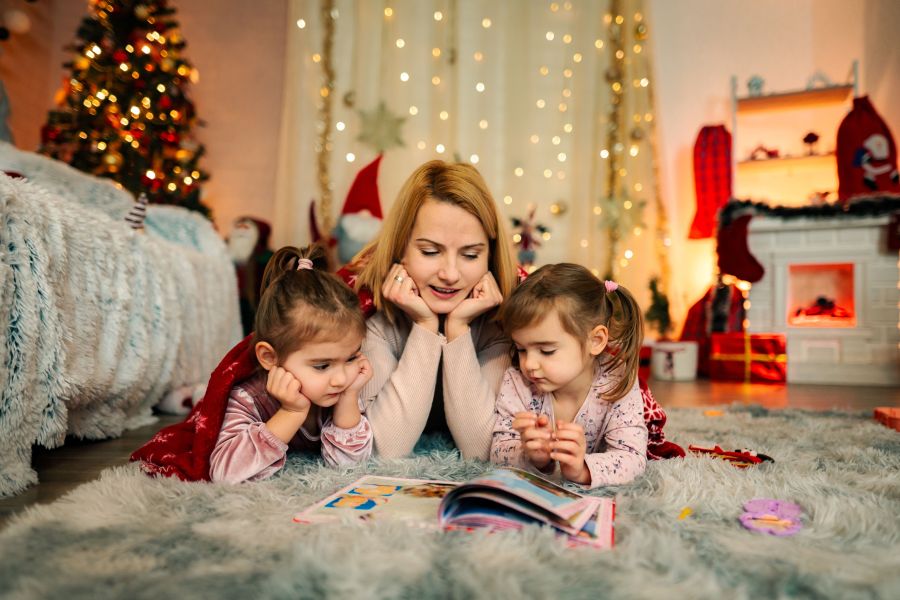
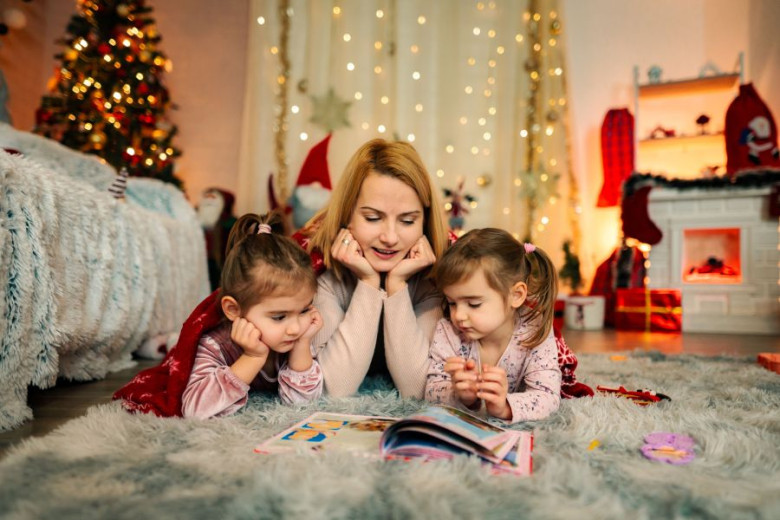 The message is simple: a book and ten minutes a day can open countless new worlds. It is a small investment in children's futures and a continuation of Slovenia's cherished reading culture. Photo: Getty images