Date: 7. April 2026
Time to read: 2 min
Health is one of the values most highly regarded by the people of Slovenia and, at the same time, a key measure of the country’s progress. This is confirmed by the results: first place in Europe for the effectiveness of cancer screening programmes, one of the lowest infant mortality rates in the world, and an above-average number of healthy life years compared with the EU average. International reports also show that Slovenia’s healthcare system sets standards in areas such as transplantation and preventive programmes.
Among the safest countries for childbirth and child development
In the field of maternal and newborn health, Slovenia has made significant progress in recent decades. Infant mortality – an indicator reflecting the accessibility and overall quality of healthcare – is among the lowest, both within the EU and across OECD countries. In 2023, infant mortality amounted to 1.8 deaths per 1,000 live births, with lower rates recorded only in Iceland.
Similarly high standards are achieved in maternal safety, with a low maternal mortality rate placing Slovenia among the most developed countries in the world.
-
 Slovenia ranks among the world’s safest countries for childbirth, with very low infant and maternal mortality and one of the most advanced newborn screening programmes. Photo: Depositphotos

The system is continuously being strengthened and improved. In 2024, the newborn screening programme was expanded from 18 to 41 congenital conditions. The programme enables the early detection and treatment of diseases and rare conditions, thereby preventing severe long-term consequences or death. The programme is regarded as one of the most advanced in the region and beyond.
European leader in cancer prevention
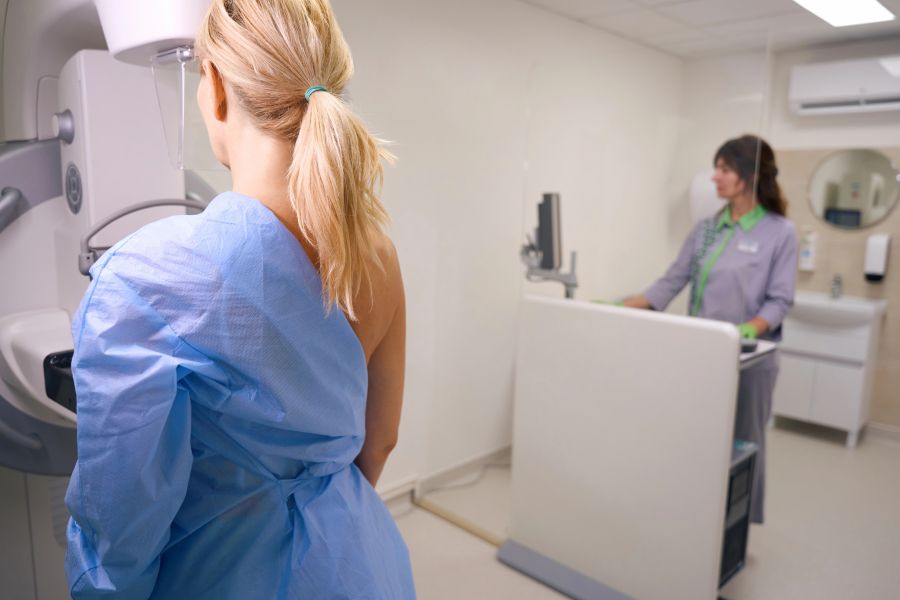
Early detection is key to reducing mortality and morbidity, and Slovenia is among the few European Union countries to have established, at a systemic level, three national screening programmes: DORA (breast cancer), ZORA (cervical cancer) and SVIT (colorectal cancer). Participation in these programmes is also above the EU average.
According to the latest data from the European Cancer Organisation’s European Cancer Screening Policy Index, Slovenia ranked first among all countries. This means that the people of Slovenia benefit from among the most favourable conditions in the world for detecting cancer at a stage when it is still fully curable. The Slovenian system has become a gold standard for other European countries
-
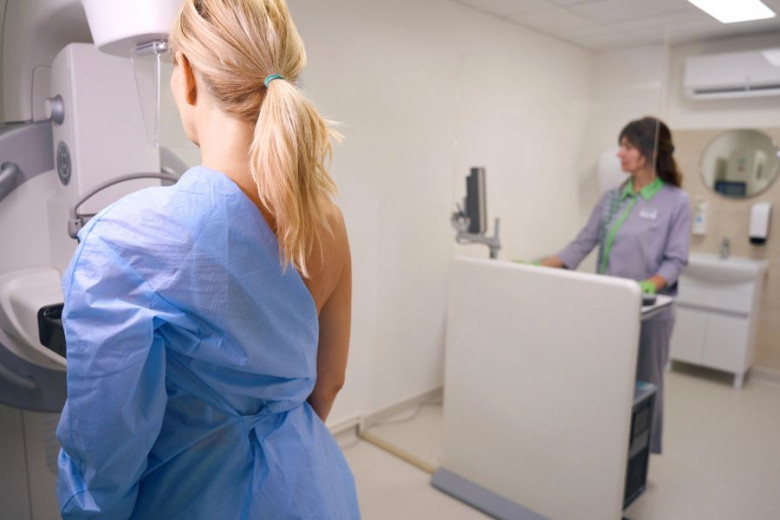 The system continues to be strengthened: the DORA programme is being extended to additional age groups, and two new programmes are in preparation – PETER for prostate cancer and LUKA for lung cancer. Photo: Depositphotos
More healthy life years than the EU average
People in Slovenia not only live longer, but also live healthier lives. Life expectancy at birth in Slovenia has consistently been above the EU average in the past decade. Healthy life years at birth are also above the EU average, standing at 68.8 years for women and 64.6 years for men. Slovenia stands out particularly among the older population: at the age of 65, Slovenian women are surpassed in terms of expected healthy life years in the EU only by Sweden.
-
 People in Slovenia live longer and healthier lives than the EU average, with particularly high healthy life expectancy among older women. Photo: Depositphotos

Excellence in transplantation medicine
Slovenia also achieves outstanding results in the most complex medical procedures. In terms of the number of heart transplants per million inhabitants, Slovenia has ranked first in the world 12 times over the past 16 years. This reflects the high level of expertise, organisation and excellence of the medical care provided by the University Medical Centre Ljubljana. Importantly, survival rates of Slovenian patients following heart transplantation are higher than the global average.
Among the notable achievements of 2025 is a heart transplant performed on a six-month-old infant. This year, top experts also accomplished an exceptional logistical, organisational and medical achievement – performing two lung transplants in a single day. Even by international standards, this is an achievement that only a small number of the largest transplant centres are capable of delivering.
-
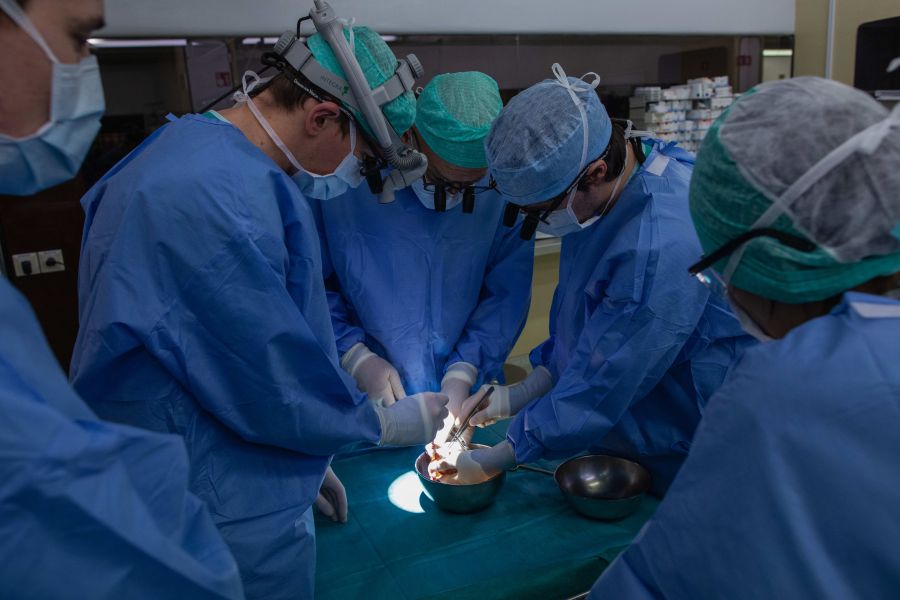
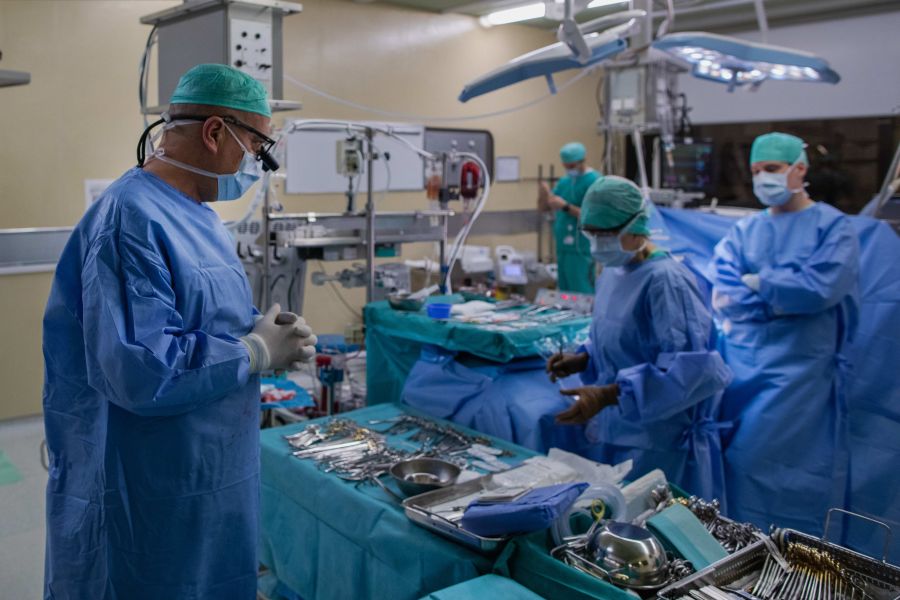
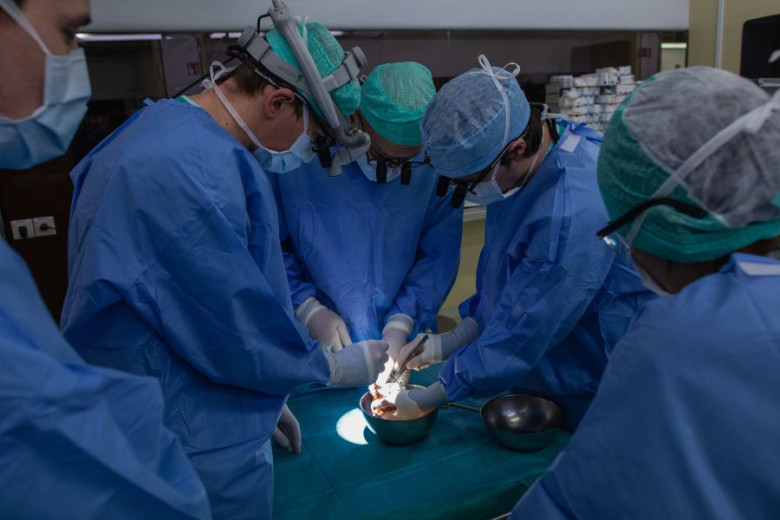 In 2024 Slovenia performed 26 heart transplants (12.4 per million people), ranking second in the world, just behind the United States. Photo: Matej Povše/University Medical Centre Ljubljana
-
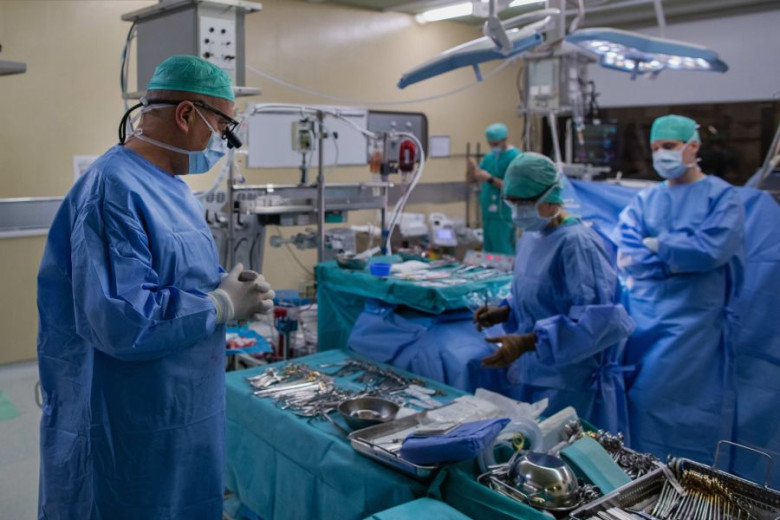 Slovenia excels in complex medical procedures, with world-leading heart transplant rates, high patient survival and remarkable achievements. Photo: Matej Povše/University Medical Centre Ljubljana
Accessibility and patient satisfaction
These outcomes are also reflected in patients’ experiences. The international Patient-Reported Indicator Survey (PaRIS) showed that 81% of Slovenian patients with chronic conditions rate the quality of their primary care as excellent or very good. The Health at a Glance 2025 report indicates that Slovenia performs above the OECD average on indicators of healthcare accessibility and quality.
Perhaps the most important achievement of Slovenia’s healthcare system, however, is the reduction of health inequalities. Slovenia is among the few EU countries where the overall health of the population is improving while disparities in health between educational groups are decreasing. This confirms that high-quality healthcare in Slovenia is not a privilege for a few, but a standard accessible to all.