Date: 30. June 2026
Time to read: 3 min
Most people barely notice a flight of stairs at a building entrance, a high curb or an e-scooter left on the sidewalk. For someone using a wheelchair, or for a blind or partially sighted person, however, these can be insurmountable obstacles. Let's take a look at how accessible Slovenia has become and how persons with various types of disabilities can make getting around easier.
According to estimates by the World Health Organisation, around 16 percent of the world's population lives with some type of disability. As the population ages, this share is expected to continue growing.
Slovenia is gradually improving the accessibility of its built environment, public services, and information and communication systems. New buildings are already being designed in line with modern accessibility standards, while existing infrastructure is also being adapted to enable independent mobility for all residents.
Accessibility in practice
Roman Rener of the Surveying and Mapping Authority of Slovenia believes that accessibility is generally good across most parts of the country and comparable to that of other European cities. Public spaces are increasingly being adapted to meet the needs of persons with various disabilities as well as the elderly.
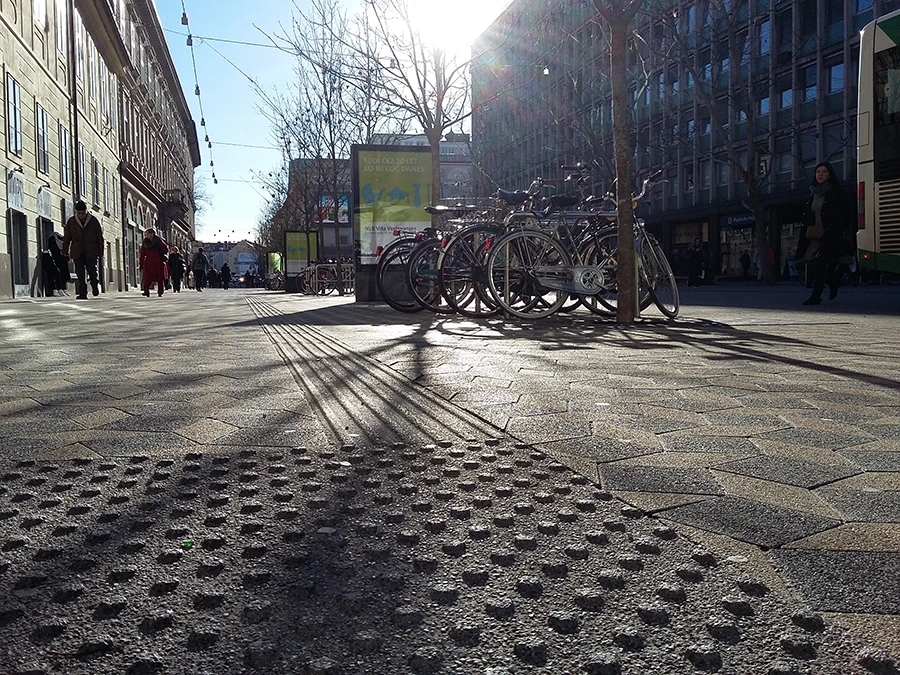
In cities, tactile paving systems and audible traffic signals help blind and partially sighted pedestrians, while lowered curbs make movement easier for wheelchair users. The elderly benefit from pedestrian crossings equipped with countdown timers and from public benches for resting, which are also widely used by persons with intellectual disabilities.
-
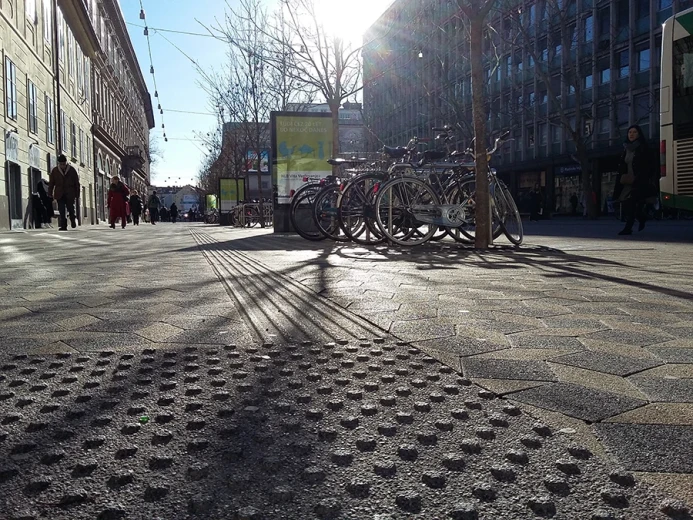 Tactile paving is one of the most important aids for effective orientation for blind and visually impaired people. Photo: City of Ljubljana Archive
-
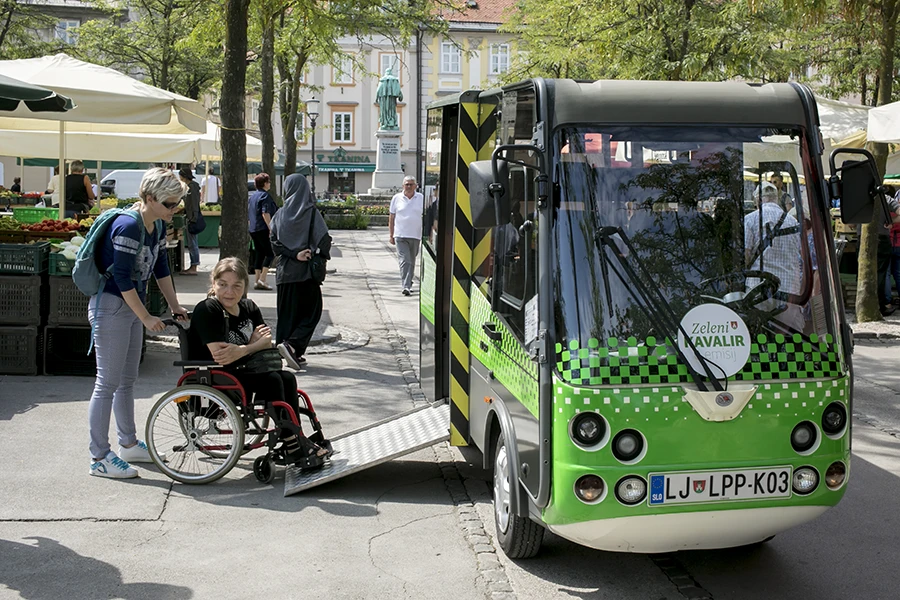
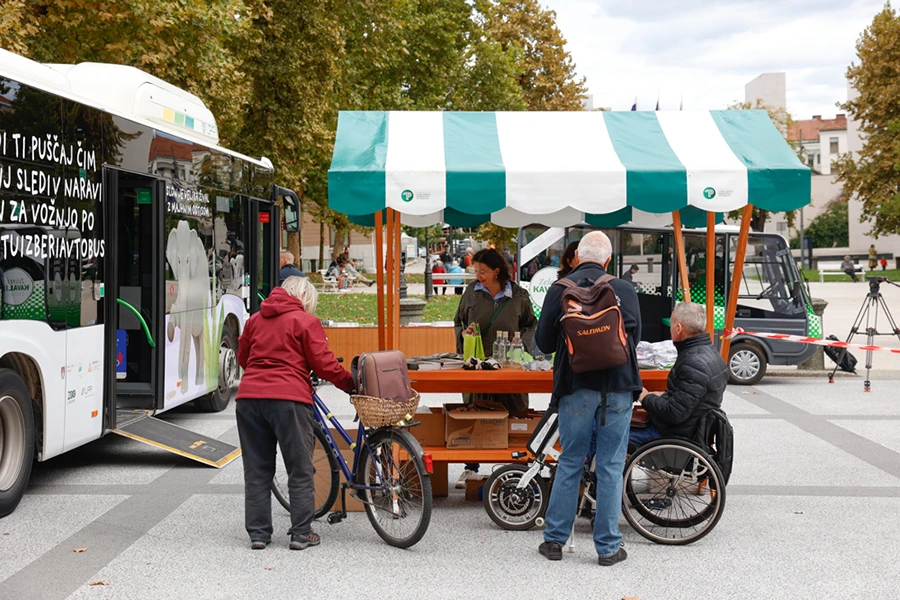
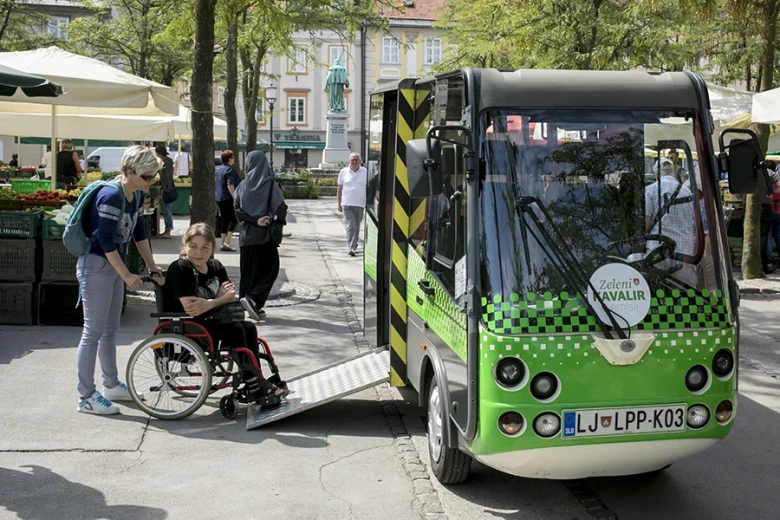 In Ljubljana, Maribor and Kranj, older people and people with mobility impairments can use a free electric shuttle service to travel around the city centre. Photo: City of Ljubljana Archive
-
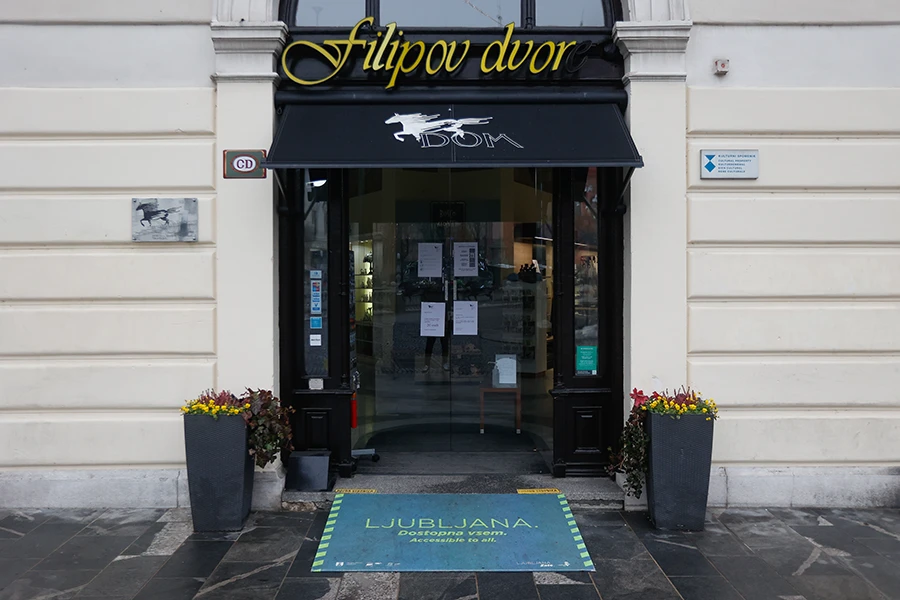
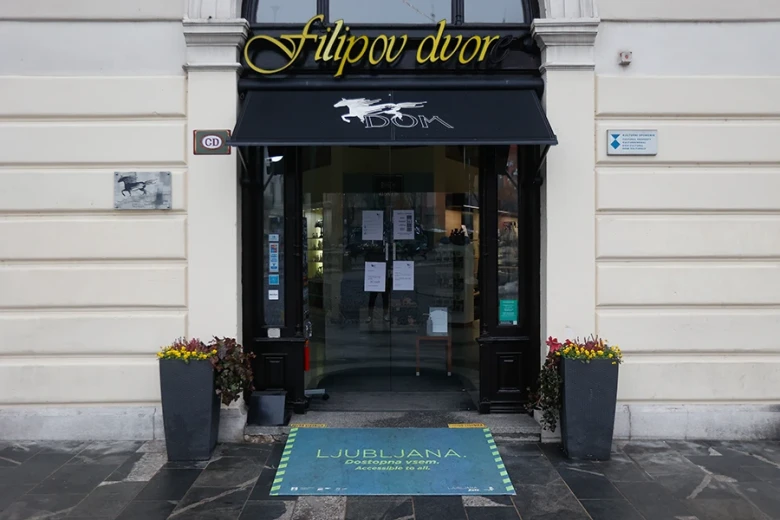 Restaurants and other publicly accessible buildings should be accessible to all visitors. Photo: City of Ljubljana Archive
-
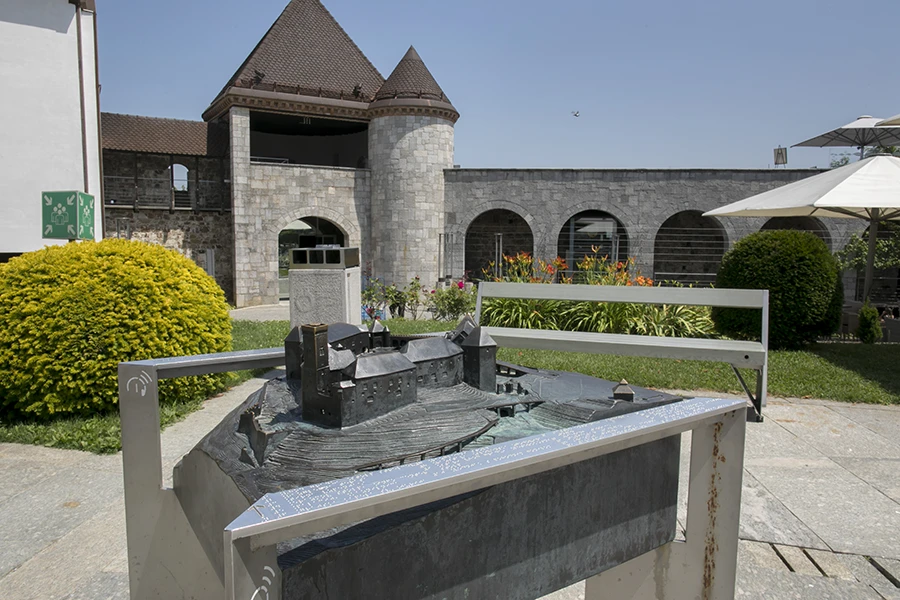
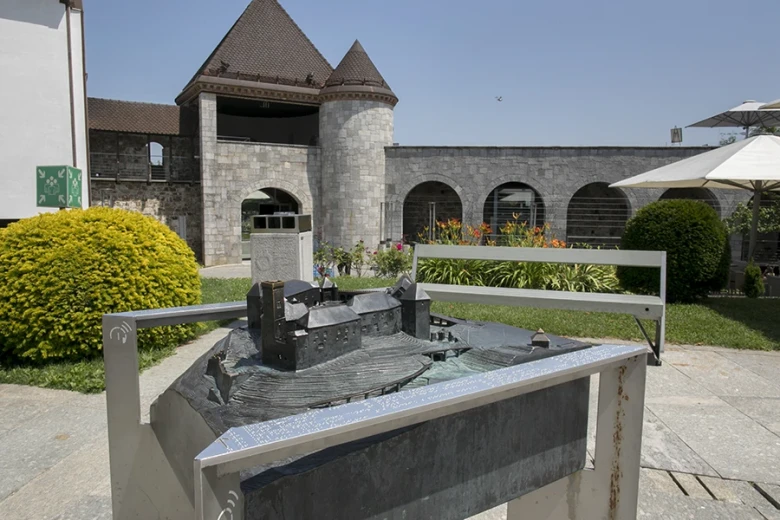 A tactile model with a Braille legend allows blind and visually impaired visitors to experience Ljubljana Castle through touch. Photo: City of Ljubljana Archive
Accessible public transport is available in many municipalities, although improving regional mobility remains an important challenge. In recent years, several railway stations have been renovated, and new low-floor trains have been introduced.
Through legislation and its implementation, Slovenia is also working to improve accessibility in shops, restaurants and cafés, healthcare centres, pharmacies, hotels, cultural institutions, administrative units, sports facilities and other buildings open to the public.
Among Slovenian cities, Ljubljana stands out for its accessibility and has received the European Commission's Access City Award several times in recognition of its efforts. Significant improvements have also been made in recent years in Maribor, Celje, Velenje, Ptuj, Koper, Murska Sobota and Nova Gorica, while smaller municipalities are increasingly focusing their efforts on accessibility as well.
Despite this considerable progress, further adaptations and the removal of barriers in the environment are still needed. According to the Surveying and Mapping Authority of Slovenia, the most room for improvement remains in the area of information accessibility for the blind and partially sighted persons and in communication accessibility for the deaf and hard-of-hearing persons. The latter use Slovenian Sign Language as their first language, so they often require the assistance of sign language interpreters in everyday situations.
Digital solutions for greater independence
Modern technologies and also Slovenian expertise play an important role in helping people overcome everyday barriers.
The Slovenian project Enabling Multimodal Mobility of Persons with Various Disabilities brings together municipalities and public infrastructure operators, and persons with disabilities as users of public spaces. The project takes into consideration the entire journey, from orientation and navigation to transportation and movement through public spaces.
One of its most important innovations is a free public online accessibility map that enables persons with disabilities to plan their routes more easily.
-
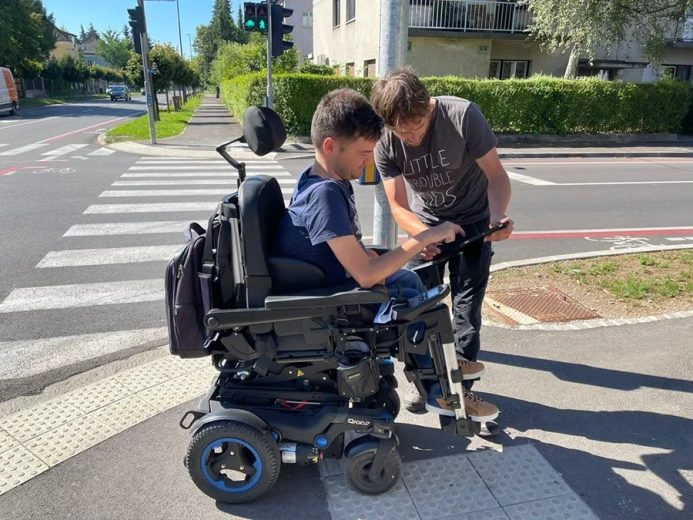 Field data are collected by people with disabilities. Photo: Geodetic Institute of Slovenia
-
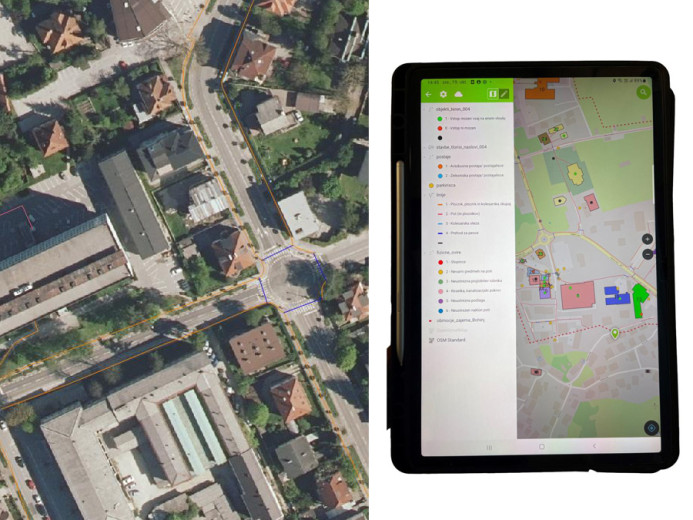 Data collected in the field are entered into a database. Photo: Geodetic Institute of Slovenia
-
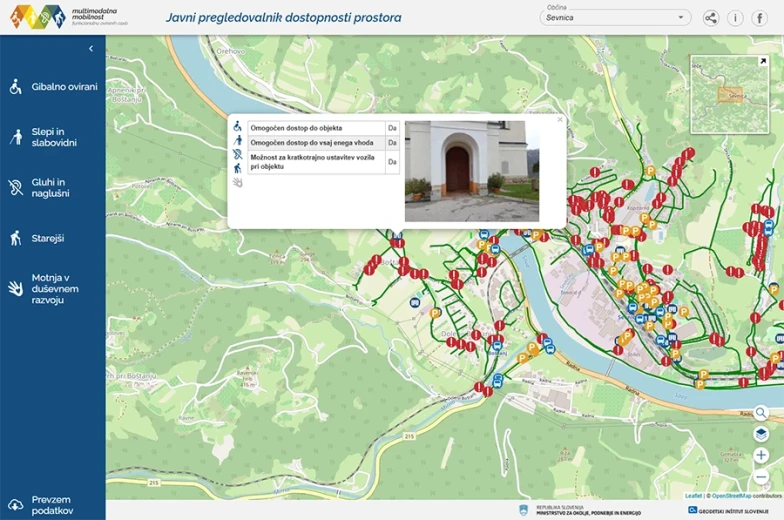 A public online map showing the accessibility of outdoor urban spaces for people with disabilities and older adults is freely available. Photo: Screenshot
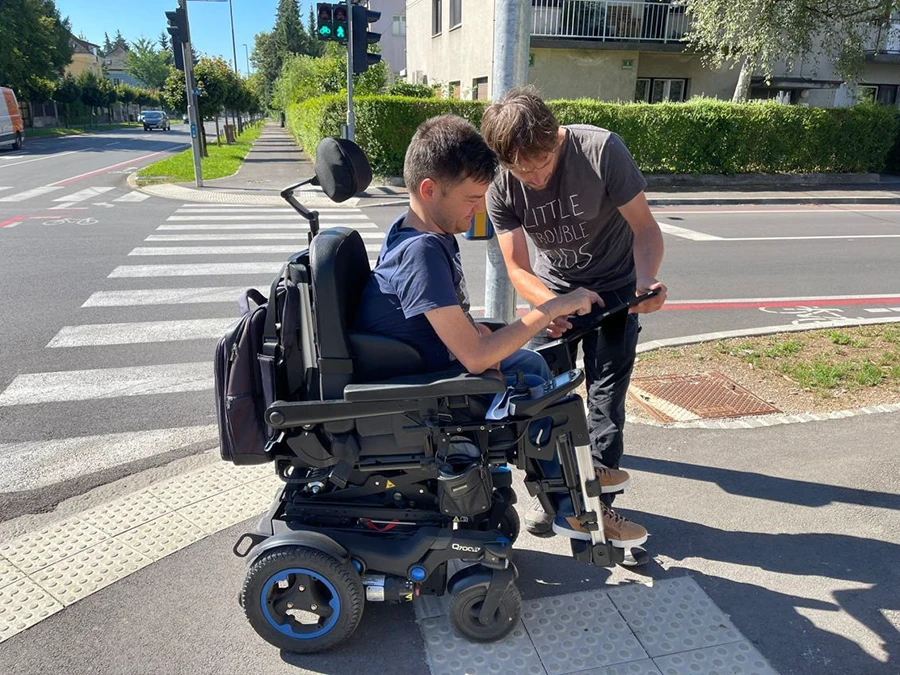
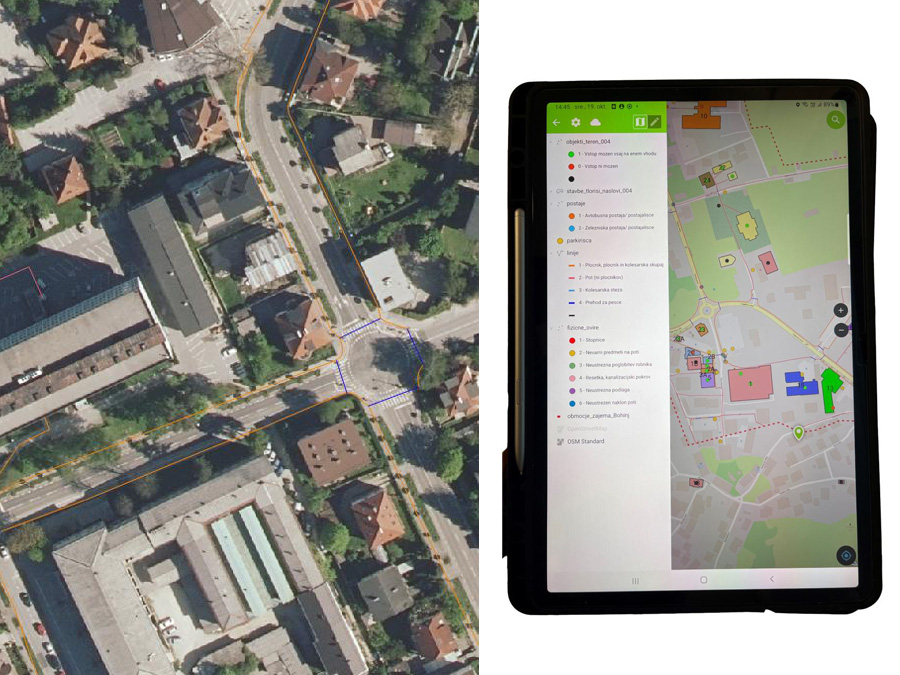
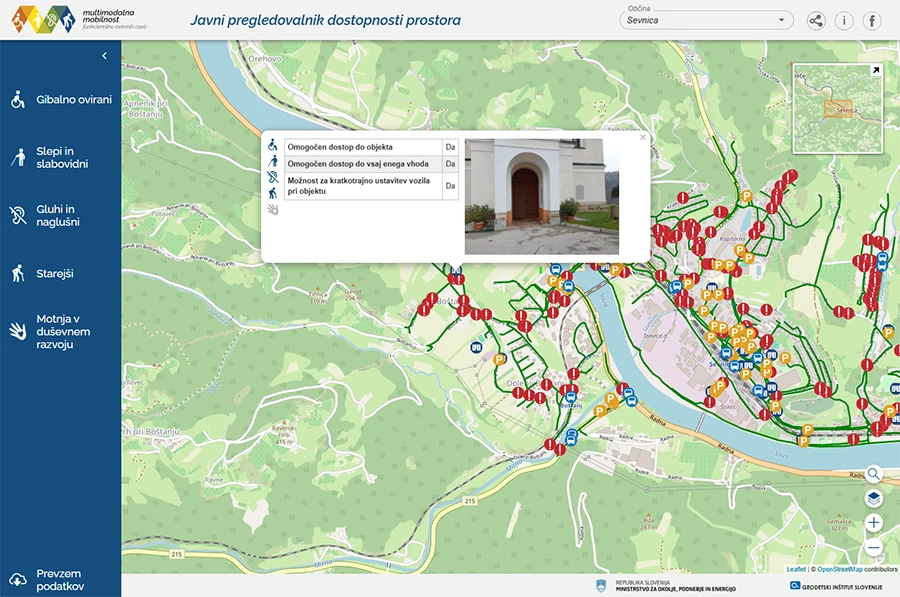
"When planning a route, a person with a disability can clearly see in our online map which obstacles they will encounter along their chosen route, where the route is accessible, and where it is not," explains Roman Rener.
The platform currently includes 129 of Slovenia's 212 municipalities, with the project's long-term goal being nationwide coverage.
In 2026, the project received the international Zero Project Award for innovative solutions that improve the quality of life of persons with disabilities. The award is one of the world's most prestigious recognitions in the fields of accessibility and the rights of persons with disabilities and is presented by the ESSL Foundation in partnership with the United Nations. The award has great international significance and sets Slovenia as a example of an inclusive society.
Understanding through experience
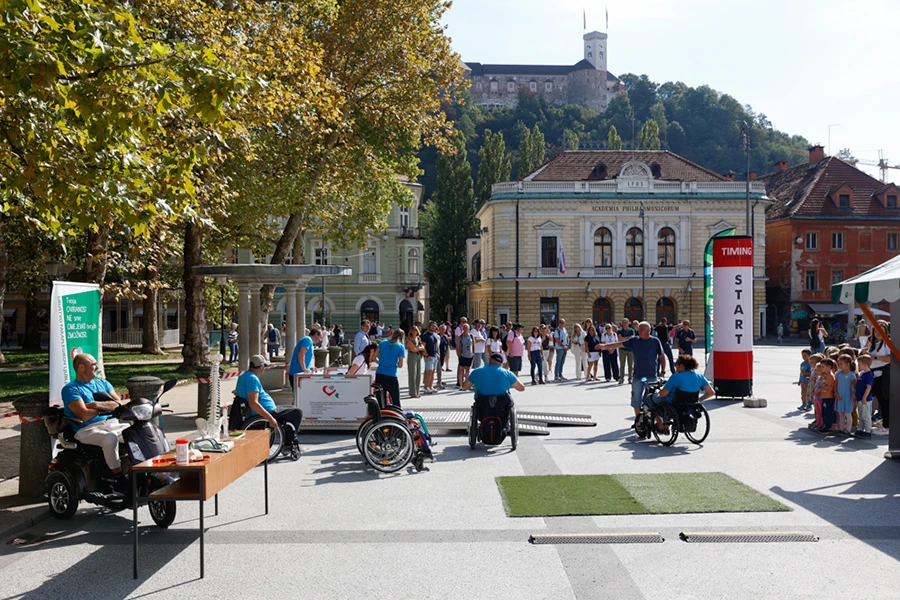
At the heart of accessibility lies an understanding of other people's needs. Every September, Ljubljana hosts the OVIRANtlon Festival, where visitors can briefly experience the daily realities faced by persons with various types of disabilities. Participants can try navigating obstacles in a wheelchair, moving around blindfolded, and completing everyday tasks in complete silence.
-
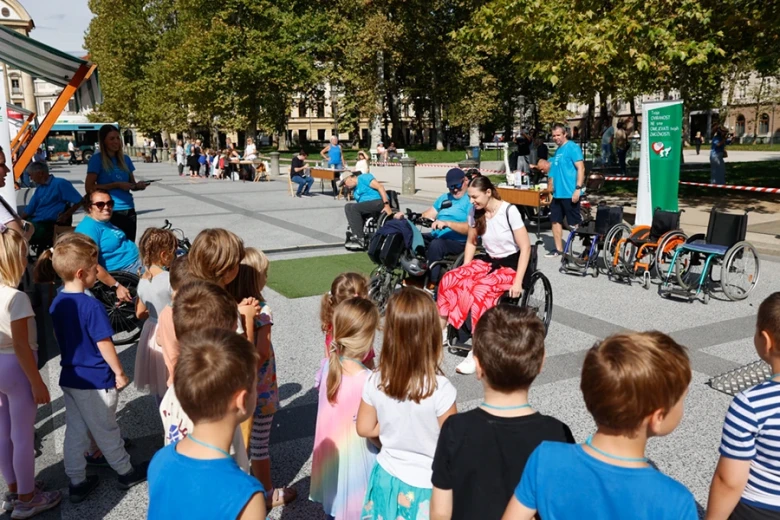 Alongside removing barriers, it is equally important to raise awareness of the importance of accessible public spaces for everyone. Photo: City of Ljubljana Archive
-
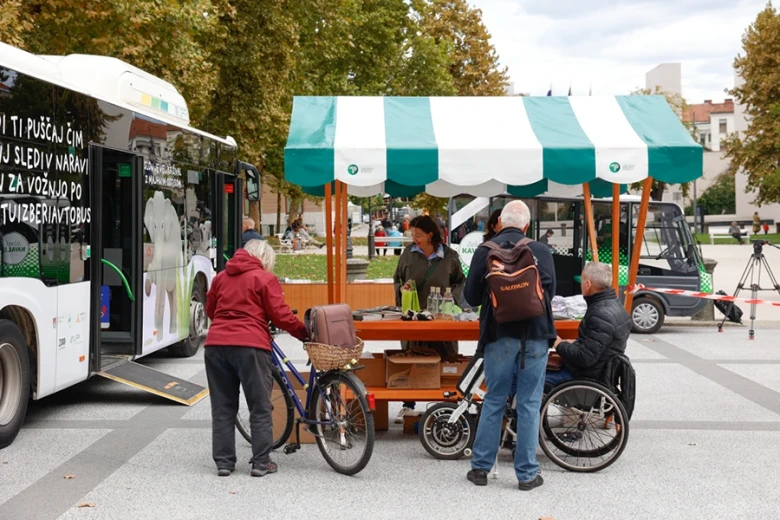 Ljubljana and other Slovenian towns and cities are committed to ensuring accessible, high-quality, independent and active lives for their residents. Photo: City of Ljubljana Archive
-
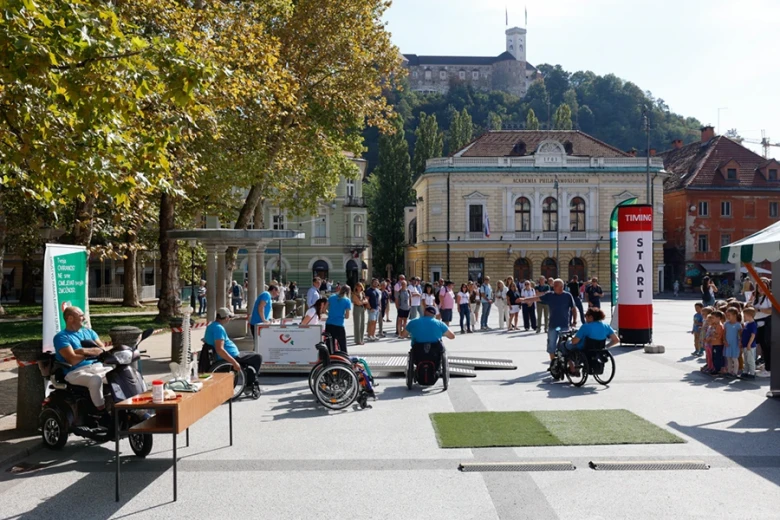 Experiencing the barriers that people with disabilities face in their daily lives offers a valuable perspective. Photo: City of Ljubljana Archive
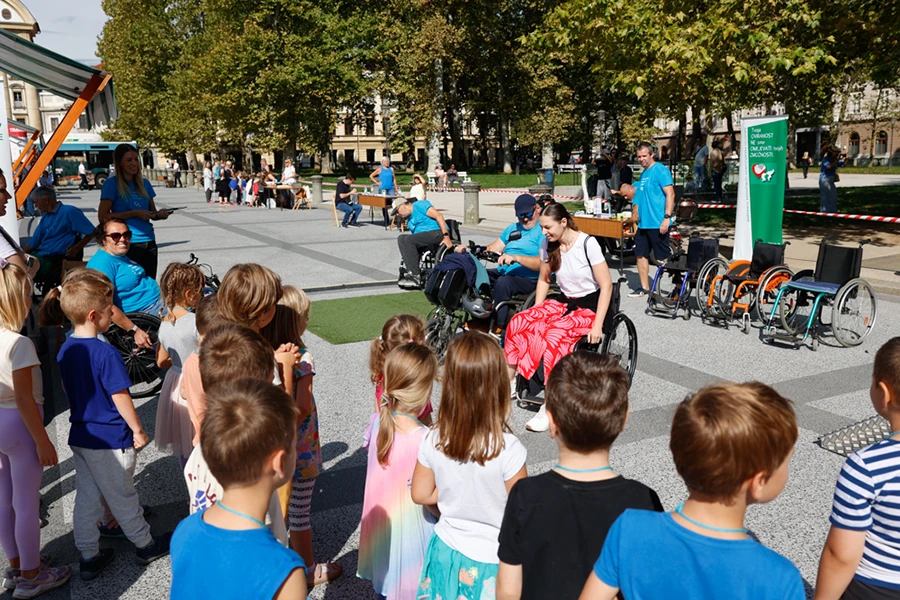
Experiences like these offer a different perspective on the world and foster a deeper understanding of various types of disabilities. They also remind us that accessible spaces benefit everyone – not only persons with disabilities, but also the elderly, parents with young children in strollers, and all other users of public spaces.