Date: 22. April 2026
Time to read: 2 min
In the 1970s in Yugoslavia, the Tomos moped was not merely a means of transportation, but a symbol of youth, freedom and belonging to an entire generation. It stood as an escape from everyday constraints, offering independence and movement without the confines of daily schedules. Simultaneously, it was also a social phenomenon.
The development of the Tomos factory began after the Second World War, when it was initially established in Sežana and later moved to Koper. A key milestone was hit in 1959 upon its official opening, starting to play an important role in the industrial landscape. Over the following decades, moped models were developed that became symbols of youth.
-
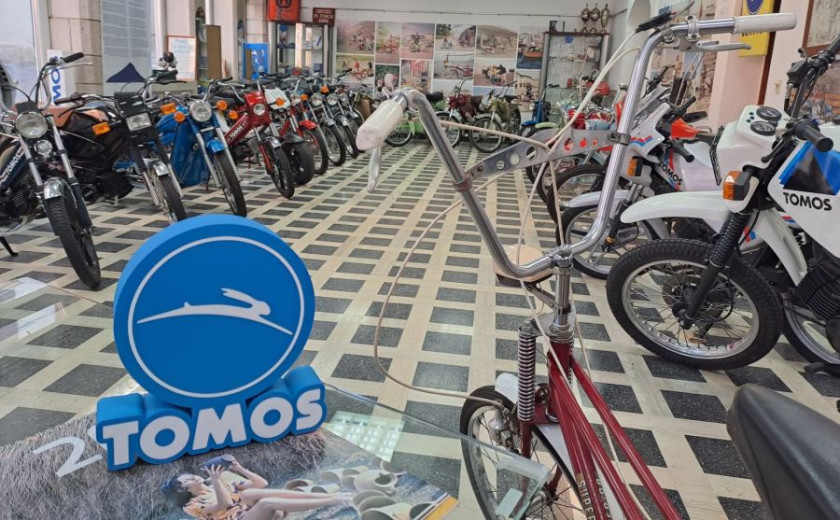 Throughout its years of operation, more than 70 different models of motorcycles and mopeds rolled off the production lines, with a total production exceeding 2.5 million units. Photo: Stevo Vujić
A success story
The Tomos factory reached the height of its prosperity between 1979 and 1989, when its production peaked, and mopeds were exported to more than 80 countries worldwide. The company thus became globally recognised. It also played an important role in motorsport, as Tomos mopeds took part in international races early on and achieved notable success, further strengthening the brand's reputation. Its presence in foreign markets was reinforced by its production facilities abroad.
At the same time, it had an impact not only on industry but also on the development of Koper as an important economic and cultural centre.
-
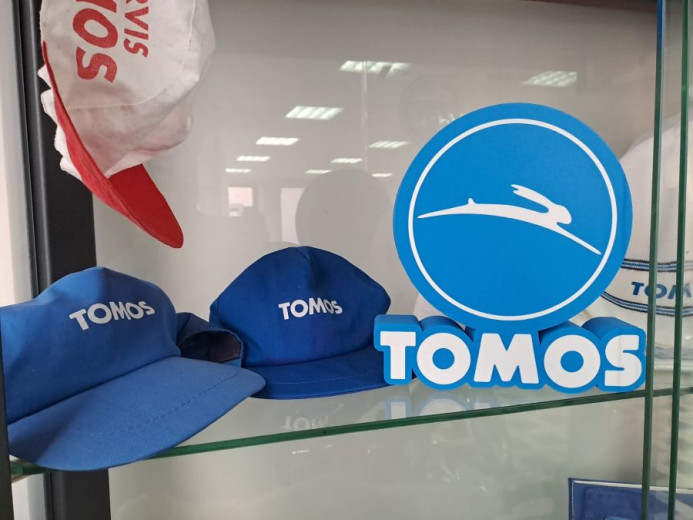 Tomos was one of the best brands of former Yugoslavia. Photo: Stevo Vujić
-
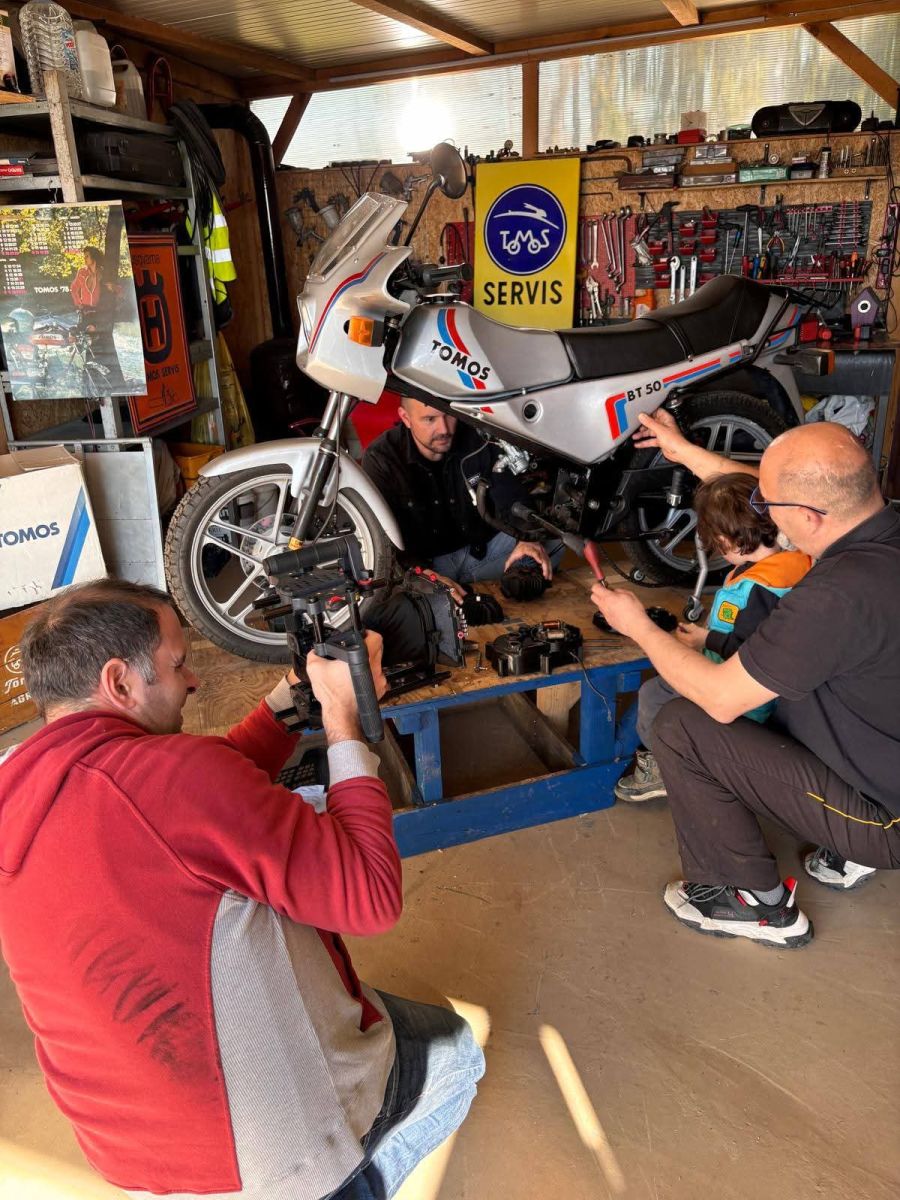
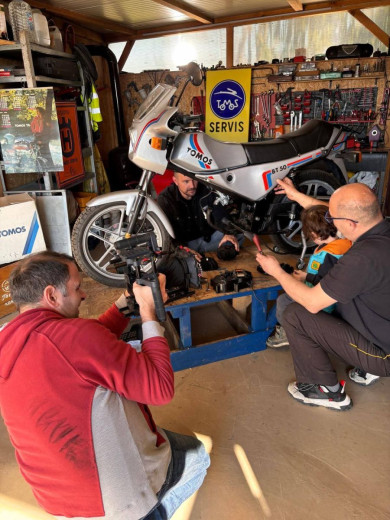 There are still many people who have a Tomos moped in the garage. Photo: Stevo Vujić
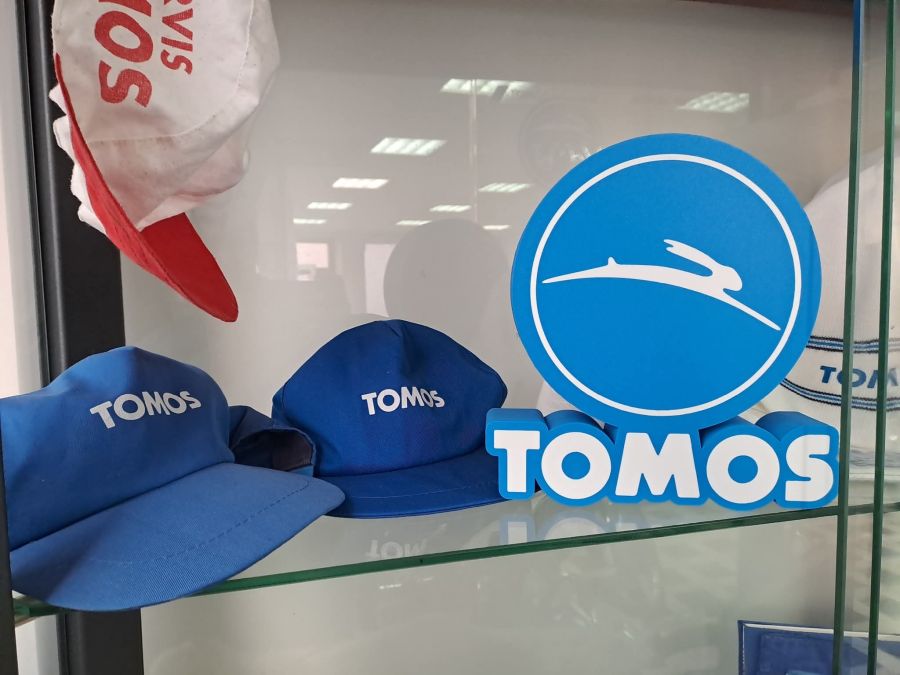
The Tomos History Museum
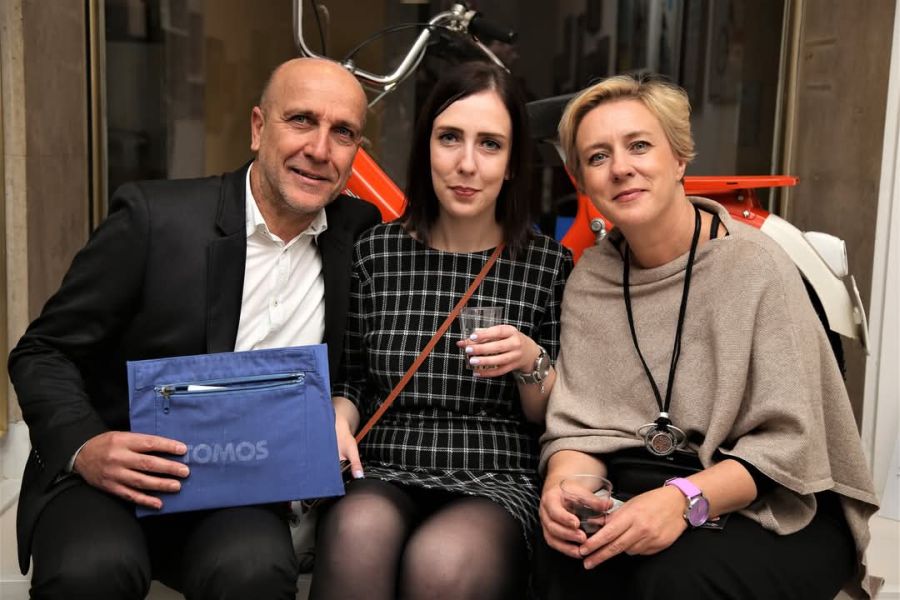
Today, this piece of cultural heritage has been preserved by the Tomos History Museum in Koper, founded by Stevo Vujić.
In his youth, the motorbike was not merely a means of transport, but an important part of everyday life, family ties and growing up. In many coastal homes, it held a special place. He recalls that the first motorbike in the family was the legendary Tomos APN 4, red in colour, which his father brought directly from the factory where he had worked all his life. "The motorbike was the only means of transport at home," he remembers, emphasising that it was not just about practicality, but also a way of life.
The motorbike meant freedom, connection and shared moments that left a lasting impression. "My father and I regularly drove fishing together and to Sveta Katarina, and even the ride itself was an experience," he adds.
Tomos mopeds quickly became more than just a family habit – they became part of a wider community. They were repaired, cleaned and often modified in home garages. This was not merely technical work, but a social ritual where friends gathered, helped one another and exchanged experiences. The proximity of Trieste made it possible to obtain better parts, allowing owners to upgrade their mopeds and give them a personal touch. The culture also included its fashion accessories: leather jackets, jeans and the overall look that accompanied it. "If you had a well-kept Tomos, you had a better chance of getting a girlfriend," says Stevo Vujić with a laugh, illustrating how important the motorbike was in the social lives of young people.
-
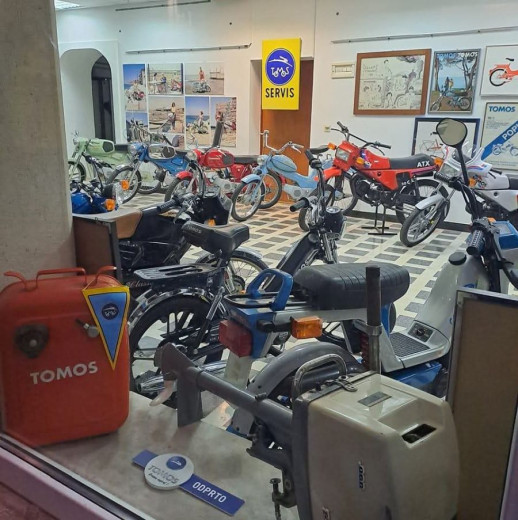
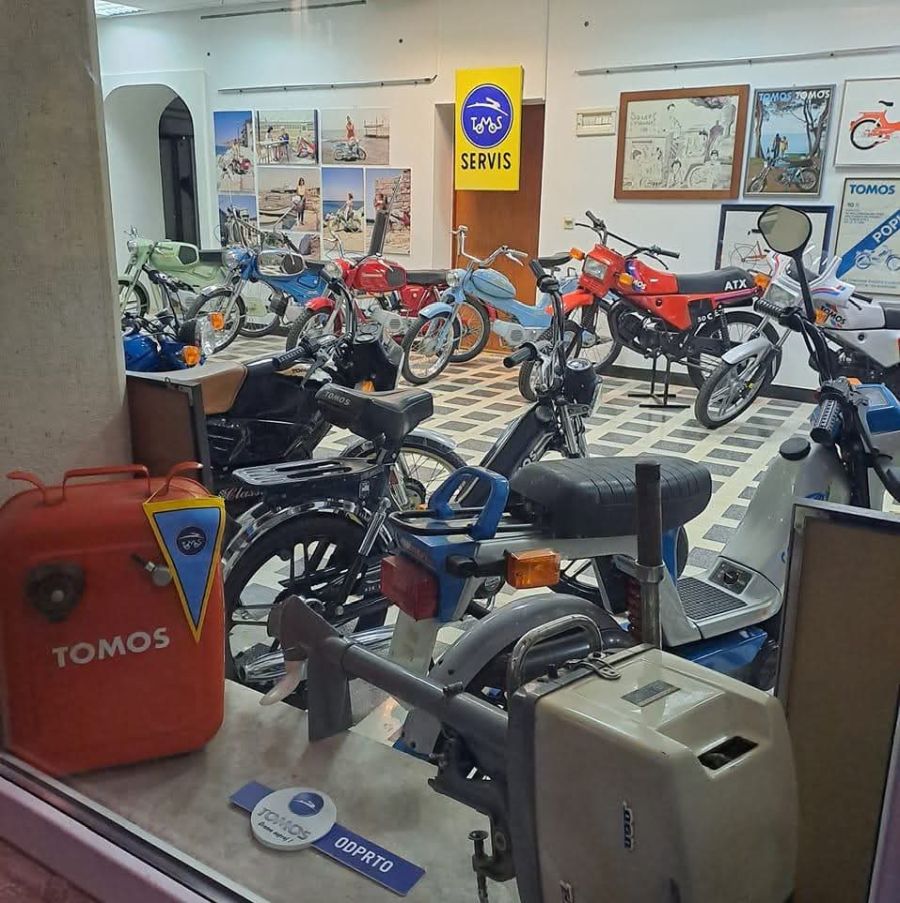
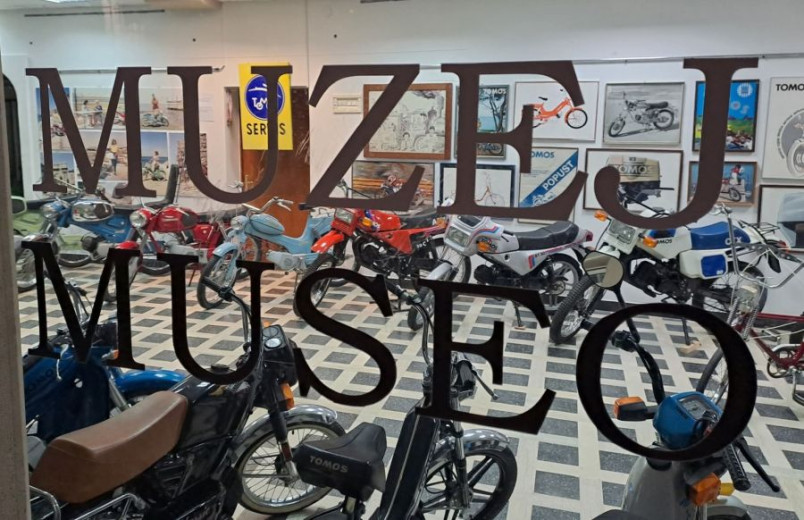 The Museum of Tomos in Koper, owned by Stevo Vujić. Photo: Stevo Vujić
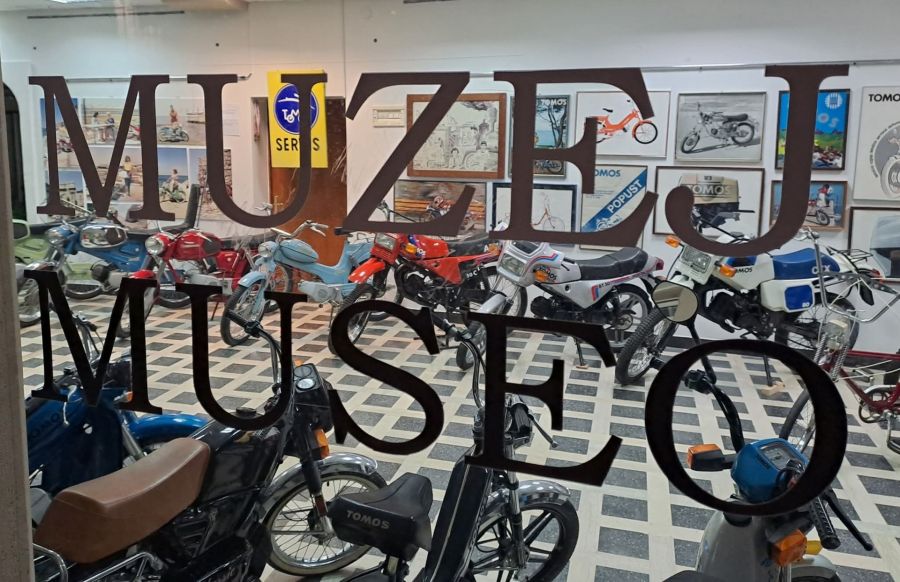
A special place in his memories is held by the so-called "primorska štirka" (Primorska APN4), a unique moped created through ingenuity and creativity. With the help of parents employed at Tomos, it was adapted to his wishes and needs. Such projects were an expression of pride and belonging. "Motorbikes were not just for riding — they were part of our identity," he emphasises. Because of their neatness and uniqueness, teachers even allowed them to be parked in front of the school, which was a special privilege at the time.
Mopeds also enabled journeys beyond the local environment. They became a means of exploring the world. The longest trips took riders to Istria, where they camped, and even to Dalmatia, where his family roots lie. Such journeys required courage, ingenuity and some technical knowledge, as breakdowns were simply part of the experience. Yet these were precisely the experiences that created so many unforgettable stories.
Although he would later ride larger touring motorbikes, including a large-capacity adventure motorbike, Tomos has remained his starting point and constant companion. Today, due to the numerous commitments related to running the museum and promoting Tomos's story, he mostly rides mopeds. They allow him to stay connected with the town and its people, while maintaining a link to the past. "The brand? TOMOS," Stevo Vujić answers without hesitation when asked about his preferred manufacturers.
Today, Tomos is no longer synonymous with speed or competition, but with socialising and community.
More than 50 associations operate across Slovenia, organising panoramic rides and gatherings that bring together enthusiasts from different generations and countries of the former parts of Yugoslavia. Such events often attract several hundred participants, showing that interest in Tomos has not faded. "Today, Tomos connects people and preserves a shared identity," emphasises Stevo Vujić, who continues to see great value in this.
The museum is also an important part of his mission, displaying approximately 50 mopeds in pristine condition and approximately 10,000 related items – from technical documents to photographs and awards.
It offers a comprehensive insight into a history that goes beyond technical characteristics and opens a broader cultural context. Tomos was never a motorbike made for a select few, but for the masses. It was accessible, reliable and present in everyday life. "Tomos was not for the famous – it was for everyone," says Stevo Vujić, capturing its essence.
-
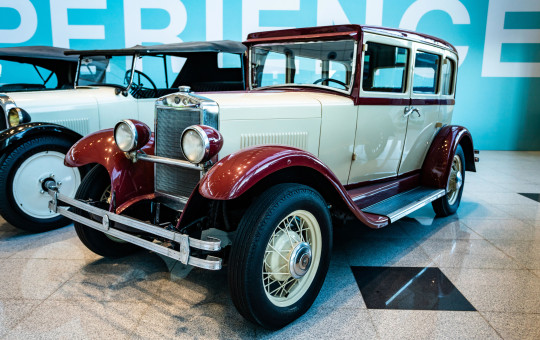
 A special chapter in Tomos' history is their collaboration with the automobile brand Citroën between 1962 and 1972, during which time around 30,000 cars were assembled in Koper. This production was based on an interesting barter system: Tomos parts were exported and the components for vehicle assembly were received in return. Foto: Stevo Vujić
-
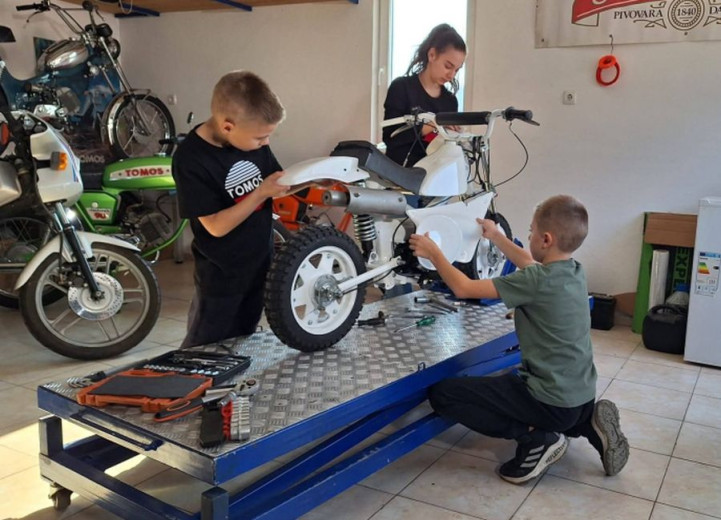 Every generation is a fan of Tomos. Photo: Stevo Vujić
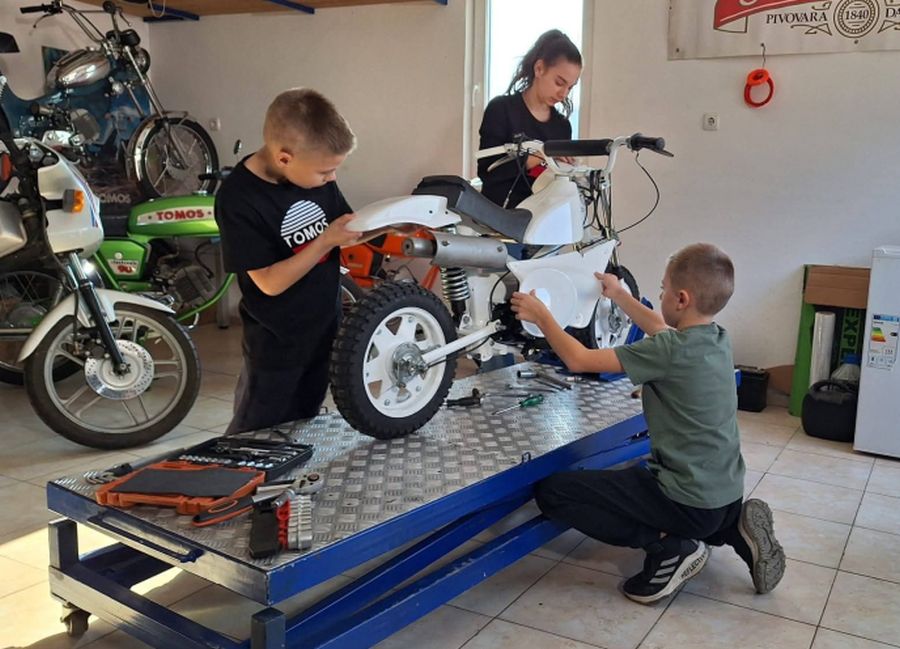
The story of Tomos products does not end in the past. Through documentary films, exhibitions and collaborations with various institutions, its story remains both alive and relevant.
Vujić explains: "Alongside two very successful documentary films, for which I personally sought interviewees and wrote the script, in cooperation with RTV Koper-Capodistria, two documentaries were created: Tomos: Made in Yugoslavia, the most-watched film in the history of the regional TV Koper-Capodistria centre, and another made in cooperation with RTV Slovenia and Peter and Janez Grom, which tells the story of Tomos in motorsport".
He continues: "A turning point in my – and our – work, alongside many media visits, visits of well-known journalists, articles, motorcycle magazines, newspapers and publications, was the TOMOS exhibition in 2021. On the initiative of the Municipality of Koper, we carried out one of the most visited exhibitions in Slovenia. In less than two months, it was seen by 6,700 people. Participants included the Koper Regional Museum, the Koper Regional Archives, the Faculty of Humanities in Koper, the Faculty of Maritime Studies and Transport in Portorož, the Technical Museum of Slovenia, the Motorcycle Museum in Vransko and Koper's Secondary Technical School. Another milestone was the 15 May Award, presented to me by the Municipality of Koper. Thanks to all these achievements, the museum today occupies a very attractive location in the city centre."
-
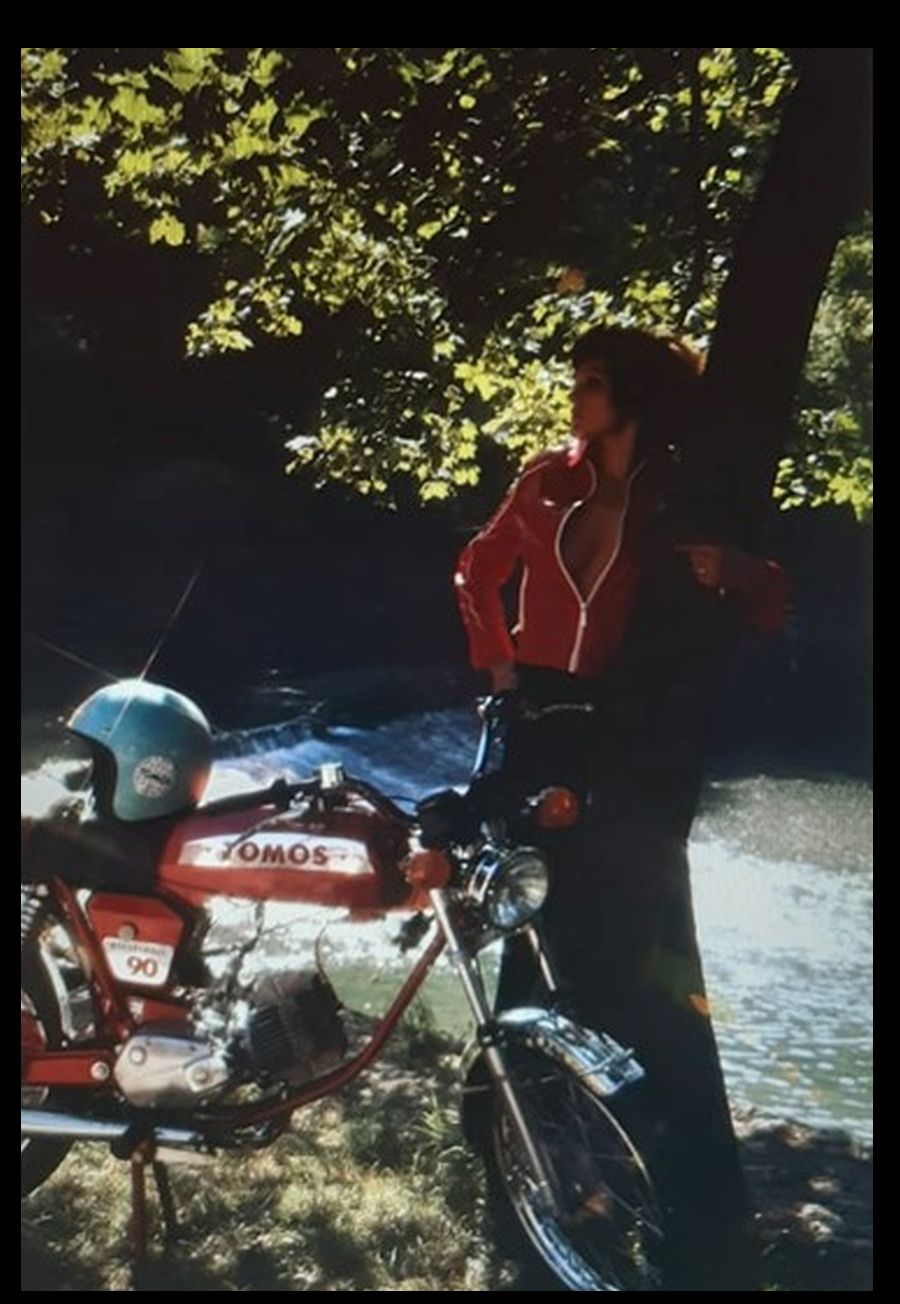
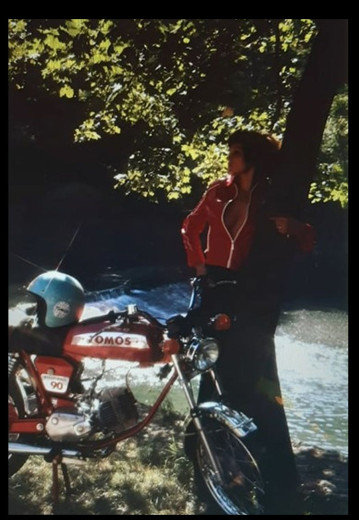 The motorbike was not merely a means of transport, but an important part of everyday life. Photo: Stevo Vujić archive
More than nostalgia
As late as 1996, Tomos was still achieving record monthly moped production figures, but the course of history was then altered by the global market. The industry began to move to Asia, which gradually affected the fate of Tomos. The last mopeds left the Koper factory in 2018, produced for Slovenia Post.
Today, an important part of this story has been preserved by individuals and communities, such as Stevo Vujić, who prevent this piece of cultural heritage from fading away. Tomos remains a symbol of its time, community and creativity. It is not merely a matter of nostalgia, but a bridge between generations.
It stands as proof of successful planning for the development of a community and entrepreneurship, as well as the ability to achieve goals that seem unattainable at first glance.
Though the factory gates are closed, the machines no longer hum and the production line stands still, Tomos is still alive – in the eyes of many generations, it has become a legend. That is why it has even earned its own anthem, "Tomos generacija" – just what a legend deserves.
-
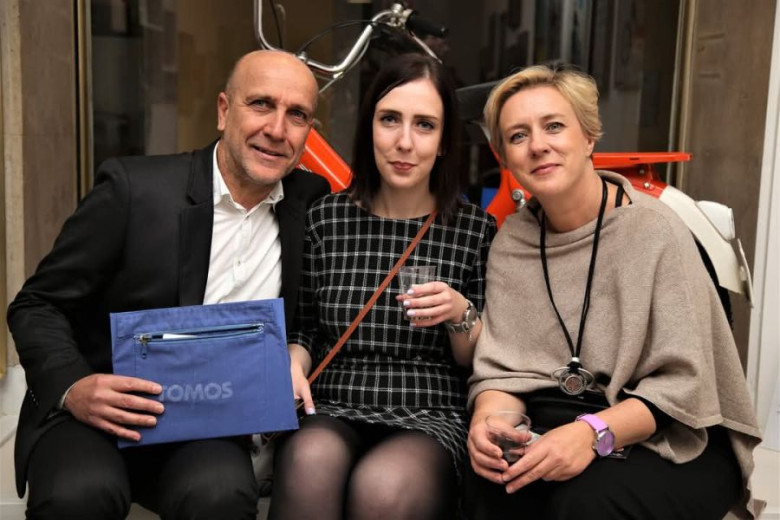 Stevo Vujić with family. Photo: Stevo Vujić