Date: 10. July 2026
Time to read: 1 min
ITER, the world's largest experimental fusion reactor, is under construction in southern France. Slovenian experts are also part of this effort, contributing to the development of the technology used to demonstrate that nuclear fusion, the process that powers the Sun and the stars, can be a safe and sustainable source of energy.
Unlike existing nuclear power plants, which generate energy through the fission of heavy atomic nuclei, ITER aims to harness the opposite process: nuclear fusion. In this process, the nuclei of deuterium and tritium, two isotopes of hydrogen, fuse to form a helium nucleus, releasing a large amount of energy.
The project, which combines scientific expertise and industrial capabilities from across the globe, also includes six Slovenian experts. Among them are Gašper Renko, who was sent to Provence four years ago by the Slovenian high-tech company Cosylab, and Bojan Vrtič, formerly a Cosylab employee, who now works directly for ITER.
Slovenian expert building ITER's brain
Gašper Renko, who holds a degree in physics and now works as a systems engineer, contributes to the development of ITER's control system while also serving as a guide, introducing one of the most ambitious scientific projects of our time to both the general public and the scientific community.
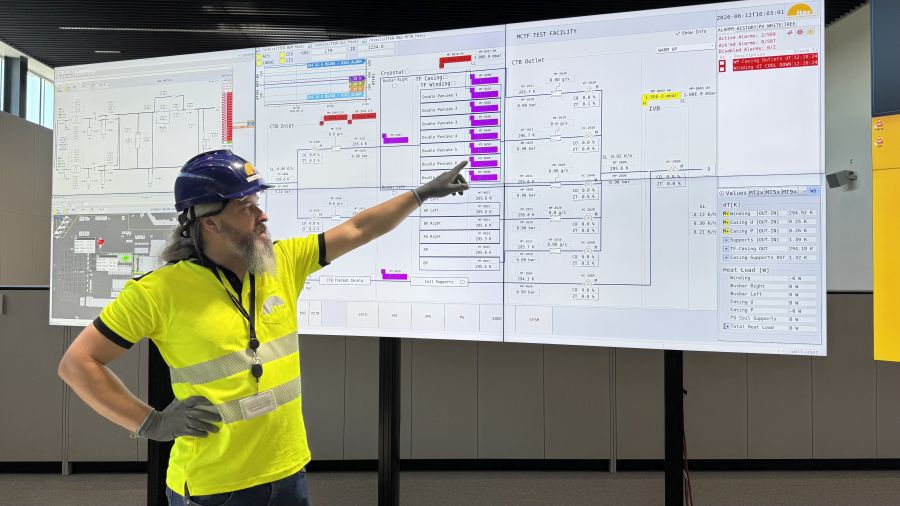
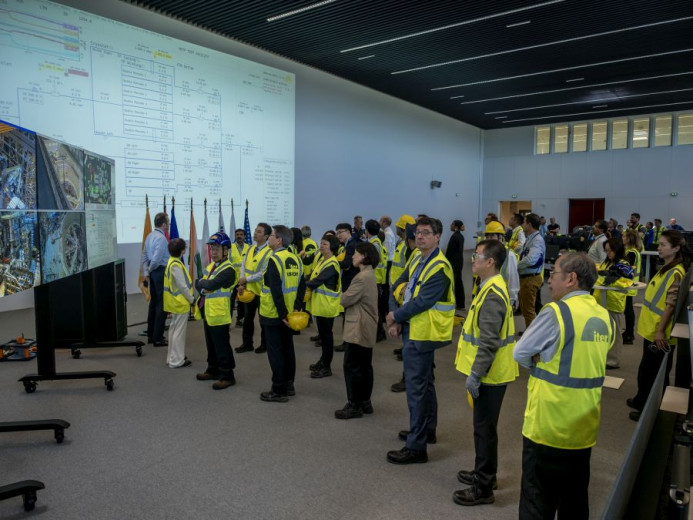
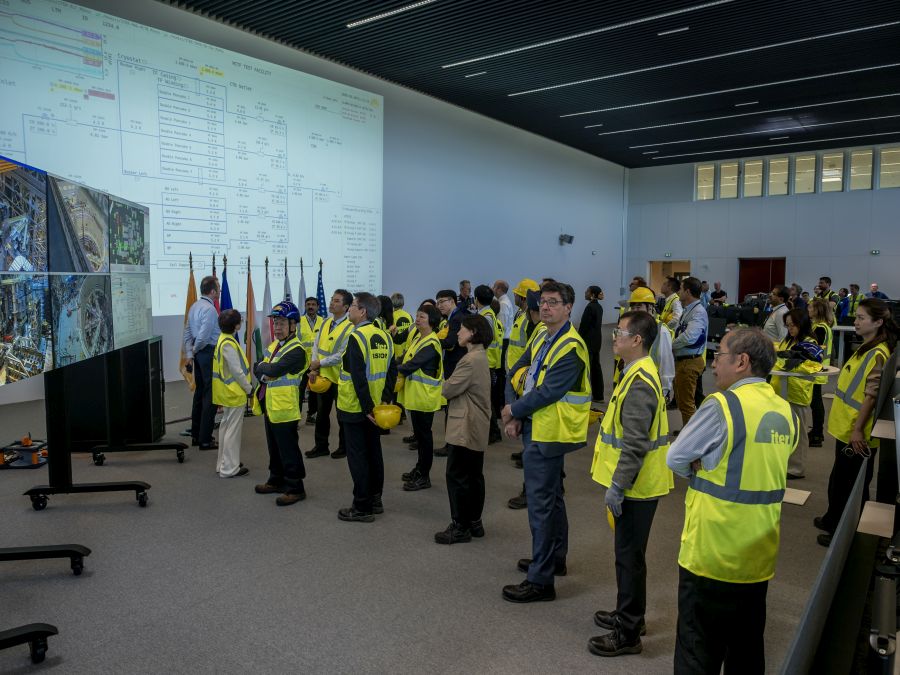
According to Renko, the ITER control system can be considered as the brain of the whole facility. "The system monitors everything from the vacuum inside the reactor, pumps, plasma and superconducting magnets to the diagnostic systems." The system is fully digitised: "There is only one physical button in the control room, and it's the microphone button. All the rest is monitored through the control system, which is started up by a click of the mouse." He adds that "because ITER is classified as a nuclear facility and is a one-of-a-kind project, most of the required solutions cannot simply be purchased off the shelf – they have to be developed specifically for ITER."
-
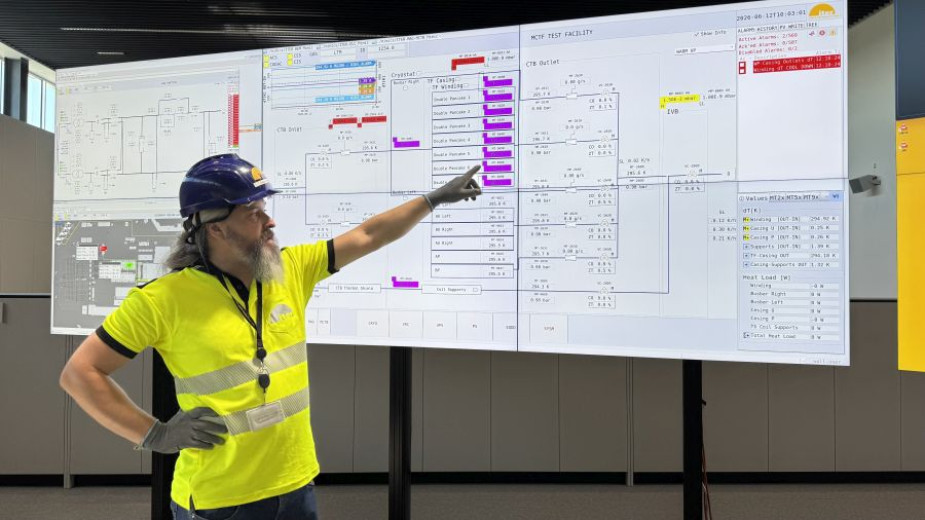 Gašper Renko in the ITER control room. Photo: UKOM
-
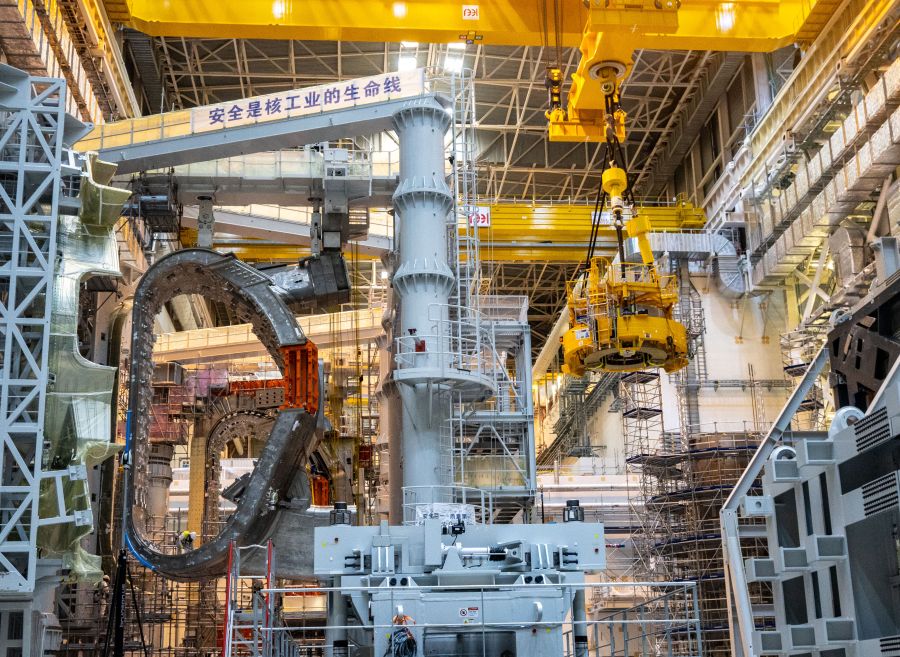
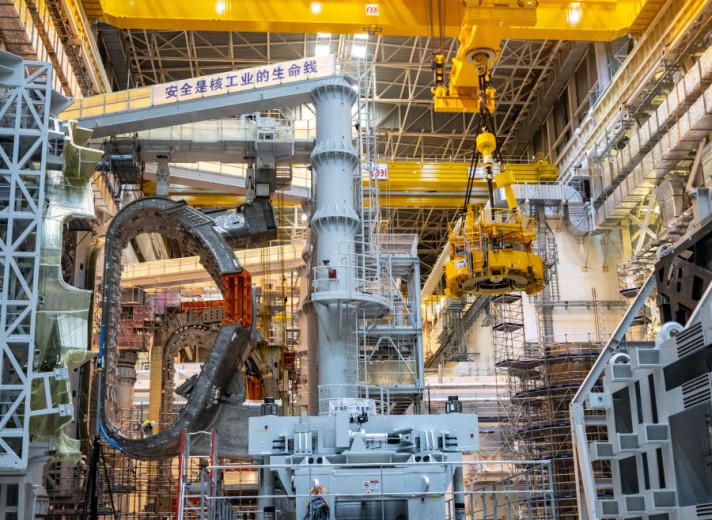 Eighteen D-shaped toroidal field magnets will be arranged around the vacuum vessel, where they will generate a powerful magnetic field to confine the plasma. Each measures approximately 17 meters in height and 9 meters in width, and weighs around 330 tonnes, making them among the largest components of the ITER reactor. Photo: ITER
-
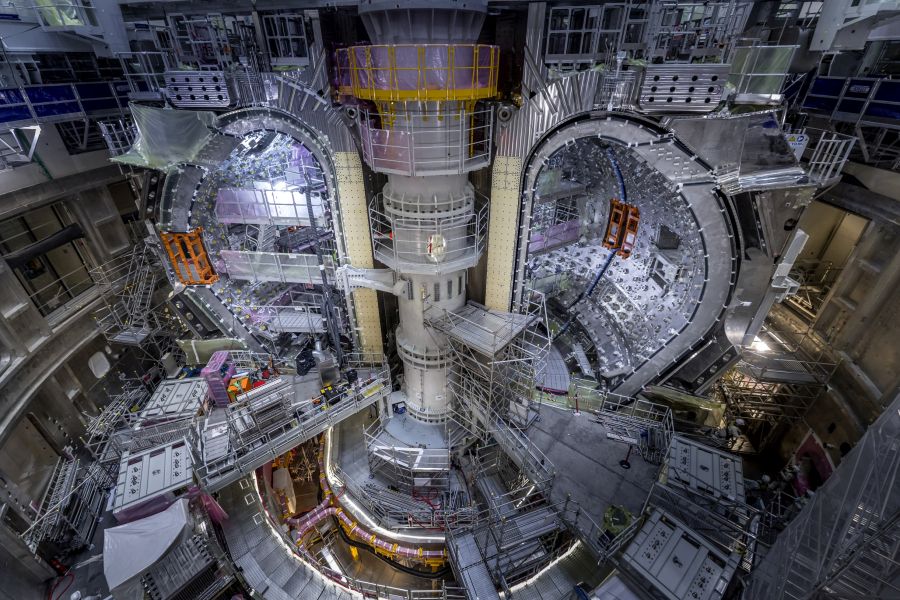
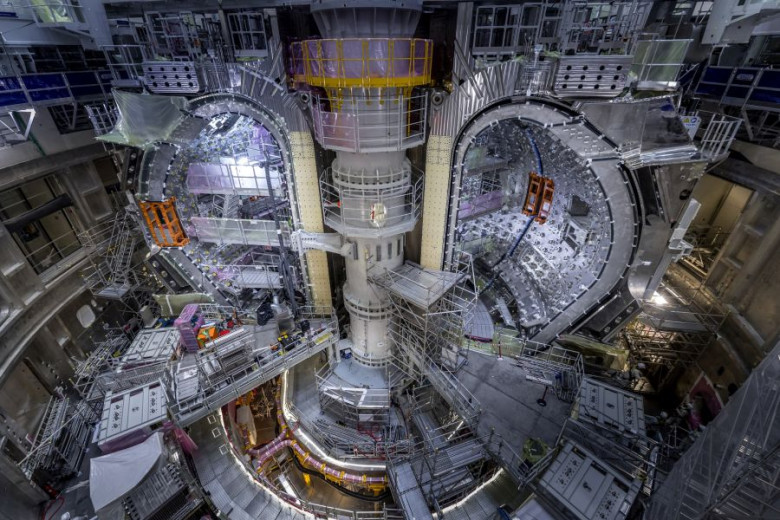 The ITER tokamak under construction in June 2026. Five of the reactor's nine vacuum vessel sectors have been installed in the assembly pit. Photo: ITER
Around 70 organisations from around the world are involved in developing the control system, which will ultimately integrate more than 220 individual systems. Renko's task is to help developer teams in integration and resolving technical challenges. As a result, they are in contact on an almost daily basis. "For example, just a few days ago, we spent three hours on a video call with our colleagues in India, working through a technical issue they hadn't been able to resolve on their own," he says, describing a typical day at work.
The ITER project brings together 34 countries: the 27 EU Member States, China, India, Japan, South Korea, Russia, the United States and Switzerland. What sets ITER apart is that it is not built by a single country or company: the components come from all around the world. Integrating all these components into a single system is an extraordinary organisational and technological challenge.
"Imagine a giant LEGO set, except that the pieces don't come from a single factory but from tens of thousands of different ones. In the end, everything has to work as one integrated whole," Bojan Vrtič explains.
-
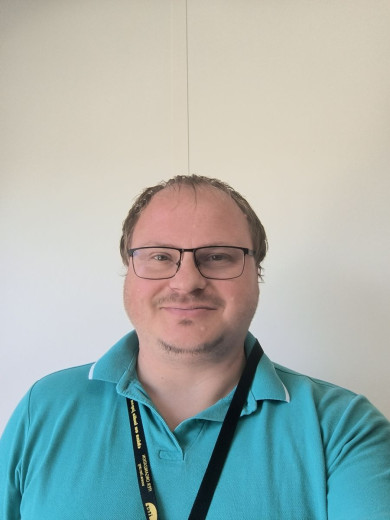 Physicist Bojan Vrtič is participating in the ITER project as a member of the team responsible for power conversion and supply to the giant superconducting magnets. Photo: Personal archive
Powering the world’s largest fusion project
While Gašper Renko takes care of ITER's brain, Bojan Vrtič helps provide the energy that powers its heart.
Vrtič is another graduate in physics. He came to Provence almost twelve years ago, at first for two years. Like Gašper Renko, he was once involved in developing the control system, but today he is part of the team responsible for electrical power converters. Bojan and his colleagues are responsible for ensuring that the enormous superconducting magnets, which enable the confinement of plasma and thus the fusion reaction itself, are supplied with the energy they require.
-
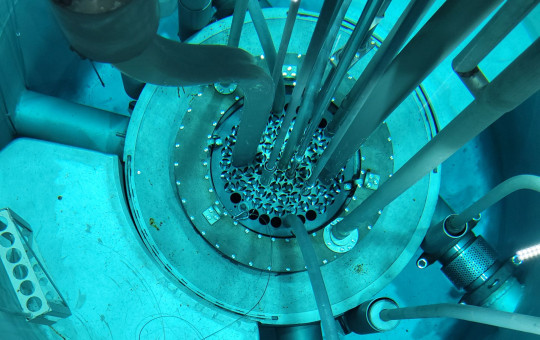
 Before installation, selected ITER superconducting magnets undergo testing at an operating temperature of 4 K (-269 °C). A total of 10,000 tonnes of magnets will then generate the magnetic fields required to initiate, confine, and control the fusion plasma. Photo: ITER
Many components used are the biggest in the world and were developed especially for ITER.
"Many things are being used on this scale for the first time. Most of the equipment was developed exclusively for ITER, with the hope that it will one day also serve future fusion power plants," Vrtič explains and adds an example: "Our aluminium wires for direct current, for instance, have a diameter of 20 centimetres."
An international mosaic of knowledge
For both of them, working in such a challenging international environment is also a source of great pride.
"It's amazing to be a part of this project. This is the Holy Grail of physics and I'm overjoyed to be participating in it," says Renko. Vrtič adds, "On the one hand, it's a great pleasure; on the other, it's a great responsibility. The pace is currently very intense and, at times, quite stressful."
In addition to individuals, Slovenian institutions and companies are also involved in the project, including Cosylab, the Jožef Stefan Institute, the Faculty of Mechanical Engineering at the University of Ljubljana, the Institute of Metals and Technology, and other Slovenian companies.